
Most people never change their default privacy settings on social media and apps, leaving personal information more exposed than they realize. Default options often prioritize convenience over security, making data accessible or transmitting unencrypted information without their knowledge. This oversight can lead to unwanted sharing or tracking by third parties. Being aware of these hidden settings and adjusting them can greatly improve your privacy. If you keep exploring, you’ll discover simple ways to take control of your digital safety.
Key Takeaways
- Many users keep default privacy settings on social media platforms, which often prioritize convenience over security.
- Default configurations frequently transmit unencrypted data, increasing vulnerability to interception.
- Users rarely review or customize privacy controls, leaving personal information broadly accessible.
- Default settings often grant broad data sharing permissions without explicit user consent.
- Privacy policies are often overlooked, leading to uninformed data collection and usage practices.
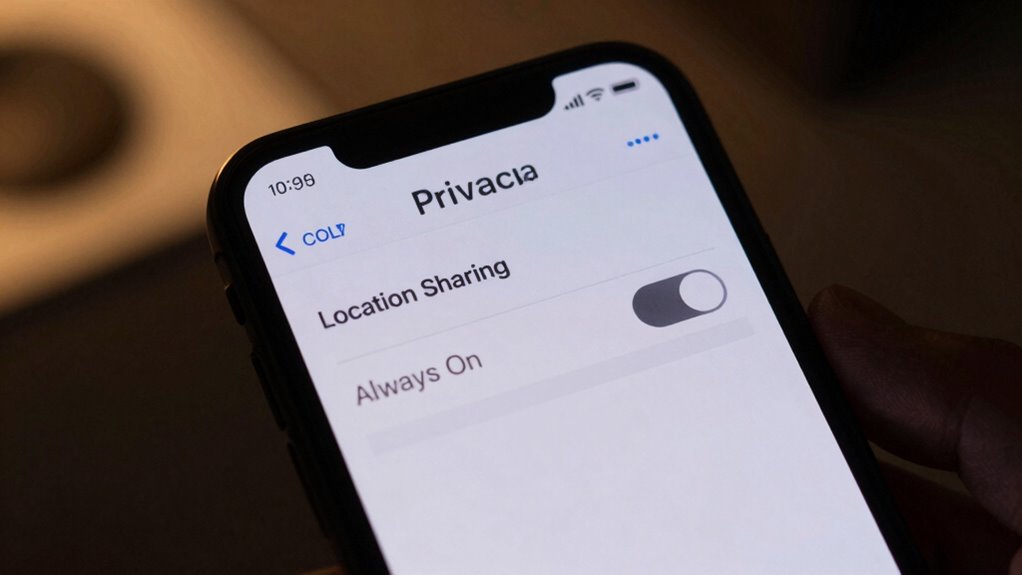
Have you ever reviewed your privacy settings on social media or apps? If not, you’re not alone. Many people stick with the default settings, unaware of how much personal information is accessible to others or how their data is being protected. One privacy setting that most users overlook is the way data encryption is handled. Data encryption is a vital security feature that transforms your information into a code, making it unreadable to anyone who intercepts it. When you haven’t adjusted your privacy settings, you might be unknowingly allowing your data to be transmitted without proper encryption, leaving it vulnerable to hackers or third-party breaches. This can happen even if you’re just sending messages or sharing photos. The default configurations often prioritize ease of access over security, which means your private conversations or personal details might not be as protected as you think. Understanding how data encryption works can help you better protect your information in the digital space. Additionally, many users are unaware of how encryption protocols operate behind the scenes to secure their data during transmission.
Another noteworthy aspect tied to your privacy is user consent. Many apps and social media platforms have default settings that collect and share your data without explicitly asking for your permission every time. When you don’t actively change these settings, you’re effectively giving blanket consent for your personal information to be used in ways you might not agree with if you had a choice. This can include targeted advertising, data profiling, or even sharing your details with third parties. By neglecting to revisit and customize your privacy controls, you’re giving away more control over your personal data than you realize. It’s essential to understand that user consent isn’t just a formality; it’s a legal and ethical safeguard that ensures you retain some power over how your data is used. Being aware of privacy settings and how they impact your data security can be a crucial step toward safeguarding your digital footprint. Additionally, many platforms offer privacy policies that detail exactly how your data is managed, and reviewing these can further empower you in managing your information.
Despite the importance of these privacy features, most people leave their settings at the default, assuming that their information is safe or that adjusting settings is too complicated. But the truth is, taking a few minutes to review and modify your privacy options can greatly enhance your security. For example, enabling data encryption for your messages and choosing settings that restrict who can see your information helps keep your data private. Additionally, regularly reviewing your privacy settings can help you stay informed about any updates or changes in data handling practices that platforms implement. The effort might seem small, but it profoundly boosts your digital privacy and helps you regain control of your personal information. Remember, privacy isn’t just about hiding; it’s about protecting what’s yours in the digital world.

Privacy by Design: Tools for Privacy Protection | Anonymization vs Encryption | AI-driven data protection solutions | Secure data economy best practices | Anonymization vs encryption explained | DPDPA
As an affiliate, we earn on qualifying purchases.
As an affiliate, we earn on qualifying purchases.
Frequently Asked Questions
How Often Should I Review My Privacy Settings?
You should review your privacy settings at least every three to six months to stay protected. Privacy myths often lead people to overlook updates or new features that could impact their data security. Regular reviews help you stay aware of how your information is shared and confirm data encryption settings are active. Staying proactive prevents vulnerabilities, so make it a habit to check your privacy options periodically and stay informed about security updates.
Can Changing Privacy Settings Improve My Online Security?
Yes, changing your privacy settings can seriously boost your online security. Think of data encryption as locking your digital secrets in a vault, while two-factor authentication adds a bouncer at your account’s door. By tweaking these settings, you’re making it harder for hackers to access your info. So, don’t just stare at your privacy options—activate them! Your data’s safety depends on it, and frankly, it’s worth the effort.
Are There Privacy Settings I Should Disable Immediately?
You should disable any privacy settings that share your data publicly or with third parties, especially if they lack data encryption. Regularly conduct privacy audits to identify risky settings. Look for options that expose personal information or enable tracking without your consent. Disabling these can protect your privacy, and ensuring data encryption is active adds an extra layer of security. Stay proactive to keep your information safe online.
Do Privacy Settings Vary Across Different Social Media Platforms?
Yes, privacy settings vary across social media platforms. You should review each platform’s options for profile visibility and data sharing. Some platforms allow you to hide your profile from public searches or limit who can see your posts, while others may share more data by default. Adjust these settings to control your privacy, ensuring you’re comfortable with who can view your profile and what information you share online.
How Do I Know if My Privacy Settings Are Effective?
You can test your privacy settings by reviewing what information is visible to others, like your profile details and posts. Did you know only 20% of users regularly check their privacy controls? To guarantee effectiveness, verify that your privacy policies align with your preferences, and look for data encryption features that protect your data. Regularly updating settings and staying informed helps keep your information secure and private.

Bark Phone – Safest Phone for Kids & Teens – Monitor Texts, Social Media, and More – Tamper Proof Parental Controls – GPS Tracking – Unlimited Talk/Text A16
- Activation Required: Choose a monthly data plan
- Advanced Monitoring: Alerts for texts, emails, social media
- Parental App Control: Approve apps and contacts
As an affiliate, we earn on qualifying purchases.
As an affiliate, we earn on qualifying purchases.
Conclusion
Did you know that over 70% of people never change their privacy settings? It’s easy to stick with default options, but doing so leaves your personal information more vulnerable than you might realize. Taking just a few minutes to review and adjust your settings can substantially boost your privacy and security. Don’t leave your data exposed—make it a habit to personalize your privacy controls today for peace of mind tomorrow.

Germany-based Encrypted Messaging App Telegram Emerges as Jihadis' Preferred Communications Platform: Part V of MEMRI Series: Encryption Technology … Jihadis (September 2015 – September 2016)
As an affiliate, we earn on qualifying purchases.
As an affiliate, we earn on qualifying purchases.
McAfee Total Protection 2026 Antivirus Software for 5 Devices | Auto-Renews
- Device Security: Protects multiple devices with real-time threat detection
- Scam Detection: Automatically identifies risky texts, emails, and videos
- Secure VPN: Unlimited, private browsing on public Wi-Fi
As an affiliate, we earn on qualifying purchases.
As an affiliate, we earn on qualifying purchases.