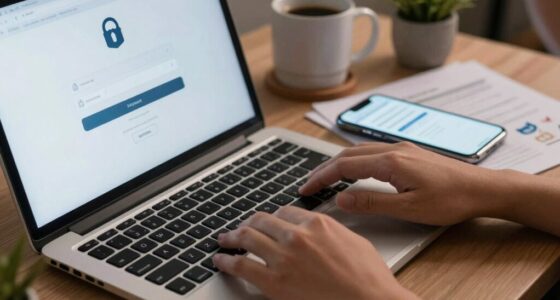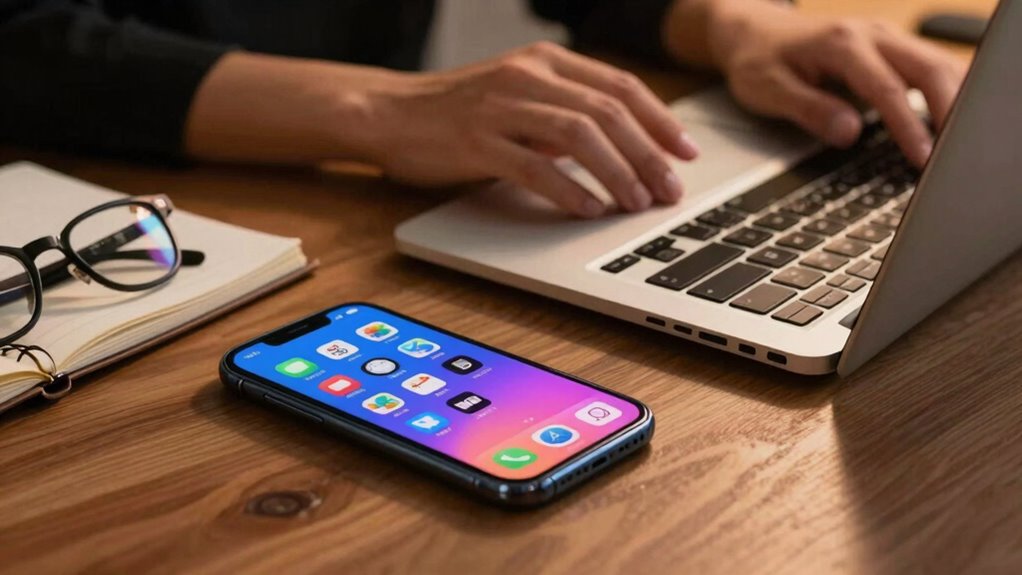
To lock down your social accounts in just 10 minutes, start by reviewing and tightening your privacy settings to control who sees your posts and personal info. Next, adjust your profile and post visibility to restrict access. Revoke any suspicious app permissions connected to your accounts and remove unnecessary or untrusted apps. Enable two-factor authentication for an extra security layer. Staying vigilant and regularly updating your security measures will keep your accounts safer over time—keep going to learn more tips for stronger protection.

Get school and study supplies delivered free — and shop member deals
- Fast, free delivery on millions of items
- Access to Prime Big Deal Days deals on October 6–7
- Prime Video, Amazon Music and more included
Key Takeaways
- Enable two-factor authentication on all social media accounts for instant added security.
- Review and adjust privacy settings to restrict who can see your posts and personal information.
- Revoke unnecessary or suspicious app permissions linked to your accounts.
- Change your passwords to complex, unique ones using a password manager.
- Regularly monitor account activity logs for any unauthorized access or unusual activity.
two-factor authentication security key
As an affiliate, we earn on qualifying purchases.
As an affiliate, we earn on qualifying purchases.
Quickly Review Your Privacy Settings on Social Media
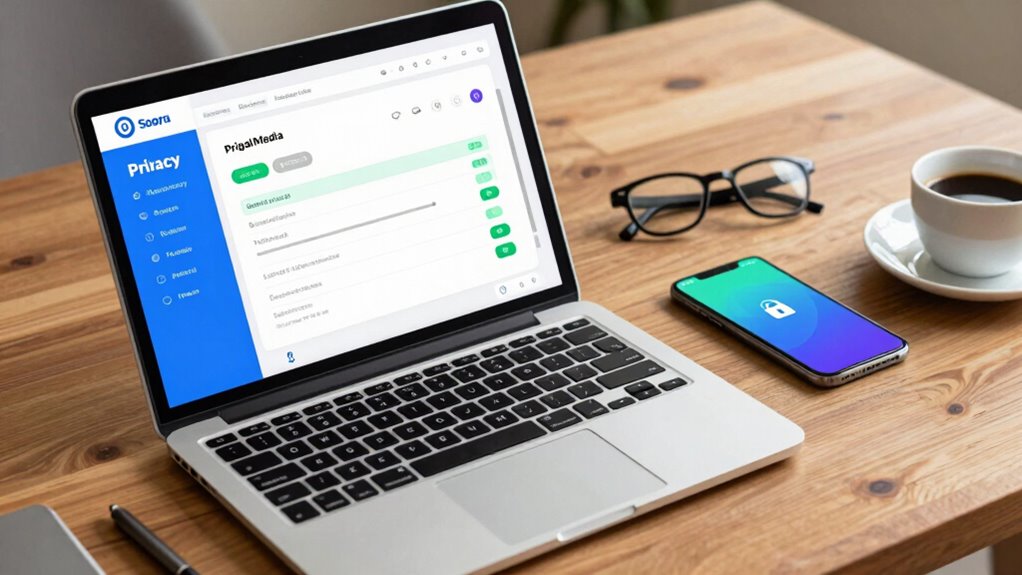
Before you immerse yourself in tightening your social media security, it’s important to review your privacy settings. This initial step helps you understand what information is visible to others and allows you to implement essential privacy tips. Start by exploring each platform’s account management options, focusing on who can see your posts, your friend or follower list, and your personal details. Adjust privacy controls to restrict access where needed, making sure you’re comfortable with who can view your content. Taking a few minutes to review these settings ensures you’re not unknowingly sharing sensitive information. Regularly checking your privacy settings helps maintain control over your online presence and prevents unwanted exposure, giving you peace of mind as you move forward with securing your social accounts. Additionally, reviewing your content sharing and visibility settings can help you prevent unauthorized access and safeguard your personal data. Being aware of your privacy controls enables you to tailor your account security to fit your comfort level and prevent potential breaches. Incorporating a cohesive security strategy can further enhance your overall account protection and reduce vulnerabilities. Moreover, understanding the role of cookies and tracking can help you manage how your information is collected and used by social media platforms. Recognizing the importance of media literacy can also empower you to identify and avoid potential online threats effectively.
social media privacy settings guide
As an affiliate, we earn on qualifying purchases.
As an affiliate, we earn on qualifying purchases.
Adjust Your Profile and Post Privacy Controls
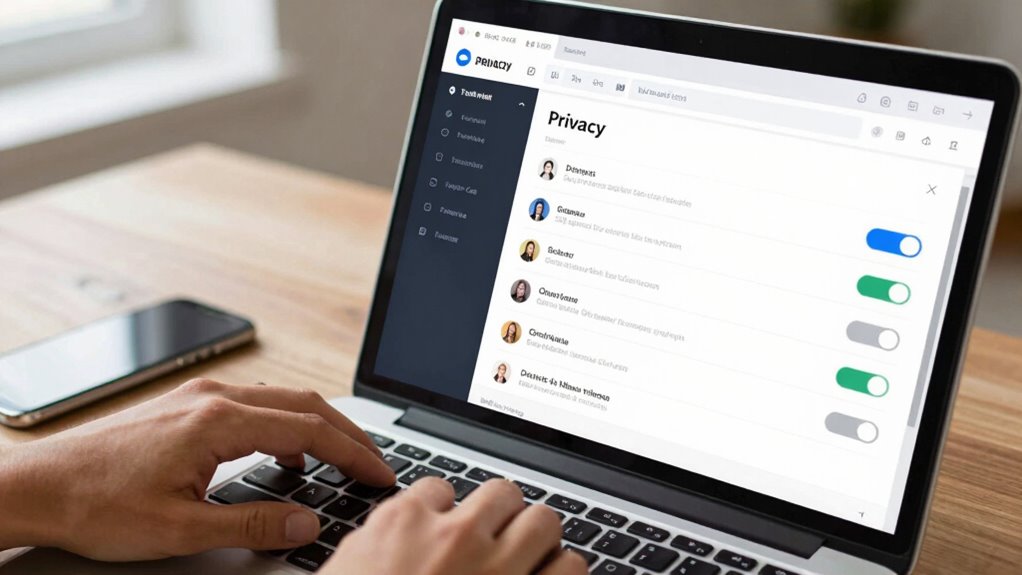
Once you’ve reviewed and adjusted your privacy settings, the next step is to fine-tune your profile and post controls. Use a privacy checklist to guarantee your profile details are visible only to trusted connections. Review who can see your profile information, such as your bio, contact info, and location, and limit access where possible. Adjust your post privacy settings to control who can see your activity—whether it’s friends, specific groups, or only you. Conduct an account auditing to identify any public or open settings that may expose personal details. Regularly updating these controls helps prevent unwanted exposure. Additionally, verify your account’s privacy settings to ensure they align with your desired level of confidentiality. Taking these steps ensures your profile and posts align with your privacy preferences, keeping your online presence secure and private. To further safeguard your accounts, consider enabling multi-factor authentication and reviewing third-party app permissions regularly. Incorporating security best practices into your routine can significantly reduce the risk of unauthorized access and protect your digital identity. Remember that privacy management is an ongoing process that requires periodic review to adapt to new threats and platform updates. Staying informed about evolving privacy policies can help you maintain control over your online presence.
password manager for social accounts
As an affiliate, we earn on qualifying purchases.
As an affiliate, we earn on qualifying purchases.
Identify and Remove Suspicious Apps and Permissions
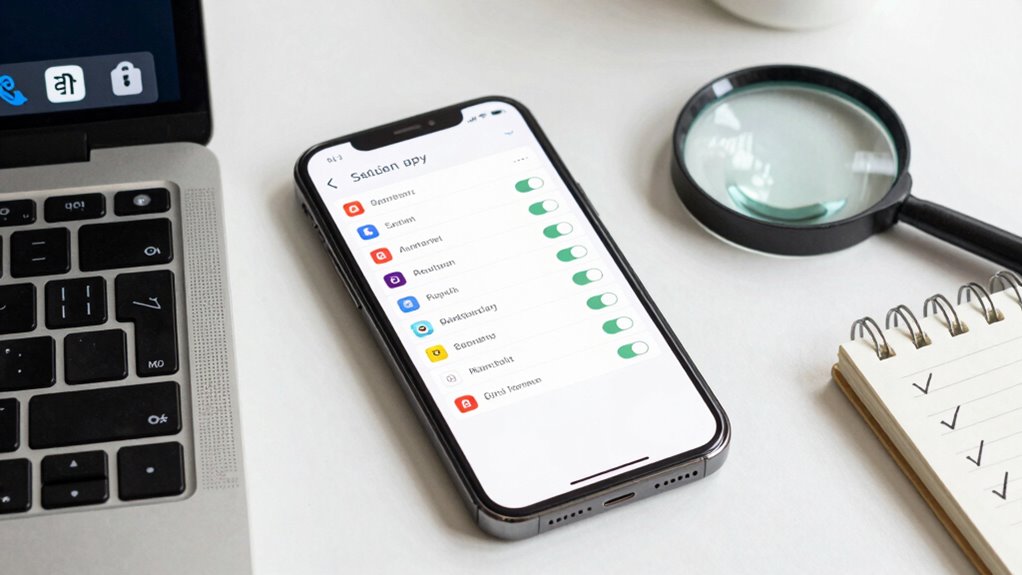
Regularly reviewing your app permissions is essential because suspicious or unnecessary apps can access your personal data without your knowledge. Start by checking the permissions granted to each app linked to your social accounts. Look for suspicious apps that request access to your contacts, camera, microphone, or location without a clear need. If you find any app permissions that seem unnecessary or suspicious, revoke or remove those apps immediately. This prevents them from collecting your data or performing actions without your consent. Keep your social accounts secure by staying vigilant about which apps have access to your information. Removing suspicious apps and limiting app permissions reduces your exposure to potential breaches and keeps your personal data safer. Making regular permission reviews a habit helps maintain your account security over time. Additionally, understanding the permissions process can help you better assess which apps truly need access to your data. Being aware of privacy policies associated with third-party apps also helps you make informed decisions about granting permissions. Staying informed about security best practices further enhances your overall account protection.
As an affiliate, we earn on qualifying purchases.
Enable Two-Factor Authentication on Your Accounts
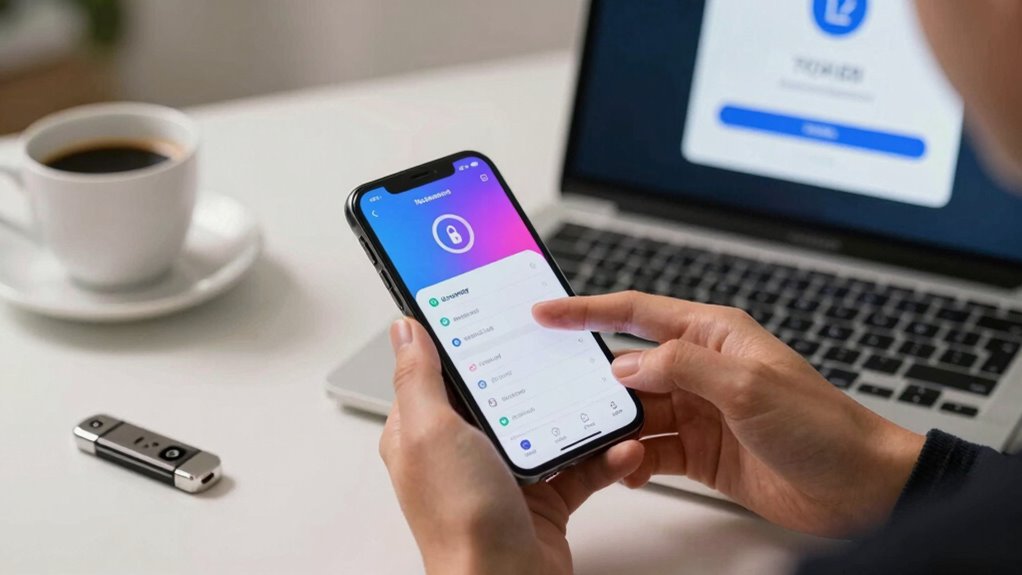
Enabling two-factor authentication (2FA) adds an extra layer of security to your social accounts by requiring a second form of verification beyond just your password. This makes it harder for hackers to gain access, even if your password is compromised. To maximize security, ensure your passwords are complex and unique, reducing the risk of brute-force attacks. When setting up 2FA, choose methods like authenticator apps or SMS codes, which are more secure than email verification. Keep in mind, enabling 2FA improves account recovery options, so if you lose access, you have an additional verification method to regain control. Overall, adding 2FA makes it considerably tougher for anyone to breach your account, helping you stay safe online. Incorporating security best practices into your account management further enhances your protection against potential threats. Additionally, being aware of thermal behavior and how it relates to different security measures can help you better understand how to maintain your online safety. Regularly reviewing your account activity and monitoring for suspicious activity can also help detect unauthorized access early. Understanding how different security layers interact can optimize your overall defense strategy and keep your online presence secure.
Keep Your Social Media Security Strong Over Time
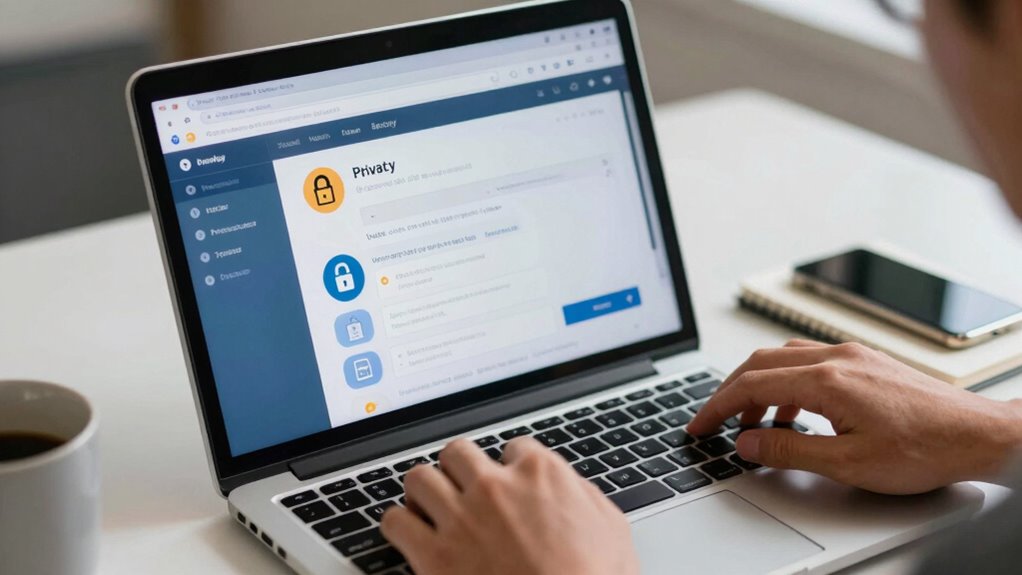
To keep your social media security strong over time, maintaining vigilance and being proactive about your account management is vital. Regularly update your passwords and use a reliable password management tool to keep track of them securely. Avoid reusing passwords across different platforms, as this can make you vulnerable to social engineering attacks. Stay alert for suspicious messages, links, or requests that attempt to manipulate you into revealing personal information. Educate yourself about common social engineering tactics so you can recognize and thwart scams early. Periodically review your privacy settings and account activity to spot any unusual behavior. Implementing security best practices such as enabling two-factor authentication adds an extra layer of protection. Additionally, staying informed about philosophical insights on authenticity can help you develop a cautious mindset when managing online identities. Regularly monitoring your online presence and understanding identity verification methods can further enhance your security measures. Being aware of security vulnerabilities that target social media platforms allows you to take preemptive steps to safeguard your accounts. Consistent monitoring and smart password management help you maintain control and prevent potential breaches, ensuring your social media presence stays safe over the long term.
Frequently Asked Questions
How Often Should I Update My Social Media Privacy Settings?
You should update your privacy settings regularly, ideally every few months or whenever you notice changes in platform policies. Keeping your account updates current helps safeguard your personal information from unwanted access. Make a habit of reviewing your privacy settings after major app updates or new feature releases. This way, you stay in control and ensure your social media accounts remain secure and private at all times.
Can I Lock Down Multiple Accounts Simultaneously?
Did you know that managing multiple accounts can reduce your online risk by up to 60%? You can lock down multiple social accounts simultaneously by using privacy settings or account management tools provided by platforms like Facebook, Twitter, and Instagram. Many apps now offer centralized options to update privacy settings across all your accounts, saving you time and ensuring consistent security. Just check each platform’s settings to lock down everything quickly.
What Are Signs My Account Has Been Hacked?
If you notice suspicious activity or receive phishing attempts, your account might be hacked. Signs include unexpected password changes, unfamiliar posts, or messages from contacts you didn’t send. You might also see login alerts from unknown devices or locations. Stay alert to these signs, act quickly to change your password, enable two-factor authentication, and review recent activity to protect your account from further threats.
Are There Third-Party Tools to Streamline Security?
Yes, there are third-party tools that can streamline your security. Security automation tools help you quickly identify vulnerabilities and set up protections across multiple accounts. Privacy management tools allow you to manage your privacy settings efficiently, saving you time. Using these tools, you can automate routine security tasks and guarantee your social accounts stay locked down without hassle, giving you peace of mind in just minutes.
How Do I Recover a Compromised Social Media Account?
If your social media account is compromised, start by using password recovery options to regain access. Check your email or phone for account verification links or codes, and change your password immediately. Review your account’s activity for suspicious posts or messages, and update your security settings. Enable two-factor authentication if available, and notify your contacts of the breach. Acting quickly helps prevent further damage and secures your account.
Conclusion
By locking down your social accounts, you’re taking control of your digital destiny—much like a fortress guarding its treasures. Remember, in the digital age, trust is fragile; a few quick steps can safeguard your privacy and peace of mind. Don’t wait for a breach to realize your vulnerability. Stay vigilant and proactive, for as the saying goes, “A chain is only as strong as its weakest link.” Protect your online life today.
Halloween Picks
halloween
As an affiliate, we earn on qualifying purchases.