

Your likelihood of getting motion sickness depends on how your brain processes conflicting signals from your inner ear, eyes, and body. If your vestibular system or sensory integration is more sensitive, you’re more prone to discomfort, especially when visual cues don’t match physical movement. Factors like anxiety, age, and genetics also play a role. Understanding why some people are less affected can help you discover effective ways to prevent or reduce symptoms—more insights await you.
Key Takeaways
- Differences in inner ear sensitivity and vestibular function influence individuals’ susceptibility to motion sickness.
- Genetic predispositions and inherited traits affect how the brain processes conflicting sensory signals.
- Psychological factors like anxiety and negative expectations can heighten motion sickness risk.
- Variations in sensory processing and adaptation speed impact how well someone tolerates motion.
- Environmental factors, such as visual stability and air circulation, also determine susceptibility.
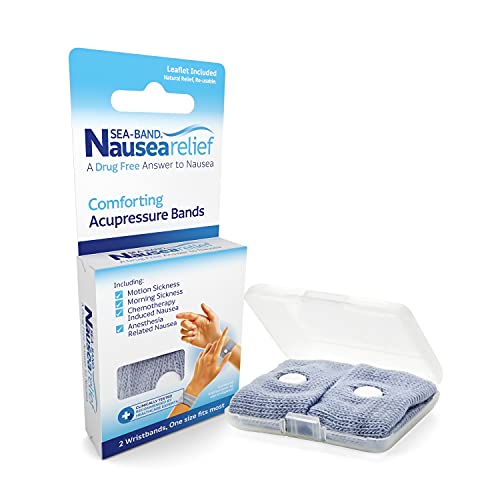
Sea-Band Anti-Nausea Acupressure Wristband for Motion & Morning Sickness, 1 Pair, Gray
Sea-Band: Sea-Band, motion sickness wristbands, help relieve nausea from morning sickness, chemotherapy, surgery, car sickness, etc; Sea-Band anti-nausea…
As an affiliate, we earn on qualifying purchases.
As an affiliate, we earn on qualifying purchases.
What Causes Motion Sickness? The Science Explained

Motion sickness occurs when your brain receives conflicting signals about movement from your inner ear, eyes, and other parts of your body. This mismatch disrupts your sensory adaptation, making your brain struggle to interpret what’s happening. Your vestibular system, which helps control balance and spatial orientation, plays a vital role here. When it detects motion that doesn’t match visual cues, it sends signals that conflict with what your eyes see. If your sensory adaptation doesn’t quickly adjust to these differences, you experience symptoms like nausea and dizziness. Your brain tries to reconcile the conflicting information, but if it can’t do so efficiently, motion sickness occurs. This process highlights how essential vestibular function and sensory adaptation are in maintaining your sense of equilibrium during movement. Additionally, individual differences in motion sensitivity can influence how strongly someone experiences these symptoms. Variations in sensory integration may also affect the severity of motion sickness, depending on how well your brain processes multiple sensory inputs simultaneously. Factors such as sensory processing speed can further determine your susceptibility to these symptoms. Research indicates that reconditioning batteries and optimizing sensory input can help in reducing motion-related discomforts for some individuals. Understanding these underlying mechanisms can inform strategies to improve sensory adaptation and reduce susceptibility to motion sickness.

Tumble Forms2 Deluxe Vestibulator II System, Roll Swing, Accessory for Sensory Integration Therapy Equipment, Enhance Spatial Awareness, Balance & Movement, Aid for Special Needs Children & Patients
Roll swing accessory is designed to teach accute balance and body control for young children and adults, for…
As an affiliate, we earn on qualifying purchases.
As an affiliate, we earn on qualifying purchases.
How Your Inner Ear and Balance System Contribute to Nausea
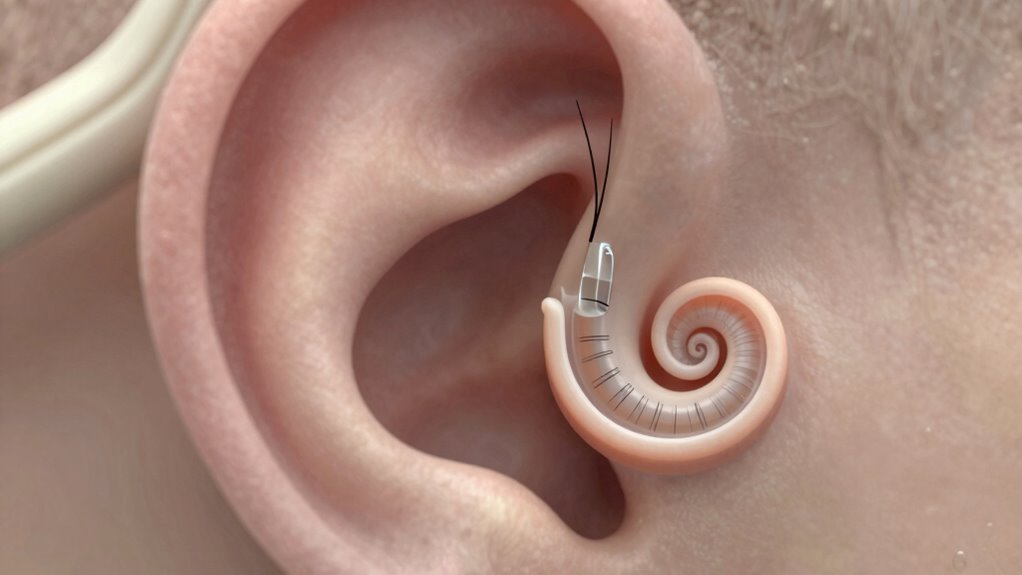
Your inner ear plays a crucial role in maintaining your balance and spatial awareness, especially during movement. The inner ear contains the vestibular system, which is fundamental for detecting changes in head position and motion. This system sends signals to your brain about your body’s orientation, helping you stay steady and coordinated. When your balance system functions smoothly, you hardly notice movement. However, if there’s a mismatch between what your eyes see and what your inner ear detects—like on a bumpy ride or boat—your brain receives conflicting information. This confusion triggers nausea and dizziness as your body tries to reconcile these signals. Basically, your inner ear and balance system are key players in your body’s response to motion, directly influencing whether you feel sick or fine during movement. Understanding these processes can help you find ways to reduce motion sickness and improve your comfort during travel. Additionally, individual differences in vestibular sensitivity can determine how strongly someone experiences these symptoms.

Rugby Meclizine Chewable Tablets 25mg – Anti-Nausea Medicine Helps with Motion Sickness – 100 Count (1 Pack)
MOTION SICKNESS MEDICATION: Don't let motion sickness ruin your trip. Use Rugby Laboratories Travel Sickness Tablets to help…
As an affiliate, we earn on qualifying purchases.
As an affiliate, we earn on qualifying purchases.
Do Genetics Make You More or Less Prone to Motion Sickness?

Genetics can influence how susceptible you are to motion sickness, meaning some people are naturally more prone than others. Your genetic predisposition affects how your brain processes conflicting signals from your inner ear, eyes, and body. Inherited traits play a role in determining how sensitive your balance and sensory integration are, which can make you more or less vulnerable to nausea during travel. For example, if your family has a history of motion sickness, you’re more likely to experience it yourself. These genetic factors help explain why some individuals get sick quickly, while others tolerate motion better. Research shows that personality traits can influence how individuals perceive and respond to sensory conflicts, impacting their susceptibility. Additionally, variations in your sensory processing can determine how effectively your brain manages conflicting signals, affecting your likelihood of experiencing motion sickness. Understanding your inherited traits can help you take targeted precautions, like choosing specific seating or using remedies, to minimize discomfort during travel. Moreover, inner ear function plays a crucial role in your susceptibility, as differences here can either amplify or diminish your sensitivity to motion. Recent studies also suggest that genetic markers associated with sensory sensitivity can further predict an individual’s risk of motion sickness.

Wilbarger Method Therapy Sensory Brush Occupational & Therapressure Brush for Calming, Stimulating, and Sensory Brushing – Use as Part of The Wilbarger Brushing Protocol, Colored, 6 Count (Pack of 1)
THERAPRESSURE SENSORY BRUSH – This Therapressure brush is designed to deliver a deep pressure massage to help improve…
As an affiliate, we earn on qualifying purchases.
As an affiliate, we earn on qualifying purchases.
How Do Visual Cues Trigger Motion Sickness During Travel?

When your eyes see motion that doesn’t match what your inner ear feels, it creates a visual-vestibular mismatch that can make you feel sick. If your surroundings look like they’re moving but your body isn’t, or vice versa, your brain gets confused. This confusion between perception and reality is a common trigger for motion sickness during travel. Interestingly, energy-efficient cloud servers are designed to process vast amounts of data quickly, reducing latency and improving system stability, which can help minimize sensory conflicts in virtual environments. Proper piercing care and hygiene can also play a role in preventing infections that might exacerbate discomfort during travel. Additionally, using filtering and pump protection from paint sprayers as a metaphor, maintaining clear sensory input is essential for preventing sensory overload and motion sickness. Ensuring your environment is free of potential irritants can also help reduce the likelihood of experiencing discomfort related to sensory conflicts during travel. Moreover, understanding sensory integration and how the brain processes different signals can help develop strategies to prevent motion sickness.
Visual-Vestibular Mismatch
The sensation of motion sickness often arises when your visual cues conflict with your inner ear’s balance signals. This mismatch causes a sensory conflict, confusing your brain about your actual motion. Your vestibular system, which detects acceleration and position changes, tries to adapt through vestibular adaptation, but if your eyes see a stable environment while your inner ear senses movement, the conflict intensifies. This disconnect undermines your brain’s ability to accurately interpret motion, leading to nausea and discomfort. The more your visual information contradicts vestibular signals, the greater the likelihood of motion sickness. Understanding this visual-vestibular mismatch helps explain why some people are more susceptible, especially during travel when visual cues and physical sensations often don’t align smoothly.
Moving Environment Confusion
During travel, your visual environment can quickly become confusing, triggering motion sickness even if you’re not moving much. When your surroundings shift or appear unstable, your brain struggles with sensory adaptation, which normally helps your eyes and inner ear coordinate to interpret motion correctly. If your visual cues don’t match your body’s sense of motion, your brain perceives a disconnect, disrupting natural motion perception. This mismatch causes confusion, making it harder for your system to determine whether you’re actually moving or stationary. As a result, your body reacts with symptoms of motion sickness. Visual cues like blurred scenery, shifting landscapes, or inconsistent motion signals can intensify this confusion, overwhelming your sensory processing and increasing the likelihood of feeling unwell during travel.
Perception vs. Reality
Visual cues play a pivotal role in how your brain interprets motion, often leading to a mismatch between what you see and what your body feels. These perception gaps can cause reality distortion, confusing your brain about whether you’re actually moving. When your eyes detect movement, but your inner ear doesn’t sense corresponding motion, your brain struggles to reconcile the signals. This mismatch creates a perception of motion that isn’t aligned with physical reality, triggering nausea and discomfort. Your brain’s attempt to interpret conflicting cues can intensify motion sickness symptoms. Understanding how visual cues influence perception helps explain why some people are more susceptible to motion sickness during travel, especially when visual information suggests movement that isn’t physically occurring.
How Do Psychological Factors and Anxiety Affect Motion Sickness?

Psychological factors and anxiety can considerably heighten the likelihood of experiencing motion sickness. Your psychological impact plays a significant role because negative thoughts or expectations can amplify physical symptoms. When you’re anxious, your body enters a heightened state of alertness, which influences how your brain processes sensory signals. This anxiety influence can lead to a vicious cycle, where worry about feeling sick increases the likelihood of nausea and dizziness. If you anticipate motion sickness or feel stressed during travel, your mind may trigger physical responses that make symptoms worse. Recognizing this connection can help you manage your mental state and reduce anxiety, ultimately decreasing the risk of motion sickness. Staying calm and positive can markedly improve your comfort during travel. Additionally, understanding the role of support systems can provide emotional reassurance and help alleviate feelings of anxiety. Developing coping strategies tailored to your needs can further empower you to handle stressful travel situations more effectively. Being aware of psychological triggers can help you identify and address specific mental patterns that may worsen your symptoms.
Does Age or Body Sensitivity Change Your Risk of Motion Sickness?

Your age and body sensitivity can substantially influence your likelihood of experiencing motion sickness. Age influence plays a role because children and teenagers are often more prone to motion sickness, while many adults become less sensitive over time. Conversely, older adults may experience increased susceptibility due to declining inner ear function or sensory changes. Body sensitivity also matters; individuals with heightened sensory responses or delicate vestibular systems are more likely to feel sick during motion. Your body’s ability to process conflicting signals between your eyes, inner ear, and muscles impacts your risk. While some people naturally have a more sensitive body, others can develop greater resilience with experience or adaptation. Additionally, understanding sensory processing techniques can help individuals better manage environmental factors that contribute to sensory overload and discomfort during long observing sessions. Engaging in desensitization exercises may also improve your tolerance to motion stimuli over time. Recognizing individual differences in sensory response can aid in tailoring strategies to prevent or lessen motion sickness. Moreover, body sensitivity can be influenced by genetic factors that determine how your sensory systems respond to stimuli. Overall, both age influence and body sensitivity help determine how prone you are to motion sickness.
Who Is Less Prone to Motion Sickness: and Why?

People with lower body sensitivity or more stable inner ear function tend to be less prone to motion sickness. These individuals often have better travel adaptation, allowing them to tolerate motion without discomfort. It’s a common motion sickness myth that everyone can adapt equally; in reality, some bodies are naturally more resilient. You might picture someone calmly reading on a bumpy bus, or a person who easily adjusts to new environments. Think of someone confidently steering through turbulent flights or smoothly riding roller coasters. These less prone individuals often have:
People with stable inner ears and less sensitivity are naturally more resilient to motion sickness.
- Stronger inner ear balance systems
- Less sensitivity to visual-vestibular conflicts
- Better neurological coordination
- More experience with motion
Their resilience isn’t luck; it’s a combination of biology and experience that helps them avoid the discomfort others face. Moreover, inner ear function plays a crucial role in how well a person can withstand motion stimuli without feeling sick.
Can You Prevent or Reduce Motion Sickness? Tips That Might Help

You can often reduce motion sickness by choosing a stable seat where movement feels less intense. Focusing on the horizon helps your brain process motion more accurately, easing symptoms. Keeping fresh air flowing around you can also make a big difference in how you feel during travel.
Choose Stable Seating Positions
Choosing a stable seating position can substantially reduce the likelihood of experiencing motion sickness. When you select your seat wisely, you improve seating stability and minimize unnecessary movements. Opt for seats near the center of a vehicle, where motion is less pronounced. Sit upright and adjust your posture to stay alert and balanced. This helps your body better interpret motion signals. Consider these options:
- Sitting in the front of a car or bus
- Choosing a seat with less sway, like the middle of a boat
- Using supportive cushions to enhance stability
- Maintaining an upright posture with your back straight
Focus on the Horizon
Focusing on the horizon can help your brain better interpret motion signals and reduce feelings of nausea. By maintaining a steady visual focus on distant objects, such as the horizon, you minimize conflicting signals between your eyes and inner ear. This simple trick can be especially effective during travel, as it gives your brain a clear reference point. Additionally, shifting your mental distraction away from sensations of discomfort helps reduce anxiety and nausea. Instead of fixating on symptoms or the motion itself, try to keep your eyes on a stable point outside the vehicle. This steady visual focus not only calms your mind but also helps synchronize your sensory inputs, making motion less overwhelming. With practice, this technique can considerably lessen your chances of feeling sick.
Maintain Fresh Air Flow
Ensuring a steady flow of fresh air can considerably reduce the likelihood of motion sickness. Good air quality and proper air circulation help keep your senses balanced and minimize nausea. If you’re on a boat or in a car, open a window or turn on the vent to encourage airflow. This fresh air can clear stale air and reduce the buildup of odors that might worsen symptoms. Imagine feeling the cool breeze brushing against your face, or hearing the hum of the ventilation system. You might notice:
- A gentle breeze flowing through an open window
- Air vents distributing fresh air evenly
- The scent of clean, crisp air filling the cabin
- Air circulating to prevent stuffiness and odors
Maintaining good air circulation helps keep your environment comfortable and lessens the chances of motion sickness taking hold.
Frequently Asked Questions
Can Certain Medications Prevent Motion Sickness Effectively?
Certain medications can effectively prevent motion sickness by targeting symptoms like nausea and dizziness. You should consider over-the-counter options like dimenhydrinate or meclizine, which are known for their medication effectiveness. To maximize prevention, combine medication with other strategies like focusing on the horizon or staying in well-ventilated areas. Always consult a healthcare provider before using medications for motion sickness, especially if you have underlying health conditions.
Does Hydration Influence Susceptibility to Motion Sickness?
Hydration levels markedly influence your susceptibility to motion sickness. Staying well-hydrated helps maintain electrolyte balance, which is essential for normal nerve and muscle function. Research shows that dehydration can increase the likelihood of experiencing motion sickness symptoms. You should drink water before and during travel, especially if you’re prone to motion sickness. Proper hydration supports your inner ear and brain communication, potentially reducing discomfort and making travel more comfortable.
Are There Specific Dietary Factors That Impact Motion Sickness?
Certain dietary triggers and food sensitivities can influence your likelihood of experiencing motion sickness. Spicy, greasy, or heavy foods may upset your stomach and worsen symptoms. If you have food sensitivities, consuming problematic foods might make you more prone to nausea during motion. To minimize your chances, stick to bland, easy-to-digest foods before travel, and avoid triggers that upset your digestive system.
How Does Sleep Quality Affect Motion Sickness Symptoms?
Poor sleep quality and inadequate sleep duration can heighten motion sickness symptoms. When your dream quality is poor, you may feel more fatigued and less able to cope with motion stress. Lack of restorative sleep weakens your body’s resilience, making you more prone to nausea, dizziness, and discomfort during travel. Prioritizing good sleep helps stabilize your sensory systems, reducing the severity of motion sickness symptoms.
Can Physical Fitness Levels Alter One’s Likelihood of Getting Motion Sick?
Your fitness impact can considerably influence your likelihood of getting motion sick. When you’re physically fit, your physical resilience improves, helping your body adapt more effectively to motion changes. This increased resilience reduces the chances of experiencing symptoms like nausea or dizziness. Regular exercise strengthens your inner ear, core, and overall stability, making you less prone to motion sickness. So, staying active can be a helpful strategy to combat these symptoms.
Conclusion
Understanding why some people get motion sick while others don’t is like decoding a complex puzzle. Your inner ear, genetics, and even your mindset play a role, shaping your susceptibility. While you can’t control every factor, being mindful of visual cues and psychological triggers can help. Think of it as steering a boat through choppy waters—you can’t always avoid the waves, but you can learn to navigate them more smoothly.