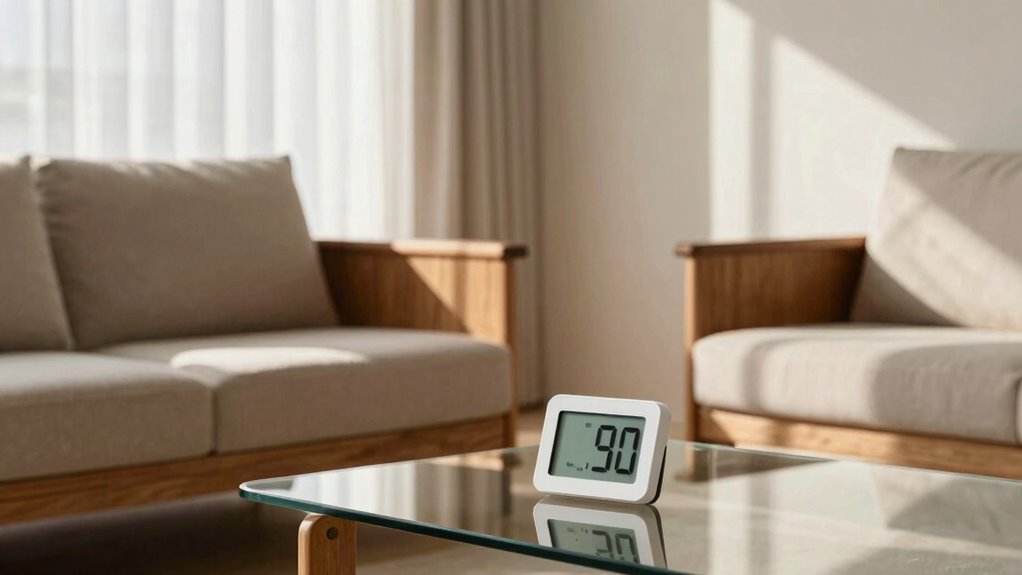
To find the humidity sweet spot for your home, aim for a level between 40% and 60%. This range keeps your skin comfortable, prevents dryness or irritation, and reduces mold growth that can cause health issues. Maintaining proper humidity also improves air quality and protects your property. Monitoring with a hygrometer helps, and adjusting with humidifiers or dehumidifiers guarantees you stay within this ideal range. Knowing these tips can help you create a healthier and more comfortable living space.

Prime made for students and young adults
- Fast, free delivery for dorm and study essentials
- Prime Video and Amazon Music included
- Member-only deals
Key Takeaways
- The ideal indoor humidity range for most homes is between 40% and 60%.
- Maintaining this range ensures skin comfort, prevents dryness, and minimizes irritation.
- It reduces mold growth and airborne allergens, improving overall air quality.
- Use hygrometers and humidifiers or dehumidifiers to keep humidity within this range.
- Proper regulation in zones like basements, bathrooms, and kitchens is essential for health and property protection.
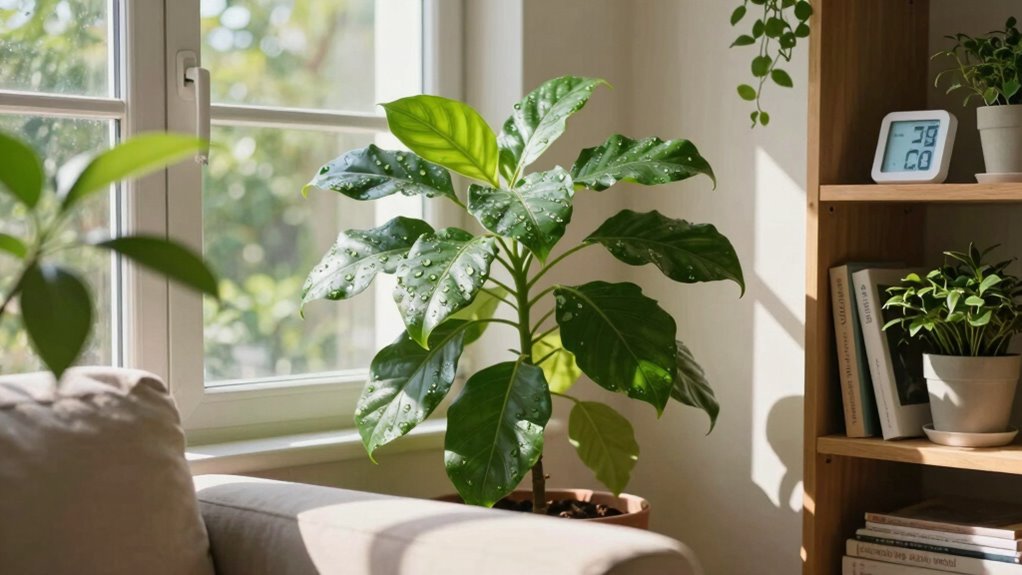
Have you ever wondered why some days your skin feels just right, while others leave you feeling dry or sticky? The answer often lies in the humidity levels inside your home. Maintaining an ideal humidity range is essential for comfort and health. When humidity is too low, your skin can become dry, itchy, and irritated. When it’s too high, you might notice a sticky feeling, and even more concerning, increased risks to your home’s air quality and mold prevention efforts. Striking the right balance means you’re not only feeling better but also protecting your environment.
Most experts recommend keeping indoor humidity between 40% and 60%. Within this range, your skin remains comfortably moisturized, and you reduce the chances of mold growth, which thrives in damp environments. Mold can compromise your home’s air quality, leading to allergic reactions or respiratory issues, especially if left unchecked. By controlling humidity, you create an environment that’s less inviting to mold spores and other airborne allergens. This balance helps ensure the air you breathe is cleaner and healthier, reducing the likelihood of mold-related health problems.
Maintaining indoor humidity between 40% and 60% reduces mold and improves air quality.
Achieving this humidity sweet spot requires a bit of effort but pays off considerably. Using a hygrometer—a simple device that measures humidity—can help you keep tabs on your indoor moisture levels. If your home’s humidity dips below 40%, consider using a humidifier to add moisture to the air. Conversely, if it climbs above 60%, a dehumidifier or increased ventilation can help remove excess moisture. Proper ventilation, such as opening windows or using exhaust fans, also helps maintain air quality by reducing humidity and dispersing airborne pollutants. Effective humidity control can prevent many indoor air quality issues before they arise.
Another key point is that controlling humidity is especially critical in areas prone to mold growth, like basements, bathrooms, or kitchens. These spaces tend to trap moisture, making them hotspots for mold if not properly ventilated. Regularly inspecting these areas for signs of mold and moisture buildup helps prevent bigger problems later. Not only does this improve your home’s air quality, but it also protects your health and the durability of your property.
Ultimately, finding your home’s humidity sweet spot means you’re actively managing comfort, air quality, and mold prevention. It’s a simple yet powerful way to create a healthier living space. By staying vigilant with humidity levels, you’ll notice your skin feels better, your environment stays fresher, and you’re less likely to deal with mold-related issues. It’s all about maintaining that ideal range—just enough moisture to keep things comfortable without tipping into dampness.
As an affiliate, we earn on qualifying purchases.
Frequently Asked Questions
How Does Humidity Affect Indoor Air Quality?
Higher humidity can improve indoor air quality by preventing dry skin and respiratory issues, while low humidity can cause irritation. Using a humidifier benefits you by maintaining ideal moisture levels, reducing airborne dust, and preventing mold growth. Proper humidity helps keep your home comfortable and healthy, making it easier to breathe and reducing allergy symptoms. By controlling humidity, you create a healthier environment and prevent mold, which thrives in overly damp conditions.
What Are Signs of Too High or Low Humidity?
Your home might be trying to tell you something if you notice excessive mold growth or a musty smell—that’s a sign humidity is too high. Conversely, if you experience dry skin, cracked wood, or dust mites multiplying rapidly, humidity could be too low. These fluctuations can make your home an uncomfortable, unhealthy zone. Keep an eye out for these signs, and maintain balanced humidity to protect your space.
How Often Should I Check and Adjust Humidity Levels?
You should check your humidity levels at least once a week to ensure comfort and prevent issues. Regular humidifier maintenance and proper dehumidifier placement help maintain ideal levels. Adjust your devices as needed—adding water to humidifiers or relocating dehumidifiers—to keep humidity between 30-50%. Consistently monitoring and fine-tuning your system creates a healthier, more comfortable environment in your home.
Do Different Rooms Require Different Humidity Settings?
Think of your home like a symphony, where each room has its own tune. Different rooms do require different humidity settings, especially considering HVAC compatibility and seasonal variations. For example, bedrooms may need slightly higher humidity for comfort, while kitchens and bathrooms might be more humid naturally. Adjust settings accordingly, ensuring each space remains comfortable and safe, despite the changing seasons and HVAC system capabilities.
Can Maintaining Optimal Humidity Reduce Allergy Symptoms?
Maintaining ideal humidity can greatly reduce allergy symptoms by controlling mold growth and dust mites. When you keep humidity within the recommended range, you enhance air purifier benefits, as they work more effectively to filter allergens. Proper humidity levels prevent mold, a common allergen, from thriving. This creates a cleaner, healthier environment, helping you breathe easier and reducing allergy flare-ups caused by airborne irritants.
humidifier for indoor moisture control
As an affiliate, we earn on qualifying purchases.
As an affiliate, we earn on qualifying purchases.
Conclusion
Maintaining the right humidity level isn’t just about comfort—it’s about protecting your home and health. Imagine a family in a humid climate who keeps their indoor humidity between 40-50%. They notice fewer allergy symptoms and mold issues over time. By aiming for this sweet spot, you can enjoy a healthier, more comfortable space. Don’t let humidity swing wildly—find your balance and breathe easy every day.
As an affiliate, we earn on qualifying purchases.
air quality monitor with humidity sensor
As an affiliate, we earn on qualifying purchases.
As an affiliate, we earn on qualifying purchases.
Fall Picks
fall essentials
As an affiliate, we earn on qualifying purchases.