Support in supportive pillows means how well the pillow keeps your head and neck aligned for comfort and spinal health. It involves choosing the right firmness, materials like memory foam or latex, and support styles tailored to your sleep position. The goal is to maintain natural posture, reduce pressure points, and improve sleep quality. Want to know how to find the perfect support for you? Keep exploring to get all the details.
Key Takeaways
- “Support” in pillows refers to maintaining proper head and neck alignment, reducing pressure points, and supporting the natural curve of the spine.
- Effective support prevents head sinking and tilting, promoting a neutral sleep posture that minimizes discomfort and strain.
- Support varies based on sleep position, with firmer, higher pillows for side sleepers and softer, thinner pillows for stomach sleepers.
- The material, such as memory foam or latex, influences support by contouring to the head and neck or providing resilient, long-lasting support.
- Proper support enhances sleep quality by maintaining spinal health, reducing neck pain, and promoting overall comfort during rest.
What Does ‘Support’ Mean in Supportive Pillows?
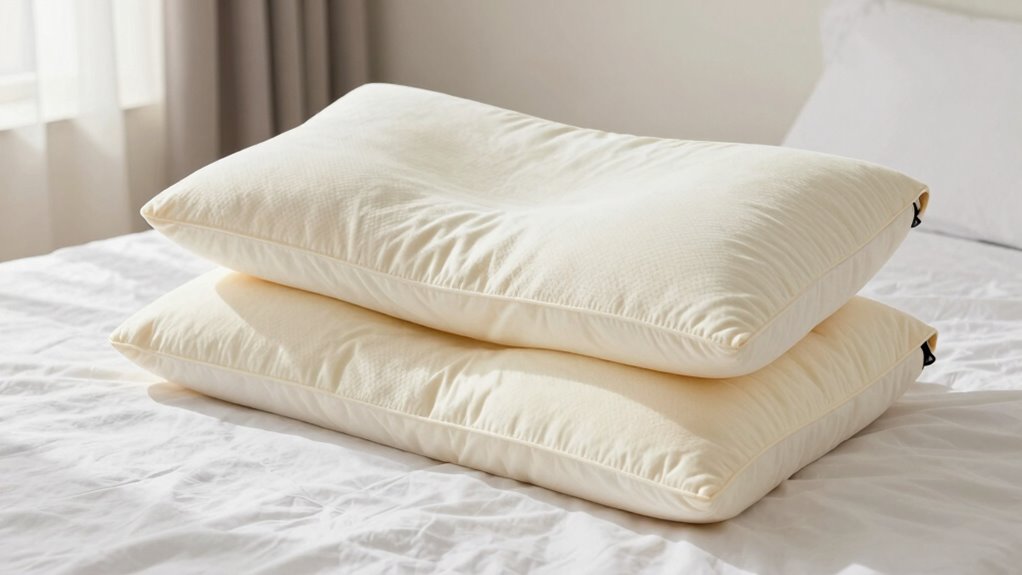
What does “support” really mean in supportive pillows? It’s about more than just softness; it’s about proper pillow ergonomics that align your head and neck comfortably. Support involves maintaining the natural curve of your spine, reducing pressure points, and promoting restful sleep. Support technology, such as memory foam or specialized fill materials, works to adapt to your body’s shape, providing consistent comfort. When a pillow offers good support, it prevents your head from sinking too deep or tilting unnaturally, which can cause discomfort or pain. Essentially, support is about ensuring your neck and head are properly aligned, so you wake up refreshed. Recognizing ergonomic design in pillows helps you select options that truly support spinal health and overall comfort throughout the night. Understanding how supportive materials respond to your body can help you choose a pillow that maintains proper alignment and promotes better sleep quality. Additionally, body-specific needs play a significant role in determining the most suitable support level for individual sleep preferences. Incorporating proper spinal alignment can further enhance overall sleep posture, reducing discomfort and promoting long-term health benefits. Being aware of adjustable features allows you to customize your pillow for optimal support and comfort.
How Do Different Materials Affect Pillow Support?
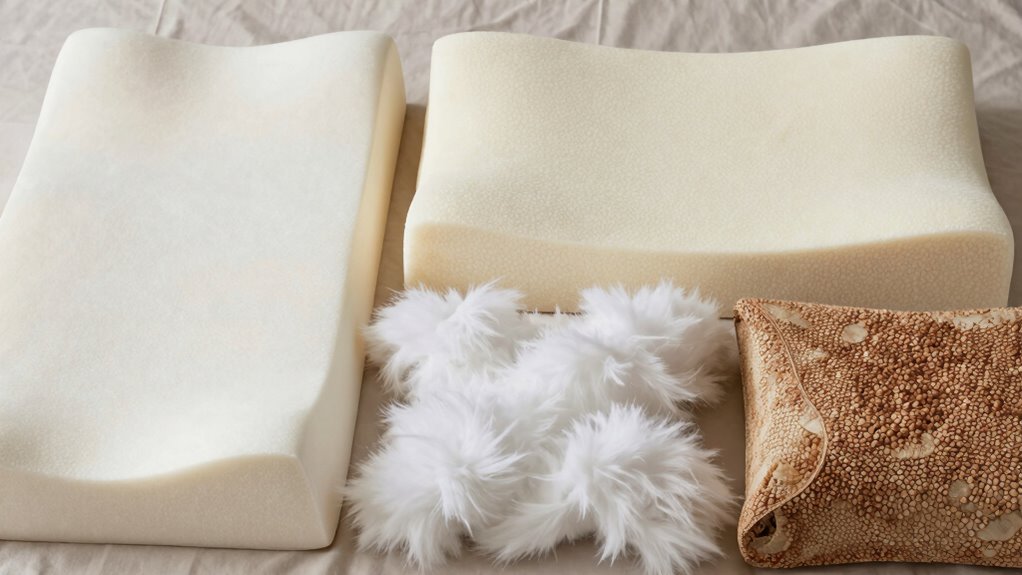
Different pillow materials directly influence how well your pillow provides support, as each type responds differently to your body’s shape and pressure. Memory foam molds to your contours, offering customized support that can relieve pressure points, but it may retain heat. Latex, known for its durability, offers resilient support that bounces back quickly, maintaining its shape over time. Its natural elasticity provides consistent support without sagging, making it ideal for those seeking long-lasting firmness. Additionally, the material’s resilience determines how well the pillow maintains support as you move during sleep, impacting overall support. If you prefer a softer feel, certain memory foams or latex blends can be customized. Understanding these material differences helps you select a pillow that maintains proper alignment and offers the support you need throughout the night, especially when considering factors like supportive properties and durability.
Support Styles: Firm, Soft, and Adjustable Pillows
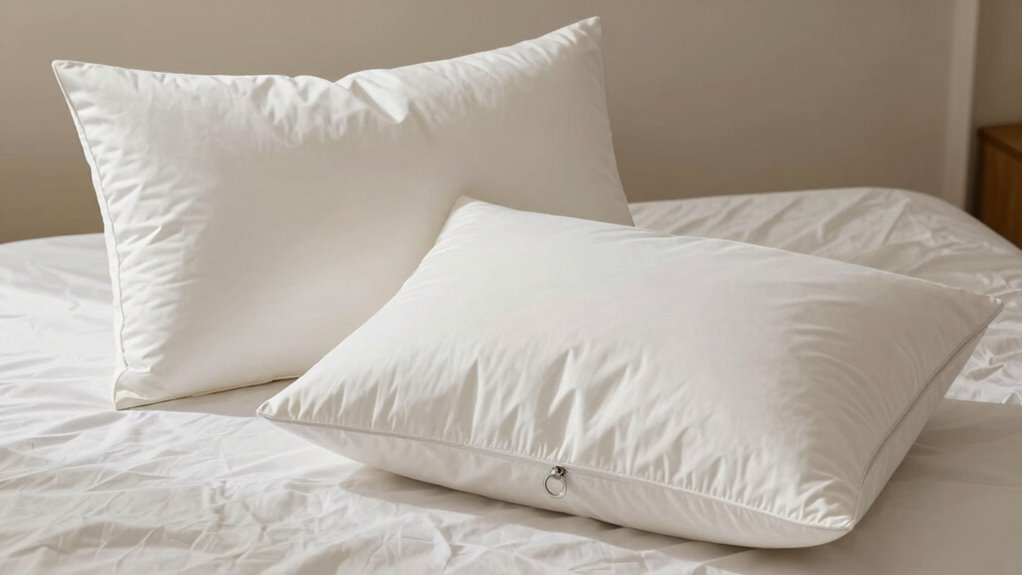
Choosing the right support style depends on your comfort preferences, whether you like a firm, soft, or adjustable pillow. Proper support can help maintain healthy posture and reduce discomfort during sleep. Adjustable options let you customize the firmness to suit your needs, offering added flexibility. Additionally, understanding the different support styles can help you make an informed decision tailored to your sleeping habits. Ultimately, your personal preference plays a key role in finding the pillow that helps you sleep best. Selecting a pillow with appropriate support materials can also influence comfort and durability over time.
Comfort Levels Vary
Since comfort preferences vary widely, selecting the right support style is essential for a good night’s sleep. Everyone’s ideal level of support differs, and that influences how a pillow feels and looks. Whether you prefer a firm pillow for neck support or a soft one for plush comfort, understanding these differences helps you find the best match. Additionally, considering natural ingredients in sleep accessories can enhance overall wellness and comfort. Incorporating natural materials can also contribute to better breathability and durability in your pillows. Using supportive pillows that match your individual needs can help prevent discomfort and promote proper spinal alignment. It’s also beneficial to explore the Gold IRA markets to find reliable investment options that match your financial goals, much like choosing the right pillow for comfort. The choice of aroma diffusers or calming essential oils can further support relaxation and improve sleep quality. Keep in mind that comfort isn’t just about function—it also affects pillow aesthetics and decorative designs in your bedroom. You might choose a pillow that complements your bedding or adds a pop of color.
Adjustability Benefits Offered
Adjustable pillows offer a versatile solution for those who want personalized support without the guesswork. The adjustability benefits mean you can modify the pillow’s height, firmness, or fill to suit your specific needs. This customization allows you to find just the right level of support for your sleep position and comfort preferences. Whether you prefer a softer feel or more firm support, adjustable pillows can adapt easily. This flexibility helps prevent discomfort and promotes better sleep quality. By offering customizable support, these pillows eliminate the trial-and-error often associated with traditional options. Additionally, the ability to fine-tune support levels makes these pillows suitable for a wide range of sleepers and health needs. This adaptability can also influence brainwave patterns and overall relaxation, contributing to a more restful sleep environment. The versatility of adjustable pillows is especially beneficial for those with specific health conditions, as they can be tailored to meet unique comfort requirements. You get to customize your pillow to match your body’s needs, making it easier to achieve a restful, supportive sleep environment every night.
Personal Preference Matters
Your personal sleep preferences play a crucial role in selecting the right pillow style. Everyone’s comfort needs differ, so choosing a pillow that aligns with your individual preferences guarantees better rest.
Whether you prefer a firm pillow for support, a soft one for plush comfort, or an adjustable option to customize your experience, personal preference matters.
Consider these points:
- Firm pillows provide solid support, ideal for back or stomach sleepers.
- Soft pillows offer a gentle, cushioned feel, perfect for side sleepers.
- Adjustable pillows allow you to modify height and firmness for your unique comfort.
- The type of support estheticians rely on magnifying lamps to ensure precision in skincare routines.
Ultimately, prioritizing what feels right for you helps improve sleep quality and reduces discomfort, making personal preference a key factor in selecting your ideal support style.
Which Pillow Support Is Best for Your Sleep Position?

Choosing the right pillow depends on your sleep position to keep your spine aligned and comfortable. Side sleepers need a firmer, thicker pillow for proper shoulder support, which can help prevent shoulder and neck pain. While back sleepers should opt for a medium height to support the neck and maintain proper spinal curvature. If you sleep on your stomach, a softer, flatter pillow helps prevent strain and keeps your head in a natural position. Additionally, selecting a pillow with the appropriate support level can improve sleep quality and spinal health. Understanding ergonomic support can further enhance your overall sleep experience. Incorporating effective email marketing strategies, such as segmentation and personalization, can also help you find the best pillow options for your specific needs.
Side Sleep Alignment
When you sleep on your side, proper pillow support is essential to maintain spinal alignment and reduce strain on your neck and shoulders. A supportive pillow keeps your head and neck aligned with your spine, preventing discomfort and stiffness. To achieve this, choose a pillow that’s firm enough to fill the space between your shoulder and head. Look for options that promote neck alignment and shoulder relief, ensuring your neck isn’t bent unnaturally. Consider these tips: – Use a pillow with enough loft to fill the gap between your shoulder and head – Opt for a contoured or ergonomic pillow for better neck support – Make sure the pillow is supportive but not too firm, to prevent pressure points. Additionally, selecting the right pillow involves understanding pillow support and how it influences your sleep quality. This balance helps keep your spine in a healthy, neutral position.
Back and Stomach Support
For back and stomach sleepers, selecting the right pillow support can make a significant difference in comfort and spinal health. A supportive pillow that maintains proper neck alignment prevents strain and reduces discomfort. Proper support also involves choosing the right pillow height and firmness to match your sleep position and body needs. Pillow ergonomics play a crucial role in ensuring your neck stays aligned with your spine throughout the night. For stomach sleepers, a softer, thinner pillow helps keep the neck in a neutral position, minimizing strain on the neck and spine. Back sleepers benefit from a medium-firm pillow that supports the natural curve of the neck, promoting spinal health. Avoid overly firm or thick pillows, which can push the head out of alignment. Instead, choose a pillow tailored to your sleep position to ensure your neck stays aligned with your spine throughout the night. Proper support not only improves comfort but also safeguards your spinal health long-term.
How Pillow Support Impacts Your Sleep Posture and Comfort
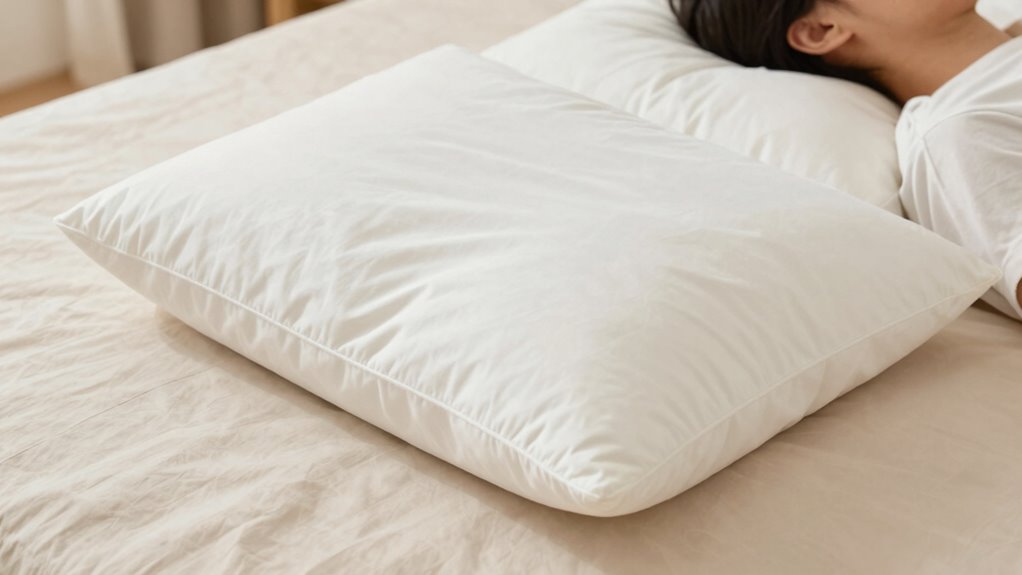
The way your pillow supports your head and neck directly influences your sleep posture and overall comfort. Proper support helps keep your spine aligned, reducing strain and discomfort. An often overlooked aspect is the correct pillow support, which plays a crucial role in maintaining healthy spinal alignment throughout the night. The key factors are pillow firmness and support materials, which determine how well your pillow adapts to your sleeping position. To optimize your sleep, consider: – Pillow firmness: Softer pillows are better for side sleepers, while firmer options suit back sleepers. – Support materials: Memory foam contours to your shape, providing consistent support, whereas latex offers resilience and breathability. – Posture alignment: Correct support minimizes neck pain and promotes proper spinal alignment, leading to more restful sleep. Choosing the right support impacts your comfort and wake-up feeling refreshed.
Debunking Myths About Supportive Pillows
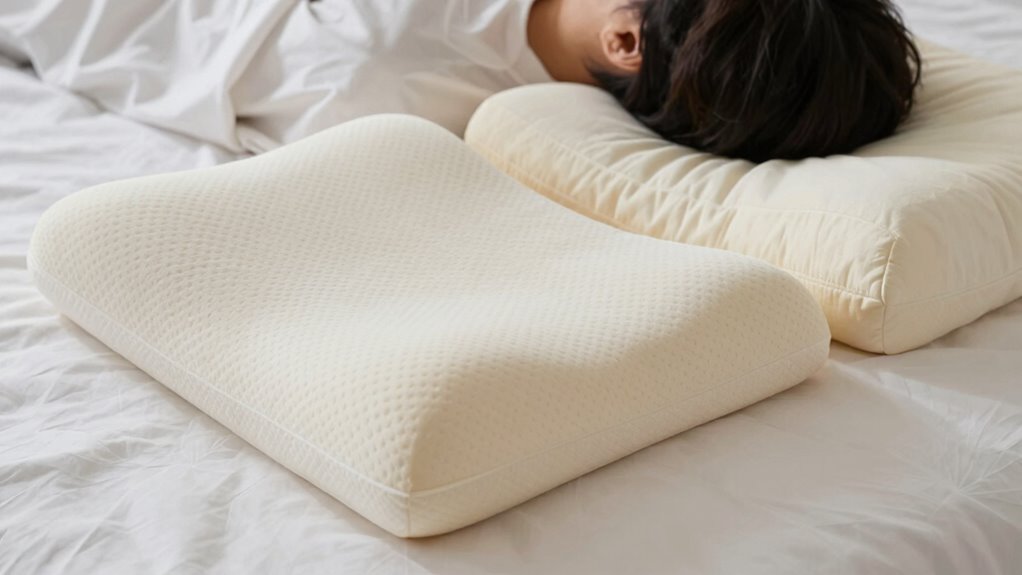
Many common beliefs about supportive pillows are actually myths that can mislead you into choosing the wrong type. For example, some think that a firmer pillow always provides better support, but that’s not true—your needs depend on your sleeping position and personal preference.
Memory foam pillows are often praised for their support, but not all memory foam is created equal; some are too soft or too firm. Additionally, the idea that support means sacrificing comfort is false; an ergonomic design aims to balance both.
Supportive pillows should align with your natural sleep posture, reducing strain. Believing these myths can lead you to overlook the importance of proper material and design, ultimately disrupting your sleep rather than improving it.
Tips to Choose the Right Support Level for Your Needs

Choosing the right support level for your pillow depends on understanding your sleep position and personal preferences. To find the perfect fit, consider your preferred pillow filling options and how ergonomic design features can enhance comfort.
If you sleep on your side, opt for a firmer pillow with higher loft to keep your neck aligned.
Back sleepers benefit from medium support that balances softness and firmness.
Stomach sleepers usually prefer softer, lower-loft pillows to prevent neck strain.
Keep these tips in mind:
- Evaluate pillow filling options like memory foam, latex, or down for tailored support
- Look for ergonomic design features that promote proper spinal alignment
- Test different support levels to match your sleep position and comfort needs
Choosing wisely guarantees restful, supportive sleep every night.
How to Test Pillow Support Before You Buy?
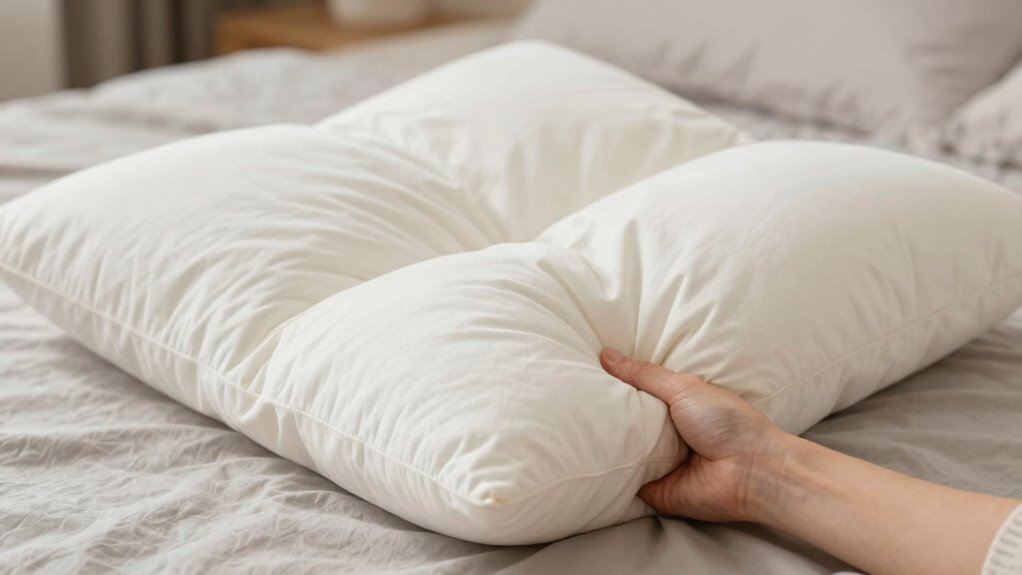
Before making a purchase, it’s essential to test a pillow’s support to guarantee it meets your needs. To do this, consider how the pillow responds when you press down or lie on it.
Good pillow manufacturing practices often include durability testing based on sleep research, ensuring consistent support over time. When testing, press firmly to see if the pillow quickly rebounds or stays compressed, indicating its ability to maintain support.
Check if it aligns comfortably with your neck and head in a natural position. If possible, test the pillow in a store or use a trial period if buying online.
How to Keep Your Pillow Supportive Over Time
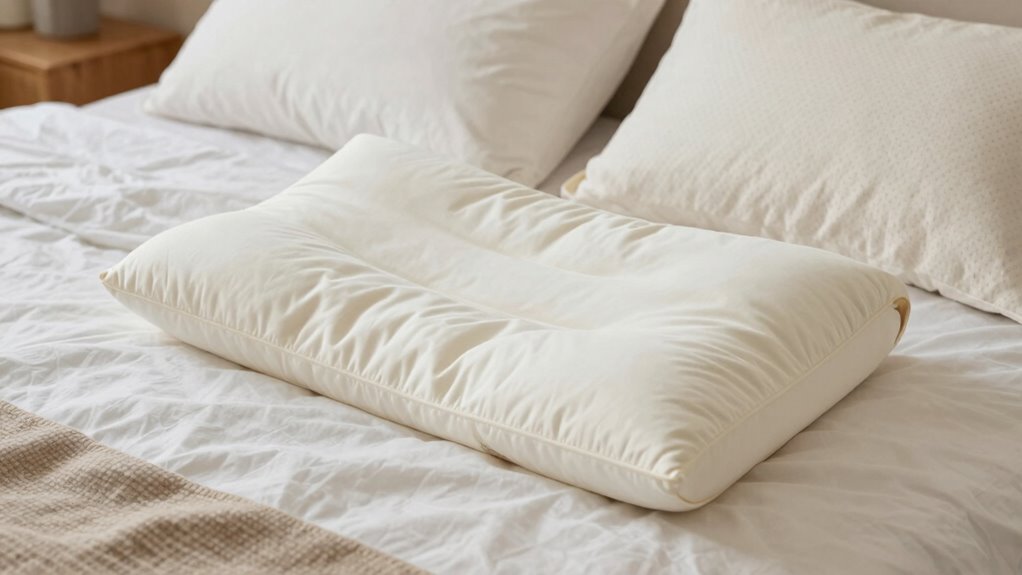
To keep your pillow supportive over time, regular care and maintenance are essential. Properly caring for your pillow helps maintain its support, pillow aesthetics, and longevity, which in turn preserves your sleep quality.
Regular maintenance keeps your pillow supportive, beautiful, and long-lasting, ensuring restful sleep night after night.
To do this, consider these tips:
- Wash and fluff regularly to prevent flattening and odors, maintaining its shape and support.
- Use protective covers to shield against stains and dirt, preserving pillow aesthetics.
- Follow the manufacturer’s instructions to avoid damaging your pillow, safeguarding your brand reputation.
Frequently Asked Questions
Can Supportive Pillows Help Alleviate Neck Pain?
Yes, supportive pillows can help alleviate neck pain. When you choose a pillow with the right firmness, it provides adequate support without being too hard or soft.
An ergonomic design aligns your neck and spine properly, reducing strain and discomfort.
How Often Should I Replace My Supportive Pillow?
You should replace your supportive pillow every 1 to 2 years, even if it looks fine. Ironically, your pillow’s material and ergonomic design wear out faster than you’d think.
Over time, the foam or memory foam compresses, losing its support, which can cause neck pain. Regular replacement guarantees you maintain that perfect balance of comfort and support, so don’t wait for it to become a cause of discomfort.
Are There Supportive Pillows Suitable for Side Sleepers?
Yes, there are supportive pillows made for side sleepers. Look for ones with medium to firm pillow firmness to keep your neck aligned.
Material choice matters too; memory foam or latex molds to your shape and provides consistent support. These pillows help maintain proper spinal alignment, reduce pressure points, and improve comfort, making them ideal for side sleepers seeking support that adapts to their sleeping position.
Does Pillow Support Impact Allergy Symptoms?
Yes, pillow support can impact allergy symptoms. Choosing a pillow made from allergen-resistant materials like memory foam or hypoallergenic fibers helps reduce dust mites and mold buildup.
Proper support keeps your head and neck aligned, preventing discomfort that might worsen allergy symptoms.
When you select a pillow with allergen resistance and adequate support, you create a cleaner, healthier sleep environment, making allergy flare-ups less likely and improving your overall sleep quality.
Can a Supportive Pillow Improve Sleep Quality Long-Term?
A supportive pillow can indeed enhance your sleep quality over time. By choosing the right pillow firmness, you help maintain proper sleep posture, reducing discomfort and promoting restful nights.
Consistently supporting your head and neck encourages better spinal alignment, which can lead to fewer aches and more restorative sleep. Over the long haul, this focus on support fosters healthier sleep habits, making each night more rejuvenating and helping you wake up feeling refreshed.
Conclusion
Choosing the right supportive pillow transforms your sleep from a soggy, soggy potato to a towering, resilient fortress of comfort. When you find the perfect level of support, your head and neck stay like a statuesque monument—steadfast and pain-free. Don’t settle for flimsy, sinking cushions that turn your nights into a chaotic rollercoaster. Invest in support, and wake up feeling like royalty, ready to conquer the day with a fortress of restful strength beneath you.