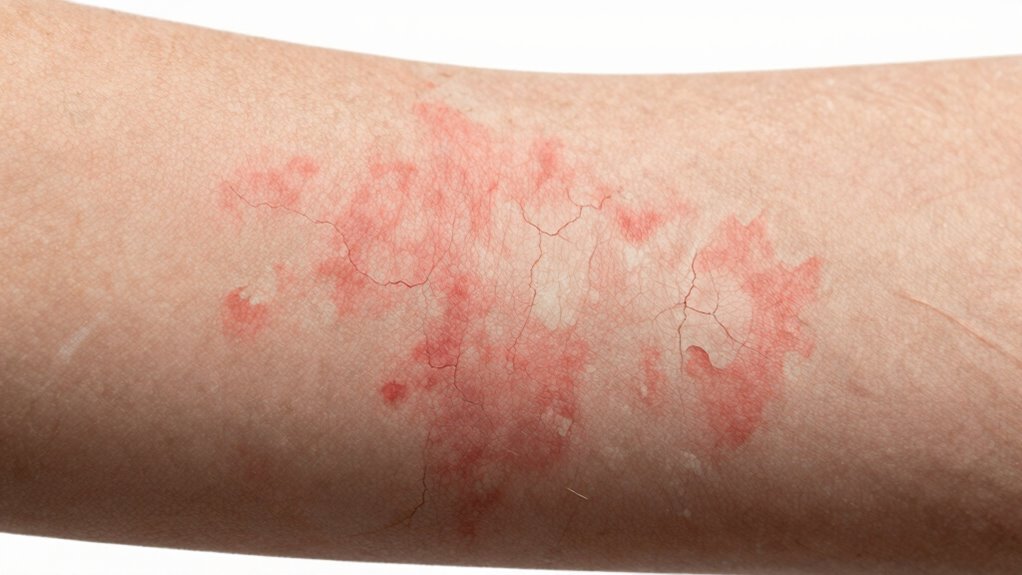

If your dry skin persists despite moisturizing or worsens with redness, swelling, or cracking, it could be a sign of dermatitis rather than simple dryness. Signs like persistent itching, deep cracks, or oozing areas are warning signals. If your skin shows these symptoms, especially after exposure to irritants or triggers, seek medical advice. Keep going to learn more about how to spot the differences and handle your skin concerns effectively.

Prime made for students and young adults
- Fast, free delivery for dorm and study essentials
- Prime Video and Amazon Music included
- Member-only deals
Key Takeaways
- Persistent redness, swelling, or warmth beyond typical dryness may indicate dermatitis rather than simple dry skin.
- Increased itching, burning, or blistering suggests inflammatory skin conditions needing medical evaluation.
- Cracks, bleeding, or deep fissures that don’t improve with moisturizers are signs of worsening dermatitis.
- Symptoms lasting more than a few weeks despite proper skincare indicate a potential dermatitis or other skin disorder.
- New or worsening reactions to triggers like allergens or irritants should prompt medical consultation.
As an affiliate, we earn on qualifying purchases.
What Is Dry Skin, and How Is It Different From Dermatitis?
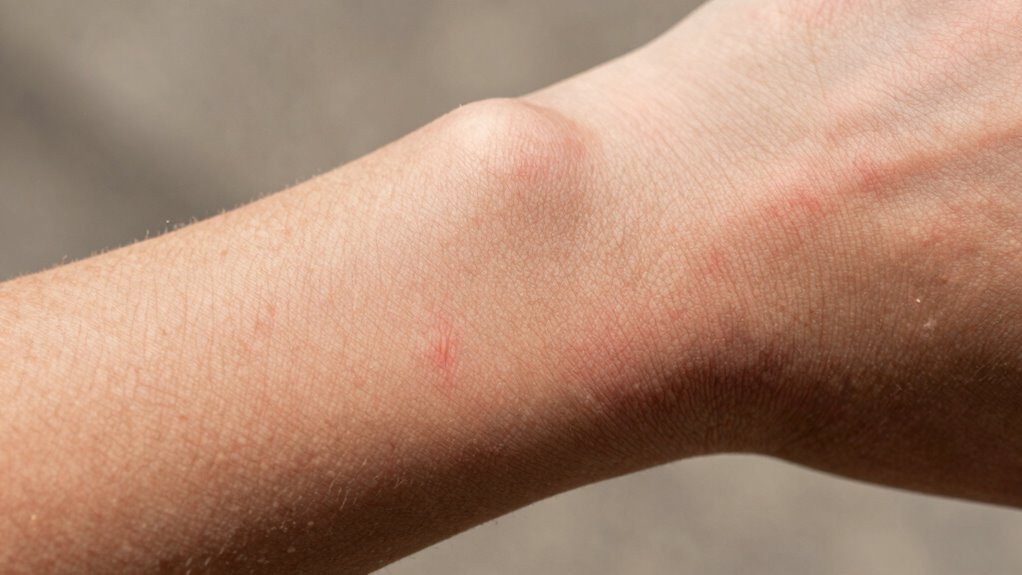
Dry skin and dermatitis are often confused, but they differ markedly in cause and severity. Dry skin results from a compromised skin barrier that loses natural oils, leading to roughness, flakiness, and tightness. It’s usually mild, caused by environmental factors, harsh soaps, or dehydration. Supporting the skin’s natural oils is essential for maintaining a healthy barrier and preventing dryness. In contrast, dermatitis involves inflammation of the skin, often triggered by irritants or allergens, and presents with redness, swelling, and discomfort. While dry skin can be a temporary condition, dermatitis can become chronic or severe if not properly managed. Recognizing skin inflammation early can help prevent more serious issues from developing. These inflammatory responses often involve immune system reactions, which can worsen the condition if not addressed promptly. Understanding these differences helps you recognize when dry skin is a sign of something more serious. Maintaining your skin’s barrier by supporting its natural oils is key to preventing dryness and reducing the risk of dermatitis developing.
hypoallergenic moisturizer for sensitive skin
As an affiliate, we earn on qualifying purchases.
As an affiliate, we earn on qualifying purchases.
How to Recognize Redness and Inflammation That Persist With Dry Skin
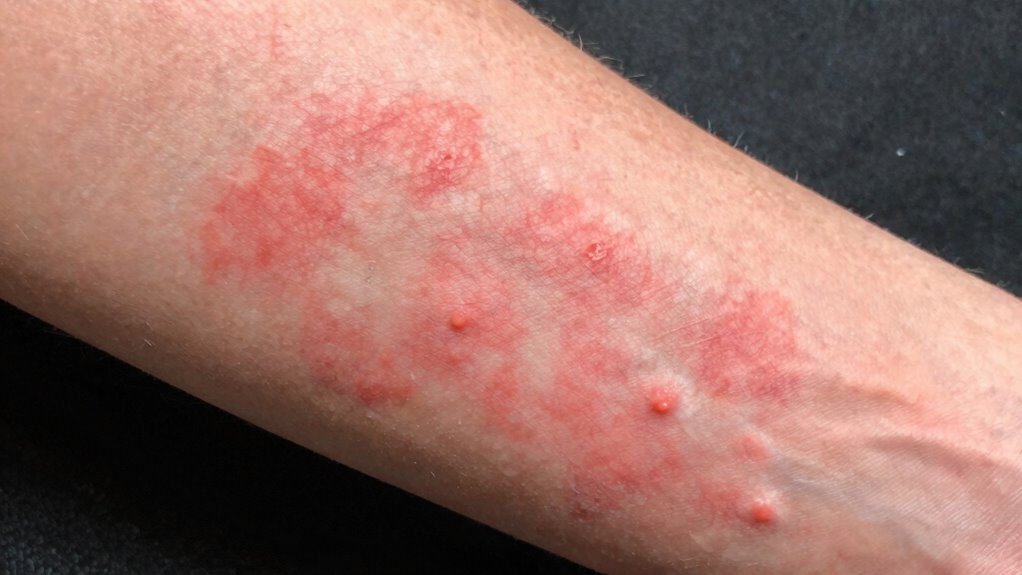
While many people associate persistent redness and inflammation with more serious skin conditions, they can also occur with dry skin when it’s not properly managed. Redness awareness is key to recognizing when dry skin may be signaling a deeper issue. Look for inflammation indicators such as swelling, warmth, or tenderness that last beyond typical dryness. If redness persists or worsens despite moisturizing, it might be a sign of underlying dermatitis or another skin condition. Additionally, skin barrier function plays a crucial role in preventing inflammation and maintaining healthy skin, so compromised barriers can lead to these issues. Damage to the skin’s barrier can make it more susceptible to irritants and allergens, increasing the risk of dermatitis. Paying attention to how your skin reacts helps prevent complications. Keep track of any ongoing redness or inflammation, especially if it’s accompanied by other symptoms like itching or burning. Recognizing these signs early can help you seek appropriate treatment and prevent further skin damage. Understanding skin barrier repair strategies can also support recovery and reduce sensitivity.
As an affiliate, we earn on qualifying purchases.
How to Differentiate Between Dry Skin and Eczema or Contact Dermatitis

Understanding the key differences between dry skin and conditions like eczema or contact dermatitis is essential for effective treatment.
Dry skin typically appears as rough, flaky patches without intense itching or persistent redness.
In contrast, eczema or contact dermatitis often shows inflamed, swollen, and itchy skin that may blister or ooze.
To differentiate, consider these factors:
- Persistent itching and intense inflammation
- Presence of blisters or oozing
- Reaction to specific triggers or exposures
- History of allergy testing or known sensitivities
- Compromised skin barrier, making skin more reactive
If you’re unsure, allergy testing can identify triggers, and focusing on restoring your skin barrier helps prevent worsening symptoms.
Recognizing these signs ensures you seek appropriate treatment and avoid unnecessary irritation.
Dry skin can sometimes be mistaken for dermatitis, but understanding the skin barrier function helps in identifying the correct condition.]
As an affiliate, we earn on qualifying purchases.
When Dry Skin Is More Than Just a Little Flakiness: Key Signs to Watch For
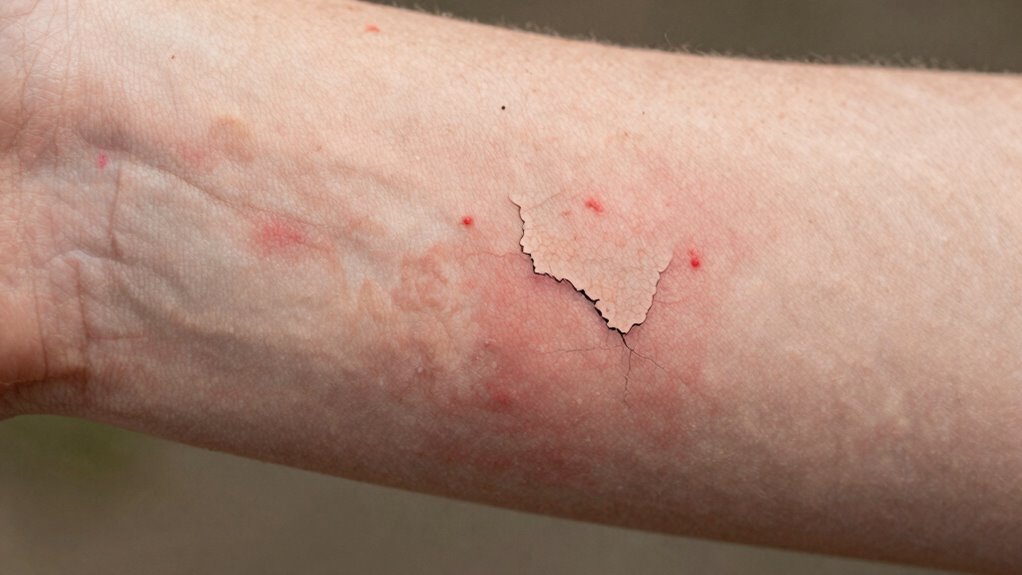
Sometimes, what starts as minor flakiness can develop into more concerning skin issues. If your dry skin persists or worsens, it’s time to look for key signs beyond simple dryness. Watch for redness, swelling, or persistent itchiness that doesn’t improve with basic skincare ingredients. Seasonal changes can also trigger more severe dryness or irritation, signaling that your skin needs extra care. Recognizing skincare fundamentals can help you address issues before they escalate. Additionally, understanding how air quality impacts skin health can be crucial, especially if pollutants are aggravating your condition. Being aware of eczema and dermatitis signs can help you distinguish between simple dryness and more serious dermatological conditions. Paying attention to glycolic acid use and its effects may also be beneficial, as over-exfoliation can sometimes exacerbate skin irritation.
How Scaling, Cracks, and Rashes Help Spot Dermatitis
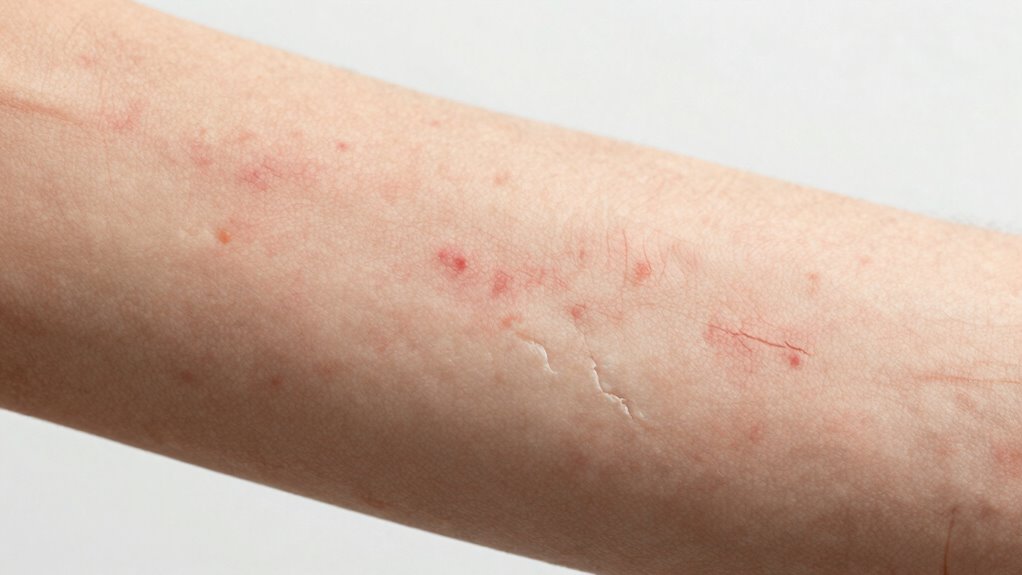
Scaling, cracks, and rashes are clear signs that your skin may be affected by dermatitis. You’ll notice specific scaling patterns that vary in appearance, often accompanied by cracks of differing severity. These features help distinguish dermatitis from simple dry skin. Additionally, European cloud innovation emphasizes sustainable solutions that can support healthcare data management and telemedicine applications, contributing to better skin health monitoring. Pay attention to:
Scaling, cracks, and rashes signal potential dermatitis rather than dry skin.
- Irregular or thickened scaling patterns
- Deep or painful cracks indicating high crack severity
- Rashes that spread or worsen over time
- Flaking that persists despite moisturizers
- Skin redness and inflammation around cracks and scales
These signs suggest your skin’s barrier is compromised, and dermatitis could be the cause. The severity of cracks can indicate how advanced the condition is, making it essential to monitor these changes closely for proper treatment. Recognizing early warning signs of dermatitis can help you seek appropriate care before the condition worsens, especially when combined with professional architectural solutions that support comprehensive skin health strategies. Additionally, understanding the skin barrier function can aid in implementing preventative measures to protect against dermatitis development. Strengthening the skin barrier through targeted treatments can reduce the risk of dermatitis flare-ups, highlighting the importance of barrier repair in skincare routines.
Common Triggers That Can Turn Dry Skin Into Dermatitis
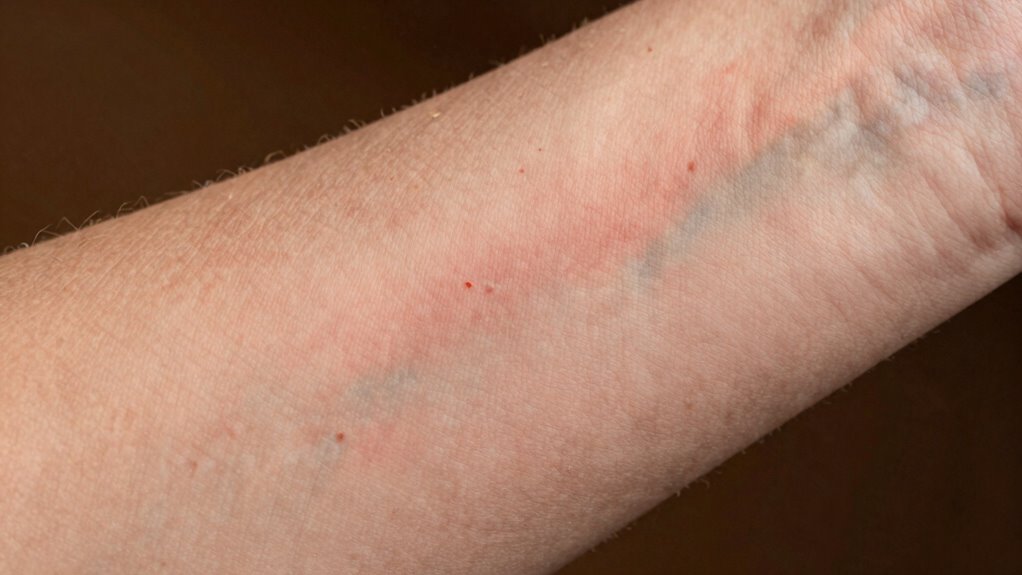
Dry skin can quickly turn into dermatitis when exposed to certain triggers, especially if your skin’s barrier is already weakened. Common culprits include harsh soaps, fragrances, and detergents that strip moisture and irritate your skin. Conducting allergy testing can help identify specific triggers. Additionally, environmental factors like cold weather or low humidity compromise your skin barrier, increasing vulnerability. To better understand these triggers, here’s a quick overview:
| Trigger Type | Effect on Skin |
|---|---|
| Harsh Soaps | Remove natural oils, dry out skin |
| Allergens | Cause immune response, inflammation |
| Cold Weather | Decreases moisture, weakens barrier |
| Fragrances | Irritate and dry skin |
| Detergents | Strip oils, disrupt skin barrier |
Being aware of these triggers helps prevent dermatitis from developing. Understanding the role of essential oils can also be beneficial in skin care, but it’s important to choose the right ones and avoid irritants. Recognizing skin barrier function is key to maintaining healthy skin and preventing dermatitis. Additionally, incorporating appropriate skincare routines can help reinforce the skin’s defenses against these triggers.
When Should You See a Doctor for Dry Skin?
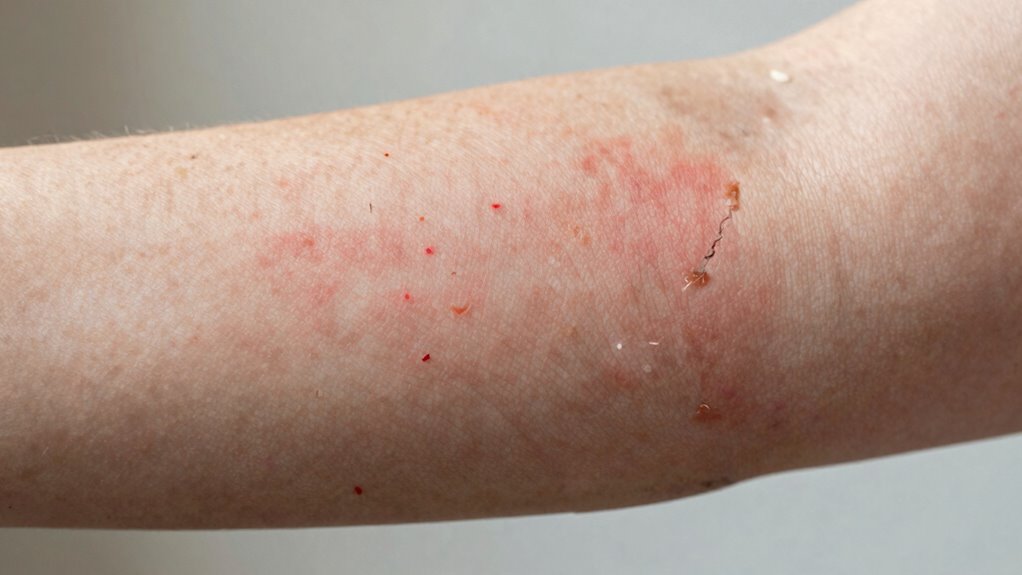
You should see a doctor for dry skin if it persists despite using moisturizers or home remedies, especially if it worsens over time. Persistent dryness may indicate damage to your skin barrier or underlying conditions like dermatitis. Additionally, if you notice that your dry skin is accompanied by irritation from office plants, it could suggest an allergic reaction or sensitivity requiring medical attention. When your skin isn’t improving, it’s essential to seek professional advice to prevent further issues. Watch out for signs such as increased redness, swelling, or cracking, which could mean your skin’s natural oils are depleted or your skin barrier is compromised.
See a doctor if dry skin persists or worsens over time.
- Skin becomes increasingly inflamed or painful
- Dryness spreads or worsens
- Cracks or bleeding develop
- Signs of infection appear
- Symptoms linger beyond a few weeks
Treatments and Tips to Manage Signs of Dermatitis
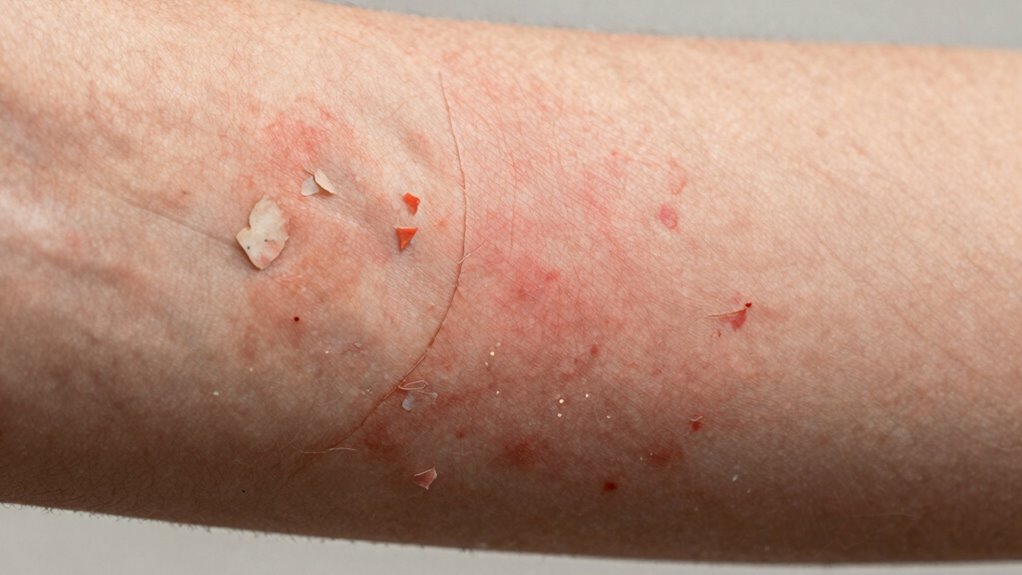
To manage dermatitis effectively, you should start with gentle skin cleansing and avoid harsh soaps.
Keep your skin moisturized regularly using strategies that lock in hydration, and watch for any irritant triggers.
Identifying what causes your flare-ups can help you prevent future signs of dermatitis.
Gentle Skin Cleansing
Gentle skin cleansing is essential for managing dermatitis symptoms and preventing further irritation. Use mild, fragrance-free products to avoid triggering sensitivities. Oil-based cleansers can help remove excess oils and dirt without stripping your skin’s natural moisture.
When cleansing, use lukewarm water instead of hot, which can worsen dryness. Pat your skin dry gently instead of rubbing. Always choose products labeled for sensitive skin and avoid harsh chemicals.
- Opt for fragrance-free, hypoallergenic cleansers
- Use oil-based cleansers for gentle removal of dirt and excess oil
- Avoid hot water to prevent dryness
- Pat skin dry instead of rubbing
- Read labels carefully to choose safe, sensitive skin products
Moisturizing Strategies Effectively
Effective moisturizing is essential for managing dermatitis, as it helps repair the skin barrier and lock in hydration. Choose moisturizers with ingredients like ceramides, hyaluronic acid, and glycerin, which restore moisture and strengthen your skin’s defenses. Incorporating skin barrier repair ingredients can further enhance healing and protection. Applying moisturizer immediately after bathing traps water and enhances hydration. Use gentle, patting motions rather than rubbing to maximize absorption. Incorporating moisturizer layering techniques such as starting with a hydrating serum, then sealing it with a rich moisturizer, can boost skin hydration. Understanding BTU and CADR can help you select air purifiers that reduce airborne irritants, supporting skin health by minimizing allergens that may trigger dermatitis. Using an air purifier with appropriate air filtration capacity can significantly decrease airborne irritants and allergens. Avoid products with fragrances or harsh chemicals that can irritate sensitive skin. Consistency is key; moisturize at least twice daily to maintain skin health. Incorporating low-carb vegetables like spinach and broccoli can also support overall skin health by providing essential nutrients.
Identifying Irritant Triggers
Identifying irritant triggers is essential for managing dermatitis effectively, as exposure to certain substances can worsen symptoms or cause flare-ups. To do this, consider allergy testing to pinpoint specific allergens that affect your skin. Using water-based therapies like hydrotherapy can help soothe irritated skin and promote healing. Strengthening your skin barrier is also vital, as a compromised barrier makes your skin more vulnerable to irritants. Pay attention to common triggers and how your skin reacts. Keep a diary to track potential irritants and flare-ups. Ourmindandbody.com offers additional tips on skin health and holistic management strategies. – Use gentle, fragrance-free skincare products – Avoid harsh soaps and detergents – Wear protective clothing when handling chemicals – Minimize exposure to known allergens – Regularly assess your skin’s response after new products or environments
Frequently Asked Questions
Can Dry Skin Lead to Long-Term Skin Damage?
Dry skin can lead to long-term damage if it weakens your skin barrier and reduces moisture retention.
When your skin’s barrier is compromised, it becomes more vulnerable to irritants and infections, potentially causing persistent inflammation or scarring.
To prevent this, keep your skin well-moisturized, avoid harsh soaps, and use gentle skincare products.
Addressing dry skin early helps maintain healthy skin and prevents long-term damage.
Are There Specific Foods That Worsen Dermatitis?
Yes, certain foods can worsen dermatitis. You might notice food sensitivities, especially to dairy, gluten, nuts, or soy, which act as inflammatory triggers.
These foods can increase your skin’s inflammation, making dermatitis symptoms more intense or persistent.
To manage your condition, try tracking your diet and avoiding known triggers.
Consulting a healthcare professional for personalized advice is also a good idea to reduce flare-ups and keep your skin healthier.
How Can I Prevent Dermatitis From Dry Skin?
To prevent dermatitis from dry skin, focus on your skincare routine by using a gentle, fragrance-free moisturizer suited for sensitive skin. Apply it immediately after showering to lock in moisture, and avoid harsh soaps that strip oils.
Consistently choosing the right moisturizer and maintaining a regular skincare routine helps keep your skin hydrated, reducing irritation and lowering your risk of dermatitis flare-ups.
What Are the Risks of Self-Treating Dermatitis at Home?
Self-treating dermatitis at home with remedies or over-the-counter treatments can seem convenient, but it risks misdiagnosis or worsening your condition.
You might use products that aren’t suitable for your skin, causing irritation or infection. Without proper guidance, you could overlook signs of a more serious issue.
Always consult a healthcare professional if symptoms persist or worsen, ensuring you get the right treatment and avoid complications.
Does Weather Change Influence Dermatitis Development?
Think of weather changes as the seasons’ whisper—climate impact and seasonal variations can definitely influence dermatitis development.
Cold, dry air strips moisture from your skin, triggering flare-ups, while humid conditions may soothe or worsen symptoms depending on your sensitivity.
As temperatures shift, you might notice your skin reacting more intensely, making it essential to adapt your skincare routine.
Pay attention to these changes, and consider consulting a dermatologist if symptoms persist.
Conclusion
If dry skin feels more like a storm brewing beneath the surface, don’t ignore the warning signs. When redness, cracks, or rashes refuse to fade, they’re whispers of trouble lurking beyond surface dryness. Recognize these signals before they deepen into a relentless tide. Your skin’s story is a delicate dance—listen closely and seek help when needed. By catching the signs early, you can navigate back to calm seas and restore your skin’s gentle glow.
Fall Picks
fall essentials
As an affiliate, we earn on qualifying purchases.