HDR formats define how your content is mastered and displayed, offering richer colors, better contrast, and more immersive visuals. HDR10 is the most common, using static metadata for consistent adjustments, while HDR10+ and Dolby Vision use dynamic metadata for scene-by-scene enhancements. Dolby Vision often delivers more accurate and vibrant images, but both formats require compatible devices. Want to discover how these formats can improve your viewing experience? Keep exploring to learn more.

Prime made for students and young adults
- Fast, free delivery for dorm and study essentials
- Prime Video and Amazon Music included
- Member-only deals
Key Takeaways
- HDR10 is a widely supported standard using static metadata for consistent brightness and color across the entire video.
- HDR10+ and Dolby Vision utilize dynamic metadata to adjust tone mapping scene-by-scene or frame-by-frame for optimal quality.
- Dolby Vision is a proprietary format often found in high-end devices, offering superior color accuracy and contrast.
- HDR10 is an open standard compatible with most HDR devices, while HDR10+ is an open but less widespread alternative to Dolby Vision.
- Proper support for these formats ensures vibrant, lifelike images with enhanced contrast, color, and realism.
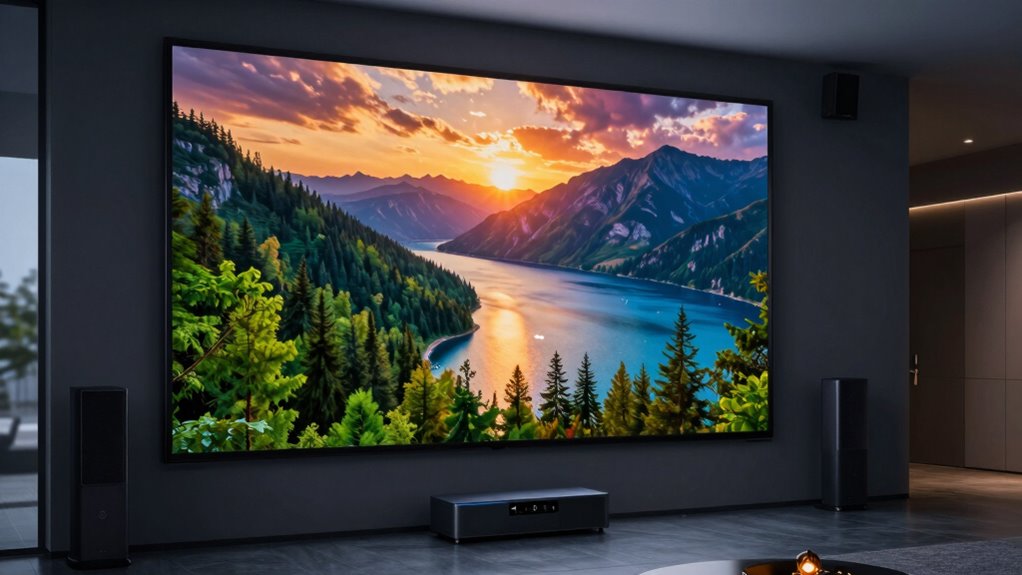
Have you ever wondered why some videos and images look more vibrant and lifelike than others? The secret often lies in how the content is mastered and displayed, specifically through HDR formats. High Dynamic Range (HDR) technology enhances the contrast, brightness, and color accuracy of your viewing experience, making everything appear more realistic. But not all HDR formats are created equal, and understanding the differences can help you get the most out of your devices.
At the core of HDR is the concept of HDR standards, which define how content is mastered and displayed. These standards set the guidelines for color grading, luminance levels, and metadata that ensure consistent quality across devices. When content is mastered in a particular HDR format, it’s optimized to deliver a specific range of brightness and color, giving scenes a more dynamic and immersive look. HDR10 is the most common standard, offering a baseline for HDR compatibility. It uses static metadata, meaning the same tone mapping applies throughout the entire video, which simplifies playback but may not always provide the most precise picture for every scene.
HDR10+ and Dolby Vision, on the other hand, take things a step further by introducing dynamic metadata. This means that the tone mapping and color grading can be adjusted scene-by-scene or even frame-by-frame, resulting in a more detailed and nuanced picture. You’ll notice richer colors, deeper blacks, and brighter highlights. HDR10+ is an open standard, making it more accessible, while Dolby Vision is a proprietary format that is often associated with higher-end content and devices. Both formats aim to deliver a superior viewing experience but do so with different approaches to how they handle color grading and luminance data.
When you’re choosing content or devices, it’s helpful to know which HDR formats they support. If your TV or monitor supports Dolby Vision, you’ll likely experience more accurate and vibrant images with compatible content. Conversely, HDR10 content will work across most HDR-capable devices but might not always look as refined as Dolby Vision or HDR10+. Ultimately, the key is the HDR standards embedded in the content, which dictate how well the colors and contrast are rendered. By understanding these formats, you can better appreciate why some images pop with color and clarity, making your viewing experience more vivid and lifelike.
Additionally, the compatibility of HDR formats with your device can significantly influence your overall viewing quality, emphasizing the importance of supporting the latest standards.
As an affiliate, we earn on qualifying purchases.
Frequently Asked Questions
Do All HDR Formats Support 4K Resolution?
Not all HDR formats support 4K resolution. HDR10 and HDR10+ do support 4K, but Dolby Vision often does as well, with some variations. Your device’s bit depth and color gamut also matter; higher bit depth (10-bit or more) enhances color accuracy, and a wider color gamut provides richer images. Always check if your HDR format and device support 4K, along with these features, for the best viewing experience.
Which HDR Format Is Most Widely Compatible With Devices?
HDR10 is the most widely compatible HDR format across devices because of its broad format adoption and open standard. You’ll find it supported on many TVs, streaming services, and gaming consoles, making it a reliable choice for compatibility. Dolby Vision offers better quality but isn’t as universally adopted, and HDR10+ is growing but still less common. For the best device compatibility, HDR10 is your safest bet.
Can I Upgrade My Existing TV to Support Hdr10+?
You can’t just upgrade your TV to support HDR10+ like a simple software update; it’s more like putting new tires on an old car. Most TVs don’t support HDR10+ out of the box, but some models can get firmware updates or hardware upgrades for HDR content. Check your TV’s calibration settings and manufacturer’s website to see if HDR10+ support is available. If not, upgrading to a newer model might be your best bet.
Are There Any Cost Differences Between HDR Formats?
Yes, there are cost implications when choosing between HDR formats due to format licensing. HDR10 is open and free, so it typically costs less for manufacturers and you, while Dolby Vision and HDR10+ involve licensing fees, which can increase the device’s price. If you’re on a budget, HDR10 is a cost-effective choice, but if you want the best quality and features, investing in a Dolby Vision-compatible device might be worthwhile despite the higher costs.
How Do HDR Formats Affect Gaming Performance?
HDR formats can enhance your gaming performance by delivering richer colors and better contrast, but they also require proper HDR calibration to look its best. Some formats, like Dolby Vision, may offer smoother gaming synchronization thanks to dynamic metadata, reducing lag and artifacts. However, make sure your display supports the specific HDR format you prefer, as compatibility impacts your gaming experience and visual quality.
As an affiliate, we earn on qualifying purchases.
Conclusion
Now that you’ve explored HDR10, HDR10+, and Dolby Vision, you can see how each format paints a brighter, richer picture. Whether you’re immersing yourself in vivid colors or savoring deep contrasts, these HDR formats transform your viewing experience. They’re like a window opening to a world bursting with life, depth, and detail. Embrace the future of visual storytelling, where every frame invites you in and every scene feels more real, more vibrant, more unforgettable.
As an affiliate, we earn on qualifying purchases.
As an affiliate, we earn on qualifying purchases.
Fall Picks
fall essentials
As an affiliate, we earn on qualifying purchases.