

Fat loss isn’t a mystery; it all comes down to understanding your body’s energy system. Your body switches between burning carbs and fats for fuel, especially during workouts and fasting. By optimizing your diet, exercise, and lifestyle, you can boost fat burning and improve your metabolic flexibility. If you want to learn simple strategies that make this process easier and more effective, keep exploring—there’s more to discover about harnessing this powerful system.

Prime made for students and young adults
- Fast, free delivery for dorm and study essentials
- Prime Video and Amazon Music included
- Member-only deals
Key Takeaways
- Fat loss primarily depends on creating a calorie deficit, prompting the body to burn stored fat for energy.
- The body switches between carbohydrate and fat burning based on activity level, fasting, and energy needs, demonstrating metabolic flexibility.
- Hormonal regulation, especially insulin, glucagon, and norepinephrine, determines whether energy is stored or burned.
- Engaging in moderate-intensity exercise activates fat-burning systems, optimizing fat oxidation and weight loss.
- Supporting metabolic health through nutrition, stress management, and lifestyle habits enhances the body’s ability to efficiently burn fat.
As an affiliate, we earn on qualifying purchases.
What Is the Body’s Energy System and Why It Matters for Fat Loss

Understanding your body’s energy system is essential for effective fat loss because it determines how your body fuels activity and burns calories. Your body’s ability to switch between fuel sources, known as metabolic flexibility, plays a key role. Incorporating insights from sound healing science can also support your metabolic health by promoting relaxation and stress reduction, which are beneficial for weight management. When you’re metabolically flexible, you efficiently shift between carbohydrates and fat, optimizing energy use based on activity and availability. This process involves energy partitioning, where nutrients are directed toward immediate energy needs or stored for future use. Improving metabolic flexibility helps your body better manage fat stores, making weight loss easier. Recognizing how your energy system works allows you to tailor your exercise and nutrition strategies for maximum fat-burning potential. Additionally, metabolic health is influenced by lifestyle factors such as sleep and stress management, which are crucial for maintaining an efficient energy system. Maintaining a balanced diet and regular physical activity can further enhance your body’s ability to utilize energy efficiently. Ultimately, a well-functioning energy system supports sustained fat loss and overall metabolic health.
metabolic flexibility supplements
As an affiliate, we earn on qualifying purchases.
As an affiliate, we earn on qualifying purchases.
How Your Body Burns Calories From Food and Stores Fat
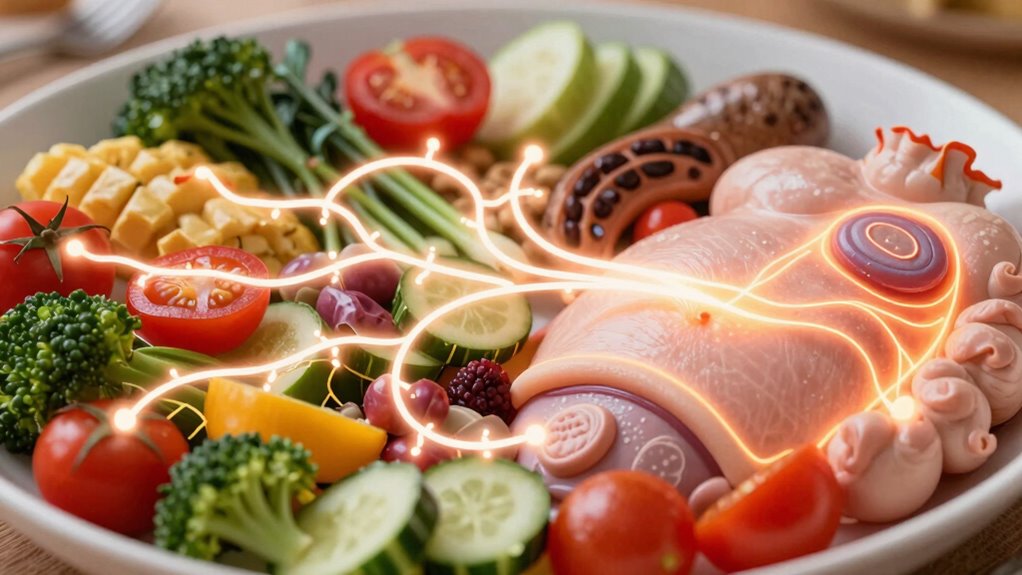
Your body switches between energy systems to burn calories from food and tap into stored fat. Understanding how fat storage works helps you see why certain foods and habits impact fat loss. For example, knowing about net worth and financial independence can be analogous to understanding how your body manages stored energy versus immediate fuel sources. When you’re in a fasted state, your body is more likely to burn stored fat for energy. This process is influenced by factors like metabolic flexibility, which determines how efficiently your body switches between energy sources. Additionally, having a balanced support system can enhance your ability to sustain healthy habits that promote fat loss. Let’s explore how these processes work and how you can optimize them for better results.
Energy Systems Explored
Have you ever wondered how your body decides whether to burn calories from the food you just ate or tap into stored fat? It all comes down to metabolic pathways that govern energy use. When you eat, your body prioritizes breaking down carbs through glycolysis, providing quick energy.
If you’re in an energy surplus, excess nutrients are stored as fat. During periods of fasting or exercise, your body shifts to fat oxidation, tapping into stored fat reserves. This process depends on your energy balance—calories in versus calories out.
If you’re in a calorie deficit, your body increases fat burning to meet energy needs. Understanding these metabolic pathways helps you see how your body dynamically switches between fuel sources based on activity level and intake.
Fat Storage Processes
When you eat more calories than your body needs, the excess gets converted into fat and stored for future energy use. This process involves adipose regulation, where fat cells, or adipocytes, store triglycerides. Hormonal balance plays a vital role here; insulin, for example, promotes fat storage by signaling cells to absorb glucose and convert it into fat. When insulin levels are high, your body favors storing energy rather than burning it. Additionally, vetted wave and wind energy systems can influence physical activity levels, which in turn affect caloric expenditure. Moreover, factors like metabolic rate can determine how efficiently your body burns calories at rest and during activity. Understanding hormonal signals is crucial because they dictate whether your body prefers to store or burn fat. For example, proper Hormonal balance can enhance fat burning and improve your overall metabolism. Conversely, when you’re in a calorie deficit, hormones like glucagon and norepinephrine encourage fat breakdown, releasing energy from stored fat. Recognizing the role of hormonal regulation helps explain why some individuals may find it easier or harder to lose weight. Understanding how your body manages fat storage through hormonal signals helps you grasp why maintaining hormonal balance is essential for effective fat loss and how excess calories translate into increased fat reserves.
As an affiliate, we earn on qualifying purchases.
Understanding the Three Main Energy Systems That Power Fat Loss

To effectively optimize fat loss, understanding the three main energy systems that fuel your body during exercise is vital. These systems determine how your muscles adapt and how hormonal balance influences fat burning. The three systems are the phosphagen system, glycolytic system, and oxidative system. Each operates differently based on exercise intensity and duration. The phosphagen system provides quick energy for short bursts, while the glycolytic system supports moderate efforts. The oxidative system sustains prolonged activity and fat utilization. Recognizing how these systems function helps you tailor workouts for maximum fat loss. Additionally, understanding energy system functions can help you design more effective training routines that align with your fat loss goals. Incorporating smart fitness technology can further optimize how you monitor and adapt your training for better results. By understanding these processes, you can better manage your workout intensity to maximize fat burning efficiency.
moderate intensity exercise gear
As an affiliate, we earn on qualifying purchases.
As an affiliate, we earn on qualifying purchases.
Nutrition Strategies to Maximize Fat Burning

Optimizing fat burning through nutrition requires strategic choices that fuel your body effectively while promoting fat loss. To enhance your metabolic flexibility and maintain hormonal balance, focus on nutrient-dense foods and balanced macronutrients. Incorporating a variety of whole foods ensures your body receives essential vitamins and minerals that support metabolic processes. Prioritize whole foods, lean proteins, healthy fats, and complex carbs to support steady energy levels. Incorporate intermittent fasting or time-restricted eating to improve insulin sensitivity and help your body switch efficiently between energy sources. This approach can also support metabolic health and overall well-being. Engaging in regular physical activity can further improve your metabolic flexibility and accelerate fat loss. Additionally, understanding electric bike horsepower can inspire innovative ways to incorporate active transportation into your routine, boosting your overall energy expenditure. Maintaining proper hydration and managing stress are key to hormonal health, as dehydration and chronic stress can hinder fat loss efforts. Incorporating AI training jobs can also help develop skills for understanding data patterns that influence metabolic processes.
How Exercise Boosts Your Body’s Fat-Burning Ability

When you exercise regularly, your body becomes better at burning fat by increasing fat oxidation. It also raises your metabolic rate, helping you burn more calories even at rest. These changes make exercise a powerful tool for boosting your fat-loss efforts. Additionally, engaging in consistent physical activity can improve your body’s ability to manage energy efficiently, including your energy system, leading to more effective fat burning. Understanding how your metabolic processes adapt to exercise can help you tailor your workouts for optimal fat loss. For instance, learning about how your biography finder influences your health can provide motivation and insight into your fitness journey. Incorporating diverse cooking techniques can further support your health and wellbeing during your weight loss journey.
Enhances Fat Oxidation
Exercise actively stimulates your body’s fat oxidation process by increasing the activity of enzymes responsible for breaking down fats. This boosts your body’s ability to access stored fat for energy, making your metabolic pathways more efficient.
When you engage in physical activity, your body improves its energy efficiency, enabling you to burn fat more effectively over time. As a result, your body becomes better at channeling fats into usable energy, supporting fat loss.
To enhance this process, consider:
- Incorporating moderate-intensity workouts to maximize fat utilization
- Maintaining a consistent exercise routine to strengthen metabolic pathways
- Combining strength training and cardio for ideal fat oxidation
Increases Metabolic Rate
Engaging in physical activity actively increases your body’s metabolic rate, which is the rate at which your body burns calories to produce energy. When you exercise, you stimulate various metabolic pathways that convert stored fat and carbs into usable fuel. This boost in metabolism doesn’t just last during activity—it elevates your resting metabolic rate afterward, helping you burn more calories throughout the day. Incorporating calorie cycling, where you vary your calorie intake based on activity levels, further enhances this effect. Understanding metabolic pathways in your home setup can help you optimize your energy use and support your fitness goals more efficiently. Additionally, practicing free floating strategies in your backyard, such as creating inviting outdoor spaces or natural pools, can encourage more consistent physical activity and relaxation, contributing to overall metabolic health.
Common Mistakes That Hinder Fat Loss and How to Avoid Them

Many people sabotage their fat loss efforts by making simple yet common mistakes. One major error is neglecting micronutrient balance, which can slow metabolism and hinder progress. Poor sleep quality is another obstacle, disrupting hormones that control hunger and energy.
Additionally, some overlook the importance of consistent habits, like irregular eating patterns or skipping workouts, which impair fat-burning efficiency. To avoid these pitfalls, focus on eating a variety of nutrient-dense foods to support your micronutrient needs and prioritize quality sleep to optimize recovery and hormone regulation.
Staying consistent with your routines and paying attention to your body’s signals will help you stay on track. Remember, small adjustments in these areas can appreciably enhance your fat loss journey.
How to Track Your Progress and Know Your Fat Loss Is Working

Tracking your progress is essential to determine if your fat loss efforts are paying off. One way to do this is by monitoring your metabolic rate, which influences how many calories you burn daily. While your metabolic rate remains relatively stable, small changes can indicate fat loss when combined with other measures.
Calorie counting helps you stay on track by ensuring you’re creating a consistent calorie deficit. Keep a diary of your food intake and compare it with your weight and body measurements over time.
Simple Tips to Make Your Fat Loss Sustainable Long-Term

To make your fat loss sustainable over the long term, focus on creating habits that are enjoyable and adaptable. Building metabolic flexibility allows your body to efficiently switch between fats and carbs for energy, supporting consistent progress.
Prioritize hormonal balance by including nutrient-dense foods, managing stress, and getting enough sleep, which helps prevent plateaus.
Incorporate flexibility in your routine so it doesn’t feel restrictive, making it easier to stick with.
- Choose activities you genuinely enjoy to stay motivated
- Incorporate balanced meals that support hormonal health
- Allow occasional treats to prevent feelings of deprivation
These small adjustments foster long-term habits, ensuring your fat loss efforts are sustainable and effective.
Frequently Asked Questions
How Long Does It Take to See Noticeable Fat Loss Results?
You can start noticing noticeable fat loss in about 3 to 4 weeks if you maintain a consistent calorie deficit and boost your metabolic rate through regular exercise.
Your body needs time to burn stored fat, so stay committed to your plan. Keep track of your progress, stay patient, and remember that steady, sustainable changes deliver the best long-term results.
Can I Lose Fat Without Exercising Regularly?
You can lose fat without exercising regularly, but it’s tougher. It’s important to understand that the secret lies in creating a calorie deficit—eating fewer calories than your body burns.
Your metabolic rate determines how many calories you naturally burn each day. If you manage your intake carefully, you’ll see fat loss happen, even without hitting the gym.
But stay alert—without activity, your progress might slow down, and maintaining results becomes more challenging.
What Role Do Genetics Play in Fat Loss?
Genetics influence your fat loss by affecting your genetic predispositions and metabolic variations.
You might find it easier or harder to lose weight based on these factors, but they don’t determine your success entirely.
You can still achieve your goals by focusing on a balanced diet and regular activity.
Understanding your genetics can help you tailor your approach, but consistent effort remains essential for fat loss.
Is It Better to Focus on Diet or Exercise for Fat Loss?
You should focus on both diet and exercise for fat loss, but diet plays a bigger role. Creating a calorie deficit through your food choices is essential, as it directly influences your metabolism.
While exercise helps preserve muscle and boosts calorie burn, your body may undergo metabolic adaptation over time, making progress slower.
Combining a balanced diet with regular activity maximizes fat loss and helps overcome metabolic challenges.
How Do Hormonal Imbalances Affect Fat Burning?
Imagine hormonal regulation as the conductor of your body’s symphony, guiding fat burning and storage. When hormones like insulin or cortisol get out of balance, they disrupt your metabolic impact, making it harder to burn fat efficiently.
This imbalance can cause your energy system to stall, leaving you frustrated. To keep your fat loss on track, support hormonal health through balanced nutrition, adequate sleep, and stress management.
Conclusion
Remember, fat loss isn’t a mystery—it’s about understanding and optimizing your energy system. By fueling your body right, exercising wisely, and avoiding common pitfalls, you can make sustainable progress. Are you ready to take control and release your body’s natural fat-burning potential? Embrace these simple strategies, stay consistent, and watch your results grow. Your journey to a healthier, leaner you starts now—so why wait to start becoming your best self?
Fall Picks
fall essentials
As an affiliate, we earn on qualifying purchases.