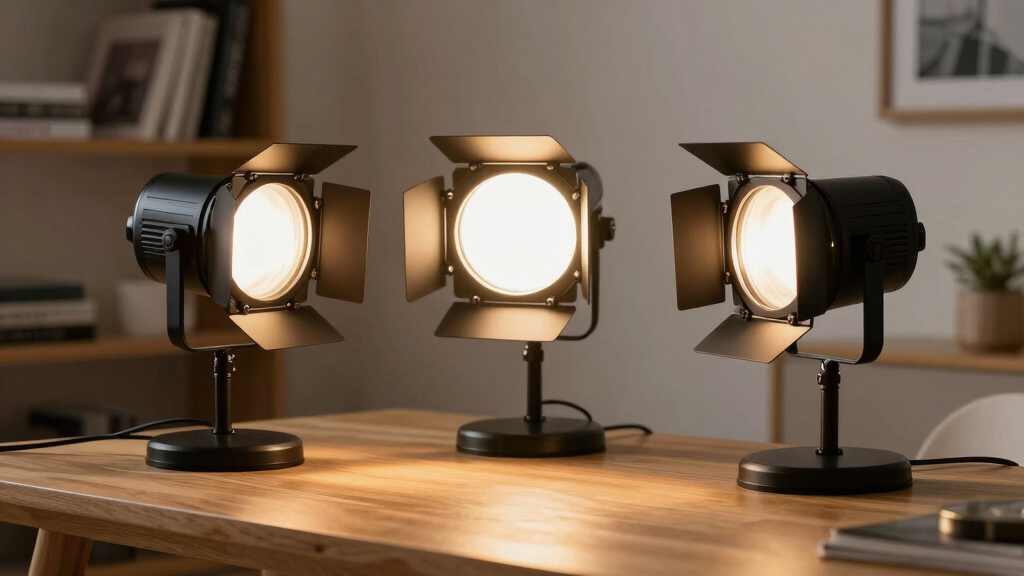

Finding the best studio lights for photography involves balancing brightness, color accuracy, ease of use, and budget. The NEEWER 2 Pack Bi Color 660 LED Video Light stands out as the overall top choice for its versatility and high output. For those on a budget, the NiceVeedi 2-Pack 36W Bi-Color Lights offers great value without sacrificing essential features. Meanwhile, the Torjim Softbox Kit with 85W LEDs delivers soft, flattering light ideal for portraits. Readers should weigh tradeoffs like power output versus portability or ease of setup, which vary across options. Continue reading to see the full breakdown of these lights and what makes each suitable for different needs.
Key Takeaways
- Top-tier studio lights combine high brightness with excellent color rendering for professional results.
- Budget options often sacrifice some features but can still produce quality light for beginners or casual shooters.
- Softboxes and diffusers are key for softer, more flattering light, especially in portrait work.
- Power output and control options are critical for versatile setups, especially when shooting in different environments.
- Ease of setup and durability vary, making some models better suited for quick shoots versus long-term studio use.


More Details on Our Top Picks
NEEWER 2 Pack Bi Color 660 LED Video Light and Stand Kit
This kit stands out for its high CRI of 96+ and adjustable color temperature, making it ideal for photographers who need accurate color rendering across varied environments. Compared with the Torjim Softbox Kit, it offers more flexible power options with battery compatibility, suitable for outdoor shoots. However, it lacks included batteries, which could add to the overall cost, and the stands might be heavy for prolonged handheld use. The lights’ durable metal construction and effective heat dissipation ensure consistent performance during long sessions, making this a strong all-around choice for professionals and serious hobbyists alike.
Pros:- High CRI of 96+ for true-to-life color reproduction
- Adjustable color temperature from 3200K to 5600K
- Flexible power options including AC and batteries
- Durable, heat-dissipating metal build
Cons:- Battery not included, requiring extra purchase
- Stands may be heavy for extended handheld use
Best for: Photographers seeking reliable, portable lighting for both studio and outdoor shoots
Not ideal for: Beginners or hobbyists who prefer plug-and-play simplicity without additional purchases or heavier stands
- LED Power:40W per light
- Color Temperature:3200K-5600K
- CRI:96+
- Illuminance:3300 lux at 1m
- Voltage:DC 12V
- Light Stand Height:26 to 75 inches
Bottom line: This kit makes the most sense for experienced shooters needing versatile, portable lighting with high color accuracy.
Torjim Softbox Photography Lighting Kit, 16” x 16”, with 85W LED Bulbs
This softbox kit excels at producing gentle, shadow-free light, making it ideal for portraits, videos, and streaming. Its 16×16 inch softbox combined with 85W LEDs provides a broad, diffuse light source that minimizes harsh shadows, unlike the more directional NEEWER kit. The high reflectivity fabric and adjustable head offer flexible angles, but setup can take time, and it’s limited to indoor use. Compared to the NiceVeedi kit, it offers a larger softbox but may lack the same level of control for dynamic lighting setups, making it a great choice for those prioritizing soft light over versatility.
Pros:- Provides soft, even, and shadow-free illumination
- High-quality, adjustable softbox with reflective fabric
- Energy-efficient 85W LED bulbs with adjustable color temperature
- Flexible 210° rotatable head for precise positioning
Cons:- Requires time for assembly and setup
- Limited to indoor environments
Best for: Indoor portrait and product photographers who want soft, natural-looking light
Not ideal for: Photographers needing portable or outdoor lighting solutions, as setup and space are required
- Size:16” x 16”
- Bulb Power:85W
- Color Temperature:3000-7500K
- Tripod Height:60 inches
- Material:PET fabric, aluminum alloy
Bottom line: Ideal for indoor portrait work where soft, controlled lighting is a priority, though less suited for quick outdoor shoots.
NiceVeedi 2-Pack Photography Lighting Kit, 36W Bi-Color Studio Lights
This kit offers a compelling balance of power and control, with 36W bi-color LED panels that cover a broad temperature range from 2700K to 6500K. Its remote control and adjustable height and angle make it ideal for dynamic studio setups. Compared to the NEEWER kit, it provides more precise control over lighting conditions and easier operation, but the lower wattage might be less suitable for large spaces or high-demand shoots. The built-in barndoor helps shape light, yet the setup can be somewhat complex for those unfamiliar with studio gear. Overall, it’s well-suited for content creators needing flexible, high-precision lighting.
Pros:- High CRI of 95+ for accurate color reproduction
- Remote control for easy adjustments from a distance
- Adjustable height and 180° tilt for versatile angles
- Built-in barndoor for light shaping
Cons:- Limited wattage may not suffice for large or highly reflective spaces
- No water resistance, unsuitable for outdoor rainy conditions
Best for: Video creators, streamers, and photographers who value remote operation and adjustable lighting
Not ideal for: Outdoor shooters or those who prefer plug-and-play simplicity with minimal setup
- Power:36W per light
- Color Temperature:2700K-6500K
- CRI:95+
- Dimming:Yes, 1%
- Lighting Angle:180°
- Tripod Height:41″ to 72″
Bottom line: Best suited for creators needing precise, remote-controlled lighting with flexible positioning inside controlled environments.
NEEWER Photography Lighting Kit with Backdrops, 8.5x10ft
This comprehensive kit combines LED lighting, softboxes, umbrellas, and backdrops, making it a practical choice for full studio setups. Its 5700K daylight color temperature and 24W LED bulbs provide bright, consistent light suitable for professional photography. When compared with the softbox-only Torjim kit, it offers more variety with backdrops and background support. However, the softboxes and umbrellas may require extra setup, and the lack of adjustable color temperature limits creative flexibility. This kit makes the most sense for those establishing or upgrading a dedicated studio space, especially with the included backdrops for diverse shoots.
Pros:- Includes multiple backdrops and sturdy stand system
- Versatile lighting options with softboxes and umbrellas
- Easy to set up and transport with included carry bags
- Adjustable light stands for flexible height
Cons:- Limited to LED and incandescent lighting, no adjustable color temperature
- Softboxes and umbrellas may require additional setup time
Best for: Photographers establishing a studio environment needing versatile lighting and backgrounds
Not ideal for: On-location shooters or those seeking portable, lightweight solutions
- Light Source:LED
- Color Temperature:5700K
- Wattage:24W per bulb
- Backdrops:8.5ft x 10ft
- Light Stands:7ft / 200cm, 3-section
- Includes:Backdrops, softboxes, umbrellas, stands
Bottom line: An excellent choice for studio-based photographers looking for a complete setup with backgrounds and versatile lighting options.
EMART Softbox Photography Lighting Kit, 16×16 inches, 50W LED Bulb with Remote/APP Control (2 Pack)
This EMART softbox kit stands out for its quick setup and remote control, making it ideal for photographers who value convenience. Compared with the Torjim Softbox Lighting Kit, it offers easier one-second setup with a push-pull mechanism, but its 50W bulbs may struggle in larger spaces or outdoor conditions. The wireless remote and app control add a layer of flexibility, although connectivity can falter in some environments, and the power is limited to 50W. Its sturdy tripods and adjustable color temperature (3000K-6000K) allow for versatile lighting, especially suitable for portrait and studio work on a budget. The main tradeoff is that it requires an external power source and might not be enough for very large or outdoor setups.
Pros:- Quick, one-second softbox setup with push-pull mechanism
- Wireless remote and app control for convenient adjustments
- Sturdy tripods with adjustable height and independent locking knobs
- Adjustable color temperature (3000K-6000K) for versatile lighting
Cons:- Requires external power source and setup time
- Limited to 50W LED bulbs, not suitable for very large spaces or outdoor use
Best for: Beginners or hobbyists seeking an easy-to-use, affordable softbox kit for indoor studio work
Not ideal for: Photographers needing high-powered lighting for large or outdoor shoots, due to limited wattage and space coverage
- Softbox Size:16×16 inches
- LED Power:50W per bulb
- Color Temperature Range:3000K-6000K
- CRI:≥93
- Control:Remote and APP control
- Tripod Height Range:43cm-160cm
Bottom line: This kit is best for entry-level photographers needing quick, adjustable indoor lighting without a high power requirement.
Torjim Softbox Photography Lighting Kit, 16” x 16”, with 85W LED Bulbs, Studio Lights for Photography, Video, Streaming, Portraits
This Torjim softbox kit provides a significant upgrade in power and flexibility over basic setups like the EMART kit. Its 85W LED bulbs and adjustable color temperature (3000-7500K) make it suitable for more demanding or professional environments. The 210° rotatable heads allow for precise lighting angles, a feature that surpasses the fixed-angle design of the NiceVeedi 25W LED Lights. While assembly and setup take time, the stability and durability of the tripods and softboxes ensure consistent results. It excels in indoor settings, especially for portraits, product shots, and videos, but its limited outdoor or large-scale capacity means it’s not ideal for expansive or outdoor shoots. Compared with the EMART kit, it offers higher power and more flexible control, at the cost of slightly more complex setup.
Pros:- 85W LED bulbs deliver brighter, more consistent lighting
- Adjustable color temperature (3000-7500K) for precise control
- 210° rotatable heads for flexible lighting angles
- Sturdy, reliable tripods for stability
Cons:- Requires assembly and longer setup time
- Limited to indoor use and small to medium spaces
Best for: Intermediate photographers or content creators needing reliable, adjustable studio lighting for indoor professional work
Not ideal for: Photographers planning outdoor or large-scale shoots where higher wattage and broader coverage are needed
- Size:16” x 16”
- Bulb Power:85W
- Color Temperature:3000-7500K
- Number of Softboxes:2
- Tripod Height:62 inches
- Includes:Remote, LED Bulbs, Soft Diffusers
Bottom line: This kit makes sense for photographers who need adjustable, high-quality indoor lighting with more power than entry-level options.
2-Pack Photography Lighting Kit, NiceVeedi 25W LED Video Light with Dimmable Studio Light and Tripod Stand
This NiceVeedi 2-pack stands out for its portability and high CRI, making it ideal for on-the-go creators or compact setups. While the 25W power output is modest compared to the softbox kits, its lightweight design and included carrying bag make it highly portable. The multiple color temperatures (2900K, 4800K, 7000K) and dimmable brightness (10-100%) provide versatile lighting options for various shooting scenarios, especially close-up or portrait work. The remote control offers precise adjustments, though some users might find a learning curve with operation. Compared with the larger softbox kits, this option sacrifices wattage for mobility and quick setup, making it less suitable for large or outdoor environments. It’s a strong choice for mobile photographers or those with limited space.
Pros:- Multiple adjustable color temperatures for versatile lighting
- High CRI (97+) for accurate color rendering
- Portable with lightweight design and carrying bag
- Dimmable brightness (10-100%) for precise control
Cons:- Requires external power adapters, reducing portability somewhat
- Limited to 25W power, not suitable for large or outdoor setups
Best for: Travel photographers or content creators needing lightweight, adjustable lighting for small spaces or mobile shoots
Not ideal for: Photographers requiring high-powered lighting for large or outdoor shoots, due to limited wattage and coverage
- Power:25W per light
- Color Temperatures:2900K, 4800K, 7000K
- CRI:97+
- Brightness Adjustment:10-100%
- Light Panel Size:Extended design
- Tripod Height:Up to 61 inches
Bottom line: This kit is best suited for mobile creators and small-scale indoor setups needing flexible, portable lighting options.
How We Picked
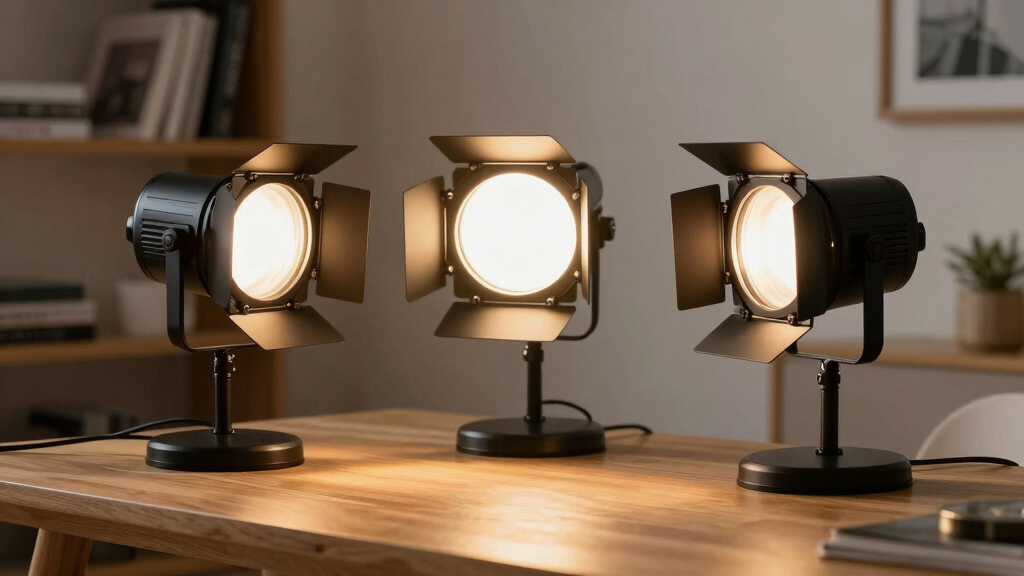
We evaluated each product based on performance, build quality, ease of use, versatility, and value. Brightness levels, color accuracy (CRI and TLCI ratings), and color temperature control were primary performance factors. Usability features like remote control, setup time, and stability influenced the rankings, while build quality ensured durability for long-term use. Value was also considered, balancing price against features offered. This approach ensures the selected lights meet a broad range of professional and amateur needs, with clear distinctions based on their strengths and tradeoffs.Factors to Consider When Choosing Best Studio Lights For Photography
Choosing the best studio lights for photography requires understanding several key factors that influence performance and usability. These considerations help prevent common pitfalls like overpaying for features you don’t need or selecting insufficient power for your setup. By focusing on core aspects like brightness, color quality, and ease of adjustment, you can find a lighting solution that elevates your work without unnecessary complexity or cost.Brightness and Power Output
Brightness determines how well your subject is lit, especially in larger or more open setups. Higher wattage or lumen ratings generally mean brighter light, but they can also increase heat and power consumption. When selecting, consider your typical shooting environment—studio size, background, and subject distance—and match the light power accordingly. Overly bright lights may require diffusers, while insufficient output can lead to underexposure and more post-processing. Balance power with energy efficiency and heat management for the best long-term use.
Color Accuracy and Temperature Control
Accurate color rendering is vital for true-to-life photos. Look for lights with high CRI (Color Rendering Index) and TLCI ratings, ideally above 95. Adjustable color temperature (measured in Kelvin) offers flexibility to match ambient light or achieve specific moods. Some models provide precise digital controls, while others use manual dials—choose based on your workflow. Inconsistent color can require extensive editing, so prioritizing quality here saves time and enhances professionalism.
Ease of Use and Adjustability
Simplicity in setup and control can dramatically impact your shooting efficiency. Features like remote dimming, app control, and quick assembly save valuable time, especially during busy shoots. Adjustable stands, tilting mechanisms, and easy-to-access controls help fine-tune lighting angles and intensity. However, more complex setups might require a learning curve, so consider your familiarity with studio lighting systems. Well-designed controls make a significant difference in achieving consistent results quickly.
Size, Portability, and Setup Time
The physical size of your lights influences where and how you can use them. Larger softboxes and panels provide softer, more flattering light but can be cumbersome for tight spaces or on-location shoots. Compact, lightweight options are easier to transport and set up but may offer less power or diffusion. Think about your typical shooting environment—studio, on-location, or hybrid—to pick a size that balances portability with light quality.
Build Quality and Durability
Studio lights are an investment, so durability matters. Metal housings, high-quality stands, and reliable power supplies reduce the risk of breakdowns during critical shoots. Cheaper models might use plastic components that wear out quickly or fail under frequent use. If you plan to move your lights often or shoot outdoors, prioritize rugged construction and stable stands. Longevity and consistent performance justify higher initial costs, especially for professional use.
Price and Overall Value
While it’s tempting to opt for the cheapest option, consider what you’re sacrificing in features or build quality. A slightly more expensive light with better control, durability, and brightness can save money over time by reducing replacements or upgrades. Conversely, beginners or hobbyists might prefer budget-friendly models that deliver decent results without breaking the bank. Think about your current needs and future growth to select a model that offers the best balance of price and performance.
Frequently Asked Questions
Can I use continuous studio lights for video recording?
Yes, most continuous studio lights are suitable for video because they provide steady illumination without flickering. However, it’s important to check the flicker-free feature and color stability, especially at higher frame rates. Lights with adjustable brightness and color temperature give you more control over your video environment. Keep in mind that some models produce more heat, so proper ventilation is advisable during extended use. Overall, many studio lights serve dual purposes for photography and videography effectively.
What is the ideal CRI rating for professional studio lighting?
For professional-quality results, a CRI of 95 or above is recommended. Higher CRI values mean the light reproduces colors more accurately, which is critical for product, fashion, and portrait photography. Lights with lower CRI might cause color distortions or require extensive post-processing to correct. Investing in high-CRI lighting ensures your photos look natural and vibrant, reducing editing time and enhancing client satisfaction.
Should I buy a kit or individual lights?
Choosing between a kit and individual lights depends on your specific needs and budget. Kits often include stands, softboxes, and accessories, offering a cost-effective way to set up a complete system quickly. They are ideal for beginners or those expanding their studio. Individual lights, however, allow for more tailored setups, higher quality components, and easier upgrades. Consider your current setup, future plans, and whether you prefer convenience or customization when making your choice.
How important is power adjustment for studio lights?
Adjustable power is essential for controlling light intensity based on your subject and environment. Dimmable lights provide flexibility to adapt to different scenes, whether you need subtle fill or strong key lighting. Precise dimming reduces the need for additional modifiers and ensures consistent results across shoots. For professionals, this feature can streamline workflows and improve creative control, but for casual users, basic on/off switches may suffice.
Is LED lighting better than fluorescent or halogen options?
LED lights generally outperform fluorescent or halogen options in efficiency, longevity, and color stability. They produce less heat, consume less power, and offer more precise control over brightness and color temperature. LEDs also tend to be more durable and lightweight, making setup easier. However, high-quality LED lights tend to be more expensive upfront, but their longer lifespan and versatility often justify the investment, especially for ongoing professional use.
Conclusion
For those just starting out, a budget-friendly kit like the NiceVeedi 2-Pack 36W Bi-Color Lights offers great value and simplicity. Professionals seeking top-tier performance with precise control should consider premium options such as the NEEWER 2 Pack Bi Color 660 LED Video Light, which combines brightness, color accuracy, and durability. If portability is a priority, compact softbox kits like the Torjim Softbox Kit with 85W LEDs provide excellent softness and ease of setup. Ultimately, your choice depends on your specific needs—whether you prioritize cost, quality, ease of use, or versatility—each of these picks delivers a compelling option for 2026.