
To prepare for winter outages, focus on insulating your home by sealing gaps around windows and doors, insulating pipes, and keeping cabinets open to prevent freezing. Stock emergency supplies, including water, non-perishable food, batteries, and warm clothes. Protect pipes by adding insulation and letting faucets drip. Develop a plan that combines heat retention, water safety, and quick access to supplies. Continue exploring these strategies to keep your home safe and cozy during winter outages.
Key Takeaways
- Insulate windows, doors, and pipes to retain heat and prevent freezing during outages.
- Prepare an emergency kit with water, non-perishables, batteries, and warm clothing for quick access.
- Keep cabinet doors open and faucets dripping to protect plumbing from freezing damage.
- Develop a comprehensive plan covering insulation, water protection, and emergency supplies for winter outages.
- Incorporate stylish, cozy elements into your preparedness space for comfort and practicality.
As winter approaches, it’s vital to prepare for potential power outages to guarantee your safety and comfort. Power failures can happen suddenly, leaving you without heat, water, or light. To stay ahead, you need a solid plan that covers all bases, especially concerning your home’s insulation, your emergency kit, and ways to protect your pipes. Proper insulation techniques are your first line of defense. They help retain your home’s heat, making cold drafts less likely to drop your indoor temperature dangerously low. Seal gaps around windows and doors, add weather stripping, and consider insulating pipes and exterior walls to prevent heat loss. The better your insulation, the less you’ll rely on your heating system during outages, conserving energy and ensuring warmth for longer periods. Additionally, understanding the stories behind designs can inspire you to incorporate cozy, stylish elements into your emergency preparations, blending function with luxury comfort.
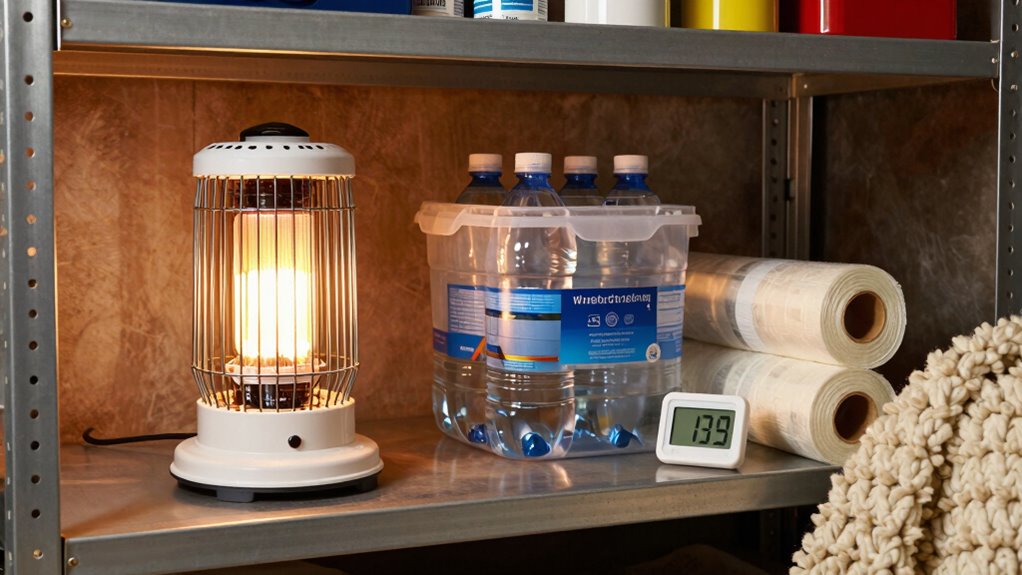
Alongside insulation efforts, assembling an extensive emergency kit is essential. Your kit should include essentials like bottled water, non-perishable food, batteries, flashlights, a battery-powered radio, and a first-aid kit. Don’t forget extra blankets, warm clothing, and gloves to keep yourself warm if the power is out for an extended period. It’s wise to have backup power sources, such as portable chargers or a generator, if feasible. Make sure your emergency kit is accessible and up to date, so you’re ready to act immediately when needed. Having these supplies ready not only provides peace of mind but also ensures that you’re prepared to handle cold, hunger, or any unexpected emergency during a winter outage.
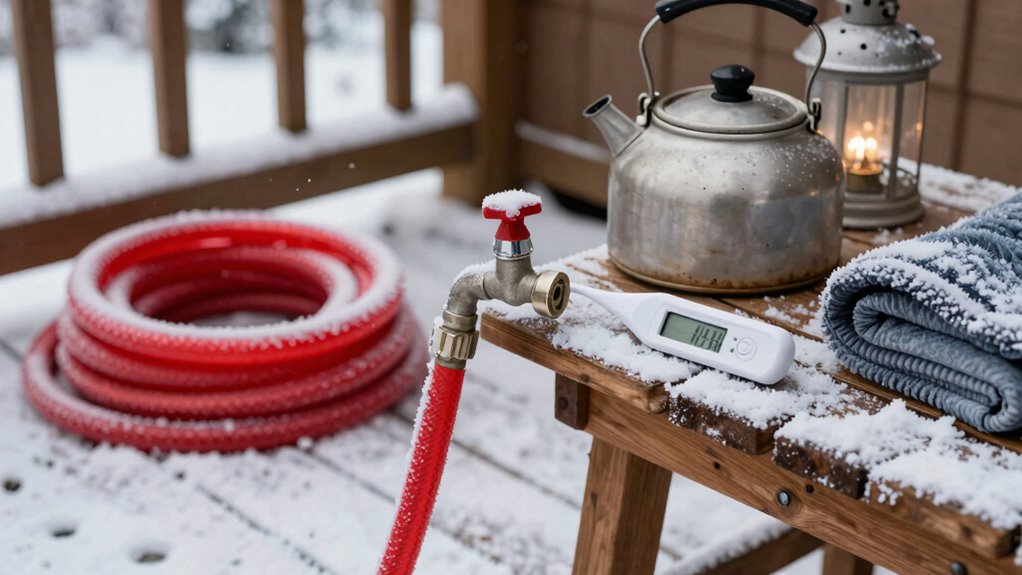
Protecting your water supply and pipes is equally important. Freezing pipes can cause significant damage and costly repairs. To prevent this, insulate exposed pipes with foam or pipe insulation sleeves, especially those in unheated spaces like basements or garages. Keep cabinet doors open under sinks to allow warm air to reach plumbing, and let faucets drip slightly to prevent freezing. During a power outage, avoid opening the refrigerator or freezer unnecessarily, as this will help keep their contents cold longer. If you anticipate a prolonged outage, consider shutting off the main water valve to prevent pipes from bursting if they freeze. Planning ahead with these precautions helps you avoid water damage and costly repairs once the power is restored.
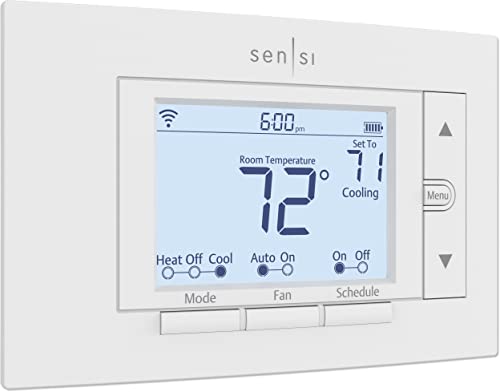
Sensi Smart Thermostat, 100 Years Of Expertise, Wi-Fi, Data Privacy, Programmable, Easy DIY Install, Works With Alexa, Energy Star Certified, Mobile App, ST55
PRIVACY PROTECTION*: Sensi won’t sell your personal information to third parties
As an affiliate, we earn on qualifying purchases.
Frequently Asked Questions
How Can I Prevent Pipes From Freezing During a Winter Outage?
To prevent pipes from freezing during a winter outage, you should insulate your pipes with pipe insulation, especially those near exterior walls. Keep a faucet drip running to maintain water flow, reducing the risk of freezing. Additionally, open cabinet doors under sinks to let warm air reach the pipes, and consider shutting off main water supplies if you’re away, then draining the system to prevent ice formation.
What Are the Best Emergency Heating Options for Power Outages?
For emergency heating during power outages, you need reliable fuel options like wood, propane, or kerosene. These fuels provide consistent warmth and can be used with space heaters, fireplaces, or stoves. Make certain you have enough fuel stored safely, keep ventilation open to prevent carbon monoxide buildup, and maintain proper equipment use. This way, you stay warm, safe, and prepared until power is restored.
How Do I Safely Shut off Water Supply During a Winter Storm?
You should locate your main water shutoff valve, usually near the water meter or where water enters your home. Turn it clockwise to shut off the water supply. To prevent pipes from freezing, insulate them with pipe insulation before a storm hits. This simple step helps safeguard your plumbing, and ensuring the water shutoff is easily accessible allows quick action if needed during a winter storm.
What Should I Include in My Winter Outage Emergency Kit?
In your winter outage emergency kit, you should include warm winter clothing like gloves, hats, and thermal layers, along with essential emergency supplies such as bottled water, non-perishable food, flashlights, batteries, and a portable phone charger. Pack a first aid kit, blankets, and backup heating sources. By gathering these items, you guarantee warmth, hydration, and safety, ready to face any winter storm disruptions with confidence and peace of mind.
How Often Should I Inspect My Home’s Plumbing Before Winter?
You should inspect your home’s plumbing at least once every fall before winter hits. Check for any leaks and verify your pipe insulation is intact, especially around vulnerable areas. Look for signs of wear or cracks, and consider leak detection devices for added security. Regular inspections help prevent pipe bursts and water damage, giving you peace of mind during the cold months. Stay proactive to keep your plumbing system winter-ready.
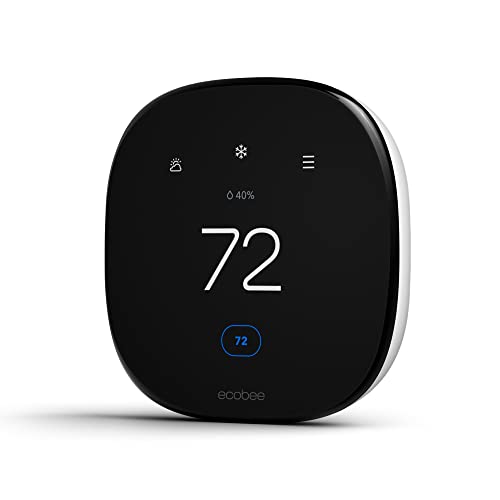
ecobee Smart Thermostat Enhanced - Programmable Wifi Thermostat - Works with Siri, Alexa, Google Assistant - Energy Star Certified - Smart Home
Save up to 26% per year on heating and cooling costs Automatically adjusts the temperature when you’re away...
As an affiliate, we earn on qualifying purchases.
Conclusion
Prepare your heat, water, and pipes now. Check your systems, insulate your pipes, and keep emergency supplies handy. Stay proactive, stay protected, and stay warm this winter. By planning ahead, you’ll prevent problems, reduce stress, and enjoy peace of mind. Don’t wait for a freeze to act—take control today. With these simple steps, you’ll face winter confidently, knowing you’re ready for whatever the season brings. Stay safe, stay warm, and stay prepared.
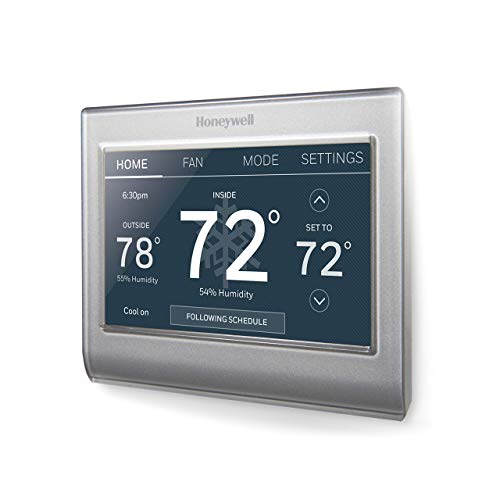
Honeywell Home RTH9585WF1004 Wi-Fi Smart Color Thermostat, 7 Day Programmable, Touch Screen, Energy Star, Alexa Ready, Gray
COMFORT COMES IN YOUR COLOR. Personalize your Wi-Fi Smart Color Programmable Thermostat to fit your décor.
As an affiliate, we earn on qualifying purchases.

Amazon Smart Thermostat – Save money and energy - Works with Alexa and Ring - C-wire required
Smart upgrade - Amazon Smart Thermostat is an easy way to switch from a traditional thermostat and help...
As an affiliate, we earn on qualifying purchases.