You might notice your filtered water tasting flat because the filtration process often removes essential minerals like calcium, magnesium, and potassium that give water a lively, crisp flavor. When minerals are stripped away, the water can taste dull or bland. Additionally, some filters change the pH level, making water more acidic or alkaline, which affects its brightness. If you’re curious about how to restore that invigorating taste, there’s more to discover below.

Prime made for students and young adults
- Fast, free delivery for dorm and study essentials
- Prime Video and Amazon Music included
- Member-only deals
Key Takeaways
- Filtering often removes naturally occurring minerals that give water its lively and crisp flavor.
- Certain filters, like reverse osmosis, strip almost all minerals, leading to a dull, flat taste.
- pH imbalance from filtration can reduce water’s brightness, making it taste flat or dull.
- Low mineral content in source water can become more pronounced after filtering, causing flatness.
- Restoring minerals or adjusting pH after filtration can help reintroduce flavor and crispness.
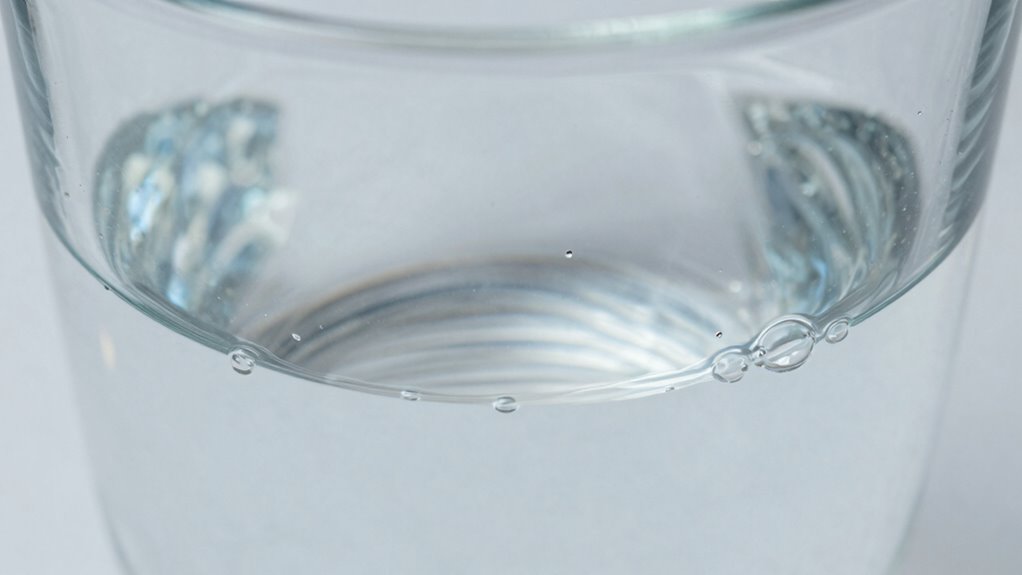
Many people notice that their filtered water tastes flat, which can be surprising given that filtering is supposed to improve flavor. The reason for this often comes down to changes in mineral content and pH balance. When water is filtered, especially through certain types of filters, it can strip away naturally occurring minerals like calcium, magnesium, and potassium. These minerals are what give water a lively, invigorating taste. Without them, the water can feel dull or bland, leading to that flat sensation you’re experiencing. If your water lacks these minerals, it’s not necessarily unsafe, but it can lose the crispness you expect from good-tasting water.
Filtered water can taste flat when minerals like calcium and magnesium are removed, dulling its natural crispness.
Another factor influencing the flat taste is pH balance. Most natural water has a slightly alkaline pH, usually between 6.5 and 8.5. When water becomes more acidic or more alkaline due to filtration, it can affect how you perceive its flavor. For instance, some filters, especially those that use reverse osmosis or charcoal, can lower the pH, making the water more acidic. This acidity can mute the water’s natural brightness and make it seem dull or flat. Conversely, if a filter causes the water to be too alkaline, it might taste overly smooth or even slightly soapy, again diminishing that crisp, rejuvenating quality you want.
The type of filter you use plays a big role here. Activated carbon filters excel at removing chlorine and organic compounds that can cause off-flavors, but they can also strip away minerals. Reverse osmosis systems go even further, removing almost everything, including beneficial minerals. While these systems make water safe and clean, they can also leave the water tasting flat if you don’t take steps to restore mineral content afterward. Some people choose to add mineral drops or remineralize their water after filtration to bring back that lively flavor and balance the pH. Additionally, understanding mineral content can help you make more informed choices about your water treatment options.
In some cases, the source water itself is a factor. If your tap water already has low mineral content or an imbalanced pH, filtration can worsen the taste. It’s worth testing your water before and after filtering to understand what’s happening. You might find that adjusting your filtration method or supplementing with minerals improves the taste considerably. Properly assessing your water’s initial mineral levels can help you determine the most suitable filtration and mineralization approach for optimal flavor. Furthermore, being aware of the effects of mineral removal can guide you in choosing the right filtration system or post-filtration treatments. It’s also helpful to consider water mineralization techniques that can help restore the natural taste and balance if needed. Recognizing the impact of mineral content on flavor can further assist you in making the best choices for your water’s quality. Ultimately, if your filtered water tastes flat, it’s often about restoring or maintaining the mineral content and pH balance. Doing so can bring back that invigorating, crisp flavor you’re missing, making your filtered water not just safe but also enjoyable to drink.
water mineral drops for filtration
As an affiliate, we earn on qualifying purchases.
As an affiliate, we earn on qualifying purchases.
Frequently Asked Questions
Can the Type of Water Filter Affect Taste?
Yes, the type of water filter can affect taste. Different filter materials, like charcoal or reverse osmosis, impact pH levels and can cause a pH imbalance, making water taste flat or dull. Some filters remove minerals that give water a lively taste, while others add unwanted tastes. So, choosing the right filter guarantees you maintain natural flavors and avoid flatness caused by inappropriate filter materials.
Does Water Temperature Influence the Flat Taste?
Water temperature can be like a silent conductor, subtly shaping taste. Cooler water often emphasizes mineralization and pH balance, making it seem crisper, while warmer water can dull these sensations, leading to a flat taste. When water is too warm, it may cause minerals to taste more muted, reducing the perception of freshness. To enjoy the true flavor, keep your filtered water at a moderate temperature.
How Long Should Filtered Water Be Stored Before Drinking?
You should store filtered water for no more than 24 to 48 hours. During this time, water can lose essential qualities like mineralization and pH balance, which affect taste. If stored too long, it may taste flat or dull because minerals and pH levels shift, reducing overall freshness. To keep your water tasting ideal, use a clean, airtight container and consume it within this timeframe.
Can Mineral Content Impact Filtered Water’s Flavor?
Yes, mineral content considerably impacts filtered water’s flavor. When mineral balance is off, the water can taste flat or dull. Additionally, pH levels play a role; if the water is too acidic or alkaline, it affects taste quality. You might notice a metallic or salty flavor if minerals like calcium or magnesium are imbalanced. Adjusting mineral content and maintaining proper pH levels can improve the water’s taste and overall quality.
Is There a Way to Improve Flat-Tasting Filtered Water?
Your water can taste dramatically better with simple tweaks. To improve flat-tasting filtered water, try flavor enhancement by adding a splash of citrus or a few drops of natural fruit essence. Additionally, pH adjustment can make your water more invigorating—adding a pinch of baking soda raises alkalinity, balancing flavor. These small changes can turn dull water into a revitalizing, lively sip that feels like a splash of vitality in every gulp.
remineralization filter for water
As an affiliate, we earn on qualifying purchases.
As an affiliate, we earn on qualifying purchases.
Conclusion
So, next time your filtered water tastes flat, remember it’s often due to the removal of natural minerals that give water its lively flavor. Surprisingly, a study found that over 60% of people prefer mineral-rich water because of its better taste. Don’t be discouraged—try adding a pinch of sea salt or a slice of lemon to bring back that invigorating zing. Small tweaks can make your filtered water way more enjoyable!
As an affiliate, we earn on qualifying purchases.
reverse osmosis water remineralizer
As an affiliate, we earn on qualifying purchases.
As an affiliate, we earn on qualifying purchases.
Fall Picks
fall essentials
As an affiliate, we earn on qualifying purchases.