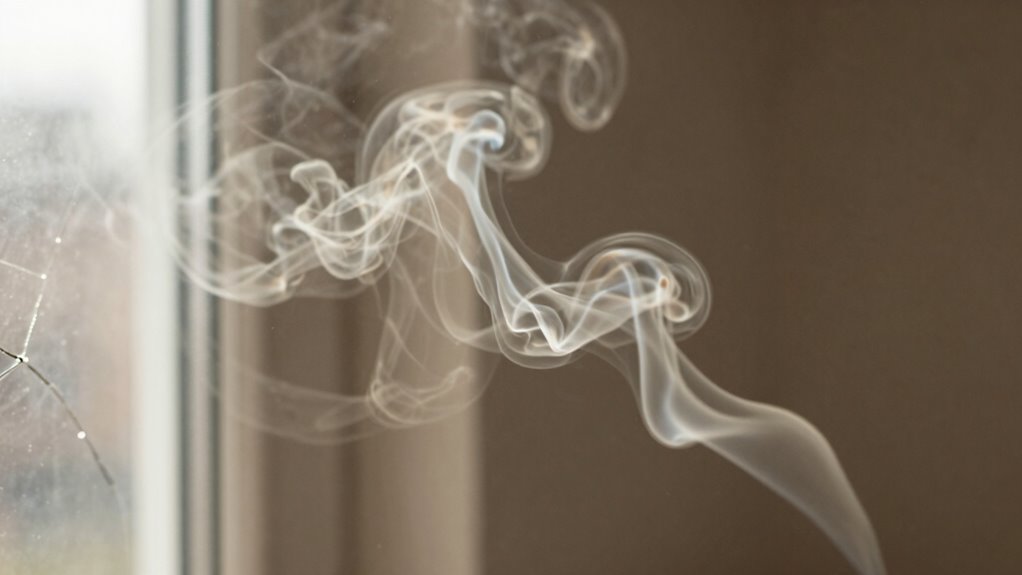
You shouldn’t use the same filter strategy for smoke, odors, and allergies because each requires different solutions. For example, HEPA filters work best for allergens like pollen and pet dander, while activated carbon layers are more effective at neutralizing odors and smoke. Combining these filters addresses multiple issues better than a one-size-fits-all approach. By understanding these differences, you can improve your air quality. Keep exploring how tailored filter strategies can make your indoor environment healthier.
Play games included with Prime
Start a Prime free trial and play with Amazon Luna on your devices.
As an affiliate, we earn on qualifying purchases.
Key Takeaways
- Different pollutants require specialized filters; smoke, odors, and allergens each need tailored solutions.
- HEPA filters effectively capture allergens, while activated carbon layers are best for odors and smoke.
- Combining filters or upgrading to multi-stage purifiers addresses multiple issues simultaneously.
- Regular maintenance and timely filter replacement ensure optimal performance for specific pollutants.
- Understanding indoor air quality needs guides effective filter selection and improves overall health.
If you’re dealing with smoke, lingering odors, or allergies, using the right air filter can make a noticeable difference. Each situation demands a specific approach to air purifier maintenance and filter replacement schedules to guarantee you get the best results. Smoke particles, for example, are tiny and can pass through many standard filters, so you’d want a high-efficiency particulate air (HEPA) filter with activated carbon layers. These specialized filters can trap smoke particles and neutralize odors, helping your indoor air stay fresh and safe. When it comes to lingering odors, you might need a filter that emphasizes activated carbon or charcoal layers, which are designed to absorb smells rather than just trap particles. Allergies, on the other hand, often require filters that focus on capturing pollen, dust mites, pet dander, and other common allergens. HEPA filters are usually your best bet here, as they can trap particles as small as 0.3 microns with 99.97% efficiency.
Choosing the right filter, like HEPA or activated carbon, is essential for optimal air quality and allergy relief.
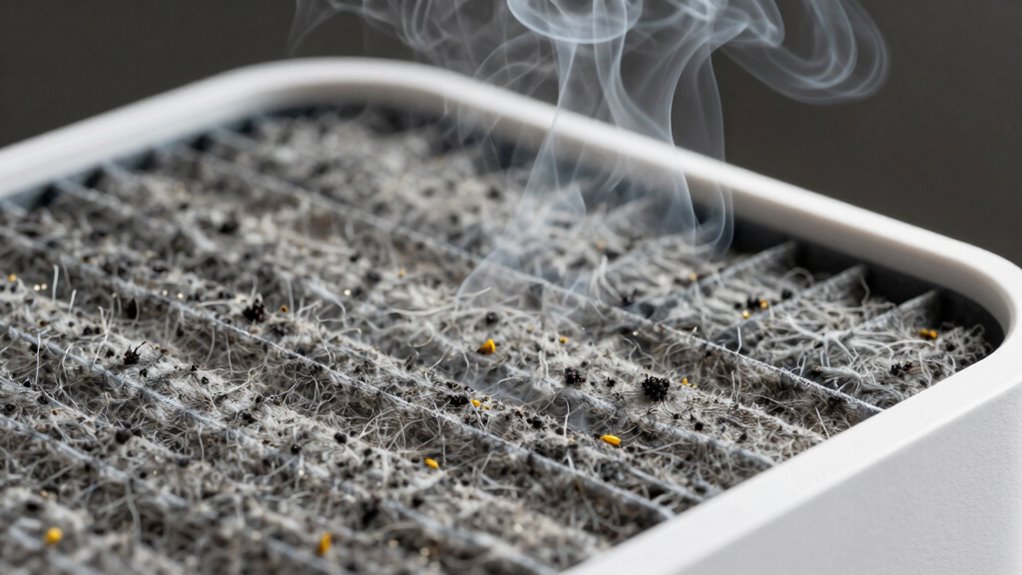
Understanding air purifier maintenance is key to maintaining ideal air quality. Regularly cleaning or replacing filters according to your device’s filter replacement schedules prevents buildup that can reduce efficiency. If you neglect filter changes, your purifier might circulate unfiltered air or become a source of new allergens or odors. Establish a routine based on your purifier’s recommendations—some filters need changing every three months, while others might last longer if you have less frequent use. Keeping track of filter replacements not only prolongs the lifespan of your device but also guarantees it performs at peak efficiency. Additionally, staying informed about proper filter types can help you select the most effective options for your specific needs. Proper filter selection based on your environment ensures you address the particular pollutants present indoors. Using the appropriate air quality testing can help identify the main indoor pollutants and guide your filter choices more precisely.
Different filters serve different purposes, so tailoring your maintenance routine to your specific needs is vital. For smoke and odors, you might find that upgrading to a purifier with a dedicated activated charcoal filter is worthwhile, even if it means more frequent replacements. Allergies call for filters that are highly rated for allergen removal, and following a strict filter replacement schedule helps prevent the buildup of trapped particles that can trigger symptoms. Remember, the effectiveness of your air purifier depends heavily on timely filter changes. Neglecting this can turn your device into a source of dirt and pollutants rather than a solution.
In essence, the key to managing smoke, odors, and allergies efficiently lies in understanding your specific needs and sticking to a disciplined air purifier maintenance routine. By choosing the right filters and adhering to proper replacement schedules, you’ll improve your indoor air quality greatly, making your environment healthier and more comfortable.
As an affiliate, we earn on qualifying purchases.
Frequently Asked Questions
How Often Should I Replace Filters for Different Concerns?
You should replace filters regularly based on your specific air quality concerns. For general air quality improvement, change filters every 90 days. If you’re dealing with allergies, consider replacing filters every 30 to 60 days. For smoke and odors, more frequent filter maintenance—about every 30 days—is advisable. Staying consistent with filter changes guarantees maximum air quality and efficiency, helping you breathe easier and maintain a healthier environment.
Are There Specific Filters for Pet Allergies?
Yes, there are specific filters for pet allergies. Look for HEPA filters, as they effectively trap pet dander and allergy triggers. These filters capture tiny particles that cause allergic reactions, improving indoor air quality. Make sure to replace or clean your HEPA filter regularly to maintain its effectiveness. Using a dedicated pet allergy filter helps reduce symptoms and creates a healthier environment for you and your pets.
Can Air Purifiers Eliminate All Types of Odors?
Air purifiers can substantially reduce many odors, but they may not eliminate all types completely. To improve odor removal, look for models with chemical absorption features like activated carbon filters, which trap odors more effectively. Also, guarantee good air circulation, as it helps distribute the purified air throughout your space. Combining these elements increases the chances of reducing persistent odors, though some strong or chemical odors might still linger.
Do HEPA Filters Remove Smoke Particles Effectively?
Think of HEPA filters as vigilant guardians, catching smoke particles as tiny as 0.3 microns with laser-sharp precision. Smoke filtration with HEPA is highly effective because it targets those microscopic particles that float in the air, preventing them from settling in your lungs or on surfaces. Their ability to trap particles of various sizes makes HEPA filters a reliable shield against smoke, ensuring cleaner, fresher air in your space.
What Signs Indicate It’s Time to Change My Air Filter?
You should change your air filter when you notice a decline in air quality or the filter looks visibly dirty or clogged. Typically, filters reach the end of their lifespan after 1 to 3 months, but this can vary based on usage and environment. Regularly inspecting your filter helps maintain peak airflow and indoor air quality, ensuring your system runs efficiently and prolongs its lifespan.
activated carbon air filter for smoke odors
As an affiliate, we earn on qualifying purchases.
As an affiliate, we earn on qualifying purchases.
Conclusion
Now that you know smoke, odors, and allergies each require different filter strategies, are you ready to upgrade your air purifier? Imagine breathing cleaner air effortlessly, but what if the next hidden allergen or unexpected smell sneaks through? Don’t leave your indoor air quality to chance—stay one step ahead. The right filter could be the game-changer you’ve been searching for. Are you prepared to take that essential step toward healthier, fresher air?
multi-stage air purifier for allergens and odors
As an affiliate, we earn on qualifying purchases.
As an affiliate, we earn on qualifying purchases.
replaceable filter for indoor air quality
As an affiliate, we earn on qualifying purchases.
As an affiliate, we earn on qualifying purchases.
NFL season / tailgating Picks
team gear
As an affiliate, we earn on qualifying purchases.