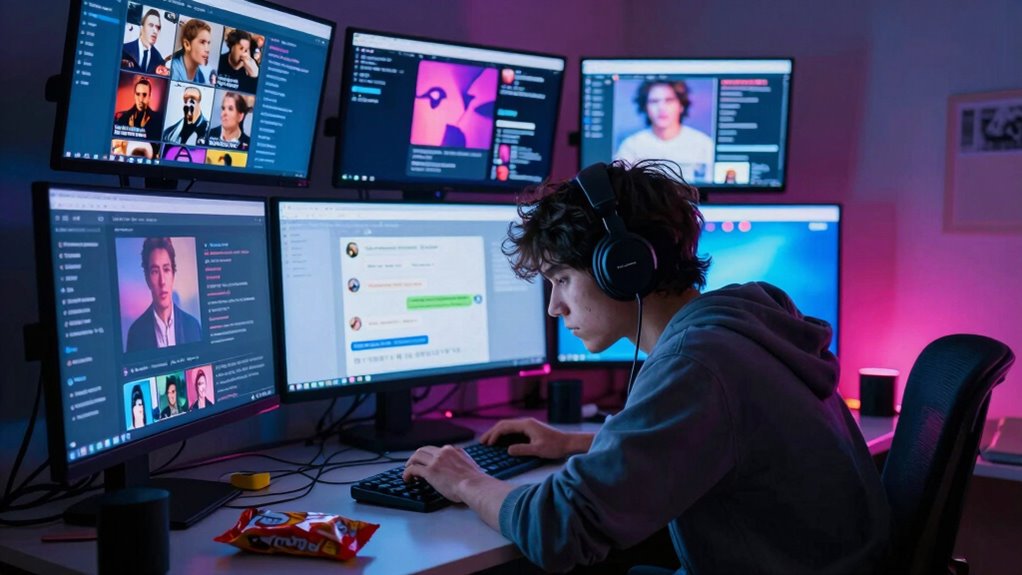

Being “chronically online” means you spend many hours on social media, forums, and content streams, often to the point of feeling overwhelmed, exhausted, or disconnected. It can cause mental drain, social media burnout, and emotional stress, making it harder to focus or enjoy offline moments. Over time, it may contribute to anxiety, depression, and reduced overall well-being. Keep exploring this topic to learn how setting boundaries and taking breaks can help improve your digital life.
Prime for Young Adults — start your free trial
Fast free delivery, streaming and member deals for eligible 18–24 year olds.
As an affiliate, we earn on qualifying purchases.
Key Takeaways
- Spending excessive hours on social media and online platforms, leading to mental and emotional exhaustion.
- Experiencing information overload and reduced attention span from constant digital consumption.
- Feeling disconnected from real-life interactions due to prolonged online engagement.
- Suffering from social media fatigue, stress, and digital burnout affecting overall well-being.
- Struggling to set boundaries and manage screen time, resulting in ongoing digital dependency.
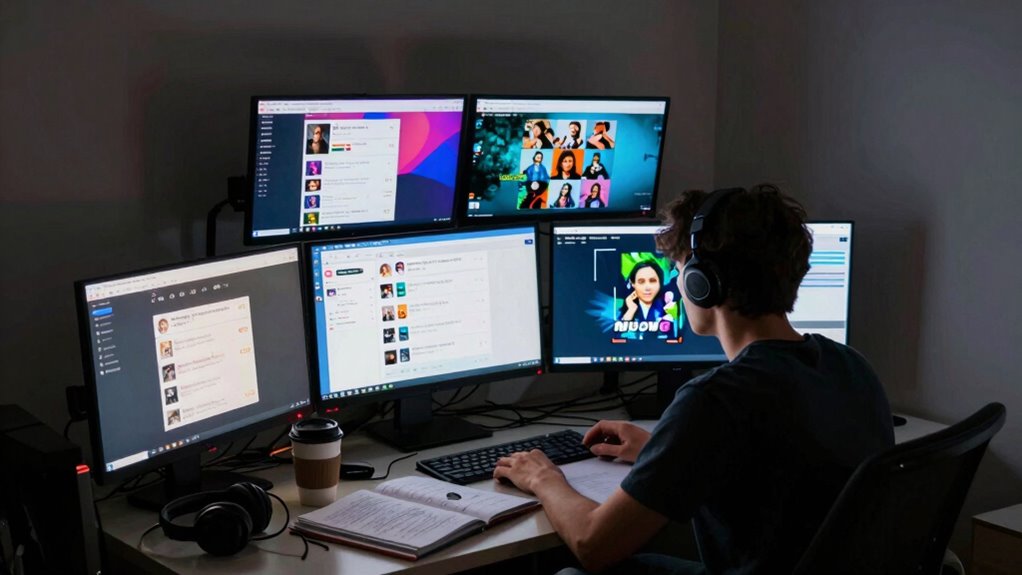
In today’s digital age, many people find themselves “chronically online,” spending extensive hours traversing social media, forums, and endless streams of content. This constant connectivity might seem harmless at first, but it often leads to a sense of overwhelm and exhaustion. You may notice yourself feeling drained, anxious, or disconnected, even as you scroll through feeds. This is where the idea of a digital detox becomes essential. A digital detox involves intentionally unplugging from screens and social media to regain mental clarity and emotional balance. It’s a way to step back from the relentless cycle of notifications, likes, and updates that keeps you tethered to your devices. Without this break, social media fatigue can build, making you feel more stressed and less present in your daily life.
When you’re chronically online, your brain constantly processes new information, which can lead to cognitive overload. You might find yourself mindlessly scrolling, chasing fleeting dopamine hits from notifications or new content. Over time, this habit can diminish your attention span and increase feelings of anxiety or depression. Social media fatigue sets in when your mental energy wears thin from the perpetual influx of information and the pressure to stay connected and updated. You might start questioning the value of what you’re consuming or feel guilty about the time spent online. These feelings can spiral, making you more reluctant to disconnect, even though your mental health needs a break. Recognizing the impact of information overload can motivate you to establish healthier boundaries, especially as understanding of digital wellness continues to grow. Developing awareness of screen time management strategies can further support your efforts to maintain a balanced lifestyle. Incorporating mindfulness practices into your routine can also help you stay grounded and reduce the urge to constantly check your devices.
Understanding what it means to be chronically online helps you recognize the importance of setting boundaries. It’s not about avoiding the internet altogether but about creating healthier habits. Taking regular breaks, limiting your screen time, and engaging in offline activities help reduce social media fatigue. A digital detox doesn’t have to be a drastic retreat; even small steps—like turning off notifications or designating tech-free hours—can make a significant difference. When you step away from the screens, you give your mind space to breathe, reflect, and reconnect with yourself and the world around you. This practice can help restore focus, improve mood, and foster genuine social interactions outside the digital realm. Ultimately, understanding what “chronically online” means underscores the importance of balance in our digital lives, so you don’t lose sight of what truly matters beyond the screen.
As an affiliate, we earn on qualifying purchases.
Frequently Asked Questions
How Do You Know if You’re Truly “Chronically Online”?
You’re truly “chronically online” if you find it hard to disconnect, even during a digital detox, and often feel restless without internet access. You might spend most of your free time scrolling or engaging online, neglecting offline hobbies like reading or outdoor activities. If your digital habits interfere with daily life or relationships, it’s a sign you’re spending too much time online. Recognizing this helps you set healthier boundaries.
Can Being “Chronically Online” Affect Mental Health?
Being “chronically online” can definitely affect your mental health. Your digital dependency often leads to emotional exhaustion, as constant exposure to social media and online interactions drain your energy and create stress. It’s easy to feel overwhelmed or anxious when you’re always connected. Recognizing this pattern helps you set boundaries, take breaks, and protect your mental well-being from the negative impacts of excessive online activity.
Is “Chronically Online” Only About Social Media Use?
Being “chronically online” isn’t just about social media use; it’s about digital dependency and online obsession. You spend so much time connected that it impacts your daily life, not just scrolling social platforms but constantly seeking information, validation, or entertainment. This relentless digital engagement can lead to mental fatigue, anxiety, or decreased real-world interactions, making your online habits more about dependency than just social sharing.
How Can Someone Reduce Their Online Time Effectively?
You can reduce your online time effectively by committing to a digital detox for a set period each day. During that time, focus on offline hobbies like reading, exercising, or cooking. Turn off notifications and set boundaries for social media use. Engage in activities that bring you joy and help you disconnect from screens. Consistency is key—over time, you’ll find it easier to balance your online and offline life.
Does Being “Chronically Online” Impact Real-Life Relationships?
Being “chronically online” can turn your relationships into fragile glass, easily shattered by neglect. It impacts your real-life connections by creating emotional distance and miscommunication. To mend this, you need a digital detox and clear offline boundaries, like sturdy fences protecting your personal space. When you prioritize face-to-face moments, your bonds grow stronger, and your relationships flourish beyond the screen, restoring trust and intimacy.
As an affiliate, we earn on qualifying purchases.
Conclusion
You might think being “chronically online” is just a habit, but it’s more than that. It shapes how you see the world, your relationships, and even your sense of self. Sure, some say it’s just digital noise, but ignoring it means missing out on understanding a major part of today’s culture. Instead of dismissing it, learn to navigate it wisely—because being “online” is here to stay, and how you engage with it matters.
As an affiliate, we earn on qualifying purchases.
As an affiliate, we earn on qualifying purchases.
Fall Picks
fall essentials
As an affiliate, we earn on qualifying purchases.