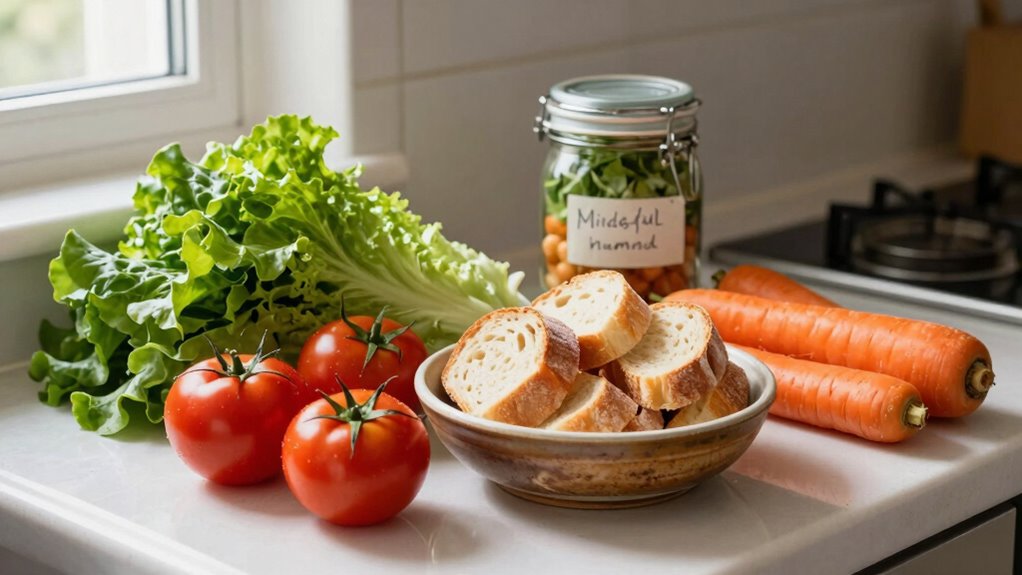

To stop food waste without obsessing, focus on practical habits like meal planning based on what you already have and creating detailed shopping lists to avoid impulse purchases. Store perishables properly, label items, and use leftovers creatively. Practice mindful shopping and storage, and compost organic scraps to reduce landfill waste. Remember, small consistent steps make a difference—if you’re curious, you’ll find simple ways to keep waste low while staying relaxed and realistic about your habits.

Get school and study supplies delivered free — and shop member deals
- Fast, free delivery on millions of items
- Access to Prime Big Deal Days deals on October 6–7
- Prime Video, Amazon Music and more included
Key Takeaways
- Implement small, manageable habits like meal planning and mindful shopping to reduce waste without feeling overwhelmed.
- Focus on realistic portion sizes and creative use of leftovers to prevent excess food.
- Use proper storage techniques and label items to extend freshness and avoid spoilage.
- Incorporate composting for organic scraps to minimize landfill waste sustainably.
- Prioritize consistent, practical actions over perfection to maintain long-term waste reduction.
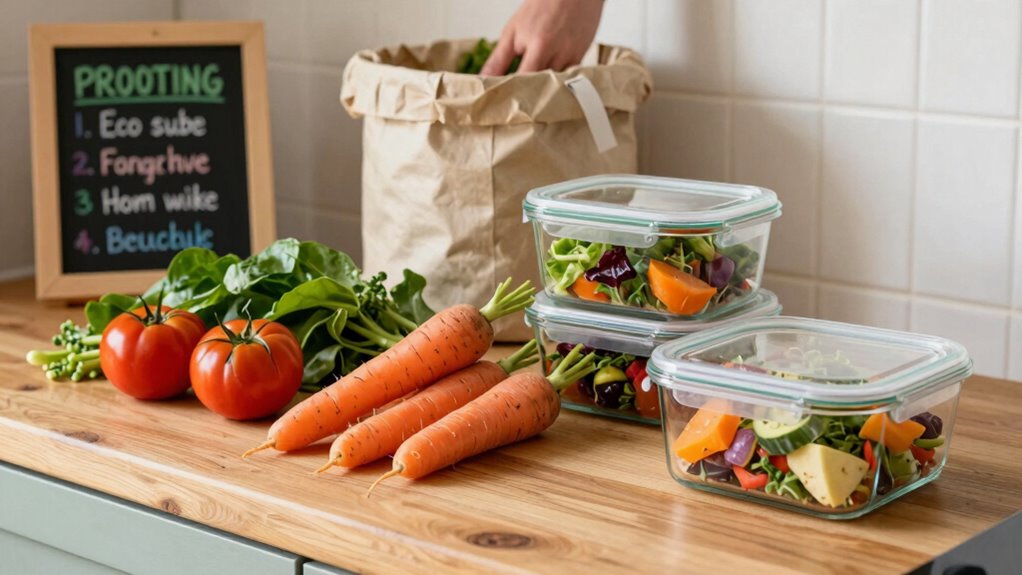
Every year, millions of tons of food go to waste, but you can make a difference by taking simple steps to reduce your waste. One of the most effective ways to do this is through thoughtful meal planning. Instead of buying ingredients on impulse, plan your meals for the week, focusing on what you already have and what you’ll actually eat. This not only cuts down on excess food, but it it also saves you money and reduces the stress of last-minute shopping. When you create a detailed shopping list based on your meal plan, you’re less likely to pick up items that will spoil before you can use them. Be realistic about portion sizes, so you’re not preparing more than you can consume, and aim to use leftovers creatively, turning them into new meals or snacks.
Plan your meals and shop mindfully to reduce waste, save money, and make cooking easier.
In addition to planning ahead, consider storing food properly to extend its freshness. Use airtight containers, keep perishables at the right temperature, and label items with purchase or expiration dates. Doing so helps you keep track of what you have and prevents spoilage. When you notice produce or leftovers nearing their expiration, get creative with recipes or preserve them through freezing or canning, so they don’t go to waste. Incorporating proper storage techniques can significantly reduce food spoilage and help maintain your ingredients’ freshness longer. Proper storage is also an essential aspect of food preservation, which can help you save resources over time. Understanding the importance of proper storage techniques further enhances your ability to prevent food waste effectively. Additionally, understanding the importance of food safety can prevent health risks associated with consuming spoiled food. Understanding proper food handling techniques further reduces the risk of contamination and waste.
Composting tips are another crucial part of reducing food waste without obsessing over every crumb. Composting allows you to divert organic waste from landfills and turn it into nutrient-rich soil for your garden. Start small by collecting scraps like vegetable peels, coffee grounds, and eggshells in a compost bin or pile. Aerate regularly to keep the compost healthy, and balance green materials (wet, nitrogen-rich) with brown materials (dry, carbon-rich). This process not only minimizes waste but also provides you with natural fertilizer for your plants, closing the loop on your food consumption. Remember, composting doesn’t have to be complicated or smelly if you follow basic tips and maintain a good mix of materials.
You don’t have to become obsessive about every piece of food or spend hours managing waste. Instead, focus on practical, manageable steps like meal planning to prevent overbuying and composting tips to handle unavoidable scraps. Small, consistent actions add up over time. By being intentional about how you shop, store, and dispose of food, you protect resources, save money, and contribute to a healthier planet—all without feeling overwhelmed or deprived. The goal is to develop habits that are sustainable and easy to follow, making a positive impact without taking the joy out of eating or cooking.
airtight food storage containers
As an affiliate, we earn on qualifying purchases.
As an affiliate, we earn on qualifying purchases.
Frequently Asked Questions
Can Food Waste Reduction Save Me Money Long-Term?
Yes, reducing food waste can save you money long-term. By planning meals and buying only what you need, you cut costs and avoid throwing away unused food. Plus, it minimizes your environmental impact by decreasing landfill waste and conserving resources like water and energy. Over time, these small changes add up, leading to significant cost savings and a positive impact on the environment, making your efforts both economical and eco-friendly.
How Do I Handle Leftover Food Safely?
To handle leftover food safely, prioritize proper food safety and storage techniques. Cool leftovers promptly, ideally within two hours, and store them in airtight containers. Label and date your containers to keep track of freshness. Reheat leftovers thoroughly to kill bacteria, ensuring they’re steaming hot. Regularly check stored food for spoilage, and discard anything that looks or smells off. This approach helps prevent foodborne illnesses and minimizes waste.
What Are Creative Ways to Reuse Food Scraps?
Turning food scraps into culinary treasures is a delightful form of creative recycling. You can use composting techniques to enrich your garden or repurpose vegetable peels and coffee grounds into flavorful broths. Consider making veggie chips from thinly sliced scraps or fermenting stubborn leftovers into tangy condiments. By embracing these inventive methods, you reduce waste and breathe new life into your kitchen, making each ingredient work harder and smarter.
Does Reducing Waste Require Strict Meal Planning?
Reducing waste doesn’t require strict meal planning, but it helps to be organized. You can plan simple meals around ingredients you already have, which minimizes leftovers and spoilage. Proper food storage extends freshness, giving you more flexibility. Think of meal planning as a guide rather than a rule—use it to reduce waste, but stay adaptable. This way, you save money and prevent unnecessary food disposal without becoming obsessive.
How Can I Involve My Family in Reducing Waste?
Family fun fosters food waste freedom! You can involve your family by encouraging collaboration and creating waste awareness. Turn meal prep into a team task, ask everyone’s ideas, and share tips on saving leftovers. Make it a game—see who can reduce waste most each week. By building these habits together, you promote positive change, strengthen bonds, and make sustainable living simple, satisfying, and shared.
compost bin for kitchen countertop
As an affiliate, we earn on qualifying purchases.
As an affiliate, we earn on qualifying purchases.
Conclusion
Stopping food waste doesn’t mean obsessing over every crumb; it’s about making smarter choices. Think of your kitchen like a garden—when you tend to it thoughtfully, you harvest more and waste less. I once watched a friend save a wilted bunch of herbs by tossing them into a soup, and that simple act saved her from throwing out a bunch of produce. Small habits like this turn your food waste garden into a lush, sustainable space.
food labeling stickers and markers
As an affiliate, we earn on qualifying purchases.
As an affiliate, we earn on qualifying purchases.
meal prep containers for leftovers
As an affiliate, we earn on qualifying purchases.
As an affiliate, we earn on qualifying purchases.
Halloween Picks
halloween
As an affiliate, we earn on qualifying purchases.