

Recovery is a crucial part of progress because setbacks create opportunities for growth, resilience, and learning. When you take time to recover, you strengthen your mental and emotional muscles, making you more prepared for future challenges. Pausing allows reflection and adaptation, turning obstacles into stepping stones. Embracing recovery as part of the process helps you develop a positive mindset and perseverance. Keep exploring how setbacks can fuel your long-term success.
Key Takeaways
- Recovery signals that progress has been made and setbacks are part of the learning journey.
- Rest and recovery strengthen mental resilience, enabling sustained growth through challenges.
- Emotional processing during recovery fosters patience, self-compassion, and long-term adaptability.
- Viewing setbacks as opportunities for growth encourages a positive mindset and perseverance.
- Acknowledging recovery as integral to progress shifts perception from failure to necessary development.

Have you ever wondered why setbacks are often essential to growth? It’s a question that touches on a fundamental truth about progress: recovery isn’t a sign of failure but a crucial part of moving forward. When you experience obstacles or setbacks, it might feel discouraging, but these moments are opportunities to build mental resilience and foster emotional growth. Every stumble pushes you to adapt, learn, and strengthen your inner resources.
Mental resilience is like a muscle that you develop through challenges. When you face setbacks, you learn how to manage stress, stay focused, and bounce back more quickly. Instead of viewing failure as the end, see it as a necessary step that toughens your mind. Each recovery period teaches you how to handle adversity better the next time around. It’s during these times of reflection and rebuilding that your capacity to endure grows stronger, making future hurdles seem less intimidating. Recognizing that setbacks are part of the learning process can help you embrace difficulties with a growth mindset. Moreover, understanding that resilience is cultivated through consistent effort can motivate you to persevere through tough times.
Emotional growth also flourishes during recovery. When things don’t go as planned, you’re forced to confront your feelings—disappointment, frustration, or even fear. This process helps you understand your emotional landscape more clearly. Over time, you develop patience and self-compassion, recognizing that setbacks are not a reflection of your worth but a natural part of progress. You learn to accept your feelings, process them healthily, and move forward with a deeper sense of self-awareness. This emotional resilience becomes a foundation that supports your long-term growth, making you more adaptable and confident. Recognizing that Resilience, both mental and emotional, is cultivated through these challenges, allowing you to face future difficulties with greater ease. Understanding that growth involves ongoing recovery can help you see setbacks as essential to your development rather than obstacles. Additionally, embracing a growth mindset encourages a more positive outlook on setbacks, viewing them as opportunities for learning rather than failures. Developing a positive attitude toward setbacks can further empower you to see challenges as catalysts for personal transformation.

The Resilient Runner: Mental Toughness Training for Endurance Runners
As an affiliate, we earn on qualifying purchases.
As an affiliate, we earn on qualifying purchases.
Frequently Asked Questions
How Long Does True Recovery Typically Take?
Recovery timelines vary based on your situation, but true recovery often takes months or even years. You’ll reach key milestones along the way, like regaining strength or restoring confidence. It’s vital to practice patience in healing, understanding that progress isn’t always linear. Stay committed and realistic about your goals, knowing that consistent effort and time are essential to achieving genuine recovery and long-term growth.
Can Setbacks Be Part of the Recovery Process?
Yes, setbacks are a natural part of the recovery process. They help you learn resilience and build strength. During setbacks, focus on stigma reduction by reminding yourself that struggles don’t define your progress. Lean on support networks—friends, family, or professionals—to stay motivated and grounded. Remember, setbacks are opportunities to grow, not failures. With patience and support, each challenge brings you closer to lasting recovery and personal growth.
Is Recovery Always Linear or Does It Vary?
Recovery isn’t always linear—you might experience setbacks or plateaus along the way. About 75% of people who rely on strong support systems and emotional resilience find their progress fluctuates, not follows a straight line. Your journey depends on these factors, making it unique. Embracing the ups and downs helps you build resilience, showing that progress often involves detours. Stay committed, lean on support systems, and trust that growth takes time.
What Mental Health Challenges Are Common During Recovery?
During recovery, you might face mental health challenges like anxiety, depression, or mood swings. Stigma reduction helps you understand you’re not alone, easing feelings of shame. Implementing self-care strategies such as mindfulness, exercise, and seeking support keeps you resilient. Remember, setbacks are normal, and embracing them as part of progress allows you to grow stronger and stay motivated. Your journey is unique, and persistence makes all the difference.
How Do I Stay Motivated During Difficult Recovery Phases?
To stay motivated during tough recovery phases, focus on motivational strategies like setting small, achievable goals and celebrating progress. Cultivate emotional resilience by practicing mindfulness and self-compassion, which helps you bounce back from setbacks. Remind yourself of your reasons for recovery and visualize future success. Connecting with supportive friends or mentors also boosts your motivation, making it easier to push through challenges and keep moving forward.

The Narcissism Recovery Workbook: Skills for Healing from Emotional Abuse (Companion – The Narcissism Recovery Journal)
As an affiliate, we earn on qualifying purchases.
As an affiliate, we earn on qualifying purchases.
Conclusion
Remember, progress isn’t a straight line—you’ll hit bumps and need to take a step back sometimes. Recovery isn’t a setback; it’s an essential part of moving forward. Think of it as recharging your batteries so you can bounce back stronger. Don’t forget, every stumble is an opportunity to learn and grow, turning setbacks into setups for a better tomorrow. Keep going, because sometimes, you’ve got to slow down to truly move ahead.
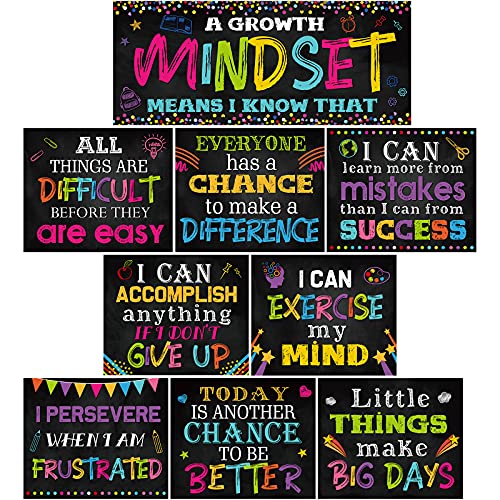
Marspark 9 Pcs Growth Mindset Classroom Posters Bulletin Board Decor,Black
- Design Theme: Colorful slogans on black background
- Visual Appeal: Eye-catching and fun images
- Educational Use: Suitable for all school levels
As an affiliate, we earn on qualifying purchases.
As an affiliate, we earn on qualifying purchases.

3 Piece Head Brush Set Resin Pink for Scalp, Face, Neck, Hand Massage, Stress Relief and Relaxation Tool
- Set Includes: 2 comb head massagers and 1 hand-held massage board
- Multi-Use Application: Suitable for scalp, face, neck, and hands
- Stress Relief: Relieves fatigue and relaxes the body
As an affiliate, we earn on qualifying purchases.
As an affiliate, we earn on qualifying purchases.