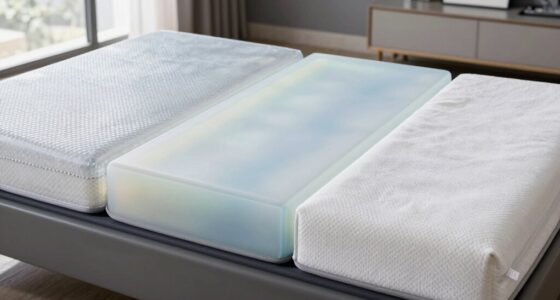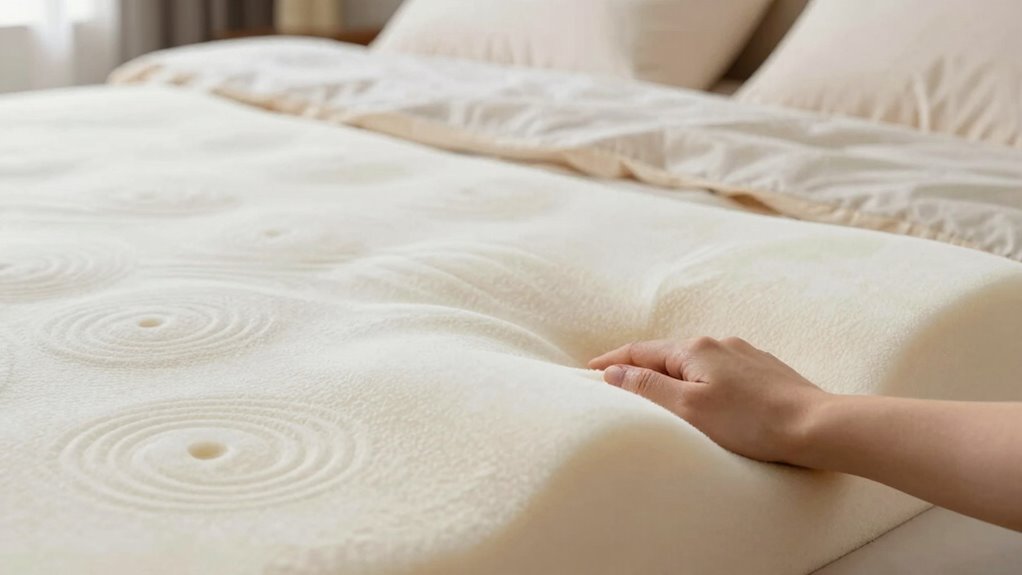

Memory foam feels great to some because it molds to your body, providing personalized support and pressure relief. However, it can feel restrictive or too soft to others, especially if you’re sensitive to temperature changes or prefer a more responsive surface. Your body type, sleep habits, and environment all influence how you experience it. If you want to understand why it works differently for everyone, there’s more to explore that can help you find the perfect fit.

Prime made for students and young adults
- Fast, free delivery for dorm and study essentials
- Prime Video and Amazon Music included
- Member-only deals
Key Takeaways
- Personal preferences for firmness and responsiveness influence whether memory foam feels supportive or restrictive.
- Body temperature affects foam softness, making it more comfortable in warm conditions and firmer when cooler.
- Sensitive individuals often prefer memory foam’s pressure-relieving qualities, while others may find it too slow or isolating.
- Foam density and response time determine how quickly and comfortably the foam molds to the body.
- Cooling technologies help regulate temperature, impacting comfort levels for heat-sensitive users.
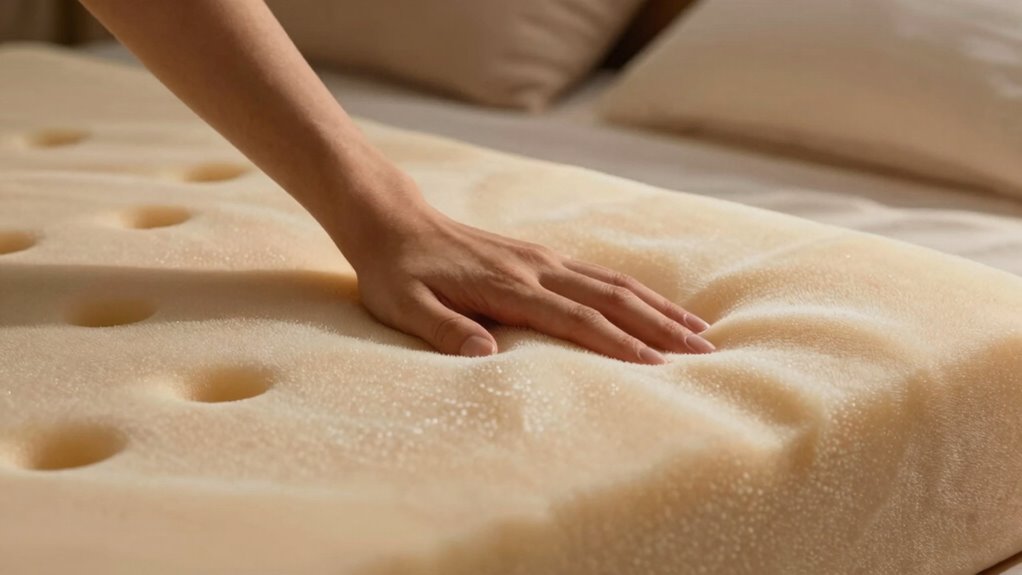
Memory foam has become a popular choice for mattresses and pillows because it contours to your body, providing personalized comfort. However, whether it feels good or not depends on a variety of factors, including how it responds to your body heat and pressure. One key aspect is temperature sensitivity. Memory foam is designed to soften as it warms up, which means it reacts to your body temperature. If you tend to run warm or live in a hot climate, this increased sensitivity can cause the foam to become too soft, making it feel less supportive and potentially trapping heat against your skin. On the other hand, if you’re cooler or in a climate with lower temperatures, the foam might remain firm or less responsive, leading to a different feel altogether. This temperature sensitivity influences how quickly the foam molds to your shape and how well it maintains its supportive properties over time. Additionally, some memory foams incorporate cooling technologies to help mitigate heat buildup and improve comfort. Temperature regulation can be an important factor for those with specific comfort needs.
Pressure distribution is another critical factor that determines whether memory foam feels comfortable to you. The material is renowned for its ability to evenly spread out pressure points, which can notably reduce discomfort in areas like your hips, shoulders, and back. If you experience joint pain or pressure-related discomfort, memory foam’s pressure distribution can provide relief, offering a sense of sinking into the material and alleviating pressure buildup. However, this same feature can be a drawback for some people. If you prefer a more responsive or bouncy feel, the slow response of memory foam might feel too soft or “dead” under your body, making movement feel sluggish. In addition, if you’re particularly sensitive to feeling “stuck” or want a mattress that responds quickly when you shift positions, memory foam’s pressure distribution might not appeal to you. Furthermore, body temperature can affect how quickly the foam responds, influencing overall comfort. The density of the foam also plays a role in how it responds and how supportive it feels over time.
Ultimately, your personal preferences and body characteristics play a big role in how memory foam feels. Your body temperature, sensitivity to pressure points, and even your sleep habits influence whether you’ll find it comfortable or restrictive. Some people love how it cradles their curves, providing a soothing, pressure-relieving experience, while others find it too warm or too slow to respond. Understanding how temperature sensitivity and pressure distribution work can help you decide if memory foam aligns with your comfort needs. If you’re someone who prefers a cooler sleep surface or a more lively, responsive feel, you might need to explore other options. But if you crave personalized support that molds precisely to your body, memory foam could be just what you’re looking for.
memory foam mattress with cooling technology
As an affiliate, we earn on qualifying purchases.
As an affiliate, we earn on qualifying purchases.
Frequently Asked Questions
How Does Body Temperature Affect Memory Foam Comfort?
Your body temperature markedly impacts memory foam comfort through its temperature sensitivity. When you’re warmer, the foam becomes softer, conforming better to your body, thanks to its foam density and heat response. Conversely, cooler temperatures make the foam firmer and less adaptable. This means your comfort varies with room temperature or body heat, making it essential to take into account temperature sensitivity and foam density when choosing memory foam for maximum support.
Can Allergies Influence Comfort With Memory Foam?
Allergies can affect your comfort with memory foam, especially if you’re sensitive to allergy triggers like dust mites or mold. These triggers can cause respiratory issues, making it harder to breathe and sleep comfortably. Additionally, some memory foam materials retain allergens, which may exacerbate symptoms. To improve comfort, choose hypoallergenic or allergen-resistant memory foam and regularly clean your bedding to minimize exposure to potential irritants.
Does Age Impact How Memory Foam Feels?
Age can influence how memory foam feels because of changes in your body and preferences. As you age, you might find that memory foam’s durability provides better support or that a slight scent from the foam becomes more noticeable. Older foam may also feel softer or firmer over time. Your comfort depends on these factors, so testing different options helps you find the right balance of support, scent, and quality.
Are There Health Risks Associated With Memory Foam?
Memory foam may pose potential health risks, especially if you’re sensitive to chemicals. Chemical emissions from the foam can cause headaches, respiratory issues, or allergic reactions in chemically sensitive individuals. While many products meet safety standards, long-term exposure or high chemical sensitivities could lead to health concerns. If you’re worried, look for low-emission or CertiPUR-US certified memory foam options to minimize risks and guarantee safer sleep.
How Does Sleeping Position Change Memory Foam Comfort?
Your sleeping position greatly influences how memory foam feels. When you sleep on your side, memory foam offers better pressure distribution, easing pressure on shoulders and hips. If you sleep on your back, it helps maintain spinal alignment, providing support where needed. On your stomach, it might feel less comfortable because it can cause misalignment. Adjusting your position can improve comfort and support, enhancing your overall sleep experience.
pressure relief memory foam pillow
As an affiliate, we earn on qualifying purchases.
As an affiliate, we earn on qualifying purchases.
Conclusion
Your comfort with memory foam is like a dance—some move effortlessly, feeling the perfect rhythm, while others stumble over the steps. Whether it feels great or not depends on your unique body, preferences, and sleep style. If memory foam feels like a gentle hug, it’s your perfect match. If not, it’s okay to explore other options. Finding your ideal sleep surface is a journey, and every step brings you closer to dreamland.
high-density memory foam mattress
As an affiliate, we earn on qualifying purchases.
As an affiliate, we earn on qualifying purchases.
As an affiliate, we earn on qualifying purchases.
Fall Picks
fall essentials
As an affiliate, we earn on qualifying purchases.