To spot inflated “Compare at” prices, check if the figure reflects past sales or market values by comparing with other stores or online sources. Watch for prices that seem unusually high or don’t match typical retail rates. Use price tracking tools to monitor history and look for discrepancies between the “Compare at” and regular prices. Recognize marketing tricks like placeholders or fake figures, and if you want smarter shopping tips, you’ll find more helpful insights below.
Key Takeaways
- Verify if the “Compare at” price matches past sales data or usual retail prices.
- Compare the “Compare at” figure with prices from other stores or online sources.
- Use price tracking tools to analyze the price history and spot inflation.
- Check if the discount is significant or if the original price was artificially inflated.
- Be cautious of marketing tactics that create urgency through fabricated or placeholder “Compare at” prices.

Have you ever wondered if those “Compare at” prices on sale tags are really accurate? It’s a common question, especially when retailers use pricing tactics that can be quite misleading. Many stores rely on pricing myths—common misconceptions about how much items are worth or how much they’ve been discounted—to influence your buying decisions. Recognizing these myths requires consumer vigilance; you need to stay alert and question whether those “Compare at” prices are rooted in reality or just clever marketing tricks.
Often, retailers inflate the “Compare at” price to make a discount look more substantial. They might set a high “Compare at” figure, even if the item never sold at that price in their store or market. This tactic plays on your perception of a good deal, but in truth, it may be far from a genuine comparison. To spot inflated prices, you should investigate whether the so-called “Compare at” price reflects actual past sales or if it’s just a number chosen to exaggerate savings. Check other stores or online sources to see what similar items typically sell for. If the “Compare at” price is markedly higher than the usual retail price, it’s likely a pricing myth designed to lure you into buying.
Retailers often inflate “Compare at” prices to make discounts seem bigger than they really are.
Consumer vigilance extends beyond just verifying the authenticity of the “Compare at” price. It’s about questioning if the discount really benefits you. Sometimes, stores mark up items well above their typical retail value and then offer a discount, which ends up being only a modest saving. This practice makes the deal seem more attractive than it truly is. To avoid falling for this trick, compare prices across different stores and online platforms. Use price tracking tools or apps that monitor price history, so you can see if the “Compare at” price is an outlier or a regular retail figure. If the supposed “discount” doesn’t seem markedly lower than the usual selling price, it’s a red flag that the retailer is just inflating the deal.
Being vigilant also involves understanding the context of the sale. Sometimes, a “Compare at” price is just a placeholder or a fabricated figure meant to create urgency. Don’t let the marketing hype rush you into a purchase. Instead, take your time to research and verify prices. Additionally, understanding the technology behind some prices, such as how home theatre projectors can have varying features and prices, helps you make more informed decisions. The more informed you are, the less likely you’ll be tricked by inflated prices. Ultimately, recognizing pricing myths and practicing consumer vigilance empower you to make smarter shopping decisions. You’ll be less swayed by false discounts and more confident about getting genuine value for your money.

Ring Sensors: Car Alarm – Easy installation, vehicle location tracking, on Amazon Sidewalk, no monthly subscription
- Real-time impact alerts: Notifications for impacts and disturbances
- Vehicle location tracking: View vehicle on map with updates
- No monthly fees: Nationwide protection without subscriptions
As an affiliate, we earn on qualifying purchases.
As an affiliate, we earn on qualifying purchases.
Frequently Asked Questions
Are “Compare At” Prices Regulated by Law?
No, “compare at” prices aren’t directly regulated by law. Retail pricing laws focus on truthful advertising and preventing deceptive practices. While there are legal regulations around false or misleading advertising, “compare at” prices often fall into a gray area where retailers must verify their claims are accurate. You should always scrutinize these prices to see if they reflect real discounts, since legal oversight mainly aims to prevent outright fraud, not regulate all retail pricing strategies.
How Often Do Retailers Change “Compare At” Prices?
Retailers often change “compare at” prices frequently, sometimes weekly or even daily, as part of their pricing tactics. This strategy aims to attract consumer awareness and boost sales by making discounts seem more significant. You should stay vigilant, compare prices over time, and be cautious of sudden changes. Recognizing these tactics helps you make smarter purchases and avoid being misled by inflated “compare at” prices.
Can Online Reviews Help Identify Inflated Prices?
Online reviews can be a helpful tool in spotting inflated prices, as 86% of consumers check reviews before purchasing. They reveal real experiences, highlighting instances of pricing transparency or consumer deception. By reading reviews, you can compare actual prices paid versus advertised “compare at” prices, catching potential inflation. This insight helps you make more informed decisions and avoid falling for deceptive pricing tricks, ensuring you get genuine value for your money.
Do “Compare At” Prices Vary by Location?
Yes, “compare at” prices can vary by location due to regional pricing and store-specific discounts. You might notice lower or higher prices depending on where you shop, as stores often adjust prices based on local demand, competition, and regional promotions. To spot inflated “compare at” prices, compare similar items at different stores in your area and consider regional factors that might influence pricing differences.
What Tools Can I Use to Verify Retail Prices?
Think of verifying retail prices like wielding a magnifying glass over a treasure map. You can use online price comparison tools like Google Shopping or PriceGrabber to see if a deal truly shines or’s just fool’s gold. Retail pricing apps and browser extensions also help track price history, revealing if a “compare at” price is inflated or fair. These tools sharpen your eye for genuine savings amidst the retail jungle.
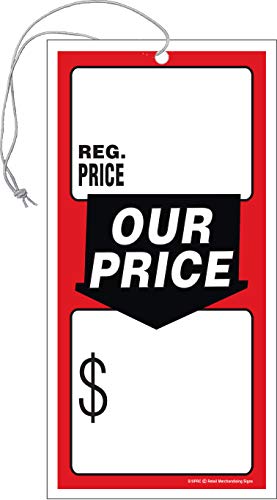
S10PRC Our Price Regular Price Elastic Knotted Price Sale Tags with Strings Merchandising Hang Tags Pack of 100 (2 5/8" x 5 1/4")
- Design: Bright eye-catching design for promotion
- Purpose: Highlights store sales effectively
- Pack Size: 100 price string tags per pack
As an affiliate, we earn on qualifying purchases.
As an affiliate, we earn on qualifying purchases.
Conclusion
Now that you know the tricks to identify inflated “compare at” prices, you’re better equipped to make smarter shopping decisions. But beware—some sellers might have even more subtle tactics up their sleeves. Are those “discounts” truly worth it, or is there a hidden trick lurking behind the numbers? Stay vigilant and keep questioning those prices. The next time you shop, you’ll be ready to spot the deception—and save yourself from falling for it again.

Online Shopping Tracker logbook: save your purchase history with date, website, product, price, your online shopping history will never be lost again.
As an affiliate, we earn on qualifying purchases.
As an affiliate, we earn on qualifying purchases.

Coin Ping Tester Kit with Pocket Pinger for Coin Verification Tools
- Complete Coin Verification Kit: Includes ping tester, gauges, tools, and storage
- Multi-Point Coin Checking: Sound, size, magnetic, and visual tests
- Integrated Verification Tools: Resonance analysis, precise measurement, magnetic test
As an affiliate, we earn on qualifying purchases.
As an affiliate, we earn on qualifying purchases.