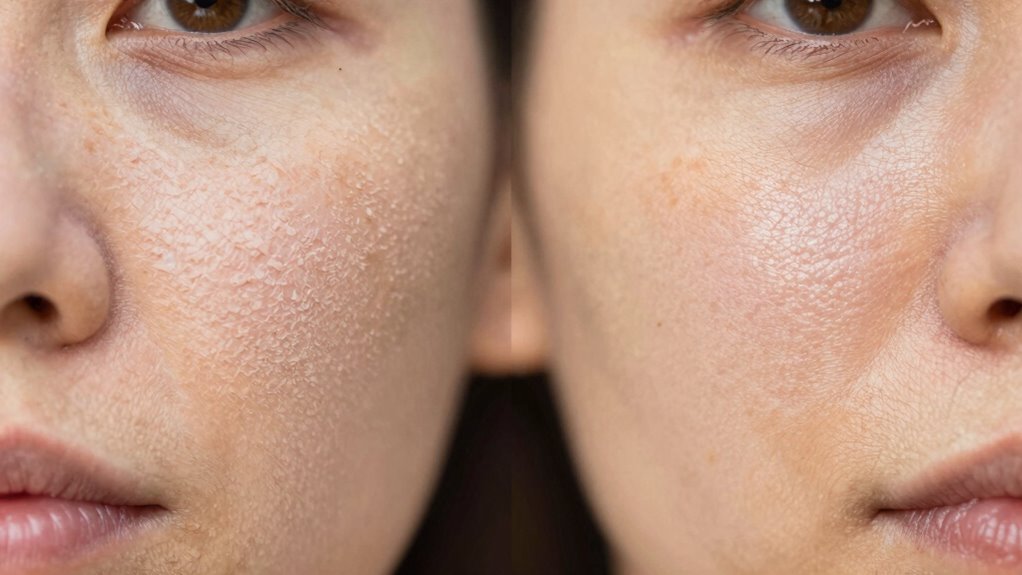

Understanding the difference between dry and dehydrated skin is key to choosing the right care. Dry skin is a skin type with low oil production, feeling rough and flaky, while dehydrated skin is a condition caused by water loss, making it dull, tight, and sometimes oily. Recognizing these signs helps you select hydrating or nourishing products. Keep exploring to uncover how to identify and treat each for healthier, balanced skin.

Prime made for students and young adults
- Fast, free delivery for dorm and study essentials
- Prime Video and Amazon Music included
- Member-only deals
Key Takeaways
- Dry skin is a skin type with low oil production; dehydrated skin is a temporary water deficiency regardless of skin type.
- Dry skin feels rough, flaky, and tight; dehydrated skin appears dull, may be oily in some areas, and feels tight.
- Causes of dryness include lack of oils and external factors; dehydration results from water loss due to environment or habits.
- Hydrating products like water-based serums help dehydrated skin; nourishing creams benefit dry skin with emollients and oils.
- Proper identification ensures targeted treatment, improving skin health and preventing issues like sensitivity and premature aging.
hydrating water-based serum for dehydrated skin
As an affiliate, we earn on qualifying purchases.
As an affiliate, we earn on qualifying purchases.
How Do You Recognize Dry Skin vs. Dehydrated Skin? Signs and Symptoms
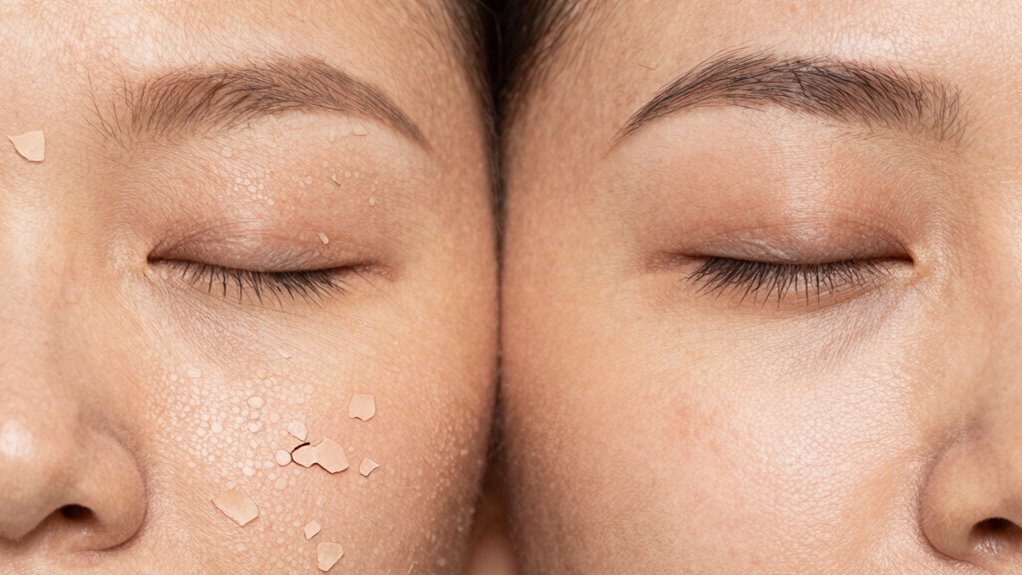
Understanding the key differences between dry and dehydrated skin can help you identify what your skin needs. Seasonal skin changes often influence how your skin feels and reacts, making it important to recognize the signs.
Dry skin typically feels rough, flaky, and tight, usually needing richer skincare product ingredients like oils and emollients to restore moisture.
Dehydrated skin, on the other hand, often appears dull, with a feeling of tightness and sometimes oiliness in certain areas, despite lacking water. It can be more sensitive to environmental factors, like cold weather or indoor heating. Recognizing these signs helps you choose the right skincare products—hydrating ingredients for dehydration and nourishing ones for dryness—so your skin stays balanced and healthy year-round.
Additionally, understanding the different types of skincare needs allows you to tailor your routine effectively and maintain optimal skin health.
nourishing moisturizer for dry skin
As an affiliate, we earn on qualifying purchases.
As an affiliate, we earn on qualifying purchases.
What Are Dry Skin and Dehydrated Skin? Definitions You Need to Know
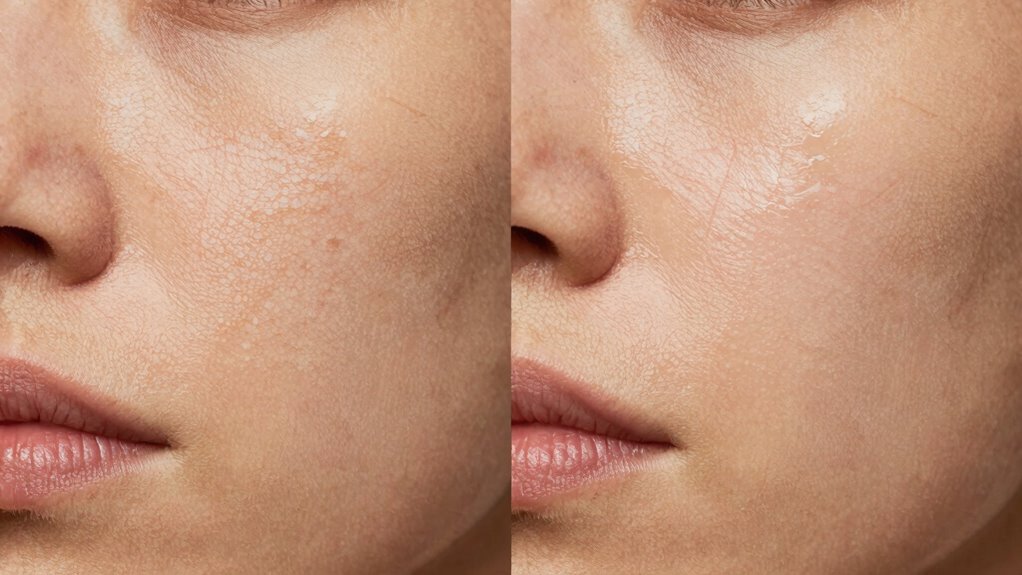
Dry skin and dehydrated skin are two distinct conditions that can affect your complexion, even though they often cause similar sensations like tightness or dullness. Understanding the differences is key to proper care.
Dry and dehydrated skin are different conditions; understanding them helps you choose the right skincare.
- Dry skin is a skin type, characterized by a lack of oil, often caused by genetics or environmental factors. It may have rough patches and flakiness.
- Dehydrated skin is a skin condition where your skin lacks water, leading to dullness and tightness, regardless of your skin type.
- To improve both conditions, avoid ingredients to avoid like harsh soaps, alcohol, and sulfates. Instead, opt for natural remedies such as hyaluronic acid or aloe vera to hydrate and soothe your skin. Recognizing these differences helps you choose effective treatments tailored to your needs.
hyaluronic acid serum for hydration
As an affiliate, we earn on qualifying purchases.
As an affiliate, we earn on qualifying purchases.
What Causes Dry and Dehydrated Skin? Common Triggers and Factors

Environmental conditions like cold weather, wind, and low humidity can strip moisture from your skin, making it dry or dehydrated. Your lifestyle choices, such as frequent hot showers, harsh skincare products, or neglecting hydration, also play a big role. Understanding these triggers helps you take better steps to protect your skin. Additionally, choosing the right skincare products and considering precious metal IRAs can reflect your commitment to overall well-being.
Environmental Influences and Climate
External factors like weather and climate play a significant role in whether your skin becomes dry or dehydrated. Changes in humidity levels and seasonal shifts can strip moisture or cause your skin to lose its natural barrier.
For example:
- Low humidity, common in winter or heated indoor environments, pulls moisture from your skin, leading to dryness.
- High temperatures and sun exposure increase dehydration by accelerating water loss.
- Seasonal changes, like colder months, often bring drier air that worsens skin dehydration and dryness.
Understanding these environmental influences helps you adapt your skincare routine. Protect your skin with moisturizers and hydration, especially during extreme weather conditions.
Staying aware of seasonal and humidity fluctuations empowers you to prevent skin issues caused by climate changes.
Lifestyle and Skincare Habits
Your daily habits and skincare routines can considerably influence whether your skin becomes dry or dehydrated. Using harsh cosmetic ingredients, like alcohol or sulfates, can strip away natural oils, leading to dryness.
On the other hand, inadequate hydration or skipping moisturizer can cause dehydration, making your skin feel tight and dull.
Over-cleansing or washing your face with hot water can also damage your skin’s barrier, worsening both issues.
Choosing skincare routines that include gentle cleansers and hydrating products helps maintain a healthy balance.
Being mindful of the ingredients in your skincare products guarantees you avoid triggers that worsen dryness or dehydration.
Consistency is key—adapting your habits to support your skin’s needs can markedly improve its hydration and overall health.
moisturizing face cream for dry and dehydrated skin
As an affiliate, we earn on qualifying purchases.
As an affiliate, we earn on qualifying purchases.
How Do Skin Types Affect Dryness and Dehydration?

Different skin types respond differently to dryness and dehydration. Your skin’s type, influenced by genetic factors, determines how it handles moisture loss. For example:
- Oily skin may feel less dry but can still be dehydrated, leading to a dull appearance.
- Dry skin often struggles with dehydration, causing flakiness and tightness. Recognizing the skin’s hydration needs is essential for effective treatment.
- Sensitive skin can react badly to dehydration, resulting in redness and irritation. The way your skin reacts is also affected by your skin’s sensitivity level, which varies among individuals. Additionally, the skin’s ethnicity can influence how it responds to moisture loss and dehydration, affecting treatment choices.
Understanding your skin type helps you identify whether dryness or dehydration is the main issue.
Your genetic factors set the foundation for your skin’s moisture balance, but lifestyle and skincare habits also play a role.
Being aware of affiliate disclosure helps you make informed decisions about skincare products and treatments.
Recognizing these differences is key to choosing the right products and treatments.
What Are the Best Skincare Products for Dry and Dehydrated Skin?
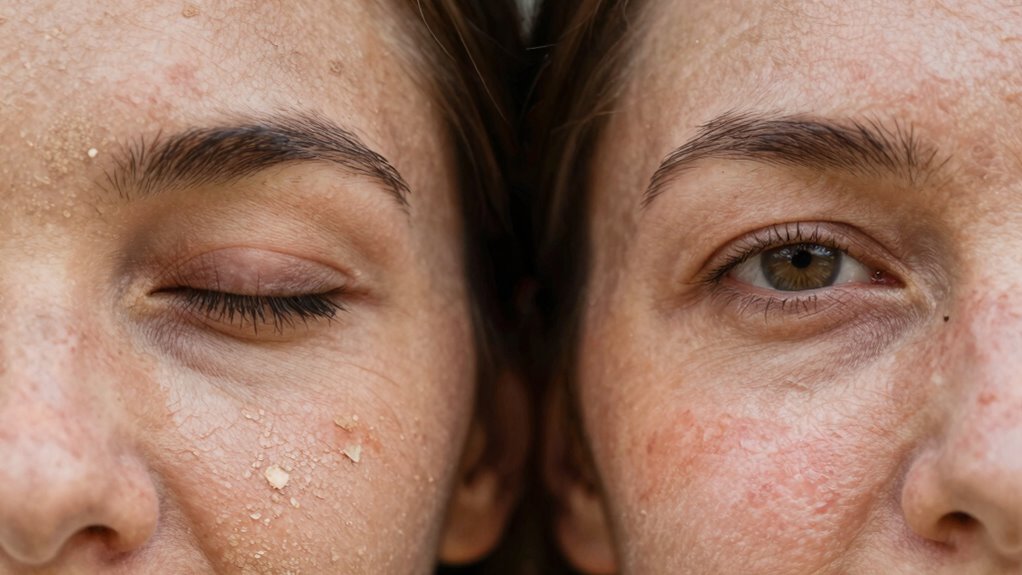
Choosing the right skincare products for dry and dehydrated skin can make a significant difference in restoring moisture and comfort.
To maximize ingredient efficacy, look for products with nourishing ingredients like hyaluronic acid, glycerin, and ceramides, which attract and lock in moisture.
For dry skin, opt for rich, emollient formulations such as creams and ointments that create a protective barrier.
Dehydrated skin benefits from lightweight, hydrating serums with water-based formulations that penetrate quickly.
Pay close attention to product formulation; avoid harsh alcohols and fragrances that can strip moisture.
Instead, choose gentle, soothing products designed to reinforce your skin’s barrier and deliver targeted hydration.
The right combination of ingredients and formulation can transform your skincare routine and improve your skin’s overall health.
How Can You Rehydrate and Moisturize Dehydrated Skin Effectively?
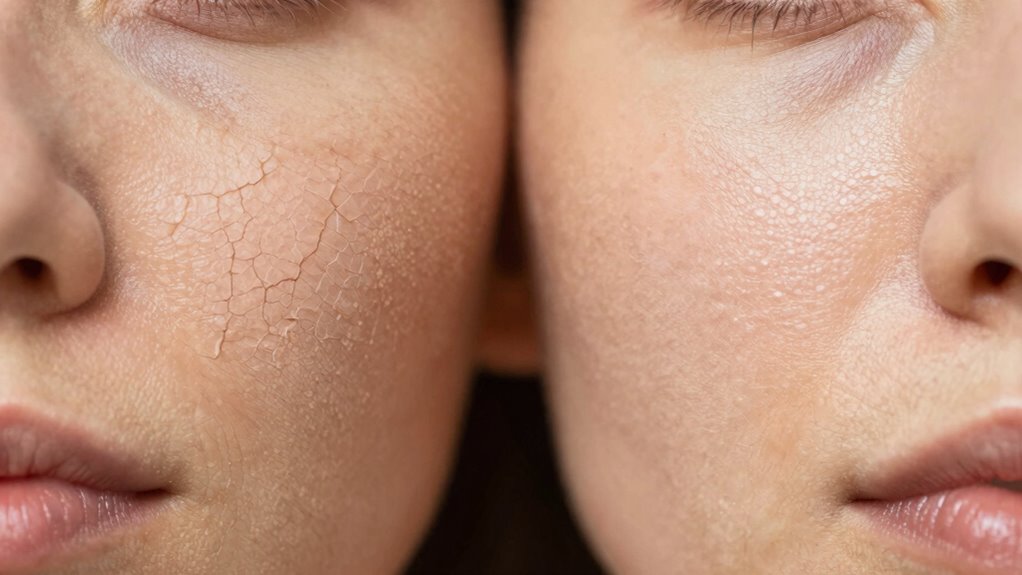
To effectively rehydrate and moisturize dehydrated skin, focus on incorporating water-based products that deliver moisture quickly and penetrate deeply. Use skincare routines with hydrating ingredients like hyaluronic acid, glycerin, and aloe vera. These ingredients attract water into your skin cells, restoring suppleness.
Here are three key steps:
- Apply a hydrating serum with proven hydrating ingredients immediately after cleansing.
- Follow with a lightweight moisturizer that seals in moisture without clogging pores.
- Incorporate a hydrating facial mist throughout the day for an instant moisture boost.
Consistent use of these products and ingredients will help your skin regain its hydration, improve elasticity, and reduce the feeling of tightness. Focus on hydration-focused skincare routines to effectively combat dehydrated skin.
How to Prevent Dry and Dehydrated Skin in the Long Run
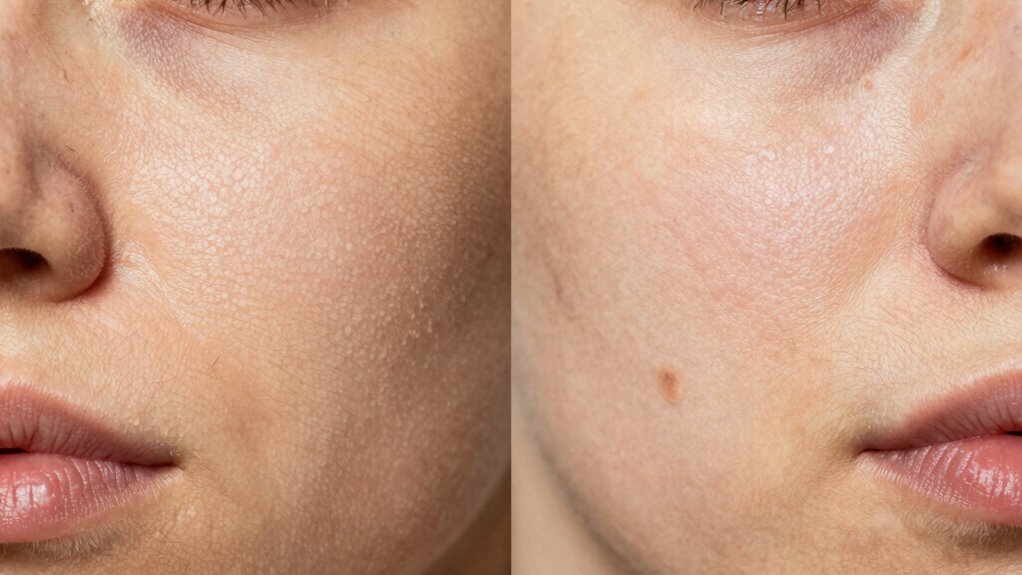
To keep your skin healthy over time, you need to develop consistent hydration habits and use gentle skincare routines. Incorporating moisture-wicking fabrics into your athletic wear can also help maintain skin moisture during physical activity. Eating a balanced diet also supports your skin’s resilience and moisture retention. Additionally, choosing appropriate clothing materials can prevent unnecessary skin dehydration and irritation. Being mindful of ergonomic workspace setup can further reduce skin irritation caused by prolonged exposure to dry environments or irritating fabrics. Utilizing Free Floating techniques in your skincare routine, such as light, gentle massages or application methods, can enhance absorption and hydration. Moreover, selecting energy-efficient cloud servers for your digital needs can promote a more sustainable environment, indirectly benefiting overall health and well-being.
Consistent Hydration Habits
Maintaining consistent hydration habits is essential for preventing dry and dehydrated skin over time. Many hydration myths circulate, but true skin health depends on supporting your skin barrier and consistent water intake. Incorporating cultural exploration into your skincare routine can also provide insights into traditional hydration practices from around the world. To stay on track, consider these tips:
- Drink water regularly, not just when you’re thirsty, to ensure steady hydration.
- Limit caffeine and alcohol, which can dehydrate your skin if consumed excessively.
- Use a humidifier indoors to maintain moisture levels, especially in dry environments.
Gentle Skincare Practices
Adopting gentle skincare practices helps protect your skin from becoming dry or dehydrated over time. Start with gentle cleansing using a mild, sulfate-free cleanser that doesn’t strip your skin’s natural oils. Avoid harsh scrubbing or hot water, which can damage your skin’s barrier. Using minimalist workspaces and reducing clutter can also help lower stress levels that may impact your skin’s health. Incorporate soothing ingredients like aloe vera, chamomile, or ceramides into your routine to calm and repair your skin. These ingredients help reduce irritation and strengthen your skin’s resilience. A well-maintained skin barrier is crucial for preventing moisture loss and keeping your skin healthy. Always pat your skin dry instead of rubbing, and apply moisturizer immediately after cleansing to lock in hydration. Maintaining a healthy skin barrier through gentle care supports your skin’s ability to retain moisture and resist environmental stressors. Consistently practicing gentle skincare shields your skin from unnecessary stress, maintaining its moisture balance and preventing dryness or dehydration in the long run. Proper skin barrier maintenance is essential for long-term skin health and resilience.
Balanced Nutrition Intake
Eating a balanced diet rich in essential nutrients is key to preventing dry and dehydrated skin over the long term. Maintaining proper nutritional balance supports your skin’s health and enhances hydration strategies.
To achieve this, focus on:
- Consuming foods high in omega-3 fatty acids, like salmon and walnuts, to boost skin moisture.
- Incorporating plenty of fruits and vegetables for vitamins and antioxidants that repair and protect your skin.
- Staying consistent with hydration by drinking enough water daily and limiting dehydrating beverages.
These steps ensure your skin receives crucial nutrients and stays hydrated from within.
Prioritizing a nutritious diet not only improves your skin’s appearance but also fortifies it against dryness and dehydration over time.
Frequently Asked Questions
Can Dry Skin Become Dehydrated, or Vice Versa?
Yes, dry skin can become dehydrated, and vice versa, because of skin condition overlap. You might notice dryness from dehydration, which is temporary and caused by factors like weather or hydration levels.
To treat each properly, you need to differentiate them: dry skin needs more emollients, while dehydrated skin benefits from hydrating products. Recognizing the difference helps you choose the right treatment and improves your skin’s health.
Are There Specific Ingredients Better for Dry Versus Dehydrated Skin?
You should choose moisturizer ingredients carefully—hydrating ingredients like hyaluronic acid benefit dehydrated skin, while occlusive agents like shea butter repair the skin barrier for dry skin.
For dry skin, focus on nourishing, emollient ingredients that lock in moisture, whereas for dehydrated skin, look for humectants that attract water.
Combining both types of ingredients helps restore balance and improve your skin’s overall health, regardless of whether it’s dry or dehydrated.
How Does Climate Influence Dry and Dehydrated Skin Conditions?
Climate effects considerably influence both dry and dehydrated skin, especially with seasonal changes. Cold, dry air during winter strips moisture, worsening dryness and dehydration.
Meanwhile, hot, humid summers can lead to excess oil and dehydration. You’ll notice your skin reacting differently as temperatures shift, so adjusting your skincare routine accordingly helps.
Protect your skin by staying hydrated, using barrier-repair ingredients, and adapting to seasonal changes to maintain healthy, balanced skin year-round.
Can Dehydration Cause Long-Term Skin Damage?
Dehydration can cause long-term skin damage by weakening your skin barrier, making it more vulnerable to environmental stressors and premature aging effects.
When your skin lacks adequate moisture, it struggles to repair itself, leading to fine lines, dullness, and loss of elasticity over time.
Keep hydrated, use nourishing products, and protect your skin to maintain a strong barrier and prevent lasting damage.
When Should I See a Dermatologist for Skin Dryness Issues?
You should see a dermatologist for skin dryness issues if over-the-counter treatments don’t help or if your skin becomes painful, inflamed, or shows signs of infection. A dermatologist can perform a thorough skin assessment to determine the cause.
Don’t wait if dryness worsens or is accompanied by redness, cracking, or bleeding. Timely dermatologist consultation guarantees proper diagnosis and tailored treatment to restore your skin’s health effectively.
Conclusion
Understanding the difference between dry and dehydrated skin helps you choose the right skincare, prevent discomfort, and achieve a healthy glow. Recognize the signs, identify the causes, and select suitable products to nourish and hydrate your skin effectively. Keep your skin balanced, keep your routine simple, and keep your skin happy. Because when you understand your skin, you can care for it better, protect it longer, and enjoy a radiant, comfortable complexion every day.
Halloween Picks
halloween
As an affiliate, we earn on qualifying purchases.