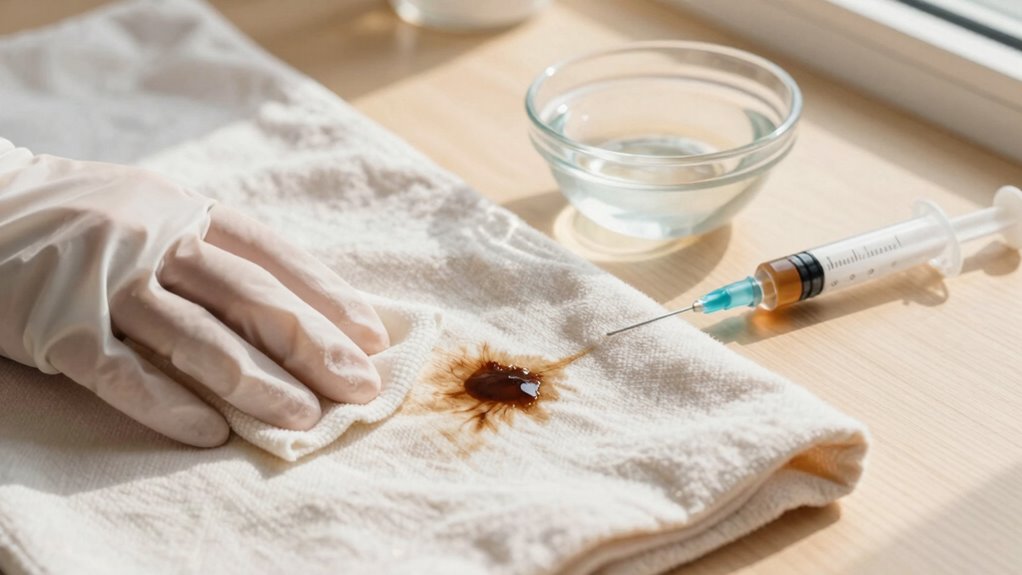

Before you scrub a stain, first identify its type to choose the right treatment. Act quickly to prevent the stain from setting, blot instead of rubbing, and gently lift the spill with a clean cloth or paper towel. Test any cleaning solutions on hidden fabric first, and avoid hot water unless safe for that specific stain. Cover the stain if needed to stop spreading. Keep these tips in mind to protect your fabric—more details follow.
Open a free Amazon Business account
Business pricing, bulk buying and tax-exempt orders.
As an affiliate, we earn on qualifying purchases.
Key Takeaways
- Act quickly by blotting the stain to prevent setting; avoid rubbing, which can spread or embed the stain.
- Identify the stain type to choose the appropriate removal method and prevent fabric damage.
- Test cleaning solutions on hidden fabric areas to check for discoloration before applying to the stain.
- Use cold water or gentle solutions first; avoid hot water unless safe for the stain and fabric.
- Cover the stain with a clean cloth or barrier during treatment to contain the spill and prevent spreading.
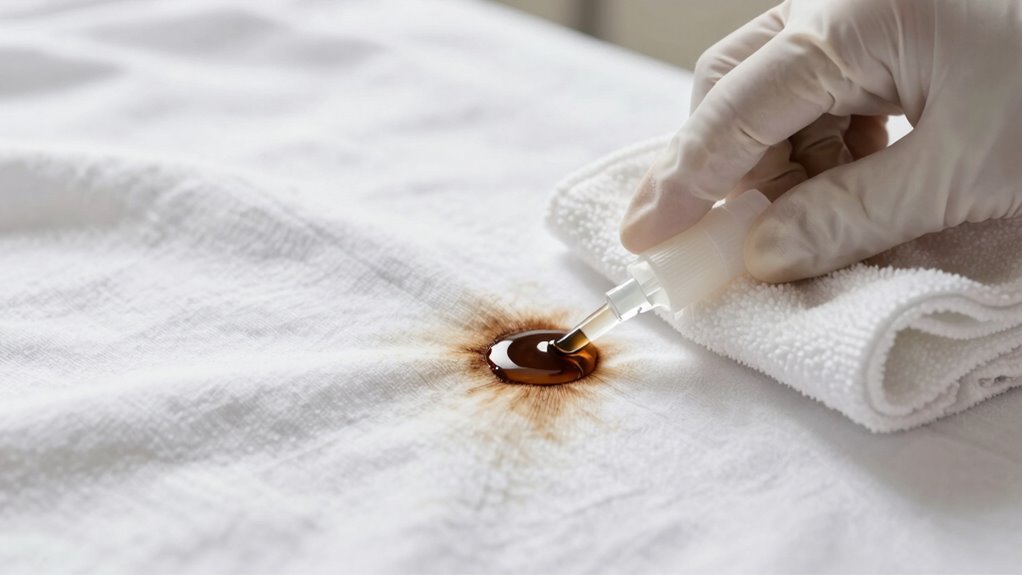
Stains can be stubborn, but knowing the right removal rules makes all the difference. When you’re faced with a stain, it’s essential to first identify the types of stains you’re dealing with. Different stains—such as oil, wine, ink, or food—require specific approaches for effective removal. For example, oily stains respond well to absorbent powders like baking soda or cornstarch, while protein-based stains like blood or sweat need cold water and gentle treatment. Recognizing these distinctions helps you choose the correct method and avoid causing the stain to set further or damage the fabric.
Knowing stain types helps you choose the right removal method and prevent setting or fabric damage.
Before you start scrubbing, it’s wise to implement some stain prevention tips. Acting quickly is one of the most effective ways to prevent a stain from becoming permanent. The moment a spill occurs, blot—don’t rub—the area with a clean cloth or paper towel to lift as much of the spill as possible. For liquids, avoid spreading the stain by working from the outside in. Covering the spot with cold water or a gentle cleaning solution can also help prevent the stain from setting deep into the fibers. Using a barrier like a napkin or cloth between the stain and the fabric can help keep it from spreading during treatment.
When you’re ready to treat the stain, always test your cleaning solution on a hidden part of the fabric first. This ensures it won’t cause discoloration or damage. For instance, a mixture of mild dish soap and cold water often works well on many stains, but some fabrics or stains may need special care. Remember to avoid hot water unless you’re certain it won’t set the stain, especially with protein stains like blood or dairy. Gentle blotting is usually more effective than aggressive scrubbing, which can push the stain further into the fibers or damage the material. Additionally, understanding mammography guidelines can help you stay informed about early detection, which is crucial in managing breast health and potentially catching issues before they become more serious. Another stain prevention tip is to keep your cleaning supplies handy. Having a small stain removal kit with items like stain remover, baking soda, and white vinegar can make quick action easier. The sooner you act, the better your chances of removing the stain fully. Additionally, consider pre-treating your clothes with stain-resistant sprays, especially on frequently stained areas, to help repel spills and minimize damage.
As an affiliate, we earn on qualifying purchases.
Frequently Asked Questions
Can All Stains Be Removed Effectively at Home?
Not all stains can be removed effectively at home, especially if you’re unsure about the stain types or fabric compatibility. Some stains, like ink or wine, may require specialized treatments, while delicate fabrics can be damaged by vigorous scrubbing. Always test your cleaning method on a small, hidden area first. For tough stains, consider consulting a professional to avoid ruining your clothes or fabric.
How Long Should I Wait Before Treating a Stain?
Waiting wisely for a stain to wane depends on stain age and fabric type. Usually, you should act within 5 to 15 minutes, but if the stain’s stubborn or on delicate fabric, give it up to 30 minutes or longer. This allows the stain to soften and loosen, making removal more manageable. Prompt, patient treatment prevents set-in stains, ensuring your fabric stays fresh and flawless.
Are Natural Remedies Safe for All Fabrics?
Natural remedies can be safe, but you should always check for chemical safety and fabric compatibility first. Some remedies, like vinegar or baking soda, work well on certain fabrics but might damage delicate or synthetic ones. Always test a small hidden area before applying widely, and avoid using natural remedies on fabrics that are sensitive or labeled as dry clean only. Your careful approach helps prevent unwanted damage.
Should I Test Stain Removers on Hidden Fabric Areas?
Yes, you should test stain removers on hidden fabric areas first. This helps you verify fabric compatibility and prevents damage. By doing a small spot test, you can see how the fabric reacts to stain identification products, especially on delicate or color-sensitive fabrics. Always wait a few minutes after testing to ensure there’s no discoloration or damage before applying the stain remover to the entire stain.
Is It Better to Blot or Scrub a Stain First?
Studies show that 80% of stains can be effectively removed with proper blotting. You should start with the blotting technique because it lifts the stain without spreading it. Scrubbing risks embedding the stain deeper and damaging the fabric. Blot gently with a clean cloth, then proceed to more aggressive methods if needed. This approach preserves your fabric and increases your chances of stain removal success.
blotting paper towels for stains
As an affiliate, we earn on qualifying purchases.
As an affiliate, we earn on qualifying purchases.
Conclusion
Remember, stains are like shadows—they fade when you shine a little light and patience onto them. Before you scrub, take a moment to understand their story, and treat each one with care. Every stain you face is a small challenge, a chance to restore the fabric’s true colors. With gentle action and a steady hand, you’re guiding your clothes back to their original brilliance—turning the process into a quiet victory of resilience and renewal.
absorbent baking soda for oil stains
As an affiliate, we earn on qualifying purchases.
As an affiliate, we earn on qualifying purchases.
As an affiliate, we earn on qualifying purchases.
Fall Picks
fall essentials
As an affiliate, we earn on qualifying purchases.