
Suction power numbers often look impressive but can be misleading since they focus on peak performance in ideal lab conditions. In real life, factors like hose length, attachments, and surfaces impact how well a vacuum actually works. Instead, compare airflow performance, which better predicts how effectively your vacuum will pick up dirt during regular cleaning. To learn more about how to choose a reliable vacuum, keep exploring the key differences.
Key Takeaways
- Focus on airflow performance rather than peak suction ratings for a realistic measure of cleaning power.
- Airflow indicates how well a vacuum maintains suction during typical use, reflecting actual debris pickup.
- Real-world factors like attachments and hose length impact performance more than lab-measured suction numbers.
- Prioritize vacuum models with high airflow ratings for consistent, effective cleaning results.
- Test or request practical performance data to make an informed choice beyond misleading suction figures.
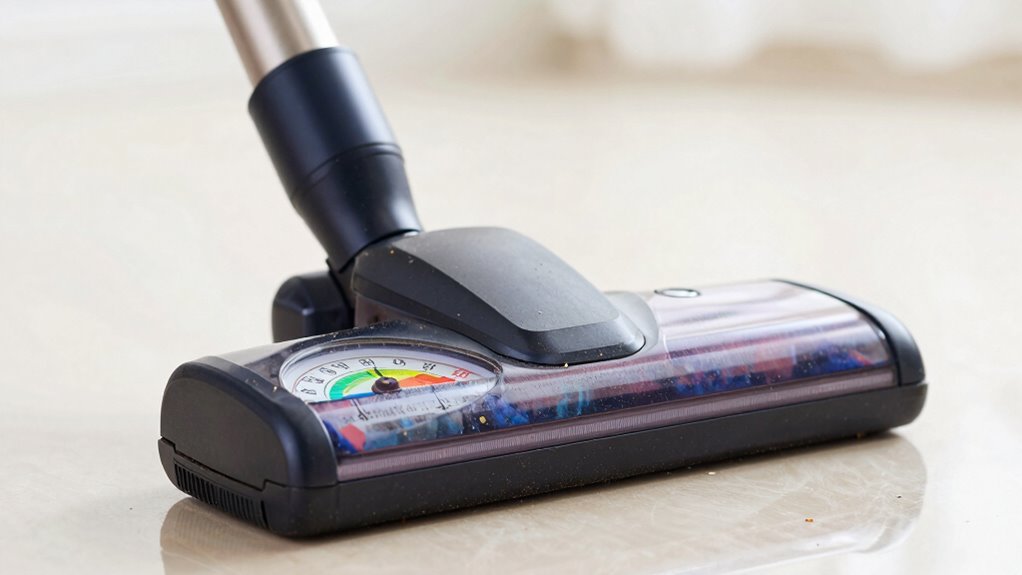
Vacuum suction numbers are a simple yet vital way to measure the strength of a vacuum system. However, relying solely on these numbers can be misleading when you’re trying to determine a vacuum’s true effectiveness. Many manufacturers highlight their suction power ratings, but these figures often focus on maximum or peak suction, which doesn’t tell the whole story. Instead, you should pay close attention to airflow performance, which provides a more accurate picture of how well a vacuum will perform during typical use. Airflow reflects the volume of air moved through the system over time, giving you insight into real-world suction capability rather than just peak power.
When comparing vacuum systems, don’t get caught up in high suction power ratings alone. These numbers can be inflated or measured under ideal conditions that don’t match everyday situations. For example, a vacuum might boast a high suction number but struggle to sustain that strength when working with dirt, debris, or under normal operating circumstances. Airflow performance, on the other hand, considers how effectively the vacuum maintains consistent suction while cleaning or working. It indicates how much dirt or material the vacuum can pick up without losing power, which is fundamental for practical performance.
You should also consider how suction power ratings are measured. Some manufacturers report maximum suction, which is often achieved in lab settings, not during typical use. Real-world performance depends on factors like hose length, attachments, and the type of surface you’re cleaning. By contrast, airflow performance accounts for these variables and gives you a better sense of what to expect during regular use. A vacuum with strong airflow will usually handle a variety of tasks more efficiently, providing consistent results and reducing cleaning time.
In essence, focusing on airflow performance alongside suction power ratings helps you make a smarter comparison. Think of airflow as the engine’s ability to keep pushing air through the system, ensuring continuous, reliable suction. A higher airflow rating often results in better debris pickup, less clogging, and a more effective cleaning experience. So, don’t just look at the numbers on the box. Instead, ask for real-world performance data, test the vacuum if possible, and prioritize airflow performance for a more accurate gauge of a vacuum’s true strength. This approach guarantees you’re investing in a system that delivers consistent, practical results rather than just impressive-sounding numbers.
vacuum cleaner airflow performance
As an affiliate, we earn on qualifying purchases.
As an affiliate, we earn on qualifying purchases.
Frequently Asked Questions
How Does Surface Type Affect Vacuum Suction Performance?
Surface type profoundly influences your vacuum’s suction effectiveness. You need to contemplate surface compatibility, as some materials interact better with certain vacuum designs, ensuring stronger suction. For example, smooth surfaces like hardwood or tile provide effective material interaction, maximizing suction power. Conversely, textured or plush surfaces may reduce efficiency. Always choose a vacuum suited to your specific surface type to achieve ideal cleaning results and avoid performance issues caused by incompatible surfaces.
Are There Alternative Metrics Better Than Suction Numbers?
Instead of relying solely on suction numbers, focus on factors like suction consistency and noise levels. These metrics tell you how reliably a vacuum cleans without dips in power or disruptive sounds. You’ll notice better performance and peace of mind when you prioritize consistent suction and quieter operation. So, don’t get lost in numbers—look for steady suction and low noise to truly assess a vacuum’s effectiveness.
Can Water or Debris Impact Suction Measurements?
Water interference and debris buildup can definitely impact suction measurements. When water gets into the vacuum, it can falsely elevate the suction numbers, making it seem more powerful than it actually is. Similarly, debris buildup can clog the system, reducing effective suction and skewing results. To get accurate comparisons, check for these issues regularly, and don’t rely solely on suction numbers—consider real-world performance and maintenance.
How Do Vacuum Cleaners Perform on Uneven Surfaces?
On uneven surfaces, your vacuum cleaner’s performance can surprise you. You’ll notice that cordless convenience lets you reach tricky spots effortlessly, but noise levels might spike when tackling rough terrain. The key is to choose a model with adjustable suction or a brush head designed for uneven floors. This way, you maintain powerful cleaning without sacrificing comfort or convenience, even when the surface isn’t perfectly flat.
What Safety Considerations Exist With High Suction Power?
With high suction power, you should be aware of safety hazards like suction injuries, which can occur if your skin or fingers get caught. Always keep the vacuum away from children and avoid placing your hands near the opening while it’s operating. Confirm the vacuum’s safety features are functioning properly, and never use it on delicate surfaces where excessive suction could cause damage or injury. Stay vigilant to prevent accidents.
best vacuum for consistent suction
As an affiliate, we earn on qualifying purchases.
As an affiliate, we earn on qualifying purchases.
Conclusion
Don’t be fooled by vacuum suction numbers alone—what truly matters is how well a vacuum performs across different surfaces and tasks. For example, some models can pick up over 99% of debris on carpets, but struggle on hard floors. Instead of focusing on suction numbers, compare real-world performance, user reviews, and versatility. That way, you’ll choose a vacuum that genuinely meets your cleaning needs, saving you time and frustration in the long run.
vacuum with high airflow ratings
As an affiliate, we earn on qualifying purchases.
As an affiliate, we earn on qualifying purchases.
As an affiliate, we earn on qualifying purchases.