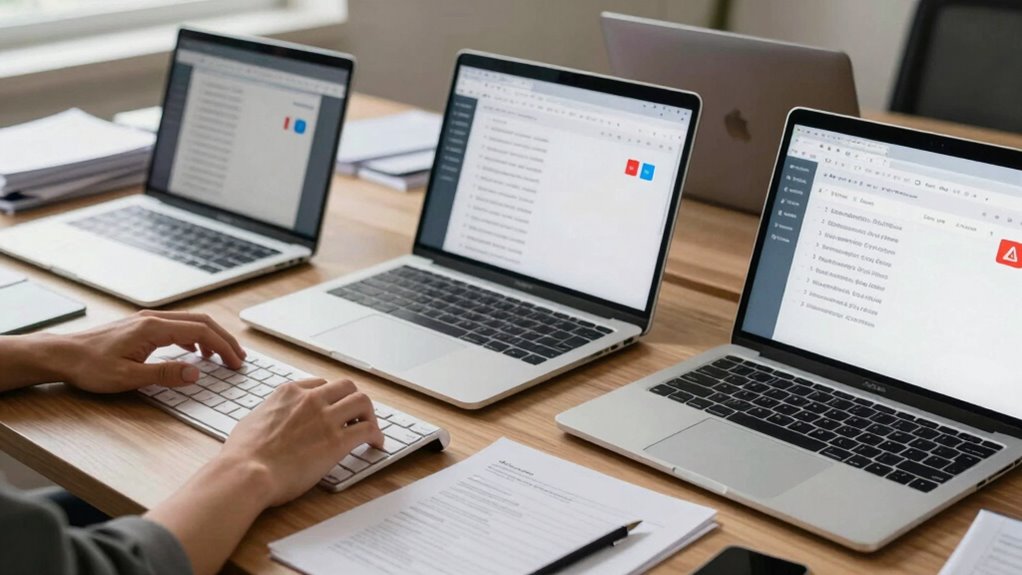

Reusing your email address across multiple accounts puts you at serious risk. If one service is hacked, hackers can access your other accounts linked to that email. This makes your personal data, privacy, and online identity vulnerable to theft, scams, and spam. Plus, it allows breaches to quickly spread and makes it easier for attackers to impersonate you. To stay protected, you need smarter strategies—keep exploring to learn how to secure your email habits effectively.

Prime made for students and young adults
- Fast, free delivery for dorm and study essentials
- Prime Video and Amazon Music included
- Member-only deals
Key Takeaways
- Reusing emails increases vulnerability to hacking, as a breach on one platform can compromise all linked accounts.
- It facilitates widespread spam, phishing, and malware attacks across multiple services.
- Shared email addresses enable hackers to impersonate users, risking privacy breaches and identity theft.
- Data breaches from one service can cascade, exposing linked accounts and personal information.
- Using unique emails enhances security by isolating accounts and reducing the impact of a single breach.
As an affiliate, we earn on qualifying purchases.
What Are the Risks of Reusing Your Email Address?
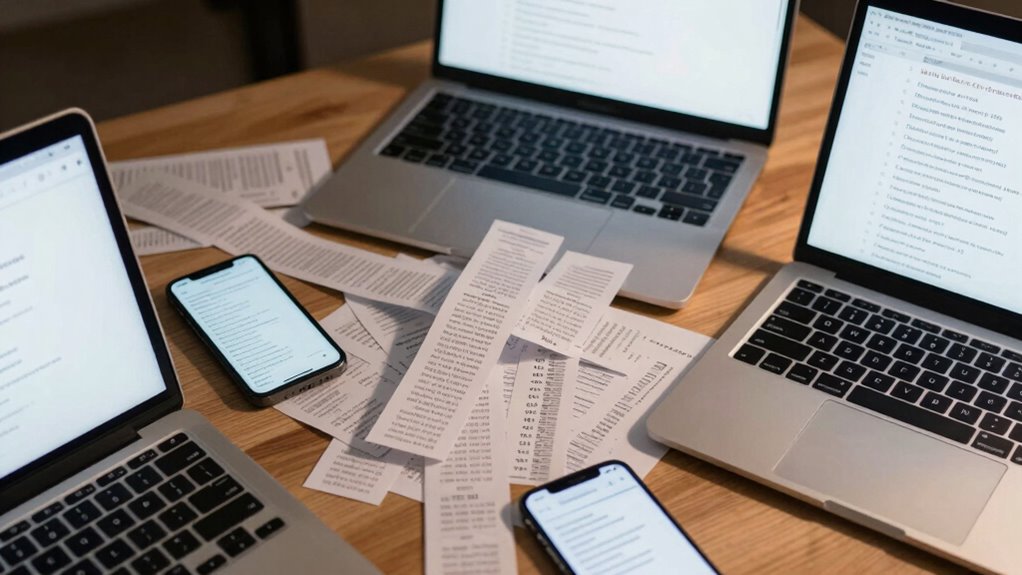
Have you ever considered the risks of reusing your email address? When you do, your email credentialing becomes vulnerable. Multiple accounts tied to one email make it easier for hackers to access your personal data if they gain entry to one service. Reusing emails can also undermine spam filtering; spam sent to your address floods your inbox, making it harder to spot legitimate messages. This increases the risk of falling for phishing scams or malware attacks. Additionally, if your email gets compromised, everyone linked to that address faces exposure. You lose control over your digital identity, and it becomes challenging to monitor unauthorized activity. Protect yourself by using unique emails for different accounts, reducing the risk of widespread damage if one address is compromised. Understanding how email security works can help you strengthen your defenses against these threats. Also, being aware of common cyber threats can further enhance your overall digital safety. Implementing multi-factor authentication adds another layer of protection, making it significantly harder for unauthorized users to access your accounts even if your email address is compromised. Being proactive about email management can help you stay ahead of potential security issues and safeguard your online presence.
multi-factor authentication devices
As an affiliate, we earn on qualifying purchases.
As an affiliate, we earn on qualifying purchases.
How Do Data Breaches Spread When You Reuse Emails?
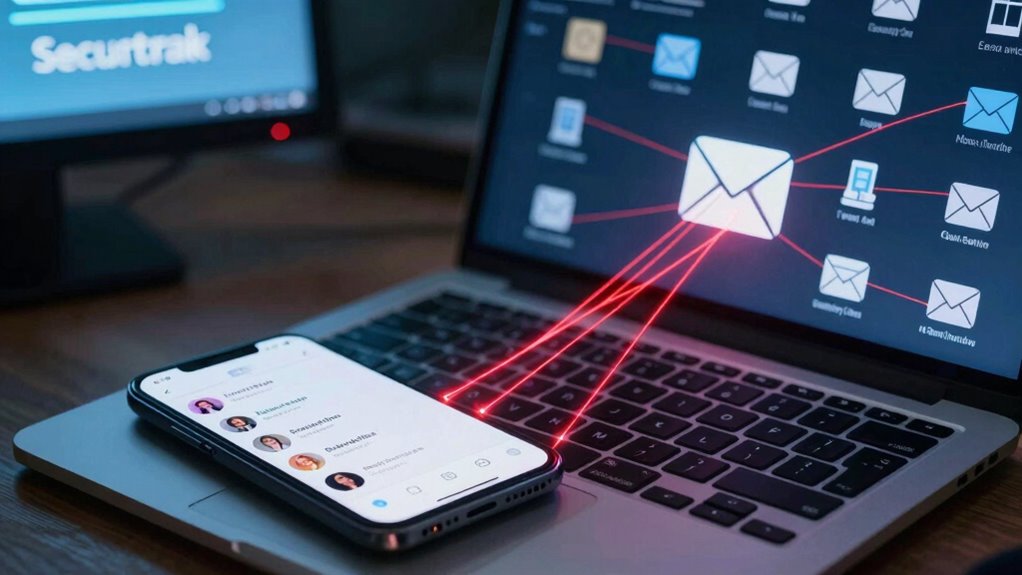
When you reuse the same email address across multiple accounts, a data breach at one service can quickly cascade to others. Hackers often harvest leaked emails to launch phishing scams, tricking you into revealing passwords or personal info. This process fuels spam proliferation, as your compromised email becomes a target for unwanted messages. Specifically:
- Once your email is exposed, cybercriminals can use it to access other accounts with similar login info.
- Phishing scams increase, as attackers send convincing fake alerts or offers to your email.
- Spammers exploit your reused email to flood your inbox, making it harder to identify genuine messages.
- Regular use of glycolic acid products can improve skin clarity and radiance, but reusing emails can compromise your online privacy and security, undermining your overall well-being. Moreover, email reuse facilitates the spread of breaches, as stolen credentials can be reused across multiple platforms without additional verification. This widespread vulnerability emphasizes the importance of password management to safeguard your digital presence.
- A lack of multi-factor authentication can leave your accounts even more vulnerable to unauthorized access.
Implementing additional security measures can help protect your accounts from widespread damage resulting from such breaches.
Reusing emails makes it easier for breaches to spread, increasing your risk of scams and unwanted spam.
As an affiliate, we earn on qualifying purchases.
How Does Email Reuse Harm Your Privacy and Lead to Identity Theft?

Reusing the same email address across multiple accounts can considerably compromise your privacy and open the door to identity theft. When hackers access one account, they can impersonate you through email impersonation, gaining trust and extracting sensitive info. This also fuels spam proliferation, flooding your inbox with scams, phishing attempts, and malicious links. To visualize this, consider the table below:
| Account Type | Potential Threats |
|---|---|
| Social Media | Fake profile creation, info theft |
| Banking | Unauthorized transactions |
| Shopping Sites | Credit card theft |
| Work Email | Confidential data leaks |
| Newsletters | Spam, malware delivery |
Each reused email creates a vulnerability chain, increasing the likelihood of privacy breaches and identity theft. Protect yourself by diversifying your email addresses.
As an affiliate, we earn on qualifying purchases.
What Are Effective Strategies for Managing Multiple Email Accounts?
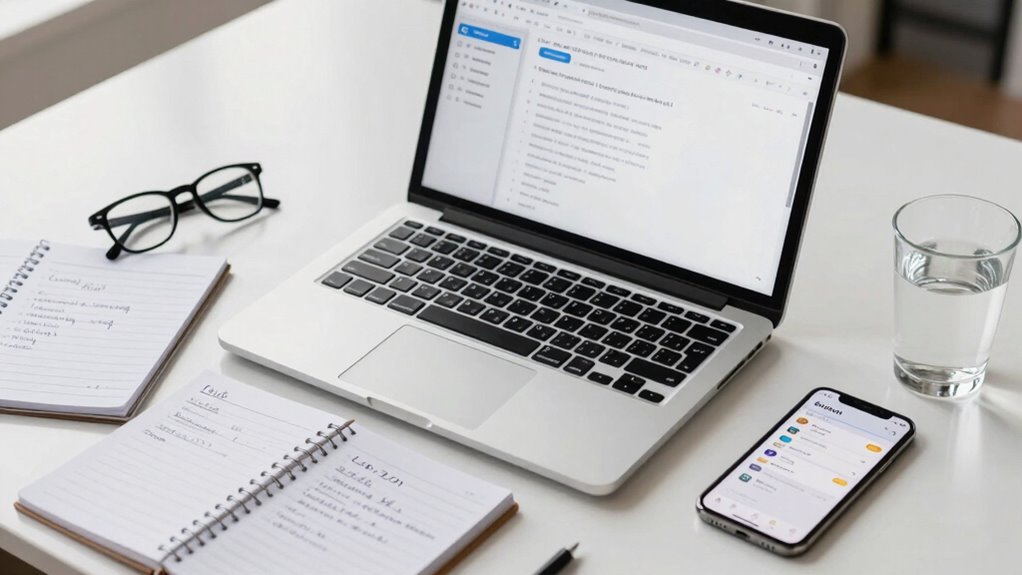
Managing multiple email accounts effectively requires a strategic approach to keep your digital life organized and secure. First, use dedicated email management tools or apps that centralize your inboxes, making it easier to monitor messages. Second, guarantee strong password security by creating unique, complex passwords for each account and updating them regularly. Third, enable two-factor authentication whenever possible to add an extra layer of protection. Staying organized helps prevent missed emails and reduces the risk of security breaches. Regularly review your account activity to spot suspicious activity early. Additionally, consider integrating smart home security features that can notify you of unauthorized access attempts on your accounts. Implementing security best practices can further enhance your overall email safety and reduce vulnerabilities. Being aware of common cybersecurity threats can help you stay vigilant against emerging risks. For example, understanding the importance of cloud security can significantly improve your protection strategies. Incorporating email encryption can also safeguard sensitive information during transmission. By implementing these strategies, you can maintain better control over your email management and safeguard your sensitive information from potential threats.
How Can Using Unique Emails Protect Your Privacy?

Have you ever considered how using unique email addresses can safeguard your privacy? By creating separate emails for different accounts or purposes, you can control who has access to each address. This improves email verification, making it easier to identify legitimate contacts and weed out fake or malicious messages. Additionally, unique emails help with spam filtering—when one address gets flooded with spam, you can simply deactivate it without affecting your primary inbox. This limits the exposure of your main email, reducing the risk of data breaches. Using distinct emails also prevents marketers from tracking your activity across multiple sites, preserving your anonymity. Incorporating Auditory Processing Test Components into your security awareness can further empower you to recognize suspicious communication patterns. Moreover, employing identity protection strategies enhances your overall privacy defenses. Implementing cookie management options allows you to control data collection related to your online activity, adding an extra layer of privacy. Staying informed about cybersecurity best practices can help you stay one step ahead of potential threats. Establishing email alias management practices can further reduce the risk of unwanted exposure. Overall, adopting unique email addresses gives you greater control over your online privacy and protects you from unwanted intrusion.
Frequently Asked Questions
Can Reusing Email Addresses Affect My Online Reputation?
Reusing email addresses can harm your online reputation because it links your online identity to multiple accounts, making it easier for others to associate your actions across platforms. If one account gets compromised or misused, it can negatively impact your email reputation and how others perceive you online. To protect your online identity, consider creating unique email addresses for different activities, reducing the risk of damaging your reputation.
What Tools Can Help Manage Multiple Email Addresses Securely?
You can use email management tools like Gmail or Outlook, which help organize multiple addresses efficiently. Privacy tools such as password managers and secure email services also guarantee your accounts stay protected. These tools allow you to manage your emails securely, prevent unauthorized access, and keep your information private. By leveraging email management and privacy tools, you ensure your online presence remains safe while handling multiple email addresses with ease.
How Often Should I Update or Change My Email Addresses?
Think of your email address as a passport; updating it periodically keeps your identity fresh and secure. You should review your email address lifecycle every 6 to 12 months, especially if you notice spam or privacy concerns. Regular updates minimize privacy implications and reduce risks from breaches. Changing your email addresses proactively helps protect your online presence, ensuring you’re not tethered to outdated or compromised accounts.
Are There Legal Concerns With Reusing Email Addresses Across Sites?
You might face legal concerns with reusing email addresses across sites due to privacy concerns and data breaches. Some platforms have strict policies about data sharing and reuse, risking your personal information’s security. If a data breach occurs, your email could be linked to multiple accounts, increasing vulnerability. Always check each site’s privacy policy, and consider using unique email addresses or aliases to protect your privacy and minimize legal risks.
How Does Email Reuse Impact Account Recovery Processes?
Reusing email addresses can complicate account recovery security, making it harder to verify your identity quickly. When you need to reset a password, email verification links might go to multiple accounts, increasing the risk of unauthorized access. This overlap can cause delays or security issues if someone else gains access. To keep recovery secure, use unique, dedicated emails for each account, ensuring your recovery process remains straightforward and protected.
Conclusion
Remember, a chain is only as strong as its weakest link. Reusing your email everywhere weakens your security and puts your privacy at risk. By adopting unique emails for different accounts, you’re strengthening your defenses against data breaches and identity theft. Stay vigilant and don’t put all your eggs in one basket. Protect yourself by managing multiple emails wisely—because an ounce of prevention is worth a pound of cure.
Fall Picks
fall essentials
As an affiliate, we earn on qualifying purchases.