

To learn a new skill without getting overwhelmed by tutorials, start by setting clear, specific goals and pick one skill to focus on at a time. Break it into small, manageable steps and schedule regular practice sessions that fit into your routine. Use resources that match your learning style, seek feedback, and stay motivated with milestones. Maintaining a growth mindset and regularly evaluating your progress will keep you on track—you’ll discover more effective strategies along the way.

Prime made for students and young adults
- Fast, free delivery for dorm and study essentials
- Prime Video and Amazon Music included
- Member-only deals
Key Takeaways
- Set clear, specific goals and break the skill into manageable milestones to stay focused and motivated.
- Limit tutorial resources and prioritize those aligned with your learning objectives to avoid overwhelm.
- Practice actively on real projects and apply skills immediately to reinforce learning and prevent passive consumption.
- Establish a consistent routine with scheduled practice sessions and track progress to maintain momentum.
- Seek feedback and join communities for guidance, ensuring continuous improvement without getting sidetracked.
As an affiliate, we earn on qualifying purchases.
Set Clear Learning Goals and Pick One Skill to Focus On
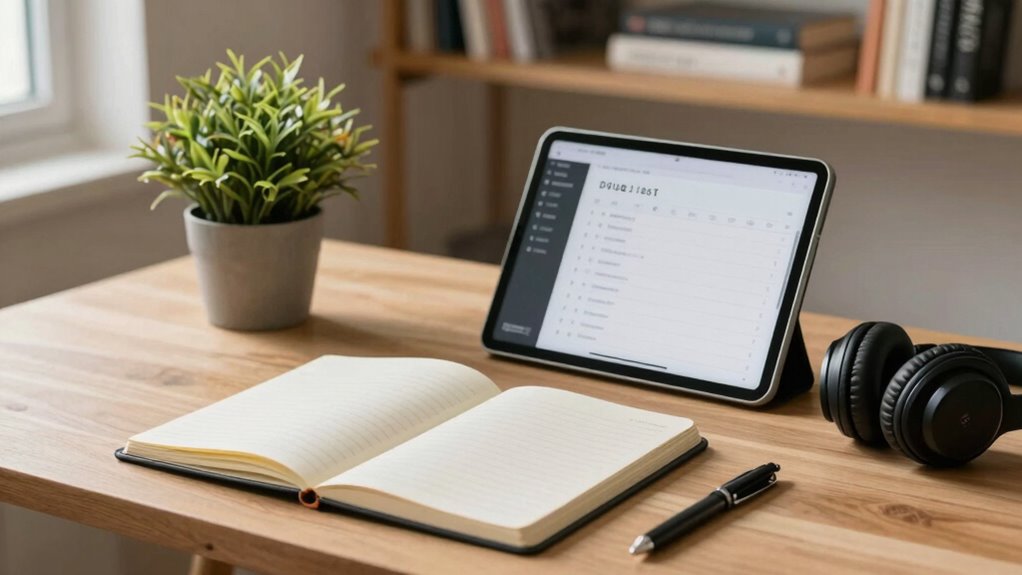
To effectively learn a new skill, you need to start by setting clear learning goals. Goal setting helps you define what you want to achieve and keeps you motivated. Begin by choosing one skill to focus on—don’t spread yourself too thin, as this can lead to frustration. When selecting your skill, consider your interests and practical needs, ensuring it aligns with your long-term goals. Break down the skill into smaller, manageable milestones, so progress feels tangible. Clear goals give your practice direction, making each session purposeful. Remember, effective skill development hinges on intentional focus. By honing in on one skill and setting specific goals, you’ll build a solid foundation that keeps you motivated and on track. Additionally, understanding the learning process can help you optimize your efforts and avoid common pitfalls. Recognizing the stages of skill acquisition allows you to better tailor your practice methods and measure progress accurately, especially when you understand the typical learning curve involved. Moreover, being aware of how concentration and focus influence learning can significantly improve your ability to retain new information and master skills more efficiently.
practice project kits for beginners
As an affiliate, we earn on qualifying purchases.
As an affiliate, we earn on qualifying purchases.
Find Resources That Match How You Learn Best

Since everyone learns differently, finding resources that match your preferred learning style can make a big difference in mastering a new skill. You should explore various materials to see what resonates most with you. For example, visual learners benefit from videos and infographics, while kinesthetic learners thrive with hands-on practice. To help identify your style, consider this table:
| Learning Style | Ideal Resources | Example Tools |
|---|---|---|
| Visual | Videos, diagrams | YouTube tutorials |
| Auditory | Podcasts, lectures | Audio lessons |
| Reading/Writing | Articles, books | Blogs, manuals |
| Kinesthetic | Practice exercises | DIY projects |
| Social | Group discussions | Study groups |
Choosing resources aligned with your learning style makes your journey more effective and enjoyable. Understanding your learning preferences can also help you leverage effective study strategies and accelerate your learning. Additionally, tailoring your resource selection based on your learning style can improve retention and confidence in acquiring new skills. Recognizing learning preferences can guide you to more engaging and productive learning experiences, especially when considering how different reconditioning techniques require specific approaches.
goal setting planner for skill development
As an affiliate, we earn on qualifying purchases.
As an affiliate, we earn on qualifying purchases.
Break the Skill Into Small, Manageable Steps
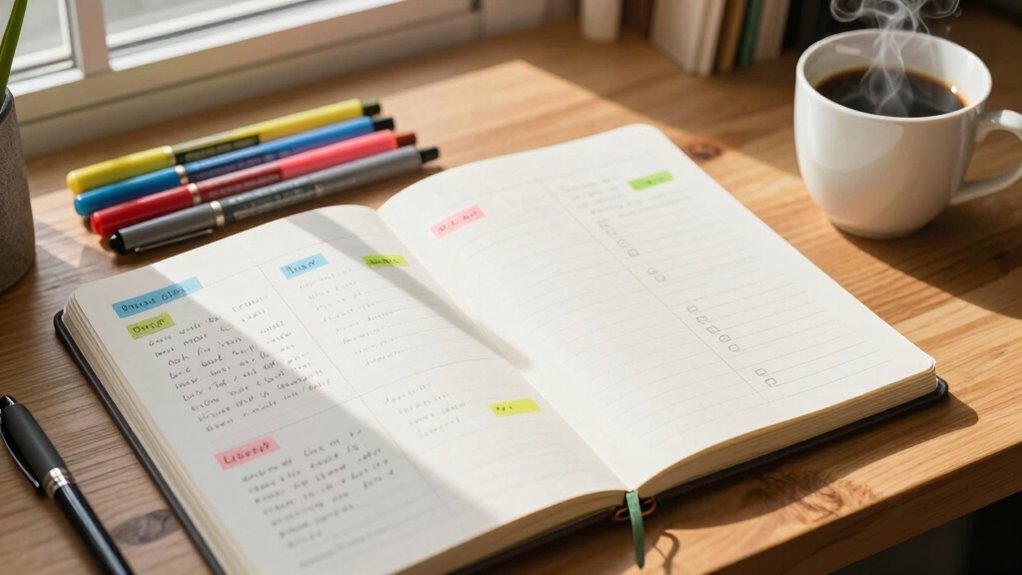
To make learning easier, break the skill into small, manageable steps. Set clear milestones and focus on mastering one step at a time, so progress feels achievable. Keep track of your progress regularly to stay motivated and adjust your plan as needed. Incorporating wave and wind concepts can also help you understand how external factors influence your skill development. Additionally, choosing the right alarm clock can help you establish a consistent routine and stay on track with your learning schedule. Understanding technological advancements can further enhance your ability to adapt and learn efficiently in a rapidly evolving environment. Being aware of smart home technology can inspire innovative ways to create a supportive learning environment that adapts to your needs, making your progress smoother. Avoiding common goal tracking pitfalls, such as neglecting progress reviews, can keep you aligned with your objectives and ensure continuous improvement.
Define Clear Milestones
Have you ever felt overwhelmed by a new skill because the goal seemed too big? To avoid this, define clear milestones that break the process into small, achievable targets. These milestones serve as motivation strategies, giving you a sense of progress and purpose. When each step is manageable, you’ll find it easier to stay focused and avoid burnout. Clear milestones also facilitate skill transfer, helping you see how each small achievement builds toward the bigger goal. By setting specific, measurable objectives, you create a roadmap that keeps you on track. This approach ensures you celebrate quick wins along the way, boosting confidence and momentum. Remember, breaking down your skill into milestones keeps you motivated and makes the learning process feel less overwhelming.
Focus on One Step
After setting clear milestones, the next step is to focus on one small, manageable step at a time. This helps you maintain mindful focus and prevents overwhelm. Break the skill into specific actions, and dedicate your attention to mastering each step thoroughly before moving on. Avoid multitasking or rushing through tasks, as distraction management becomes essential. When you concentrate on a single step, your learning becomes more intentional and effective. If your mind wanders, gently redirect your focus back to the current task. Remember, progress builds with small wins. By honing in on one step at a time, you create a solid foundation, making the overall skill less intimidating and more achievable. Focused attention supports the development of new skills by ensuring you stay engaged and avoid unnecessary confusion. Creating calm and organized homes starts with mastering small, manageable routines that build confidence over time. Practicing mindful focus helps reinforce your ability to stay present during each step, fostering a sense of accomplishment. Cultivating inner wisdom can enhance your ability to recognize which steps are most important and when to adjust your approach. Additionally, understanding the importance of diversification, as emphasized in financial strategies like converting 401k to Gold IRA, can help you approach learning with a broader perspective, reducing frustration when progress seems slow.
Track Progress Regularly
How can you stay motivated and on track as you learn a new skill? The key is to track your progress regularly. Breaking the skill into small, manageable steps makes this easier. Here are three ways to do it:
- Track your habits daily to build consistency and see how far you’ve come.
- Use visual progress tools like charts or checklists to make your achievements obvious and motivating.
- Set mini-goals for each session, then review your success to stay encouraged.
learning progress tracking journal
As an affiliate, we earn on qualifying purchases.
As an affiliate, we earn on qualifying purchases.
Schedule Regular Practice Sessions That Fit Your Routine

To make steady progress, you need to schedule regular practice sessions that seamlessly fit into your daily routine. Consistency and routine are key to building momentum, so choose specific times each day or week to practice. This habit-forming process is similar to optimizing a home theater setup with well-planned ambient-light playbooks, which ensures optimal viewing conditions. This approach helps turn learning into a habit rather than a chore, making it easier to stay committed over the long term. To stay accountable, consider partnering with an accountability partner who can encourage you and keep you committed. Setting clear, achievable goals for each session ensures you stay focused and motivated. Avoid irregular practice that leads to setbacks; instead, integrate sessions into your schedule so they become a natural part of your day. Establishing a learning routine can significantly enhance your ability to retain new skills over time. By sticking to a routine and involving accountability, you reinforce your commitment and make learning a sustainable part of your life.
Use the Right Tools to Practice and Track Your Progress

Using the right tools can substantially enhance your practice sessions and help you track your progress effectively. Digital tools are essential for staying organized and motivated as you learn. Here are three must-have tools:
- Progress tracking apps – Use apps like Trello or Notion to log your milestones and set achievable goals. Tracking your learning progress can help you stay focused and motivated. Incorporating skin health insights from tanning knowledge can also guide you to maintain a healthy approach to new skills.
- Practice platforms – Leverage platforms like Duolingo or Codecademy to practice skills interactively and receive instant feedback.
- Analytics tools – Use data-driven tools to analyze your performance over time, identifying areas for improvement. Monitoring your lease terms and costs can help you understand the financial aspects of your progress.
These digital tools streamline your practice, keep you accountable, and provide clear insights into your growth. Consistently monitor progress ensures you stay motivated and adjust your approach for better results.
Practice Actively and Apply Skills to Real Projects

Once you’ve set up your tools and tracked your progress, the next step is to practice actively and apply what you’ve learned to real projects. Hands-on experience is the best way to solidify your skills, so seek opportunities to work on actual tasks rather than just passively consuming tutorials. Focus on real-world application by tackling projects that challenge you and mirror situations you’ll face outside of practice sessions. This active engagement helps you understand how concepts fit together and builds confidence. Don’t shy away from mistakes; they’re part of the learning process. Applying skills in real projects accelerates your growth and makes your learning meaningful, transforming theoretical knowledge into practical expertise.
Get Feedback From Others and Join Learning Communities
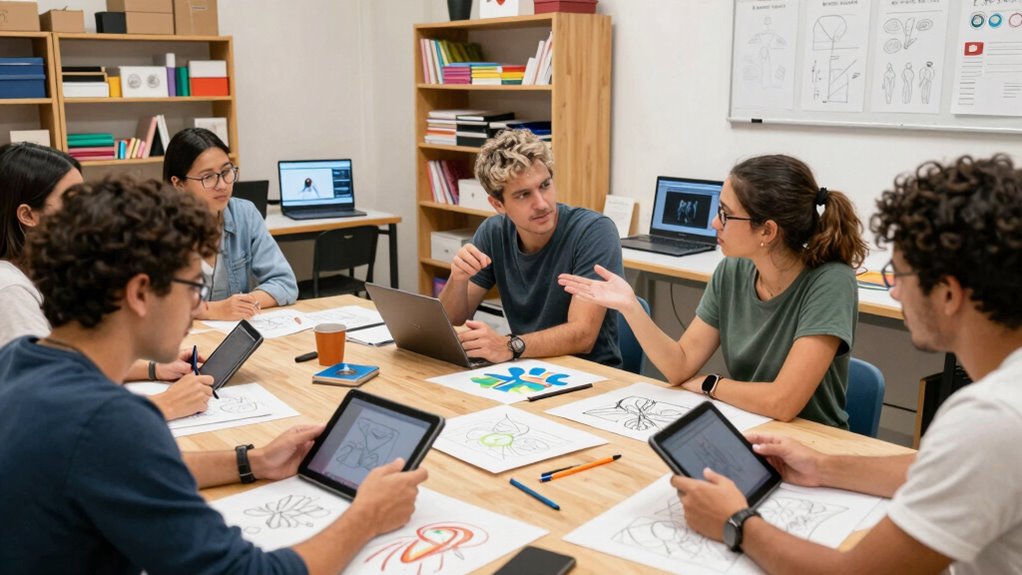
To improve your skills faster, you should seek feedback from others and become part of learning communities. Joining online forums, attending local events, or finding a mentor can provide valuable insights and encouragement. These connections help you stay motivated and identify areas for growth more effectively.
Join Online Forums
Have you considered joining online forums related to the skill you’re learning? An online community offers a space to exchange ideas, ask questions, and gain insights from others. Active forum participation helps you stay motivated and avoid getting stuck in tutorials alone. Here are three ways to make the most of it:
- Ask specific questions to get targeted advice from experienced members.
- Share your progress to receive encouragement and constructive feedback.
- Engage regularly to build connections and deepen your understanding of the skill.
Attend Local Events
Attending local events related to your new skill provides valuable opportunities to get direct feedback from others and connect with learning communities. Networking events and skill sharing meetups let you practice in real-world settings, ask questions, and gain insights that tutorials can’t offer. These gatherings help you identify common challenges and solutions while expanding your circle of passionate learners.
| Event Type | Benefits |
|---|---|
| Networking Events | Make connections, exchange ideas, find support |
| Skill Sharing Meetups | Practice skills, receive instant feedback, stay motivated |
| Workshops | Hands-on experience, expert guidance, community building |
Seek Mentorship Opportunities
Ever considered how mentorship can accelerate your learning? Mentorship benefits go beyond guidance—they provide valuable feedback, motivation, and real-world insights. To find mentors effectively, try these steps:
- Reach out to industry professionals or community leaders whose work you admire.
- Join online forums or local groups related to your skill, where experienced members often offer mentorship.
- Attend networking events or workshops to build genuine relationships and discover potential mentors.
Seeking mentorship opportunities helps you avoid common pitfalls and stay motivated. Mentors can offer tailored advice, critique your progress, and introduce you to relevant learning communities. By actively finding mentors, you gain access to personalized feedback and a supportive network that keeps you focused and progressing steadily.
Keep a Growth Mindset to Overcome Challenges and Plateaus
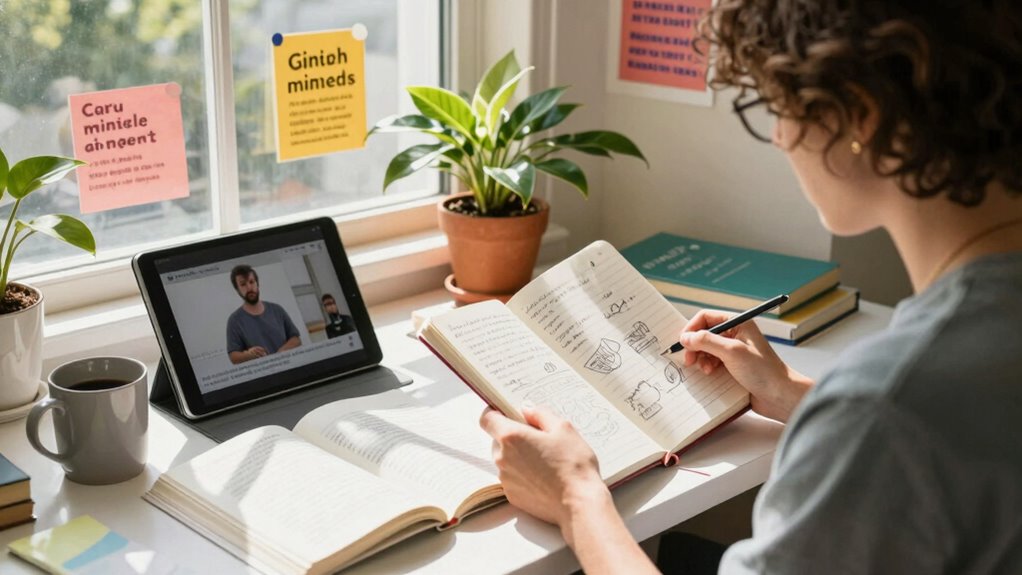
Maintaining a growth mindset is essential when facing challenges and plateaus in your learning journey. With mindset resilience, you see setbacks as opportunities to improve rather than failures. Embrace challenge acceptance, understanding that difficulties are natural parts of progress. When you encounter a plateau, resist the urge to give up or become discouraged. Instead, analyze what needs adjustment and stay committed to your goals. A growth mindset keeps you motivated to push through tough moments, knowing that effort leads to mastery. By focusing on learning rather than perfection, you build resilience and adapt your strategies. Remember, challenges are stepping stones, and your mindset determines whether you rise or fall. Keep believing in your capacity to grow, and you’ll navigate setbacks more effectively.
Assess Your Progress Periodically and Celebrate Achievements

Have you ever wondered how to stay motivated during your learning journey? Regularly evaluating your progress and celebrating milestones can give you the motivation boosts you need. Here are three ways to do it:
- Track your progress with a journal or app to visualize your achievements, making progress visualization easier.
- Set small goals and celebrate each win to reinforce your commitment and boost motivation.
- Reflect on setbacks objectively, recognizing growth rather than dwelling on failures.
Keep Learning by Adjusting Your Goals and Methods

To keep progressing in your learning journey, it’s essential to adjust your goals and methods as you go. If you find certain techniques aren’t effective, don’t hesitate to modify learning strategies to better suit your style. Revising goals helps you stay motivated and ensures your objectives remain realistic and relevant. For example, if you aimed to master a skill in a month but find you’re progress slower than expected, break it into smaller milestones and revise your timeline. Regularly evaluating your approach keeps you from stagnating and encourages continuous improvement. Remember, flexibility is key—adapting your goals and methods keeps the learning process dynamic and prevents frustration, helping you stay focused and engaged along the way.
Frequently Asked Questions
How Long Does It Typically Take to Master a New Skill?
Mastering a new skill typically takes anywhere from a few months to several years, depending on your dedication. You should practice consistently and set clear goals to stay motivated. Keep in mind that progress varies; some skills may come quickly, while others require persistent effort. By maintaining steady practice and refining your goals, you’ll accelerate your learning process and reach mastery faster.
What Are Common Mistakes Beginners Make When Learning a New Skill?
You often overlook fundamentals and fall into overconfidence pitfalls when learning a new skill. Beginners tend to jump into complex tasks too quickly, thinking they can learn everything at once. This leads to frustration and mistakes. To avoid this, focus on mastering basic concepts first and stay humble about your progress. Break tasks into smaller steps, practice consistently, and remember, patience keeps you on track without rushing or skipping essential fundamentals.
How Can I Stay Motivated During Challenging Learning Phases?
When facing tough learning phases, your motivation can dip faster than a roller coaster. To stay strong, use mental strategies like breaking goals into small, achievable steps, and celebrating every victory. Keep your eyes on the bigger picture by setting clear, inspiring goals. Remind yourself why you started, and visualize success. These techniques boost your resilience, helping you push through even the most challenging moments with renewed energy and focus.
Is It Better to Learn Alone or Join a Class/Community?
Joining a class or community often provides peer support, which keeps you motivated and offers valuable feedback. It’s easier to stay accountable and learn from others’ experiences. However, independent practice is essential for mastering a skill, so balancing both approaches works best. You can start with a community to build foundational knowledge and then practice independently to refine your abilities. This combo helps you stay engaged and progress faster.
How Do I Know When I’Ve Achieved Proficiency in a Skill?
Did you know that 85% of people feel confident in their skills after practicing for just 20 hours? You’ll know you’ve achieved proficiency when you can confidently meet self-assessment benchmarks and demonstrate clear skill proficiency indicators. Keep practicing regularly, seek feedback, and compare your performance to established standards. When tasks become easier, mistakes decrease, and you feel more natural, that’s a strong sign you’ve truly mastered the skill.
Conclusion
Remember, mastering a new skill is like climbing a mountain—you’ll face plenty of twists and turns, but with steady steps and the right mindset, you’ll reach the summit. Stay focused on your goals, embrace the process, and don’t let endless tutorials drown your progress. Keep adjusting, practicing, and celebrating each victory. Before you know it, you’ll be conquering your new skill with the confidence of a superhero—ready to take on anything that comes your way!
Halloween Picks
halloween
As an affiliate, we earn on qualifying purchases.