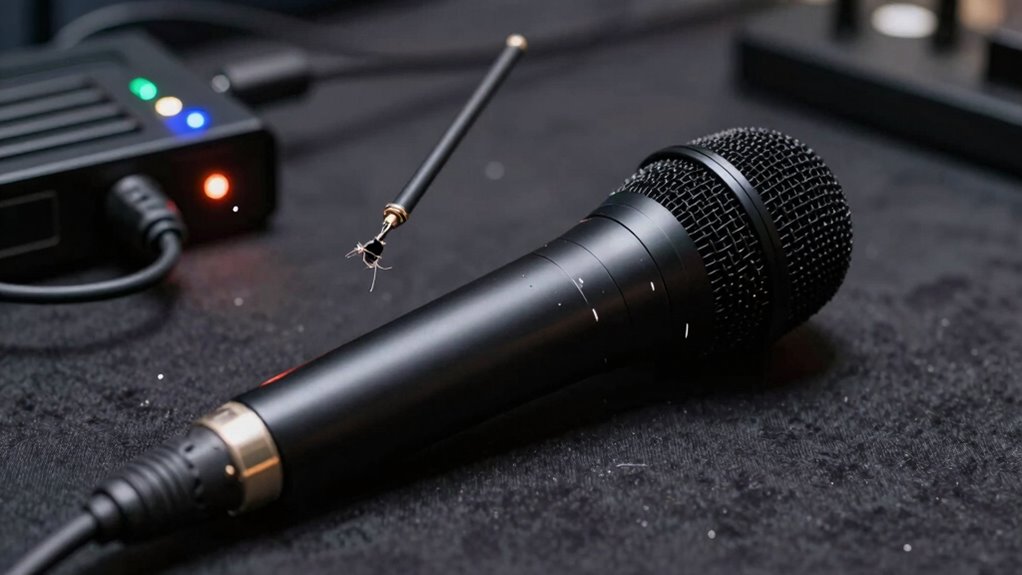

Wireless mics often fail at critical moments because of predictable issues you can avoid. Interference from Wi-Fi, other devices, or nearby wireless systems can cause audio dropouts, while low batteries are a common culprit for sudden failure. Environmental factors like poor air quality or unstable surroundings also impact performance. With proper frequency management and regular battery checks, you can prevent these problems. Keep going to uncover more tips on keeping your wireless mics reliable when it matters most.

Get school and study supplies delivered free — and shop member deals
- Fast, free delivery on millions of items
- Access to Prime Big Deal Days deals on October 6–7
- Prime Video, Amazon Music and more included
Key Takeaways
- Interference from nearby electronic devices and Wi-Fi signals can disrupt wireless microphone performance.
- Battery depletion over time causes unexpected audio dropouts during live events.
- Using overlapping or crowded frequency channels leads to signal conflicts and audio failures.
- Environmental factors like air quality and electromagnetic interference impact signal stability.
- Lack of proper frequency management and scanning increases the risk of mid-performance microphone failures.
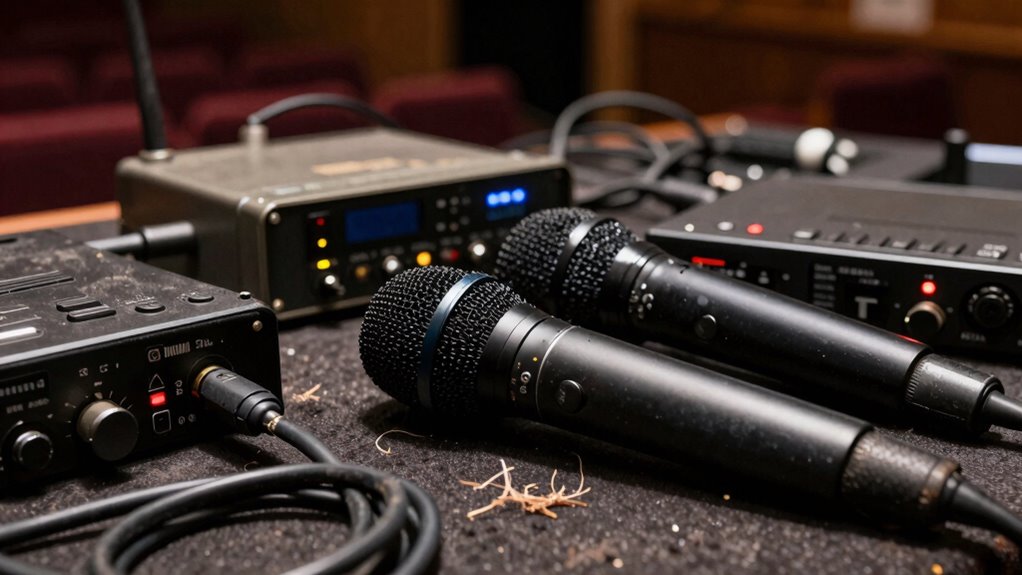
Wireless microphones often fail at critical moments because their common issues are easy to predict and prevent. When you’re on stage or in a live setting, a sudden drop in audio can seem like bad luck, but more often than not, it’s caused by predictable problems like frequency interference or battery depletion. Understanding these issues beforehand can save you from embarrassing moments and lost opportunities. For example, air quality can sometimes affect electronic equipment performance, so ensuring a clean and stable environment can contribute to better signal reliability. Frequency interference is a leading cause of wireless mic failures. You might not realize it, but other electronic devices, Wi-Fi signals, or even nearby wireless systems can disrupt your mic’s signal. When multiple devices operate on similar frequencies, they compete for the same bandwidth, causing audio dropouts or static. To prevent this, you need to scan the environment for open frequencies before your event, and paying attention to spectral environment can help you identify potential sources of interference. Many wireless systems have scanning features that help you find a clear channel. If you don’t take these precautions, you risk your microphone cutting out mid-performance, and that’s a problem you could have easily avoided with some simple planning. Additionally, proper frequency management is essential for maintaining reliable audio transmission during your event. Battery depletion is another predictable issue that catches many users off guard. Wireless mics run on batteries, and if you don’t monitor their power levels, you’ll likely find yourself scrambling when the batteries die unexpectedly. It’s especially common during long events or multiple performances. The solution is straightforward: always check and replace batteries before your event, and consider using rechargeable ones for convenience. Some systems even display remaining battery life, so you can gauge whether your mic will last through the entire show. Ignoring this step might lead to audio failure at the worst possible moment, which can be frustrating and unprofessional. Recognizing battery life as a crucial factor helps you plan accordingly to avoid disruptions. Being aware of environmental factors that impact electronic equipment can also help you take proactive steps to ensure your microphone’s performance.
wireless microphone frequency scanner
As an affiliate, we earn on qualifying purchases.
As an affiliate, we earn on qualifying purchases.
Frequently Asked Questions
How Can I Prevent Interference With Wireless Microphones?
To prevent interference with wireless microphones, you should focus on proper frequency coordination and antenna placement. Always select clear, non-overlapping frequencies and coordinate them with other devices to avoid conflicts. Position antennas high and unobstructed to guarantee strong signals and minimize interference. Regularly scan for new signal issues and adjust frequencies or antenna positions as needed. These steps help maintain reliable audio performance during your event.
What Are the Best Troubleshooting Steps for Signal Loss?
Did you know that 85% of signal loss issues are caused by poor antenna placement or incorrect frequency tuning? To troubleshoot, first check your antenna placement—ensure they’re elevated and unobstructed. Then, perform frequency tuning to find a clean signal channel. If issues persist, reset your system, recheck connections, and consider switching frequencies. This proactive approach helps maintain a strong, reliable wireless microphone signal during your event.
How Often Should Wireless Mic Batteries Be Replaced?
You should replace wireless mic batteries regularly, ideally before each event or when their power drops below 20%. Proper battery maintenance and power management are key to avoiding failures. Check batteries frequently and keep spares on hand. If you notice reduced audio quality or static, it’s time for fresh batteries. Consistent replacement guarantees reliable performance, prevents unexpected dropout, and extends your equipment’s lifespan.
What Specific Environments Cause the Most Failures?
Wireless mics face the stormy seas of environmental interference and signal congestion, making certain environments more prone to failure. You’ll find the worst in crowded venues with lots of wireless signals, like conferences or festivals, where competing frequencies disrupt communication. Additionally, areas with dense metal structures or thick walls can block signals, causing dropouts or static. Staying aware of these conditions helps you navigate and avoid potential wireless mic failures.
Are There Brands Known for More Reliable Wireless Mics?
You’ll find that brands like Sennheiser, Shure, and Audio-Technica are known for more reliable wireless mics. Their strong brand reputation and positive product reviews highlight consistent performance, durability, and excellent signal stability. When choosing a wireless mic, you should consider these brands, as they tend to handle challenging environments better. Investing in reputable brands can help minimize failures and guarantee smooth performances during your events.
rechargeable wireless microphone batteries
As an affiliate, we earn on qualifying purchases.
As an affiliate, we earn on qualifying purchases.
Conclusion
If you think wireless mics are unreliable, think again. Most failures happen for predictable reasons—like interference or poor setup—that you can easily avoid with a little preparation. Don’t let these common pitfalls discourage you; instead, learn to troubleshoot and plan ahead. With simple precautions, you’ll find that wireless microphones can deliver clear, dependable performance every time. Trust in your knowledge and preparation, and you’ll stay ahead of the issues before they even happen.
wireless mic interference filter
As an affiliate, we earn on qualifying purchases.
As an affiliate, we earn on qualifying purchases.
professional wireless microphone system
As an affiliate, we earn on qualifying purchases.
As an affiliate, we earn on qualifying purchases.
Halloween Picks
halloween
As an affiliate, we earn on qualifying purchases.