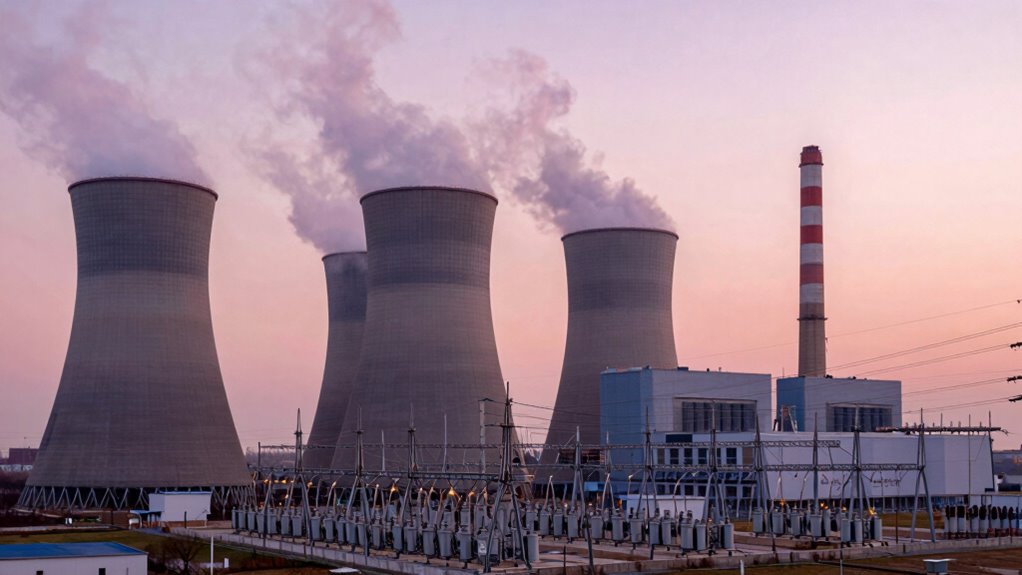

Your power station may take all day to charge due to several factors. Low-efficiency solar panels, larger battery capacities, and less advanced charging technology slow down recharging times. Weather conditions like cloud cover or low sunlight also reduce charging speed. Additionally, if the station lacks smart charging features, it can’t optimize power input. Keep exploring to understand how to speed up your recharge process and stay prepared whenever you need power quickly.

Prime made for students and young adults
- Fast, free delivery for dorm and study essentials
- Prime Video and Amazon Music included
- Member-only deals
Key Takeaways
- Larger battery capacities require more time to fully recharge, especially if charging sources are limited.
- Lower solar panel efficiency and poor sunlight conditions slow down energy collection, extending charging times.
- Traditional charging systems may lack smart algorithms, resulting in slower, less optimized recharging processes.
- Inadequate or incompatible charging inputs can reduce charging speeds, making some stations take all day.
- Weather and environmental factors significantly impact solar energy availability, affecting how quickly power stations recharge.
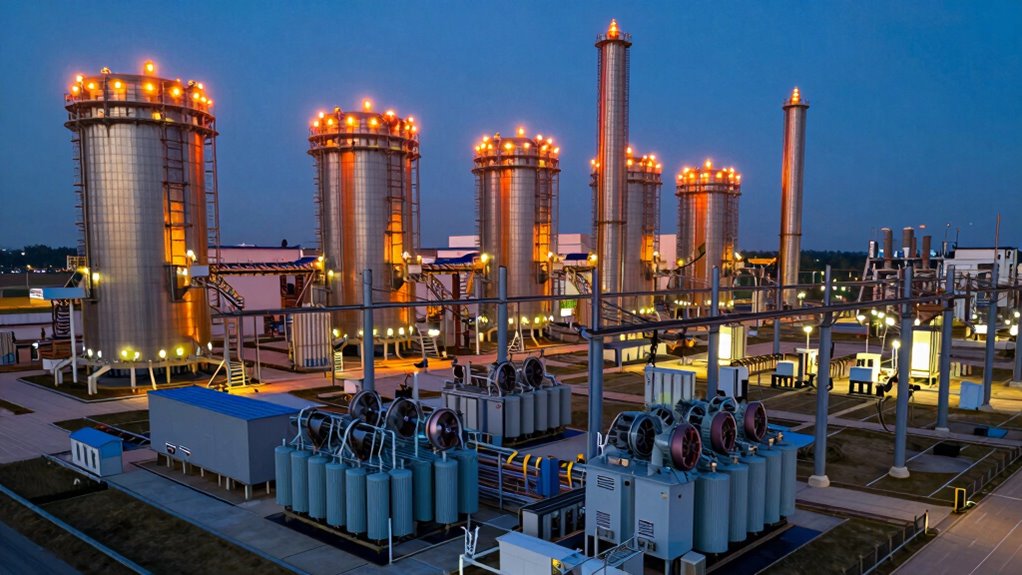
Charging speed is a essential factor when choosing a power station, as it determines how quickly you can replenish its energy and get back on the move. If you rely on a portable power source during outdoor adventures or emergencies, knowing how fast it charges can make a big difference in your plans. Several factors influence charging speed, but two of the most critical are solar panel efficiency and battery capacity optimization. Understanding how these elements work together can help you pick a station that charges faster and better suits your needs.
Charging speed impacts how quickly your power station gets ready for your next adventure or emergency.
Solar panel efficiency plays a significant role in how quickly your power station recharges when using sunlight. Higher efficiency panels convert more sunlight into usable electricity, which means you can harness more energy in less time. If you’re often off-grid or rely on solar charging, investing in a station compatible with high-efficiency panels can drastically reduce charging times. Keep in mind, the quality of the solar panel isn’t just about efficiency; it also impacts how well it performs under different conditions, such as cloudy days or low-light situations. The better the solar panel, the more reliable and faster your power station will recharge during your outdoor activities.
Battery capacity optimization is another crucial aspect affecting charging speed. A larger battery capacity means more energy storage, but it also usually takes longer to fully recharge. To avoid slow charging times, consider a power station designed with optimized battery management systems. These systems regulate charging currents, prevent overheating, and extend battery life, all of which contribute to faster, safer recharging. Some stations feature smart charging algorithms that adjust power input based on conditions, further improving speed. If you frequently need quick recharges, look for models that balance ample capacity with efficient charging features.
Additionally, advancements in smart charging technologies are helping to accelerate recharging times by optimizing power flow and reducing downtime.
In essence, the combination of solar panel efficiency and smart battery capacity management determines how quickly you can get your power station back to full. A high-efficiency solar panel paired with advanced battery optimization technologies ensures you spend less time waiting and more time enjoying your adventures or managing emergencies. While a larger capacity might seem like an advantage, it’s only beneficial if the station can recharge swiftly. Otherwise, you risk spending hours tethered to a slow charging process. By understanding these factors, you’ll be better equipped to choose a power station that offers faster, more reliable recharging, ensuring you’re never left powerless when you need it most.
high efficiency solar power station
As an affiliate, we earn on qualifying purchases.
As an affiliate, we earn on qualifying purchases.
Frequently Asked Questions
How Does Battery Capacity Affect Charging Time?
Your battery capacity directly impacts charge duration; larger battery size means it takes longer to fully charge. When your power station has a bigger capacity, more energy needs to be replenished, so the charging process extends. Conversely, a smaller battery charges faster because there’s less energy to fill. So, if you’re using a high-capacity power station, expect a longer charge duration compared to smaller ones.
Do Charging Station Types Impact Charging Speed?
Think of charging stations as different orchestras—some perform faster than others. Your charging speed depends on station compatibility and location effects. Fast chargers, like a symphony’s crescendo, fill your battery quickly if compatible, while slower stations mimic a lullaby. Station location impacts power supply quality; urban hubs often offer better speeds than rural spots. Choose the right station type, and your charge won’t feel like an eternity.
Can Environmental Temperature Influence Charging Efficiency?
Yes, environmental temperature can influence charging efficiency. Thermal effects come into play as ambient temperature affects battery performance; high temperatures may cause overheating, slowing down the process, while low temperatures reduce chemical reactions, making charging less efficient. You’ll notice that charging speeds vary with temperature, and keeping batteries within ideal thermal ranges helps maintain consistent, faster charging times. Proper thermal management ensures better overall charging performance.
What Role Does Power Station Age Play in Charging Speed?
You’ll find that power station age considerably impacts charging speed. Older stations often have outdated technology, worn-out components, or degraded batteries, which slow down the process. Newer stations typically feature advanced charging technology and better maintenance, allowing for faster, more efficient charging. So, if your station is aging, expect longer charging times because its ability to deliver power quickly diminishes over time. Regular updates and maintenance can help improve charging speed.
Are There Safety Concerns With Rapid Charging?
Rapid charging is like pushing a car to its limits—there are safety concerns, but they can be managed. You should always follow safety protocols and rely on thermal management to prevent overheating. Manufacturers design charging systems with safeguards to protect both the device and user. When properly implemented, rapid charging is safe, but ignoring these protocols increases risks like thermal runaway or damage to the power station.
fast charging portable power station
As an affiliate, we earn on qualifying purchases.
As an affiliate, we earn on qualifying purchases.
Conclusion
So, next time you wonder why some power stations take forever to charge, remember—it’s not just about the technology. Factors like capacity, temperature, and design all play a role, but there’s more beneath the surface. The real question remains: what surprises lie ahead as engineers push boundaries? Stay tuned, because the future of charging might just change faster than you think—if you can keep up. The next breakthrough could be closer than you imagine.
smart battery management system for power stations
As an affiliate, we earn on qualifying purchases.
As an affiliate, we earn on qualifying purchases.
solar panel for portable power station
As an affiliate, we earn on qualifying purchases.
As an affiliate, we earn on qualifying purchases.
Fall Picks
fall essentials
As an affiliate, we earn on qualifying purchases.