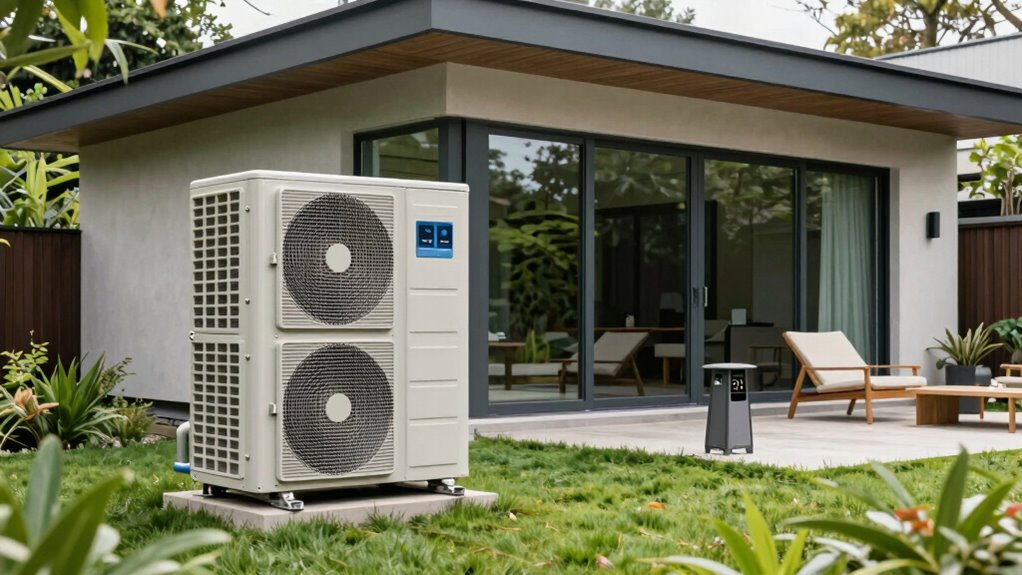

If your home is small or has an open layout, a whole-house system might be overkill, especially if you only need localized heating or cooling. Consider your home’s size, layout, and how much uniform climate control matters to you. If you mainly stay in one area or have simple needs, targeted units could save money and energy. To find out if a whole-house system fits your home, explore more tips and advice below.

Prime made for students and young adults
- Fast, free delivery for dorm and study essentials
- Prime Video and Amazon Music included
- Member-only deals
Key Takeaways
- Assess your home size, layout, and whether localized solutions can adequately meet your climate control needs.
- Consider if the initial cost and ongoing maintenance of a whole-house system outweigh long-term energy savings.
- Determine if your home’s insulation, open plan, or multi-story design justifies a comprehensive system.
- Evaluate your lifestyle and whether targeted zones or single units can provide sufficient comfort.
- Weigh the environmental impact and efficiency benefits against the complexity and expense of a whole-house setup.
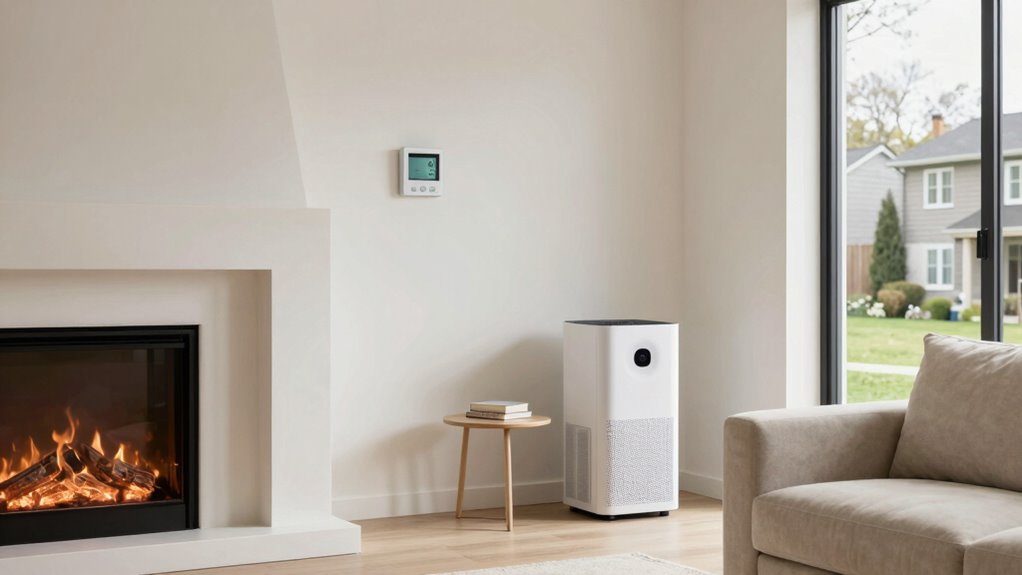
Deciding whether a whole-house system is necessary depends on your home’s size, layout, and specific needs. If you’re considering installing a system like a whole-house humidifier, air purifier, or heating and cooling setup, it’s crucial to assess if it truly benefits your living space. One of the first things to evaluate is energy efficiency. A whole-house system can improve energy efficiency by providing consistent climate control and reducing energy waste caused by uneven heating or cooling. However, if your home is small or has a straightforward layout, a single, well-chosen unit might be enough to meet your needs without the added expense of an all-encompassing system.
Choosing a whole-house system depends on your home’s size, layout, and specific comfort needs.
Next, you should perform a thorough cost analysis. Whole-house systems often come with higher upfront costs, including installation and maintenance, compared to individual units. Consider whether the long-term savings on energy bills justify this initial investment. Sometimes, a targeted approach—installing specific devices only where needed—can be more cost-effective than an extensive system that covers every corner of your home. For example, if only one room or zone experiences temperature fluctuations, a single zone-specific solution might suffice, saving you money and reducing unnecessary complexity. Additionally, understanding the cost-benefit analysis of such systems can help you make a more informed decision.
You also need to think about your home’s layout and how it influences your decision. Larger or multi-story homes with varying room sizes might benefit more from a whole-house system because it can offer more uniform climate control. Conversely, if your home is compact or has an open floor plan, a single unit or localized solutions could provide the necessary comfort without overdoing it. Additionally, consider your lifestyle and how often you’re home. If you spend most of your time in one area, installing a system that focuses on that zone can be more practical and economical. Understanding the benefits of energy efficiency can also help inform your decision, as it plays a significant role in long-term savings and comfort levels. Furthermore, considering home insulation quality can impact how effective a whole-house system might be in maintaining desired temperatures.
Another factor is your long-term maintenance and operational costs. Whole-house systems tend to require more regular upkeep, which adds to the total cost of ownership. If you’re concerned about ongoing expenses or prefer a lower-maintenance setup, smaller or modular units might be more suitable. It’s also worth noting that advances in sustainable living practices are making these systems more efficient and environmentally friendly, which might influence your choice. Finally, think about your comfort preferences and whether a whole-house system’s ability to provide consistent climate conditions outweighs the complexity and cost involved. Carefully weighing these considerations will help determine whether installing a whole-house system is overkill or the right choice for your home’s specific needs.
As an affiliate, we earn on qualifying purchases.
Frequently Asked Questions
What Are the Signs My Current System Is Underperforming?
If your system struggles to keep your home comfortable, it’s a sign it’s underperforming. You might notice uneven temperatures or increased energy bills, indicating poor energy efficiency. Frequent repairs or increased maintenance needs also point to issues. When your system can’t handle your home’s demands efficiently, it’s time to think about upgrading. Staying attentive to these signs helps make certain your system runs smoothly and saves you money in the long run.
How Much Does a Whole-House System Typically Cost?
They say “you get what you pay for,” and a whole-house system typically costs between $10,000 and $20,000. While the initial expense is high, it can boost your energy efficiency and lead to significant cost savings over time. Consider your home’s size and needs, because investing in the right system guarantees better comfort, lower energy bills, and long-term value—making it a smart financial choice.
Are There Alternative Heating and Cooling Options?
Yes, there are alternative heating and cooling options. You might consider energy-efficient solutions like ductless mini-split systems, which offer targeted comfort and reduce energy waste. Zoning solutions can also help by dividing your home into areas with independent temperature controls, saving you money and increasing comfort. These options are ideal if you want to avoid the expense and complexity of a whole-house system, especially for smaller or well-insulated homes.
How Long Does It Take to Install a Whole-House System?
Installing a whole-house system typically takes one to three days, depending on your home’s size and complexity. During this time, professionals focus on ensuring energy efficiency and proper system maintenance setup. You’ll want to plan for some minor disruptions, but the process is generally quick. Regular maintenance afterward helps keep your system running smoothly and efficiently, maximizing your investment and comfort over the long term.
Can I Upgrade My Existing System Instead of Replacing It?
You can often upgrade your existing system instead of replacing it, especially if it’s still compatible with newer parts. For example, upgrading your HVAC system’s thermostat or adding energy-efficient components can boost energy efficiency without a full overhaul. Check system compatibility first; upgrading might be more cost-effective and environmentally friendly. Consult a professional to guarantee your current setup can handle upgrades and deliver the efficiency improvements you want.
As an affiliate, we earn on qualifying purchases.
Conclusion
If you’re worried that a whole-house system might be more than you need, remember it’s all about your specific home and lifestyle. While it might seem like overkill now, investing in the right system can save you money and hassle in the long run. Don’t let fear of unnecessary expense hold you back—consult a professional to see if a tailored solution fits your needs perfectly. After all, peace of mind is worth the investment.
individual room air conditioners
As an affiliate, we earn on qualifying purchases.
As an affiliate, we earn on qualifying purchases.
As an affiliate, we earn on qualifying purchases.
Fall Picks
fall essentials
As an affiliate, we earn on qualifying purchases.