
End-to-end encryption is a way to keep your messages private so only you and the person you’re talking to can see what’s written. It scrambles your message on your device and only decodes it when it reaches the other person’s device. This means no one else, not even hackers or companies, can read your conversations. Want to find out how this helps protect your privacy and which apps use it? Keep going to learn more.
Key Takeaways
- End-to-end encryption keeps messages private by only allowing the sender and receiver to read them.
- Messages are scrambled on your device and only unscrambled on the recipient’s device.
- Interceptors, like hackers or governments, cannot read the messages because they lack the decryption keys.
- It prevents others from accessing your conversations, even if they try to intercept the data.
- This technology is used by popular messaging apps to protect your privacy during chats.
What Is End-to-End Encryption and Why Is It Important?
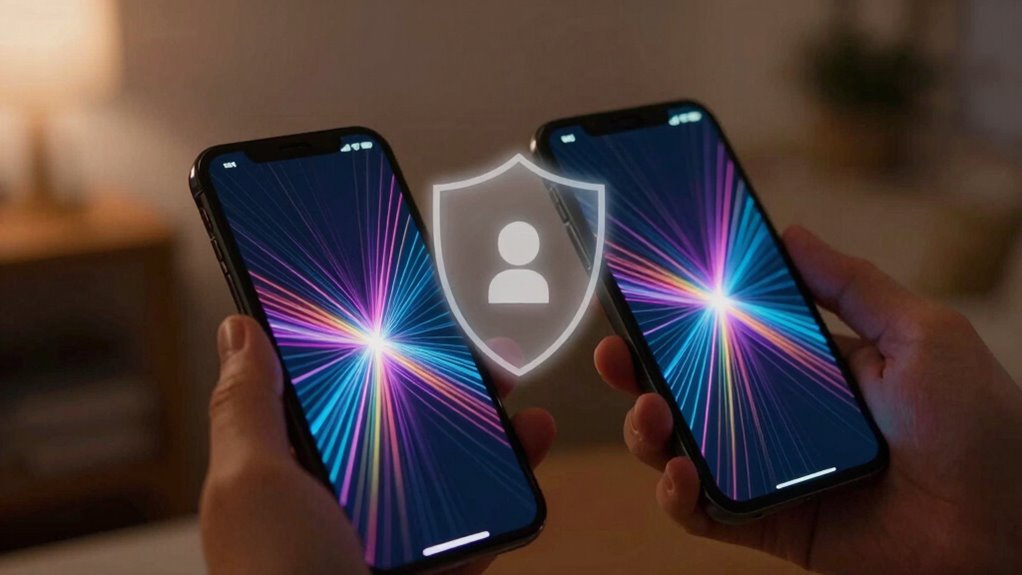
Have you ever wondered how your private messages stay secure even when they travel across the internet? That’s where encryption basics come into play. End-to-end encryption ensures only you and the person you’re messaging can read what’s sent, keeping outsiders from accessing your data. It works by encrypting your message on your device and decrypting it only on the recipient’s device. This method addresses major privacy concerns, especially with increasing cyber threats and data breaches. Without end-to-end encryption, your messages could be intercepted or accessed by third parties, risking your privacy. Understanding the encryption technology behind these protections helps you grasp why it’s crucial for secure communication and why many apps now prioritize implementing it to protect your personal information. As technology advances, connected devices are becoming more integrated into our daily lives, making robust encryption even more vital to safeguard all types of digital interactions. Additionally, the privacy implications of using encryption highlight its role in maintaining user trust and safeguarding sensitive data in an interconnected world. Recognizing the importance of data security reinforces why encryption is fundamental in protecting digital communications. Moreover, as new cybersecurity challenges emerge, the role of encryption becomes increasingly essential in defending against evolving threats.
Which Messaging Apps Use End-to-End Encryption?

Many popular messaging apps now prioritize end-to-end encryption to protect your conversations. Apps like WhatsApp, Signal, and Apple iMessage use this technology to guarantee only you and the person you’re chatting with can read your messages. By doing so, they address common privacy concerns and boost app security, making it harder for hackers or third parties to intercept your data. Some apps, however, may offer optional encryption or have limited features, so it’s important to check each app’s privacy settings. While end-to-end encryption strengthens privacy, understanding which platforms use it helps you make informed choices about your digital security. Understanding encryption practices is essential for maintaining your privacy in a digital age. Always stay aware of the encryption practices of your messaging apps to protect your personal information effectively, especially when creating calm and organized homes through mindful digital habits. Additionally, being aware of the astrological signs associated with attractiveness can influence how you perceive yourself and others in digital interactions.
How Does End-to-End Encryption Keep Your Messages Safe?
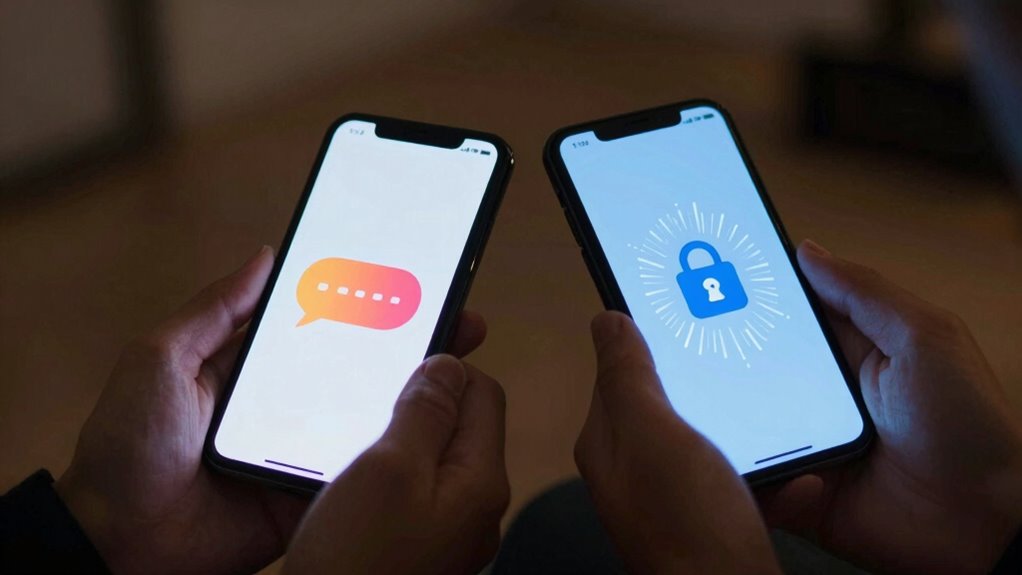
End-to-end encryption keeps your messages safe by ensuring that only you and the person you’re communicating with can read their content. It does this by encrypting your messages on your device and decrypting them only on the recipient’s device. Even if someone intercepts your messages during transmission, they can’t access the original content because they lack the decryption keys. This process greatly enhances digital security and prevents unauthorized access. By limiting who can decrypt your messages, end-to-end encryption also strengthens privacy protection, keeping your conversations private from hackers, government agencies, or service providers. As a result, you can communicate more confidently, knowing your messages are secure and accessible only to you and your intended recipient. Additionally, understanding the security features of encryption helps you make informed choices about your digital privacy. Recognizing how these thermal behavior principles function can help you better understand how encryption maintains message integrity during transmission, especially when combined with privacy policies that govern data handling practices. Furthermore, being aware of encryption protocols can assist you in assessing the overall robustness of your messaging security. Knowing about the vetted methods used in encryption can give you added confidence in your privacy protections.
What Are the Main Limitations of End-to-End Encryption?
While end-to-end encryption offers strong security for your messages, it also has notable limitations. One major issue is backdoor vulnerabilities, which can be exploited if developers intentionally or unintentionally create ways for third parties to access your data. Additionally, device compatibility can pose problems; not all devices support the latest encryption standards, risking security gaps. These limitations mean that even secure systems aren’t foolproof. The table below highlights key challenges: Free Floating and the importance of understanding encryption standards to ensure maximum protection. Moreover, vetted security practices and ongoing updates are essential to mitigate emerging threats and maintain data privacy. Recognizing potential security risks helps users make informed decisions about their digital communications. Staying aware of system vulnerabilities is crucial for maintaining overall security beyond just encryption.
Why Does End-to-End Encryption Matter for Your Privacy?
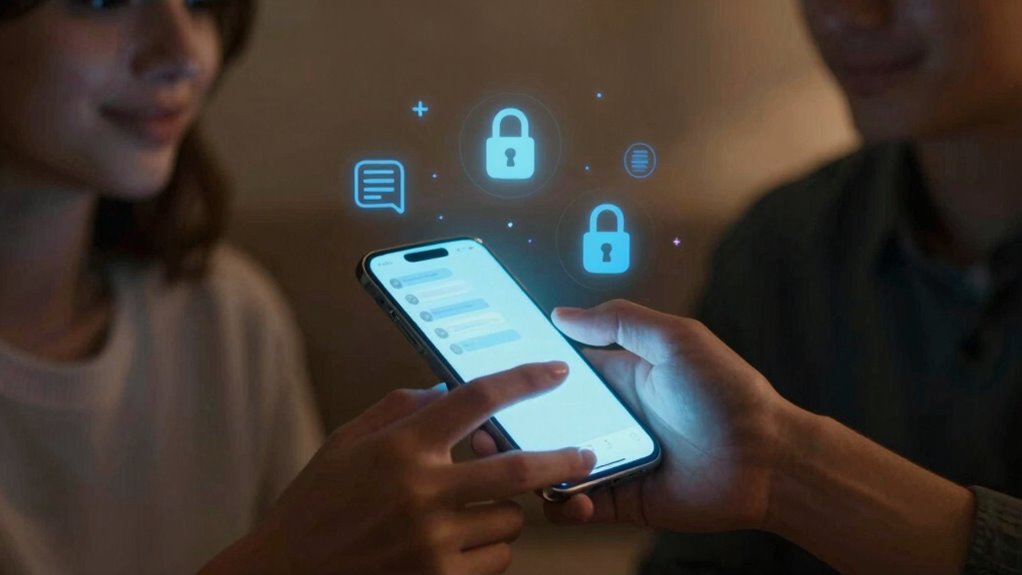
Have you ever wondered how your private messages stay confidential even as they travel across the internet? End-to-end encryption is a key tool that protects you from privacy risks. It guarantees that only you and the person you’re communicating with can read the messages, preventing hackers or third parties from eavesdropping. Without it, your data could be exposed through encryption vulnerabilities or intercepted during transmission. This security matters because it preserves your control over sensitive information, like personal details, financial info, or private conversations. Even if someone tries to access your messages, end-to-end encryption keeps them safe. It’s an essential safeguard against privacy breaches, giving you peace of mind that your communications stay private in an increasingly digital world. Understanding encryption helps you recognize how your information remains protected, especially considering how data security plays a vital role in maintaining your privacy. Recognizing the importance of security protocols can also help you make informed choices about your digital communications. Additionally, awareness of encryption vulnerabilities can further help you understand potential risks and the importance of robust security measures. Furthermore, the development of advanced encryption techniques continues to enhance the strength and reliability of these privacy protections.
Frequently Asked Questions
Can End-To-End Encryption Be Bypassed by Hackers?
End-to-end encryption can be bypassed if hackers exploit vulnerabilities in the system or find ways around the encryption. While it’s designed to protect your data, hackers use various exploits to access messages or data before encryption is applied or after decryption. No system is completely invulnerable, so stay cautious, keep your software updated, and be aware of hacker exploits that could compromise your encrypted communications.
Does End-To-End Encryption Work on All Devices?
End-to-end encryption doesn’t work on all devices, but it’s pretty close to universal for modern smartphones and computers. You’ll find device compatibility varies, especially with older or less common platforms. Cross-platform encryption allows your messages to stay secure across different devices and operating systems, though some apps might not support it perfectly. To stay safe, always choose apps that prioritize encryption, no matter what device you’re using—it’s like having a digital fortress!
Are There Government Backdoors in Encrypted Messaging Apps?
Government backdoors in encrypted messaging apps are a concern for many, fueling debates about government surveillance and privacy. While some governments push for access to encrypted data, most companies say backdoors weaken security and could be exploited by hackers. You should stay informed about app policies and privacy features, as relying on end-to-end encryption helps protect your messages from unauthorized access, maintaining your privacy in a world of increasing surveillance.
How Does Encryption Affect the Speed of Message Delivery?
Encryption can slightly increase message delay due to encryption latency, but it typically doesn’t cause noticeable slowdown. When you send a message, it’s encrypted before transmission and decrypted upon receipt, which adds a small processing step. This extra step might cause minimal message delay, but modern encryption methods are optimized for speed. Overall, encryption keeps your messages secure without substantially impacting how quickly they reach your recipient.
Can Businesses Access Encrypted Messages for Customer Service?
Businesses generally can’t access encrypted messages due to privacy concerns and the integrity of end-to-end encryption. This means only you and the recipient can read the messages, not even the service provider. However, legal access might be granted if authorities obtain a court order, but most companies prioritize user privacy. So, for customer service, they rely on other methods that don’t compromise your message’s confidentiality.
Conclusion
End-to-end encryption protects your messages by ensuring only you and the recipient can access their content. It keeps your conversations private, secures your data from prying eyes, and preserves your trust in digital communication. By understanding its importance, recognizing its limits, and choosing apps wisely, you uphold your privacy. Because your messages matter, end-to-end encryption matters. Because your privacy matters, end-to-end encryption matters. Protect your conversations, safeguard your information, and prioritize your digital security.