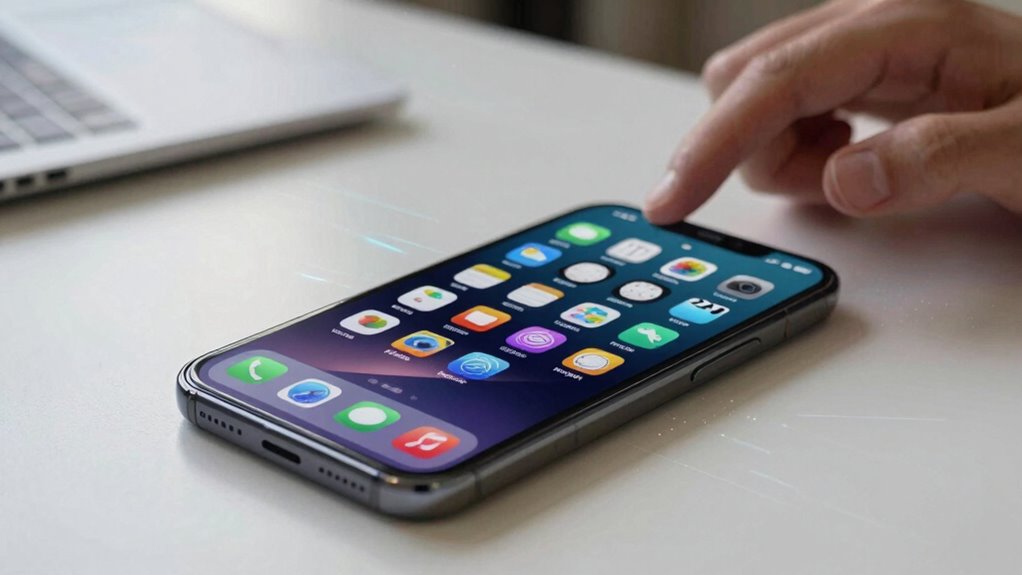

Data collection in everyday apps means that your activities, location, device details, and preferences are gathered and stored, often without you realizing it. When you accept terms or use the app, you might unknowingly agree to share this data, which helps personalize content or target ads. This process can risk your privacy and security if not protected properly. If you want to understand how your information is used and kept safe, keep going for more insights.

Prime made for students and young adults
- Fast, free delivery for dorm and study essentials
- Prime Video and Amazon Music included
- Member-only deals
Key Takeaways
- Apps gather user activities, location, device info, and preferences to personalize services and target advertising.
- Data collection often occurs transparently through terms, with users unknowingly consenting.
- Collected data includes browsing history, app usage, contact details, and location.
- Excessive or insecure data collection can threaten user privacy and security.
- Proper security measures like encryption protect sensitive data from breaches and misuse.
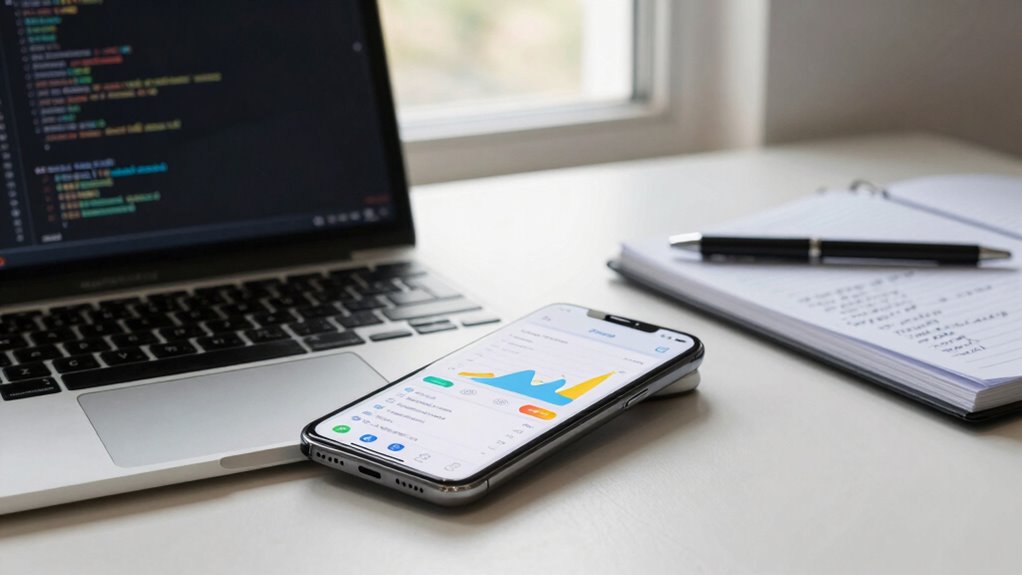
Have you ever wondered how apps seem to know so much about your habits and preferences? It’s almost like they’re reading your mind, but behind the scenes, there’s a lot of data collection happening. When you use an app, you’re often giving it permission to gather information about your activities, location, devices, and even your personal preferences. This process is called data collection, and it’s the backbone of how many apps personalize your experience, target ads, and improve their services. But it also raises important questions about user privacy and data security.
Every time you click “accept” on an app’s terms and conditions, you’re agreeing—sometimes unknowingly—to share certain data. This data might include your browsing history, app usage patterns, or contact details. The app developers then store this information on servers, creating detailed profiles of your habits and interests. These profiles allow companies to deliver tailored content, but they also pose risks if the data isn’t properly protected. If data security isn’t robust, hackers could access sensitive information, leading to identity theft or privacy breaches. That’s why understanding what data collection really means helps you become a more conscious user.
Accepting app terms often shares your data, creating profiles that pose privacy and security risks if not properly protected.
While some data collection is necessary for apps to function smoothly, excessive or poorly secured data gathering can compromise user privacy. For example, location tracking might be used to offer relevant local news, but it can also be exploited to monitor your movements without your knowledge. Many apps collect data in the background, even when you’re not actively using them, which can feel invasive. That’s why it’s crucial to review app permissions regularly and be cautious about what information you share. Protecting user privacy isn’t just about what data is collected but also how securely it’s stored and who has access to it. Additionally, understanding the types of data collected helps you better grasp the scope of your digital footprint. Recognizing the importance of data security measures is essential in ensuring your personal information remains protected. Furthermore, awareness of privacy practices by companies can help you make more informed choices about the apps you trust.
Companies have a responsibility to implement strong data security measures to prevent breaches. Encryption, regular security audits, and clear privacy policies are essential to safeguard your information. As a user, you should demand transparency from app developers—know what data they collect, how they use it, and who they share it with. It’s also important to stay informed about how regulatory frameworks are evolving to better protect user privacy in the digital age. Ultimately, understanding what “data collection” really means helps you make informed decisions about your digital footprint. It empowers you to control your privacy and ensure that your personal information remains protected in a world where your habits and preferences are constantly being watched and analyzed.
privacy screen protector for smartphones
As an affiliate, we earn on qualifying purchases.
As an affiliate, we earn on qualifying purchases.
Frequently Asked Questions
How Do Apps Collect Data Without My Knowledge?
Apps collect data without you knowing by running background processes that track your activity, location, or preferences. They often use data anonymization techniques to hide your identity, making it harder to link data back to you directly. However, this can still impact your user privacy, as your habits and personal info are gathered silently. To protect yourself, review app permissions and stay informed about how your data is used and shared.
Are All Data Collection Methods Legal and Ethical?
Not all data collection methods are legal and ethical. While some apps respect privacy concerns and user consent, others cross boundaries without your knowledge. You might unknowingly share personal info, raising serious ethical questions. Developers should prioritize transparency, but the reality is often murky. Always question what data you’re giving away and verify the app’s practices align with your comfort and legal standards to protect your privacy.
Can Data Collection Improve App Performance?
Data collection can definitely improve app performance when done responsibly. By analyzing user behavior, you can optimize features, speed, and usability, enhancing user experience. However, maintaining user privacy and ensuring data transparency are essential; you should clearly inform users about what data you collect and how it’s used. When you respect privacy and keep data transparent, users are more likely to trust your app and engage more actively.
How Long Is My Data Stored by Apps?
They say, “What you don’t know can’t hurt you,” but with data, it’s different. Your apps store data for varying storage durations, depending on their data retention policies. Some keep your info for a few months, others longer, sometimes indefinitely. Always check app settings or privacy policies to understand how long your data stays stored. Being proactive helps you control your digital footprint and protect your privacy.
Do Data Collection Practices Differ Between Free and Paid Apps?
Yes, data collection practices do differ between free and paid apps. Free apps often prioritize user privacy less because they rely on data monetization, selling user data to third parties. Paid apps, on the other hand, usually collect less data or have stricter privacy policies, focusing on protecting your information. This difference impacts how your data is used and your overall privacy, so always review app permissions carefully.
As an affiliate, we earn on qualifying purchases.
Conclusion
Think of your app experience as a voyage on a vast, bustling river. Every tap, scroll, and click is like tossing a small boat into the current, carrying bits of your data along. While it might seem harmless, these streams can merge into larger rivers, revealing your habits and preferences. Staying aware is your paddle—guiding you through the flow, ensuring you stay in control of where your data travels. Paddle wisely, and protect your journey.
As an affiliate, we earn on qualifying purchases.
As an affiliate, we earn on qualifying purchases.
Halloween Picks
halloween
As an affiliate, we earn on qualifying purchases.