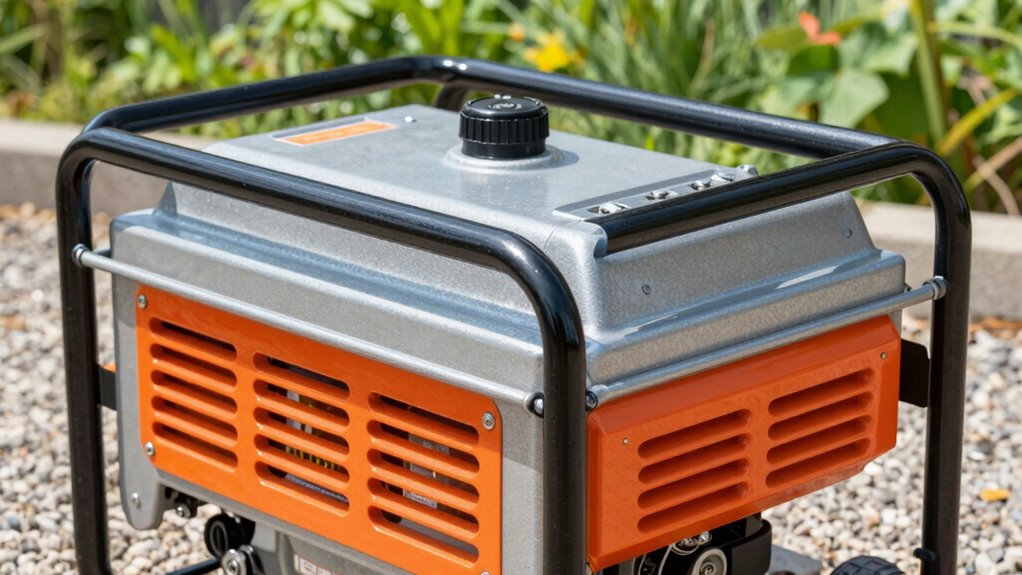

Your safety with a generator depends mainly on proper ventilation, not just fuel choice. Always place your generator outdoors, away from windows, vents, and enclosed spaces, and guarantee there’s clear, open airflow around it. Adequate ventilation prevents dangerous carbon monoxide buildup and keeps fumes dispersed safely. Remember, proper placement and airflow are key to avoiding poisoning risks. If you want to understand exactly how to maximize your safety measures, keep exploring these essential practices.

Prime made for students and young adults
- Fast, free delivery for dorm and study essentials
- Prime Video and Amazon Music included
- Member-only deals
Key Takeaways
- Proper ventilation ensures exhaust fumes disperse safely, reducing carbon monoxide buildup regardless of fuel type.
- Correct generator placement outdoors and away from openings prevents dangerous indoor gas accumulation.
- Installing carbon monoxide detectors provides early warning, emphasizing ventilation safety over fuel considerations.
- Avoid obstructions around the generator to maintain airflow and facilitate effective dispersal of exhaust gases.
- Regular maintenance and understanding of airflow dynamics are essential to prevent hazards, prioritizing ventilation over fuel usage.
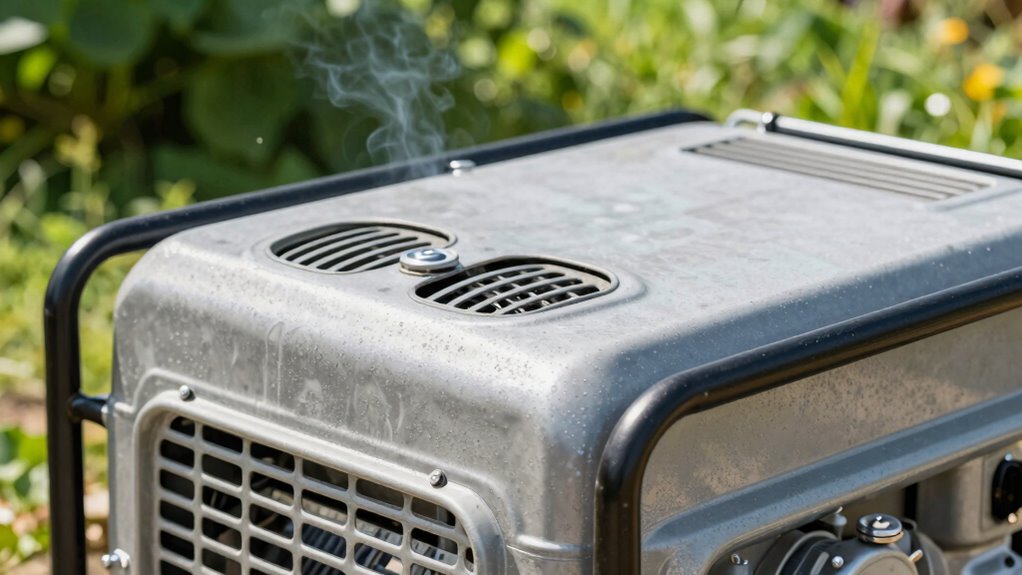
Proper ventilation is crucial for safe generator operation because it prevents dangerous buildup of carbon monoxide, a deadly gas produced during fuel combustion. Carbon monoxide risks are real and serious; even small amounts can cause harmful health effects or death. When you operate a generator, it’s critical to guarantee proper airflow around the unit to avoid dangerous concentrations of this odorless, colorless gas. Without adequate ventilation, carbon monoxide can quickly reach deadly levels indoors or in poorly ventilated spaces, making it imperative to take measures that promote safe airflow.
Ensure proper airflow around your generator to prevent deadly carbon monoxide buildup. Safety depends on ventilation.
You should always position your generator outdoors, away from windows, vents, and doorways that could allow carbon monoxide to seep inside. Never run a generator inside a garage, basement, or enclosed area—these environments traps the gas and increase the risk of poisoning. Even if you think you’re far enough away, wind direction can carry carbon monoxide fumes toward your home or living space, so it’s wise to set up the generator in a well-ventilated area with open space around it. Proper airflow is your best defense against the buildup of dangerous gases, and your safety depends on it.
Monitoring your generator’s placement is just part of guaranteeing safety. You should also check that nothing blocks the airflow around the unit, such as debris, leaves, or other obstructions. A clear space of at least several feet on all sides helps maintain adequate ventilation and prevents the accumulation of harmful gases. If you’re using a portable generator, avoid placing it under eaves or near walls where exhaust fumes can concentrate. Instead, choose a location that’s open and elevated, so the fumes disperse quickly and don’t linger. Biodiversity and environmental considerations also highlight the importance of proper placement to minimize impacts on surrounding ecosystems.
Additionally, consider installing carbon monoxide detectors near your generator’s location and inside your home if you plan to operate the generator nearby. These devices can alert you to dangerous levels of the gas before symptoms appear, giving you time to shut down the generator and ventilate the area. It’s also essential to understand the fuel combustion process, as improper fueling or maintenance can exacerbate the production of harmful gases. A good understanding of airflow dynamics can help you optimize your setup and further reduce risks. Recognizing indoor air quality factors can also help prevent accidental buildup of hazardous gases. Proper knowledge of ventilation techniques can significantly improve safety and ensure effective dispersal of exhaust fumes. Remember, the key to safe generator operation isn’t just about fuel quality or maintenance; it’s about ensuring proper airflow and ventilation at every step. Without it, the risks of carbon monoxide poisoning increase considerably, turning what should be a helpful device into a hazard.
As an affiliate, we earn on qualifying purchases.
Frequently Asked Questions
How Often Should I Inspect My Generator’s Ventilation System?
You should inspect your generator’s ventilation system at least once a month to guarantee proper airflow maintenance. Regular inspections help you identify any blockages or dust buildup early. During ventilation troubleshooting, look for debris, obstructions, or damage that could impair airflow. Keep the vents clean and unobstructed, especially before and after heavy use or storage periods. Consistent checks keep your generator running safely and efficiently, preventing overheating and potential hazards.
Can Ventilation Issues Cause Generator Power Outages?
Yes, ventilation issues can cause generator power outages. Poor ventilation leads to overheating, which triggers automatic shutdowns or damages components. Regular generator maintenance includes ventilation troubleshooting to identify blockages or debris that hinder airflow. If you notice inconsistent power or overheating, check your ventilation system promptly. Proper airflow guarantees your generator runs efficiently and prevents unexpected outages, emphasizing the importance of routine inspections and maintaining clear ventilation pathways.
Are There Specific Ventilation Standards for Outdoor Generators?
Yes, there are specific ventilation standards for outdoor generators to guarantee outdoor safety. These standards focus on proper airflow and exhaust dispersion to prevent harmful buildup of carbon monoxide and other fumes. You should follow local codes and manufacturer guidelines, making sure your generator is placed in a well-ventilated area away from enclosed spaces. Proper ventilation reduces health risks and helps maintain reliable operation, making outdoor safety a top priority.
How Do I Detect Poor Ventilation in My Generator Setup?
You can detect poor ventilation in your generator setup by observing signs like excessive exhaust buildup, strong fumes, or condensation near the unit. Don’t fall for ventilation myths that suggest fuel efficiency is the main concern; proper airflow is critical. Use a carbon monoxide detector nearby and check for adequate clearance around the generator. Regularly inspecting these signs helps guarantee your setup stays safe and well-ventilated, preventing dangerous buildup.
What Are the Signs of Ventilation-Related Carbon Monoxide Buildup?
You’ll notice signs of ventilation-related carbon monoxide buildup if you experience headaches, dizziness, or nausea when near your generator. Airflow disruption and exhaust stagnation can cause this, so if the generator’s exhaust fumes linger or you smell strong fumes indoors, it’s a warning sign. Keep the area well-ventilated, make certain unobstructed airflow, and never operate a generator in enclosed spaces to prevent dangerous CO buildup.
carbon monoxide detector for generator
As an affiliate, we earn on qualifying purchases.
As an affiliate, we earn on qualifying purchases.
Conclusion
Remember, your generator is like a silent guardian—its power is essential, but its safety depends on proper ventilation. Think of it as the breath of life that keeps it running smoothly, preventing danger from building up unseen. When you guarantee good airflow, you’re not just protecting your equipment—you’re guarding your home and loved ones. Keep the air flowing, and let your vigilance be the steady wind that keeps everyone safe and secure.
portable generator outdoor cover
As an affiliate, we earn on qualifying purchases.
As an affiliate, we earn on qualifying purchases.
generator airflow obstruction guard
As an affiliate, we earn on qualifying purchases.
As an affiliate, we earn on qualifying purchases.
Halloween Picks
halloween
As an affiliate, we earn on qualifying purchases.