

Misophonia causes certain sounds to make your skin crawl because your brain reacts intensely to specific triggers like chewing or tapping. Instead of loudness, it’s these particular noises that activate emotional and physical responses, often because your brain perceives them as threats. This overreaction involves areas like the amygdala and emotional centers, linking sounds to discomfort. If you want to understand why some sounds hit you so hard, there’s more to explore below.
Key Takeaways
- Certain sounds trigger misophonia by activating emotional brain regions like the amygdala, causing intense feelings of discomfort.
- Misophonia involves abnormal auditory processing linked to emotional regulation areas, not just loudness sensitivity.
- Repetitive or close-range sounds such as chewing or tapping are common triggers that evoke skin crawling reactions.
- The brain perceives specific sounds as threats, triggering fight-or-flight responses and physical sensations like tingling or goosebumps.
- Past negative associations with sounds can strengthen neural pathways, making reactions more intense and persistent.

Dr.meter Ear Muffs for Noise Reduction: 27.4SNR Noise Cancelling Headphones for Kids Adults, EM100 Adjustable Hearing Protection Earmuffs for Monster Jam, Autism Sensory, Concerts, Fireworks- 3PACK
【Extremely Comfortable to Wear】: Wrap your child's ears in cloud-like softness! Dr.meter noise cancelling headphone is made of…
As an affiliate, we earn on qualifying purchases.
As an affiliate, we earn on qualifying purchases.
What Is Misophonia, and How Is It Different From Other Sound Sensitivities?
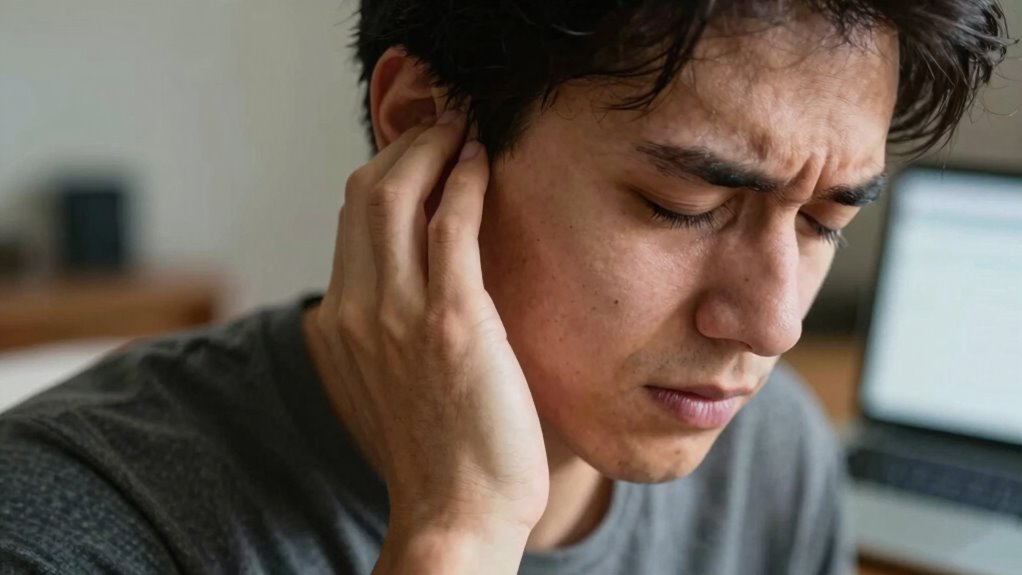
Misophonia is a condition where specific sounds trigger intense emotional or physical reactions, such as anger, irritation, or anxiety. Its neurological basis involves how your brain processes auditory information, especially in areas responsible for emotional regulation. Unlike general sound sensitivities, misophonia results from abnormal auditory processing, where certain trigger sounds are perceived as more distressing due to heightened neural responses. Your brain reacts strongly, linking these sounds to emotional discomfort. This heightened neural response may involve disruptions in auditory processing pathways that distinguish normal sounds from triggers. This differs from other sensitivities, like hyperacusis, which involves a general sensitivity to loud noises. With misophonia, it’s not just about volume but specific sounds that set off a disproportionate emotional response. Understanding these neurological and auditory processing differences helps clarify why misophonia feels so uniquely intense. Additionally, research indicates that contrast ratio can influence how clearly you perceive sounds, which may play a role in how certain auditory triggers are experienced and how auditory discrimination impacts emotional reactions. Moreover, individual variations in sensory processing can further affect the severity and nature of misophonia responses.

Loop Quiet 2 Ear Plugs – Ultra-Comfy Reusable Noise-Reducing Earplugs for Sleep, Deep Focus, Travel, Sensitivity | Flexible Hearing Protection | Customizable Fit | 24dB (SNR) Noise Reduction
POWERFUL NOISE REDUCTION – Packing up to 24 dB (SNR) of noise reduction into a flexible silicone earplug,…
As an affiliate, we earn on qualifying purchases.
As an affiliate, we earn on qualifying purchases.
What Are Common Trigger Sounds in Misophonia?

Have you ever noticed certain everyday sounds triggering intense irritation or anger? These are often your trigger sounds, which are common triggers in misophonia. While triggers vary, some sounds consistently provoke strong reactions. You might find yourself overwhelmed by:
- Chewing or slurping noises
- Pen clicking or tapping
- Breathing sounds
- Finger snapping
These trigger sounds tend to be repetitive and close-range, making them difficult to ignore. Common triggers differ from person to person but usually involve sounds associated with bodily functions or repetitive motions. Recognizing these common triggers helps you understand your misophonia better. Understanding trigger sounds can be a crucial step towards effective coping strategies. Additionally, being aware of specific trigger sounds allows for better management and the development of personalized coping techniques to minimize discomfort. Awareness of electric power generation with bike generators can also inspire alternative ways to reduce noise exposure and manage sensitivities. Furthermore, understanding the emotional responses associated with these triggers can help in developing healthier coping mechanisms and reducing overall distress. Knowing about gelato flavors and textures highlights how sensory experiences vary and can influence emotional responses, which is relevant for understanding sensory triggers in misophonia.

Cancanle Soundproof Anti Noise Earmuffs Mute Headphones for Study Work Sleep Ear Protector With Foldable Adjustable Headband
Ear Pad Size(L x W): 4.3 x 3.1 inches
As an affiliate, we earn on qualifying purchases.
As an affiliate, we earn on qualifying purchases.
How Does Your Brain React to Misophonia?

When your brain detects certain trigger sounds, it reacts quickly and intensely, often overriding your usual calm responses. This rapid brain response involves heightened activity in areas responsible for emotional processing, like the amygdala. Your brain interprets these sounds as threats, triggering a fight-or-flight reaction. This emotional processing amplifies feelings of anger, disgust, or anxiety, making the sounds seem unbearable. The table below illustrates how different brain regions respond during misophonia:
| Brain Region | Role in Misophonia Reaction |
|---|---|
| Amygdala | Processes fear and emotional responses |
| Prefrontal Cortex | Attempts to regulate emotional reactions |
| Hippocampus | Links sounds to past experiences |
| Insula | Involved in emotional awareness |
| Thalamus | Relays sensory signals |
This coordinated response intensifies your emotional reaction, making misophonic triggers feel overwhelming. Additionally, research into neural pathways highlights how sensory processing can be heightened in these cases, further amplifying the reaction. Neural pathways involved in sensory integration may be hyperactive, contributing to the intensity of responses. Understanding how the brain reacts to specific sounds helps explain why some sounds provoke such strong responses in individuals with misophonia. Moreover, this heightened neural activity can sometimes be linked to learned associations, where the brain has formed strong connections between certain sounds and negative experiences.

Dreamegg White Noise Machine for Adults – 10W Powerful Sound Machine with 29 Soothing Sounds, Noise Masking for Snoring, Traffic & Office Privacy, Ideal for Home, Travel & Deep Sleep
【Faster, Deeper Sleep】Rescue your sleep from outside noise with this advanced white noise machine. Our professional-grade sound machine…
As an affiliate, we earn on qualifying purchases.
As an affiliate, we earn on qualifying purchases.
Why Do Certain Sounds Cause Strong Emotional Reactions?
Your brain’s intense reaction to certain sounds stems from how it interprets these stimuli as threats, triggering an emotional alarm system. This response heightens feelings of discomfort, anger, or anxiety. Your emotional regulation struggles to calm these reactions, making sounds seem unbearable. This is often linked to the brain’s heightened sensitivity to specific noise triggers. Sound therapy can help retrain your response, gradually reducing emotional intensity. Factors influencing this reaction include:
- Past negative associations with sounds
- Hyperconnectivity between auditory and emotional centers
- Difficulty in emotional regulation
- Learned responses reinforcing triggers
Understanding these mechanisms can empower you to manage reactions better, especially with techniques aimed at emotional regulation and exposure therapy. This approach helps your brain build new, more adaptive responses to bothersome sounds.
How Misophonia Affects Your Daily Life and Relationships

Misophonia can make social activities challenging, as certain sounds may trigger intense reactions and discomfort. You might find yourself avoiding gatherings or feeling anxious in noisy environments. This can put a strain on your personal relationships, as loved ones may not understand your reactions or struggles. Understanding Free Floating sensitivities can help in managing these reactions more effectively. Developing awareness of sensory processing issues can also aid in finding coping strategies and support. Recognizing how individual sensitivities vary among people with misophonia can promote more empathetic communication and accommodation. Additionally, learning about neurobiological factors involved in misophonia can offer deeper insight into why certain sounds provoke such strong responses. Moreover, exploring sensory modulation techniques may assist individuals in managing their reactions better.
Impact on Social Activities
Have you ever felt overwhelmed or frustrated in social settings because of certain sounds? Misophonia can make everyday interactions challenging, impacting your enjoyment and participation. You might find yourself avoiding group dinners, meetings, or public events to steer clear of triggering noises. This can lead to feelings of isolation and difficulty maintaining social etiquette, as you struggle to navigate expectations while managing your reactions. Noise pollution from others eating, tapping, or breathing can feel unbearable, disrupting conversations and making socializing draining. As a result, you might:
- Skip social gatherings altogether
- Feel anxious about upcoming events
- Struggle to focus during conversations
- Feel misunderstood or embarrassed
These challenges can hinder your social life, affecting your overall well-being and connections with others. Additionally, understanding insulated jackets and other noise-reducing gear can sometimes provide relief by minimizing exposure to disruptive sounds in certain environments. For example, noise-canceling technology can be particularly beneficial in managing sensory sensitivities and creating a more comfortable social experience. Incorporating soundproofing techniques into your environment may also help reduce ambient noise and improve your comfort during social interactions.
Strain on Personal Relationships
Feeling overwhelmed in social settings because of triggering sounds can strain your personal relationships in everyday life. When you struggle to manage your reactions, it may create misunderstandings or frustration with loved ones. Building emotional resilience helps you stay calm and communicate your needs effectively. Using clear communication strategies allows others to understand your misophonia and support you better. Here’s how misophonia can impact your relationships:
| Challenge | Solution |
|---|---|
| Reacting defensively to sounds | Practice calm, honest communication |
| Avoiding social gatherings | Share your experiences openly |
| Frustration with loved ones | Educate them about misophonia |
| Feeling misunderstood | Establish mutual understanding |
| Emotional exhaustion | Develop coping strategies |
How to Recognize the Signs of Misophonia
You might notice certain sounds consistently trigger strong emotional reactions in you, like anger or anxiety. You may also see yourself avoiding specific places or people to escape these sounds. Recognizing these patterns can help you identify if misophonia is affecting your life. Understanding emotional engagement through storytelling can also aid in managing your responses effectively. Being aware of your sensory sensitivities can further help in developing coping strategies to reduce distress.
Recognizing Trigger Sounds
Recognizing trigger sounds is a key step in understanding misophonia. These sounds often provoke strong emotional reactions, making it easier to identify your specific triggers. Pay attention to sounds that consistently cause discomfort or anger, such as chewing, tapping, or breathing. Notice how your body responds—clenching fists, increased heart rate, or frustration. Using sound therapy techniques can help desensitize your reactions over time. Being aware of your triggers allows you to practice emotional regulation strategies, reducing distress. Keep a journal of the sounds that bother you most, and observe patterns. This awareness is essential for managing misophonia effectively and improving your overall emotional well-being. Recognizing body reactions associated with triggers can further aid in understanding your responses and developing coping strategies.
Emotional Reactions Evident
When exposed to trigger sounds, noticeable emotional reactions often occur almost immediately, signaling that misophonia may be at play. You might feel a surge of anger, irritation, or anxiety, even before fully understanding why. These emotional responses are strong and often disproportionate to the situation, making you feel overwhelmed. Physiological reactions also become evident, such as clenched fists, increased heart rate, or muscle tension. You may notice a flushed face or a feeling of wanting to escape the situation altogether. Recognizing these signs can help you identify misophonia, as your body reacts intensely to specific sounds. These emotional responses and physiological reactions serve as clear indicators that your nervous system is responding strongly to trigger sounds.
Avoidance Behaviors Noted
One of the key signs of misophonia is avoiding certain sounds or situations that trigger discomfort. These avoidance behaviors stem from heightened sensory sensitivities, making you steer clear of triggers to prevent emotional or physical reactions. You might notice yourself:
- Covering your ears when hearing specific noises
- Leaving rooms or social settings abruptly
- Canceling plans to avoid triggering environments
- Using noise-canceling headphones frequently
These actions show an effort to manage sensory sensitivities and reduce distress caused by particular sounds. Recognizing these avoidance behaviors can help you understand that your reactions are rooted in misophonia. Being aware of these signs is a vital step toward managing your responses and seeking appropriate support or coping strategies.
Coping Strategies for Managing Trigger Sounds
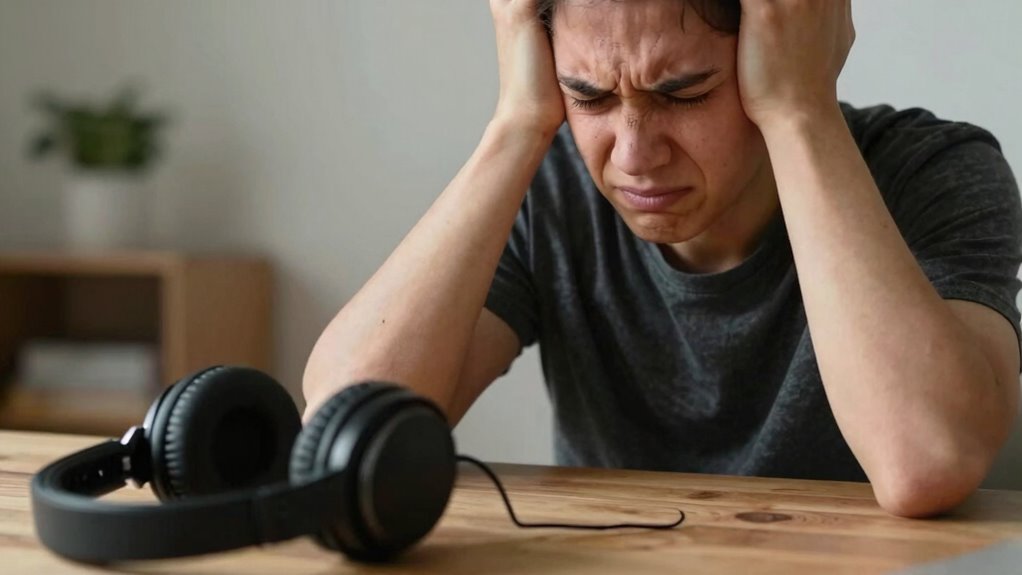
Managing trigger sounds effectively often requires a combination of practical strategies and mental techniques. One helpful approach is practicing mindfulness techniques, which help you stay grounded and reduce emotional reactions to uncomfortable sounds. Focus on your breathing, observe your thoughts without judgment, and bring your attention back to the present moment. Additionally, environmental modifications can make a big difference; for example, using noise-canceling headphones, earplugs, or white noise machines can help drown out triggering sounds. Creating a calm and controlled environment minimizes exposure and gives you a sense of control. Combining these strategies allows you to manage your reactions more effectively, reducing distress and helping you navigate situations that previously felt overwhelming.
Treatment Options and Support for Misophonia
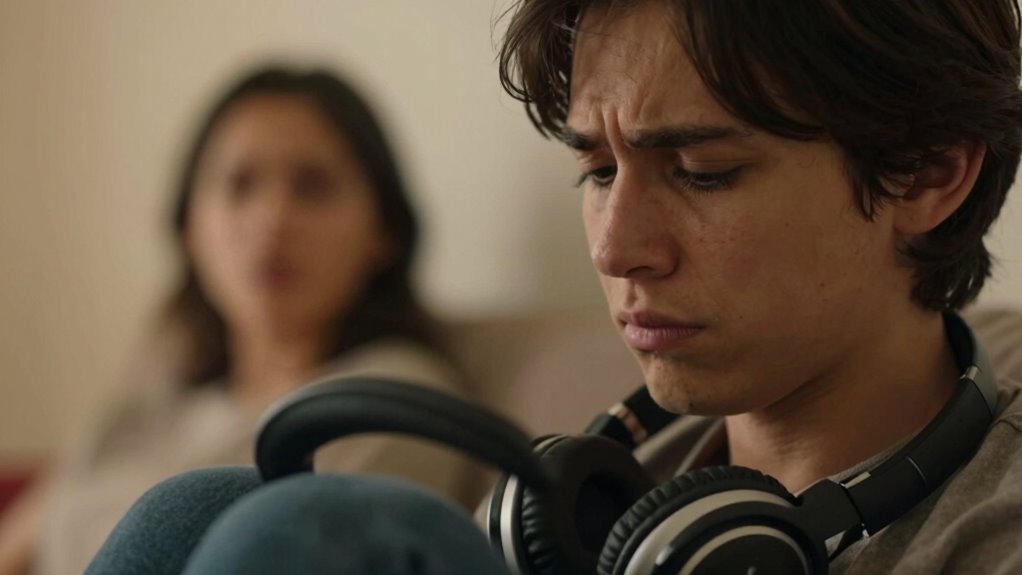
Effective management of misophonia often involves exploring various treatment options and seeking support. You might find relief through approaches like sound masking, which uses neutral sounds to cover trigger noises, or music therapy, helping you relax and reframe your response to trigger sounds. Support networks, such as counseling or support groups, can also provide emotional reassurance and coping strategies. Consider these options:
Managing misophonia involves sound masking, music therapy, counseling, and support groups to reduce distress and improve well-being.
- Sound masking devices or apps
- Music therapy sessions
- Cognitive-behavioral therapy (CBT)
- Joining support groups or seeking professional counseling
These methods can help you develop healthier responses, reduce distress, and improve your quality of life. Combining different strategies often yields the best results, allowing you to better navigate everyday situations with misophonia.
Recent Research and Future Directions in Misophonia

Recent research into misophonia is shedding new light on its underlying mechanisms and potential treatments, paving the way for more targeted interventions. Neuroscience insights reveal that misophonia involves abnormal neural responses in brain areas responsible for emotion regulation and auditory processing. Studies using neuroimaging techniques help identify specific pathways that trigger intense reactions. This evolving understanding guides the development of future therapies, such as neuromodulation or cognitive-behavioral approaches tailored to misophonia. Researchers are also exploring how genetic and environmental factors contribute, aiming to create personalized treatment plans. As science advances, these insights promise more effective options to help those affected, reducing distress and improving quality of life. The future of misophonia treatment looks increasingly promising with ongoing research efforts.
How Can You Support Someone With Misophonia?

As research uncovers more about the neural and emotional responses involved in misophonia, understanding how to support someone with the condition becomes even more important. Your approach should focus on supportive communication and empathy building. Show that you acknowledge their feelings without judgment and respect their triggers. Create an environment where they feel safe to express their needs. You can:
Supporting someone with misophonia involves empathetic listening and creating a safe, understanding environment.
- Listen actively and without interruption
- Validate their experiences and emotions
- Adjust your behavior to minimize triggering sounds
- Offer reassurance and understanding during episodes
Frequently Asked Questions
Can Misophonia Develop Suddenly or Only Over Time?
Misophonia can develop suddenly or gradually, depending on your sound onset and symptom progression. Sometimes, you might notice an immediate reaction after a specific trigger, making it feel like it appeared overnight. Other times, symptoms build over months or years, slowly intensifying as you encounter certain sounds more frequently. Both scenarios are possible, and understanding your pattern helps you manage your reactions better.
Are Children More Susceptible to Misophonia Than Adults?
Imagine a sponge soaking up every sound—children are often more susceptible to misophonia because childhood sensitivity, combined with developmental factors, heightens their reactions. Their brains are still forming, making them more impressionable to triggers. As they grow, these sensitivities might lessen, but for some, misophonia persists. So yes, children tend to be more vulnerable, because their developing minds are more attuned to sensory experiences and emotional responses.
Is Misophonia Linked to Other Mental Health Conditions?
Yes, misophonia often links to other mental health conditions like anxiety, showing co-occurrence with it. When you experience misophonia, your emotional regulation can become more challenging, making reactions to certain sounds more intense. This connection means that managing misophonia might also involve addressing underlying anxiety or emotional regulation issues. Recognizing these links helps you seek holistic support, improving your overall mental health and sound sensitivity responses.
Can Dietary or Lifestyle Changes Influence Misophonia Symptoms?
Yes, dietary and lifestyle changes can influence misophonia symptoms. You might find that diet modification, like reducing caffeine or sugar, helps lower your sensitivity. Lifestyle adjustments, such as stress management techniques, regular exercise, or improved sleep, can also lessen triggers. While these changes won’t cure misophonia, they may make your reactions more manageable, giving you a sense of control over your environment and reducing your overall discomfort.
What Is the Difference Between Misophonia and Sensory Processing Disorder?
Misophonia and sensory processing disorder differ mainly in their triggers and how your brain handles sensory input. With misophonia, specific sounds trigger intense emotional reactions due to neurodevelopmental differences, often linked to sensory integration issues. In contrast, sensory processing disorder affects how your brain filters and responds to various sensory stimuli overall. You might find sounds overwhelming or confusing in both cases, but misophonia’s focus is usually on particular sounds.
Conclusion
Living with misophonia can feel overwhelming, but you’re not alone. Sometimes, it’s a quiet moment or a familiar sound that unexpectedly triggers a strong reaction, reminding you that you’re part of a bigger story. With understanding and support, you can find ways to manage these experiences and reclaim peace. Remember, even in the smallest moments, there’s hope—sometimes, it’s the mere coincidence of connection and awareness that makes all the difference.