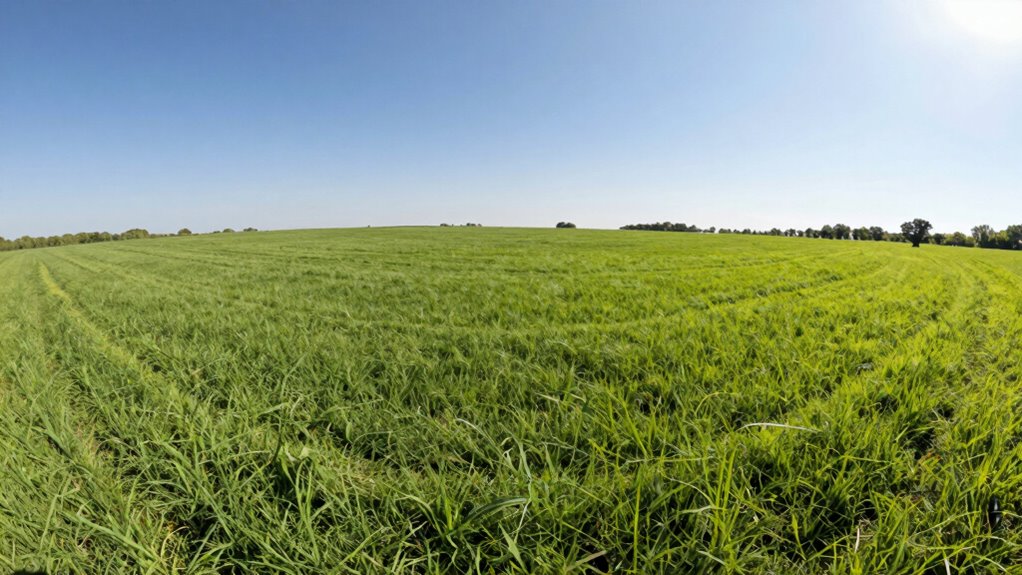

When you use wide cameras, their larger field of view captures more of a scene, but the lens curvature causes distortion. This makes straight lines bend, objects look stretched or compressed, and images appear “weird” or exaggerated, especially near the edges. If you’re curious about how to balance this effect or minimize distortion while keeping a wide perspective, you’ll find more insights that can help clarify why this happens and how to work with it.

Prime made for students and young adults
- Fast, free delivery for dorm and study essentials
- Prime Video and Amazon Music included
- Member-only deals
Key Takeaways
- Wide cameras have a large field of view that captures more scene but often introduces curvature and warping at the edges.
- Lens curvature causes distortion, bending straight lines, especially near the frame’s edges, making images look “weird.”
- The wider the field of view, the more exaggerated the perspective and distortion, leading to unnatural or exaggerated proportions.
- Fisheye and ultra-wide lenses intentionally distort images for creative effects, which can appear “weird” or exaggerated.
- Balancing FOV and lens distortion involves choosing lenses that minimize warping for natural-looking photos or embracing distortion for artistic impact.
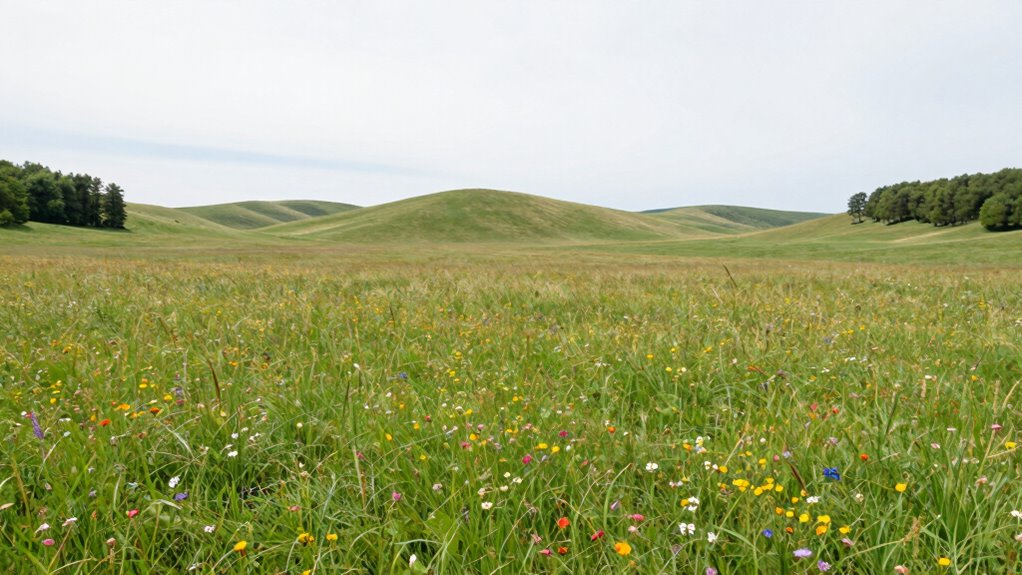
When choosing a camera lens, understanding the trade-off between field of view and distortion is essential. Wide-angle lenses, in particular, can create striking panoramic effects, but they also introduce a noticeable lens curvature that can distort your images. The wider the lens, the more you’re pushing the boundaries of what your camera can capture in a single shot, which often results in exaggerated perspectives. This is especially true in close-up shots or when photographing scenes with straight lines, like buildings or horizons. The panoramic effects achieved with ultra-wide lenses can be breathtaking, giving your photos a sense of vastness and immersion. However, these effects come with a cost: distortion.
Choosing wide-angle lenses offers breathtaking panoramic effects but often introduces noticeable distortion.
Lens curvature is the primary culprit behind this distortion. When you use a wide lens, the glass elements bend light in a way that stretches or compresses parts of your image, especially near the edges. This curvature causes straight lines to appear curved or bent, which can look weird or unnatural if not intentionally used. For example, a tall building might seem to lean inward or outward, or a horizon might appear bowed. While some photographers embrace this artistic distortion for creative purposes, others find it distracting or undesirable. The key is understanding how the lens curvature influences your image and choosing the right lens based on your intent.
The trade-off becomes clear: if you want an expansive field of view that captures a lot of scene detail, you’ll often have to accept some degree of distortion. This is especially true with fisheye lenses, which are designed specifically for exaggerated panoramic effects but distort the image heavily. On the other hand, if you prefer more natural-looking photos, sticking to lenses with less curvature—like standard or telephoto lenses—reduces distortion but limits your field of view. Some wide-angle lenses are designed with special elements to minimize distortion, but they still can’t eliminate it completely. Additionally, understanding the contrast ratio of your projector can help you better manage how these distortions appear in a home cinema setting, especially in dark scenes where contrast plays a crucial role.
Knowing how to balance field of view and distortion allows you to make informed choices depending on your photographic goals. If you’re aiming for dramatic, wide scenes with a sense of depth, embracing some lens curvature and distortion might be just what you need. But if you want crisp, straight lines and natural proportions, you’ll want to limit your wide-angle usage or select lenses that reduce these effects. Ultimately, understanding your equipment’s limitations and how the lens curvature impacts panoramic effects helps you create images that are both visually compelling and technically sound.
As an affiliate, we earn on qualifying purchases.
Frequently Asked Questions
How Does Sensor Size Influence Lens Distortion?
Sensor size substantially influences lens distortion because larger sensors typically require bigger lenses, which tend to produce less distortion. Conversely, smaller sensors often need wider lenses with shorter focal lengths, increasing the likelihood of distortion, especially at the edges. When you use a camera with a small sensor, expect more noticeable distortion, making your images look weird. Choosing a camera with a larger sensor can help you achieve cleaner, more natural-looking photos.
Can Software Correction Fully Eliminate Distortion Effects?
Think of software correction as a skilled painter fixing a flawed canvas; it can considerably reduce distortions but might not erase every imperfection. While tools can correct lens flare and chromatic aberration, some distortion may still linger, especially in extreme wide-angle shots. You’ll get a cleaner image, but a perfect, distortion-free photo often requires high-quality lenses and careful capture techniques. Software helps, but it’s not a magic fix.
What Are the Best Lenses for Minimal Distortion?
You’ll want to choose high-quality prime lenses, like a 50mm or 85mm, with aspherical elements to minimize distortion, lens flare, and chromatic aberration. These lenses typically produce cleaner images with less warping and color fringing. Avoid wide-angle zooms if distortion is a concern. Using good lens filters and proper aperture settings also help reduce flare and aberrations, ensuring your shots stay sharp and true to life.
How Does Aperture Size Affect Field of View?
Aperture size directly affects your field of view by controlling how much light enters your lens. A wider aperture (smaller f-number) narrows your depth of field, creating a shallow focus that enhances bokeh quality, while a smaller aperture broadens your depth of field, giving you a wider view. So, adjusting aperture helps balance your desired depth of field and bokeh, influencing how much of your scene you capture and how it looks.
Are Wide-Angle Lenses Suitable for Portrait Photography?
Wide-angle lenses aren’t ideal for portrait photography because they cause lens compression and perspective exaggeration, which can distort facial features. You might notice faces looking stretched or exaggerated, especially close to the lens. While they can be fun for creative shots or environmental portraits, for traditional portraits, you’ll get better results with longer focal lengths that keep proportions natural and flattering.
As an affiliate, we earn on qualifying purchases.
Conclusion
Next time you see a wide-angle shot, remember it’s like looking through a funhouse mirror—your view stretches and bends, creating that “weird” look. Just like a camera’s field of view expands your perspective but can distort your image, understanding the balance between wide angles and distortion helps you avoid surprises. Think of it as tuning a guitar string—you want just enough tension for clarity, not so much that everything sounds off.
As an affiliate, we earn on qualifying purchases.
lens distortion correction software
As an affiliate, we earn on qualifying purchases.
As an affiliate, we earn on qualifying purchases.
Fall Picks
fall essentials
As an affiliate, we earn on qualifying purchases.