TL;DR

Prime made for students and young adults
- Fast, free delivery for dorm and study essentials
- Prime Video and Amazon Music included
- Member-only deals
This week features the Strawberry Moon on July 3, visible throughout the night sky. The period also includes notable planetary and meteor shower activity, confirmed by astronomers. Details on upcoming events remain limited, but the week offers prime viewing opportunities for sky enthusiasts.
On July 3, the full moon known as the Strawberry Moon will be visible across most of the Northern Hemisphere, marking the key astronomical event of this week. Confirmed by skywatchers and astronomers, this full moon is notable for its timing and brightness, offering a prime opportunity for observers.
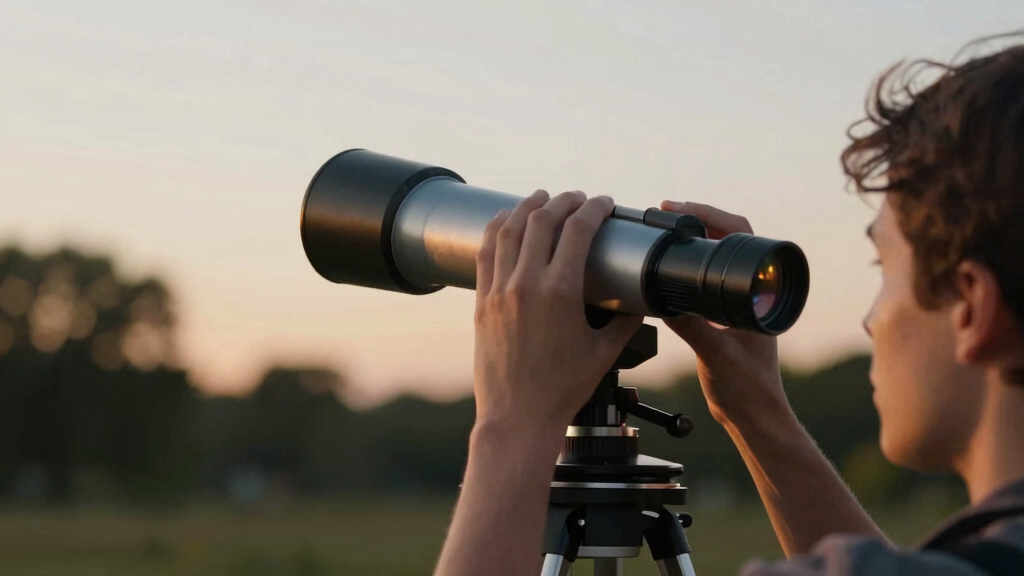
Throughout the week from June 26 to July 5, skywatchers can observe several notable celestial phenomena. The most prominent is the Strawberry Moon, which reaches its full phase on July 3 and is expected to be visible throughout the night. This full moon is named for its timing during the strawberry harvesting season in North America, and its appearance has been confirmed by multiple astronomical sources, including Sky & Telescope.
In addition to the full moon, planetary visibility remains favorable. Mars and Jupiter will be visible in the evening sky, with Mars reaching its closest approach to Earth later in July, although it remains observable throughout this period. The Perseid meteor shower, traditionally active in August, will begin to show early activity, with some minor meteors visible in the pre-dawn hours.
Skywatchers should also note the presence of the bright planet Venus, which will be visible before sunrise, offering a striking display. The week’s celestial events are confirmed by professional astronomers and observatories, with no significant claims or disputes reported.
Why the Strawberry Moon and June-July Sky Events Matter
The full moon, especially the Strawberry Moon, holds cultural and observational significance for sky enthusiasts and astronomers alike. Its predictable appearance provides an excellent opportunity for public engagement with astronomy, fostering interest in celestial phenomena. Additionally, the alignment of planets like Mars and Jupiter offers insights into planetary motion and visibility, which are useful for both amateur and professional astronomers.
This week’s events also serve as a reminder of the ongoing importance of sky observation for scientific research, including meteor activity and planetary studies. The confirmed visibility of these events encourages increased public participation in astronomy and highlights the ongoing relevance of skywatching in the digital age.
As an affiliate, we earn on qualifying purchases.
Celestial Events and Observations Leading Up to July 5
The period from late June to early July is traditionally rich in celestial activity, with the full moon marking a key highlight. The Strawberry Moon, named for its timing during the strawberry harvest, has been observed and confirmed by multiple sources, including Sky & Telescope. This week also features planetary visibility, with Mars and Jupiter positioned favorably for observation, and the early activity of the Perseid meteor shower beginning to emerge.
Historically, full moons like the Strawberry Moon have been used for navigation and cultural festivals, and their appearance remains a focal point for skywatchers worldwide. The current year’s observations align with typical patterns, though the precise brightness and visibility can vary based on local atmospheric conditions.
There are no reports of unusual astronomical phenomena or disputes about the timing of these events, which are consistent with established lunar and planetary cycles.
“The upcoming week offers clear opportunities to observe Mars, Jupiter, and the early activity of the Perseid meteor shower, making it an ideal period for sky enthusiasts.”
— Sky & Telescope
planetarium projector for sky watching
As an affiliate, we earn on qualifying purchases.
As an affiliate, we earn on qualifying purchases.
Unconfirmed Details About Meteor Shower Intensity
While the Perseid meteor shower is confirmed to begin showing early activity, the intensity and peak times remain uncertain. Observers may see some meteors in the pre-dawn hours, but the full shower’s peak is expected in August, and early activity varies annually.
astronomy binoculars for celestial viewing
As an affiliate, we earn on qualifying purchases.
As an affiliate, we earn on qualifying purchases.
Upcoming Celestial Events After July 5
Following this week, the Perseid meteor shower will reach its peak in mid-August, offering a major skywatching event. Additionally, the Moon’s phases will continue to change, with a new moon expected later in July, providing darker skies for deeper celestial observations. Planetary oppositions and other lunar events are also anticipated in the coming months, further enriching the astronomical calendar.
As an affiliate, we earn on qualifying purchases.
Key Questions
When is the best time to view the Strawberry Moon?
The Strawberry Moon will be fully visible on the night of July 3, with optimal viewing generally between sunset and moonrise, depending on your location.
What planets can I see this week?
Venus will be visible before sunrise, while Mars and Jupiter are visible in the evening sky, with Mars approaching its closest point to Earth later in July.
Are there any special events besides the full moon?
Yes, the early activity of the Perseid meteor shower can be observed, and planetary visibility offers additional viewing opportunities.
Will there be any lunar eclipses or other major events?
No lunar eclipses are scheduled for this week. The main highlights are the full moon and planetary observations.
How can I best observe these events?
Find a dark, clear location away from city lights, use binoculars or a telescope for planets, and check local moonrise and moonset times for optimal viewing.
Source: google-trends
Halloween Picks
halloween
As an affiliate, we earn on qualifying purchases.