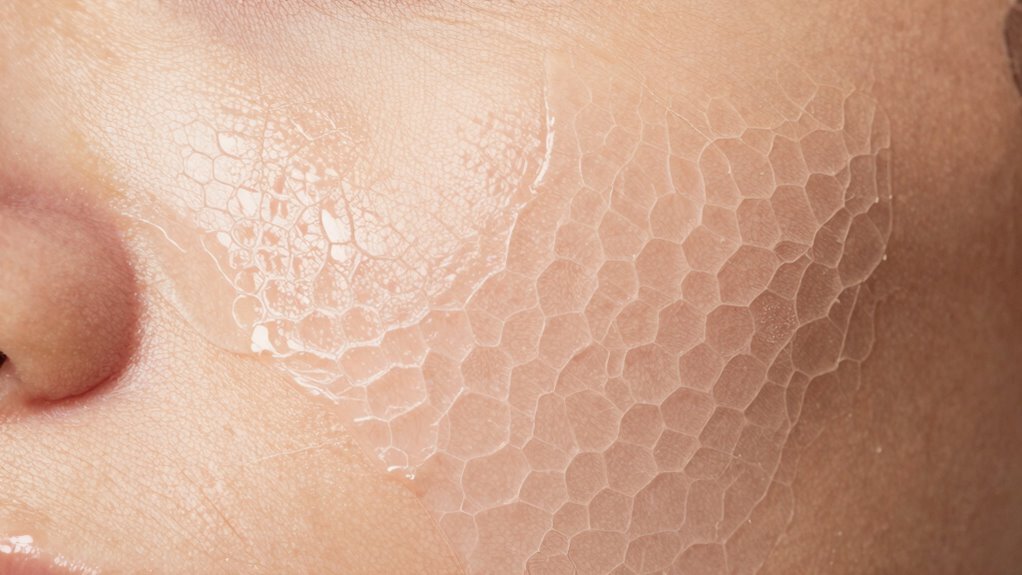

Your skin barrier is the protective outer layer that keeps harmful substances out and moisture in. When it’s damaged by harsh products, pollution, or weather, you may notice redness, dryness, or sensitivity. To repair it, focus on gentle skincare with ingredients like ceramides and niacinamide that restore this essential shield. If you want to learn more about how to support your skin’s defense and promote healing, keep exploring the key strategies and tips…
Key Takeaways
- The skin barrier is a protective layer that prevents irritants, bacteria, and pollutants from entering the skin.
- It maintains hydration, supports skin health, and is closely linked to the microbiome for resilience.
- Damage from environmental stressors, harsh products, and over-cleansing weakens the barrier, causing redness, dryness, and sensitivity.
- Supporting the barrier involves using ingredients like ceramides, niacinamide, and fatty acids, and practicing gentle skincare routines.
- Recognizing signs of damage and avoiding over-exfoliation or harsh chemicals are essential for effective barrier repair.
What Is the Skin Barrier and Why Is It Important?
Have you ever wondered what keeps your skin healthy and protected? It’s your skin barrier, a crucial shield that maintains barrier function and prevents harmful elements from entering. The health of your skin barrier is closely linked to the skin microbiome**, a diverse community of microorganisms that support your skin’s defenses. This microbiome helps fortify the barrier, making it resilient against irritants and bacteria. When your skin barrier functions well, your skin stays hydrated, smooth, and less prone to irritation. Without a healthy barrier, moisture escapes, and your skin becomes vulnerable to damage. Protecting this barrier is essential for overall skin health, ensuring it can perform its protective role effectively. A strong barrier keeps your skin resilient and radiant. Understanding the role of the microbiome** in skin health is vital, as it can influence how well your skin barrier functions and how effectively it defends against external threats.
What Causes Damage to Your Skin Barrier?
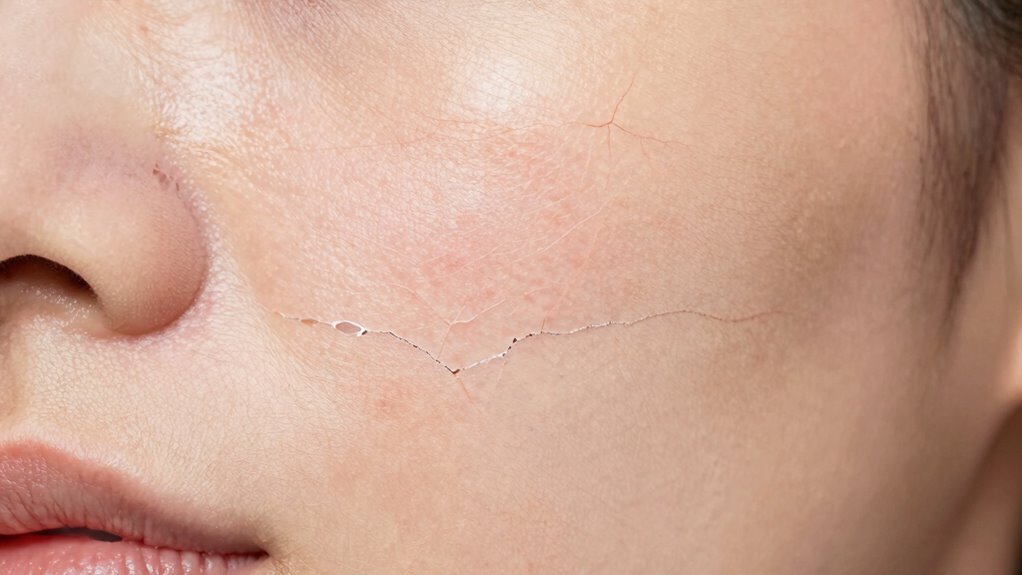
Environmental stressors like pollution and harsh weather can weaken your skin barrier over time. Using harsh skincare items without care further strips away your skin’s natural defenses. Poor indoor air quality from pollutants can also contribute to skin barrier disruption. Additionally, exposure to environmental stressors can increase the risk of damage, especially when combined with improper skincare routines. Implementing air purifiers in your home can help reduce indoor pollutants and support healthier skin. Recognizing the impact of skin barrier health is essential for maintaining resilient skin against environmental challenges. Understanding the role of skincare ingredients can further help prevent damage and promote healing of your skin barrier.
Environmental Stressors Impact
External stressors like pollution, harsh weather, and UV rays can directly damage your skin barrier, making it more vulnerable to irritation and moisture loss. Pollution effects, for instance, introduce free radicals that weaken skin cells, while UV damage breaks down collagen and impair the barrier’s integrity. These stressors accelerate skin aging and heighten sensitivity. To understand better, consider this table:
| Stressor | Effect on Skin Barrier | Prevention Tips |
|---|---|---|
| Pollution effects | Causes oxidative stress, damages cells | Use antioxidants, cleanse regularly |
| UV damage | Breaks down collagen, weakens barrier | Wear sunscreen daily |
| Harsh weather | Evaporates moisture, dries skin | Hydrate, protect with barrier creams |
| Wind and cold | Removes natural oils, irritates skin | Cover up, use nourishing moisturizers |
Additionally, environmental damage can weaken the skin’s natural defenses, making it crucial to incorporate protective skincare routines. Recognizing how these stressors impact the skin barrier emphasizes the importance of tailored skincare practices to maintain healthy, resilient skin. Incorporating antioxidants into your skincare regimen can help neutralize free radicals and further protect your skin. A comprehensive understanding of free floating particles in pollution can help you better anticipate and mitigate their effects.
Overwashing and Irritation
Overwashing your skin can profoundly weaken its natural barrier, making it more prone to irritation and moisture loss. When you wash too often or use harsh cleansers, you strip away the skin’s essential oils and lipids that keep moisture in and irritants out. Essential oils, particularly those with calming or soothing properties like lavender, can help support skin barrier health when used appropriately. This disruption of the delicate balance of your skin’s barrier leaves it vulnerable to environmental stressors and irritation. Overwashing can also cause inflammation, redness, and a burning sensation, especially if your skin is sensitive.
To protect your skin, avoid excessive cleansing and choose gentle, hydrating products. Maintaining a balanced cleansing routine helps preserve your skin’s natural defenses, reducing irritation and supporting overall barrier health. Recognizing skin barrier function is essential for understanding how to properly care for your skin and prevent damage.
Harsh Skin Products
Harsh skin products can damage your skin barrier when they contain aggressive ingredients or have a high pH that disrupts the skin’s natural acidity.
Harsh cleansers often strip away essential oils and disrupt moisture balance, making your skin more vulnerable. Exfoliation damage is another concern; overdoing it with abrasive scrubs or strong acids can remove the outer protective layer, weakening the barrier.
These products can lead to increased sensitivity, redness, and dryness. When your skin barrier is compromised, it can’t effectively block irritants or retain moisture. Incorporating proper skincare routines and understanding your skin’s needs can help avoid overusing harsh products that damage the barrier.
Choosing gentle, pH-balanced cleansers and avoiding aggressive scrubs helps maintain your skin’s natural defenses. Maintaining skin barrier integrity is vital for healthier, more resilient skin. Additionally, using soothing and reparative ingredients like ceramides and niacinamide can support the restoration of your skin’s protective layer and improve overall barrier health.
How Do You Know if Your Skin Barrier Is Damaged?
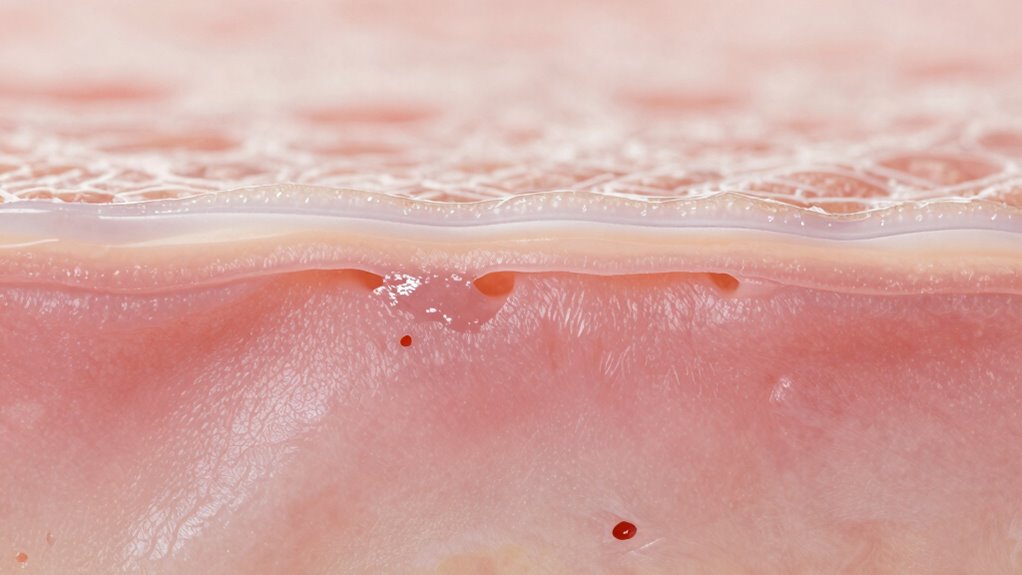
If your skin barrier is damaged, you might notice redness that won’t go away or feel more sensitive than usual. Dryness or flaking skin are also common signs that your barrier needs repair. Paying attention to these changes can help you determine when your skin needs extra care. Recognizing skin barrier damage early can prevent further issues and support recovery. Incorporating natural remedies that promote healing can aid in restoring your skin’s protective functions. Understanding the skin’s natural defenses can guide you in choosing effective treatments to support healing. Additionally, being aware of skin chemistry and how it interacts with your environment can help you better protect and nourish your skin, especially when combined with knowledge of home security systems to safeguard your space during vulnerable times.
Recognize Skin Redness
When your skin barrier becomes compromised, redness often becomes one of the first visible signs. You might notice your skin looks flushed, irritated, or inflamed, especially after exposure to common sensitivity triggers like harsh cleansers or environmental changes. Photobombs by children and pets can also contribute to unexpected skin reactions during photoshoots, highlighting how external factors can impact skin health. Skin redness isn’t just a cosmetic concern; it indicates your skin is struggling to protect itself. If you see persistent or uneven redness, it could mean your barrier is damaged and vulnerable. Pay attention to how your skin reacts to products or weather—if redness occurs easily or stays longer than usual, your skin’s defenses might be weakened. Recognizing these signs early helps you take proper steps to restore your barrier and reduce ongoing irritation. Maintaining a healthy skin barrier with gentle skincare and nourishing ingredients can prevent further damage and support skin repair. Understanding the importance of a healthy skin barrier can also guide you in choosing gentle, nourishing products that support skin repair.
Notice Increased Sensitivity
How can you tell if your skin barrier is damaged? One clear sign is increased skin sensitivity. If your skin reacts more intensely to products, environmental changes, or even touch, it indicates your barrier may be compromised. You might notice stinging, burning, or irritation that wasn’t present before.
This heightened sensitivity occurs because a damaged barrier struggles to protect underlying layers from irritants and pollutants. To address this, barrier repair becomes essential. Restoring your skin’s natural defenses can reduce sensitivity over time, making your skin more resilient.
Keep an eye on how your skin responds to routine skincare and environmental factors, and prioritize barrier repair to help regain comfort and stability. Discover Art Care and Living With Kellerkunst
Observe Dryness or Flaking
In addition to increased sensitivity, dryness and flaking are common signs your skin barrier may be damaged. If your skin feels tight, rough, or looks dull, it’s likely showing dryness symptoms. You might notice flaky patches or tiny peeling areas, which are clear flaking signs.
These issues happen when moisture escapes easily because your protective barrier isn’t functioning properly. Pay attention to how your skin reacts after cleansing or applying products.
Persistent dryness or persistent flaking that doesn’t improve suggests your skin barrier needs repair. Addressing these signs early can prevent further damage and irritation.
Keep an eye out for these clues, and consider adjusting your skincare routine to restore your skin’s protective barrier.
What Ingredients Help Repair Your Skin Barrier?
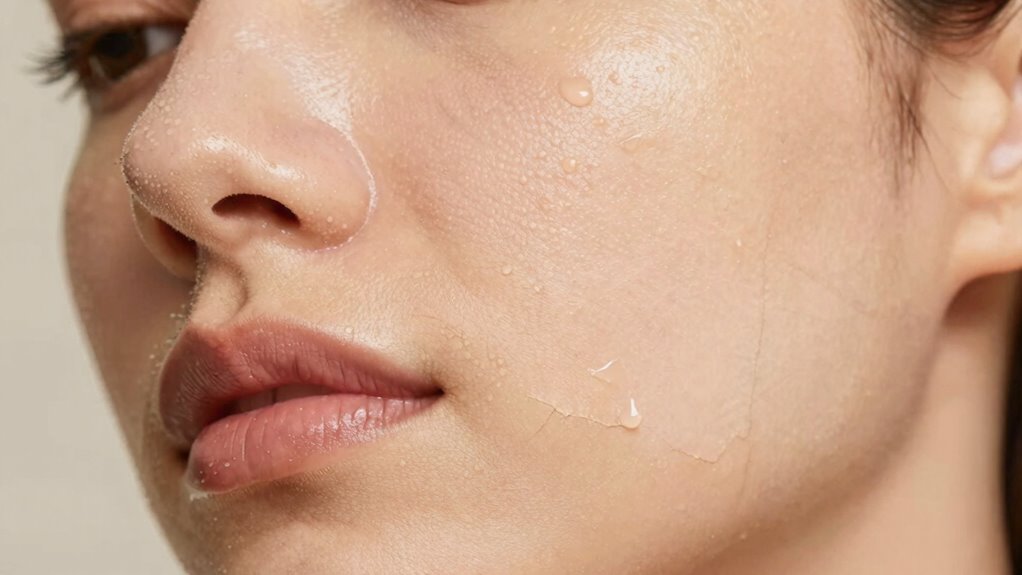
Rebuilding your skin barrier requires ingredients that support its natural healing process. Choosing the right components guarantees effective repair and long-term resilience. Focus on ingredients known for their barrier-restoring properties and consider ingredient pairing for ideal results.
Here are top ingredients to look for:
- Ceramides – essential lipids that help restore and reinforce your skin’s natural barrier.
- Niacinamide – reduces inflammation and boosts barrier function, making it ideal for sensitive skin.
- Fatty acids – like linoleic and oleic acids, which nourish and repair compromised skin.
When formulating or selecting products, keep formulation tips in mind, such as avoiding harsh chemicals and ensuring balanced ingredient pairing.
This approach maximizes healing and maintains your skin’s integrity.
How Can You Strengthen and Maintain Your Skin Barrier?
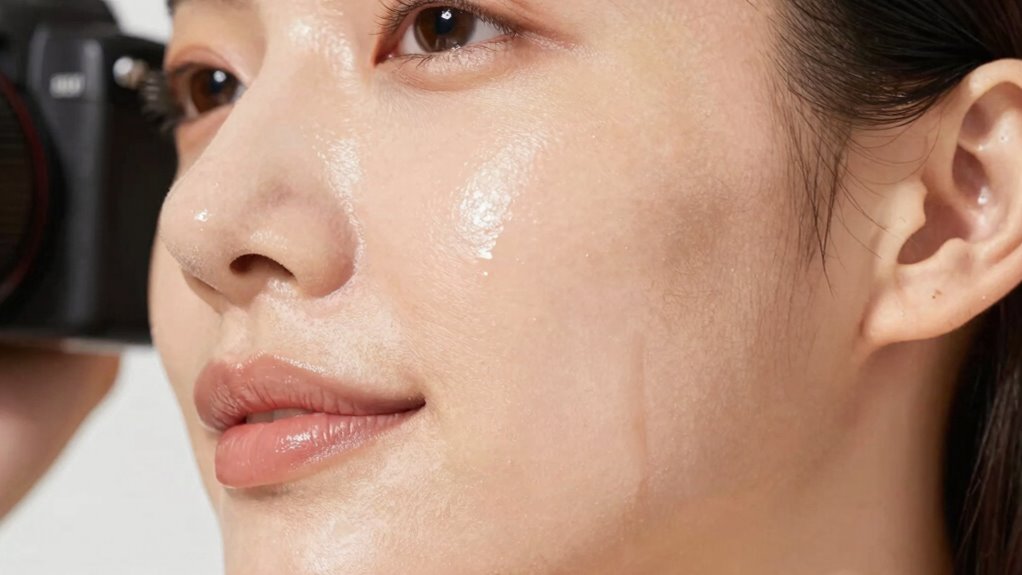
To effectively strengthen and maintain your skin barrier, consistency is key. Regularly using a moisturizer benefits your skin by locking in hydration and supporting barrier repair. Look for products with ceramides, fatty acids, and humectants, which help restore the skin’s protective layer.
Avoid barrier repair myths that over-rely on harsh exfoliants or stripping ingredients, as they can weaken your skin instead of strengthening it. Instead, focus on gentle cleansing and nourishing skincare routines.
Protect your skin from environmental stressors like sun and pollution, and stay hydrated. Over time, these habits reinforce your skin’s natural defenses, reduce sensitivity, and promote a resilient barrier.
Common Mistakes That Slow Down Barrier Recovery
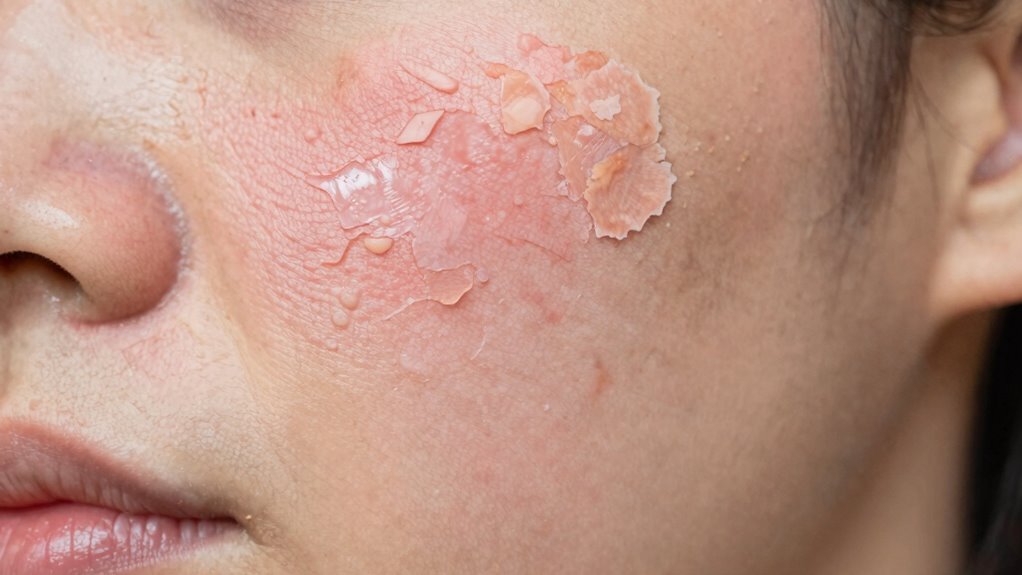
Neglecting common mistakes can markedly slow down your skin’s ability to recover its barrier. One major error is inconsistent moisturizer application; skipping or applying it unevenly can hinder healing.
Neglecting proper skincare habits can significantly delay your skin’s barrier recovery process.
Second, disrupting your skincare routine by using harsh products or over-washing can strip away essential oils, weakening your skin’s defenses.
Third, ignoring the importance of a gentle approach—rushing through skincare steps or scrubbing too hard—damages the delicate barrier further.
To support recovery, stick to a consistent routine focused on nourishing and protecting your skin. Use moisturizer regularly, especially after cleansing, and select gentle, barrier-friendly products.
Avoid shortcuts or neglecting these steps, as they can prolong irritation and delay healing. Proper care is key to restoring your skin’s natural barrier function.
When Should You See a Professional for Skin Barrier Issues?
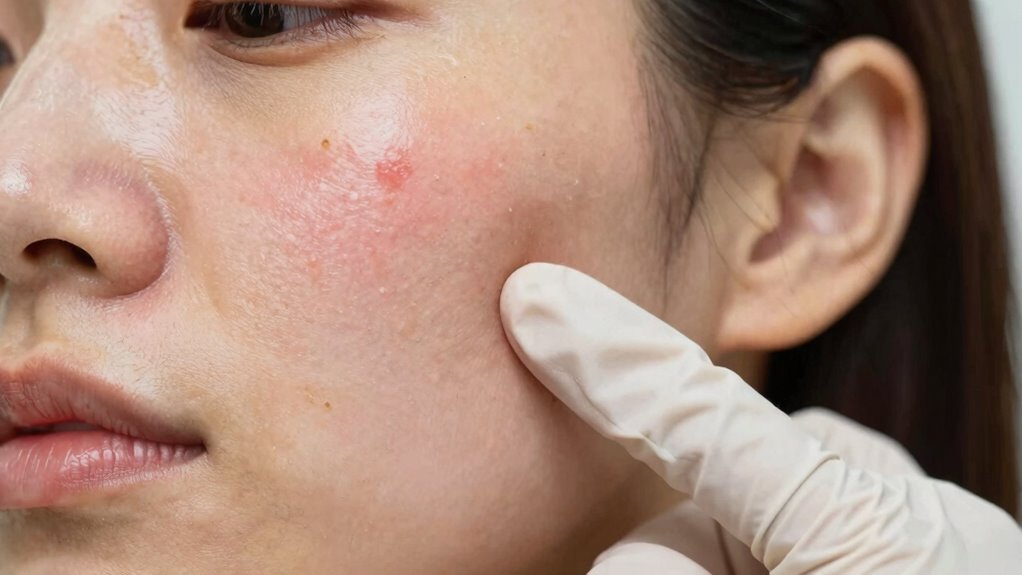
Knowing when to seek professional help for your skin barrier is essential, especially if you notice persistent or worsening symptoms.
If your skincare routines and product selection aren’t improving your skin’s condition or if you experience intense redness, pain, or cracking, it’s time to consult a dermatologist. These professionals can accurately assess your skin’s health and recommend targeted treatments beyond over-the-counter options.
Don’t ignore signs of barrier damage that linger despite your efforts; delaying care can prolong recovery or worsen the problem. A skincare expert can help you identify underlying issues and develop a personalized plan to restore your skin’s barrier, ensuring your skincare routines are effective and safe.
Trust a professional when your skin’s health isn’t improving on its own.
Frequently Asked Questions
How Long Does It Take for a Damaged Skin Barrier to Fully Recover?
It typically takes about 4 to 6 weeks for your damaged skin barrier to fully recover, depending on your skin’s ability to undergo renewal and rebuild barrier resilience.
During this time, your skin naturally undergoes renewal, shedding damaged cells and forming new, healthier layers.
Consistently using barrier repair products, avoiding irritants, and maintaining a gentle skincare routine can speed up healing and strengthen your skin’s resilience over time.
Can Skincare Products Worsen or Improve Skin Barrier Health Simultaneously?
You can definitely improve or worsen your skin barrier at the same time. It’s a fine line, so be mindful of product formulation and ingredient interactions.
Some products, if not carefully chosen, can cause more harm than good, while others support repair. Think of it as walking a tightrope—selecting the right ingredients helps your skin heal, but the wrong ones can tip the balance and set you back.
Are Certain Skin Types More Prone to Barrier Damage?
Yes, certain skin types are more prone to barrier damage. If you have sensitive skin, your barrier is more delicate and can easily become compromised from harsh products or environmental stressors.
Oily skin may also experience barrier issues if over-cleansed or using pore-clogging products. To protect your skin, choose gentle, barrier-repairing formulas suited for your skin type, and avoid aggressive ingredients that can weaken your skin’s natural defenses.
How Does Climate Affect the Skin Barrier’s Condition?
Climate profoundly impacts your skin barrier. In high humidity levels, your skin may produce excess oil, leading to potential barrier stress.
Dry, cold weather strips moisture, weakening the barrier. Pollution exposure from environmental toxins also damages your skin’s protective layer, making it more vulnerable.
To keep your barrier healthy, adapt your skincare routine to climate changes, and consider barrier repair products that restore hydration and protect against pollutants.
Can Dietary Changes Influence Skin Barrier Repair?
Yes, dietary changes can influence your skin barrier repair. When you eat nutrient-rich foods, you enhance nutrient absorption, which supports skin healing.
A balanced diet strengthens the gut-skin axis, reducing inflammation and improving barrier function. Incorporate foods high in antioxidants, omega-3s, and vitamins to promote faster repair and resilience.
You’ll notice healthier, more protected skin as your diet actively supports barrier restoration from the inside out.
Conclusion
Taking care of your skin barrier is crucial, but it’s not always straightforward. If you ignore the signs or make common mistakes, you might delay healing or worsen damage. The good news? With the right ingredients and habits, you can restore and strengthen your skin’s shield. But what if you’re still unsure? Stay vigilant, and don’t hesitate to seek expert advice—your skin’s health might depend on it. Are you ready to reveal the secret to truly resilient skin?