
TL;DR

Prime made for students and young adults
- Fast, free delivery for dorm and study essentials
- Prime Video and Amazon Music included
- Member-only deals
Advances in biotechnology are enabling individuals to sequence their own DNA at home. This article explains the confirmed methods, potential benefits, and current limitations of DIY DNA sequencing.
Individuals can now sequence their own DNA at home using commercially available kits and portable sequencing devices, according to recent product launches and user reports. This development makes personal genomics more accessible and could impact health, ancestry, and research practices.
Recent advancements in biotechnology have led to the release of consumer-oriented DNA sequencing kits, such as Oxford Nanopore’s portable MinION device and other simplified lab kits. These tools allow users to extract, prepare, and sequence DNA outside traditional laboratory settings. Experts like Dr. Emily Carter, a geneticist at the University of California, confirm that these devices are capable of generating readable genetic data for personal use.
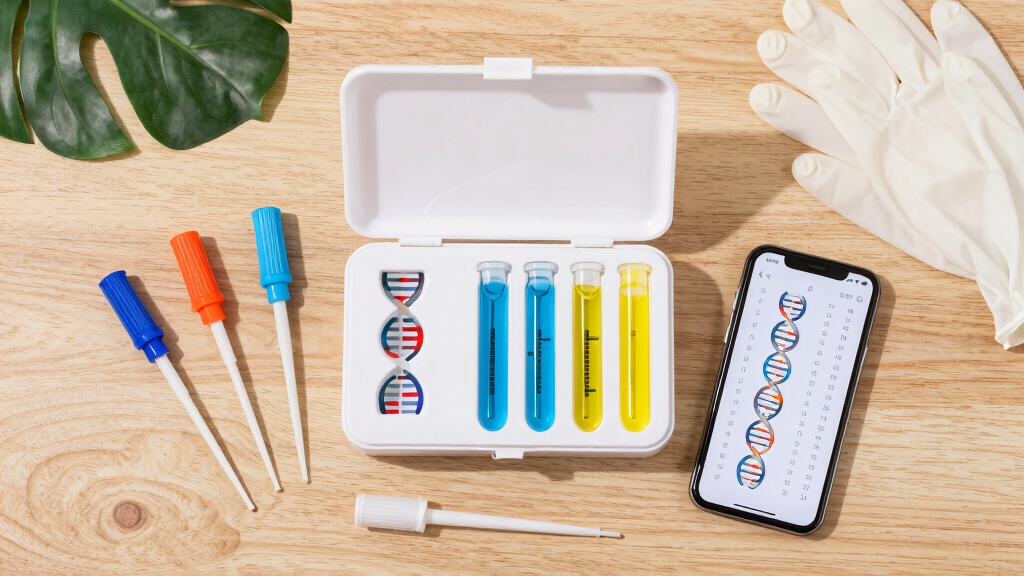
Current protocols typically involve collecting a DNA sample via saliva or cheek swab, then using a portable sequencer to read the genetic code. Companies like Oxford Nanopore and Helix offer kits and devices designed for non-professional users, though they often require some technical skill and understanding of genetic data analysis. The process can take several hours to days, depending on the complexity and the user’s familiarity with the tools.
While these devices can produce valuable genetic information, experts caution that the data may not be as comprehensive or accurate as laboratory-based sequencing. Moreover, interpreting the results requires bioinformatics tools and expertise, which may be a barrier for casual users. Regulatory agencies have also issued warnings about privacy and data security, emphasizing that personal genetic data should be handled carefully.
Implications of DIY DNA Sequencing for Personal and Scientific Use
This shift toward at-home DNA sequencing democratizes access to genetic information, potentially empowering individuals to learn more about their health, ancestry, and genetic traits. It could accelerate citizen science projects and foster greater public engagement with genomics. However, it also raises concerns about data privacy, the accuracy of results, and the potential for misuse of genetic information. Healthcare professionals warn that DIY sequencing should not replace clinical genetic testing, especially for medical diagnoses.
As an affiliate, we earn on qualifying purchases.
Recent Advances Making DIY DNA Sequencing Possible
Over the past decade, technological improvements have significantly reduced the cost and complexity of DNA sequencing. The development of portable sequencers like Oxford Nanopore’s MinION has been a major milestone, initially aimed at research and fieldwork. Now, commercial companies are marketing simplified kits for consumers. This trend aligns with broader efforts to make genomics more accessible, including the rise of direct-to-consumer genetic testing services like 23andMe and AncestryDNA.
While laboratory sequencing has been standard for decades, the availability of portable, user-friendly devices marks a new era. These devices can generate data that, with some effort, can be analyzed by individuals or small groups, fostering a new level of personal engagement with genetic information.
Experts note that regulatory frameworks and data privacy laws are still catching up with these technological developments, and users should be cautious about sharing sensitive information.
“These portable sequencing devices are capable of producing usable genetic data for personal research and health insights, but users need to understand the limitations and handle data responsibly.”
— Dr. Emily Carter, geneticist at UC Berkeley
portable DNA sequencer Oxford Nanopore MinION
As an affiliate, we earn on qualifying purchases.
As an affiliate, we earn on qualifying purchases.
Limitations and Risks of At-Home DNA Sequencing
It is still unclear how accurate and comprehensive the data produced by consumer-grade sequencing devices are compared to laboratory standards. The long-term reliability and interpretability of results remain under evaluation. Additionally, privacy concerns about storing and sharing genetic data outside regulated environments are ongoing issues. Regulatory agencies have issued warnings but have not yet established specific guidelines for consumer sequencing devices.
As an affiliate, we earn on qualifying purchases.
Expected Developments in Personal Genomics Technology
Manufacturers are likely to improve the accuracy, user-friendliness, and affordability of DIY sequencing devices. Regulatory frameworks may evolve to better protect consumers and ensure data security. Researchers and advocacy groups are calling for clearer guidelines and educational resources to help users interpret their genetic data responsibly. In the near future, more comprehensive and validated at-home sequencing options could become available, but medical-grade diagnostics will still require professional oversight.
As an affiliate, we earn on qualifying purchases.
Key Questions
Can I reliably use at-home DNA sequencing for health decisions?
Currently, DIY sequencing devices may not provide the accuracy needed for medical diagnoses. Consult healthcare professionals before making health decisions based on personal genetic data.
What equipment do I need to sequence my DNA at home?
Most kits include a saliva or cheek swab collection kit, a portable sequencer like Oxford Nanopore’s MinION, and software for data analysis. Some familiarity with genetic data interpretation is recommended.
Are there privacy risks with DIY DNA sequencing?
Yes, storing and sharing genetic data outside regulated environments pose privacy risks. Users should be aware of data security practices and legal protections.
Is DIY DNA sequencing legal everywhere?
Legal regulations vary by country. Some jurisdictions have restrictions on genetic data analysis and sharing. Users should check local laws before proceeding.
Source: hn
Halloween Picks
halloween
As an affiliate, we earn on qualifying purchases.