To read your bank statement like a detective, start by understanding its layout: note the statement period, account number, and balances. Review each transaction carefully, verifying amounts, dates, and vendors to spot errors or suspicious charges. Look for unfamiliar or duplicate entries, and analyze your spending patterns to identify unnecessary expenses. Stay organized and review regularly. Keep an eye out for signs of fraud—if you notice anything unusual, act quickly. Keep going to uncover more expert tips.

Prime made for students and young adults
- Fast, free delivery for dorm and study essentials
- Prime Video and Amazon Music included
- Member-only deals
Key Takeaways
- Examine the statement date, account number, and balances to verify account details and financial status.
- Review each transaction carefully, matching amounts and descriptions to receipts and records for accuracy.
- Look for unfamiliar or suspicious charges, vendor names, or unusual amounts indicating potential fraud.
- Analyze spending patterns and recurring expenses to identify unnecessary or impulsive purchases.
- Organize and regularly review statements to detect errors early, monitor trends, and improve financial decision-making.
As an affiliate, we earn on qualifying purchases.
Get to Know the Parts of Your Bank Statement
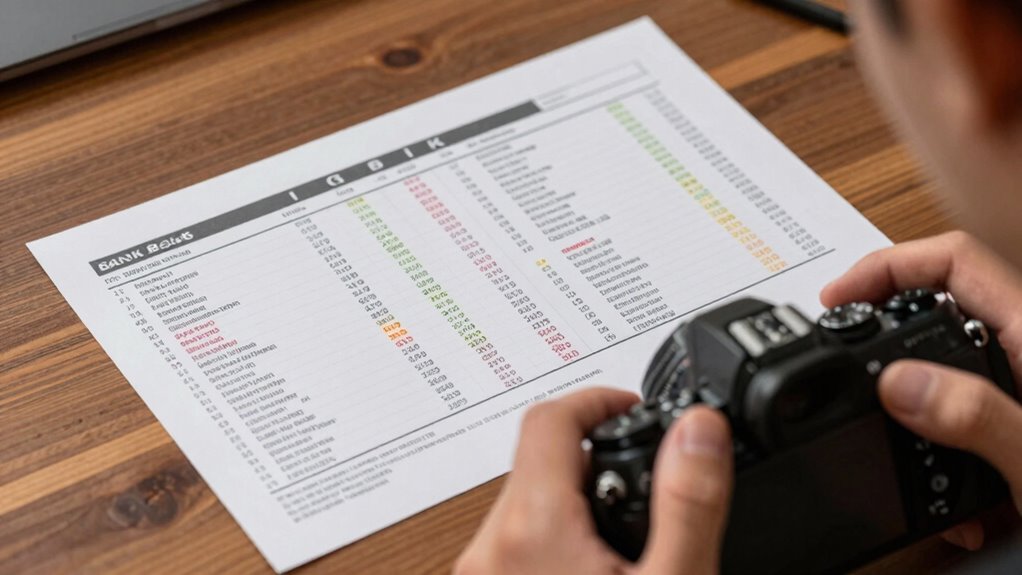
Have you ever wondered what all the details on your bank statement mean? Understanding the bank statement layout is essential to grasp its message. The statement components include your account number, statement period, and opening and closing balances. You’ll see a list of transactions, each with date, description, and amount—expenses and deposits. Look for the statement date, which indicates the period covered. The account number helps verify account identity, while the balance details show your financial status at specific points. Recognizing these parts allows you to navigate your statement confidently. By familiarizing yourself with the layout and statement components, you’ll be better equipped to detect errors or suspicious activity, keeping your finances transparent and secure. Additionally, understanding cybersecurity measures related to online banking can help protect your sensitive information from hacking attempts. Being aware of common financial fraud techniques can further enhance your ability to identify unauthorized transactions. Developing an understanding of bank statement analysis can also help you spot inconsistencies that might indicate fraud or errors, especially when reviewing electronic statements with digital security protocols in mind.
As an affiliate, we earn on qualifying purchases.
Why Reviewing Your Bank Statement Carefully Protects Your Money
Reviewing your bank statement carefully is essential because it helps you catch errors and prevent fraud. When you scrutinize each transaction, you’re actively protecting your money from unauthorized charges. It also improves your budgeting tips, ensuring you stay on top of your finances. By doing so, you can spot suspicious activity early and take swift action. Regular review also supports relationship rewind by helping you maintain transparency and trust with your financial institutions. Additionally, understanding bank statement details empowers you to recognize legitimate charges versus fraudulent ones more easily. Familiarity with transaction descriptions allows you to quickly identify unfamiliar or suspicious entries. Being aware of common rhythm failure tactics can further enhance your ability to detect scams. Developing strong financial literacy skills enables you to interpret your statement more effectively. Here are some benefits:
Reviewing your bank statement helps catch errors, prevent fraud, and keep your finances on track.
- Detect fraudulent transactions before they cause harm
- Identify billing mistakes or duplicate charges
- Track spending habits accurately
- Ensure all authorized payments are correct
- Strengthen your overall fraud prevention strategy
Regular review empowers you to maintain control over your financial health and avoid unnecessary losses. This simple habit is a powerful tool in safeguarding your money and making smarter financial decisions.
bank statement analysis software
As an affiliate, we earn on qualifying purchases.
As an affiliate, we earn on qualifying purchases.
How to Spot Unusual or Unauthorized Transactions
How can you quickly identify transactions that don’t belong? Look for unfamiliar amounts, vendors, or locations on your bank statement. Unusual charges may indicate fraud, so stay alert. Use security tips like confirming transactions with receipts or online banking records to verify legitimacy. If a charge seems suspicious, flag it immediately and contact your bank for fraud prevention support. Check for small or round-dollar amounts, which are common tactics by scammers. Remember, quick detection helps prevent further losses. Regularly monitoring your statement ensures you catch unauthorized activity early. Trust your instincts—if something feels off, don’t hesitate to act. Staying vigilant is your best defense against fraud, and following these security tips keeps your finances safe. Being proactive is key to protecting your money. Understanding credit card terms can also help you better recognize legitimate transactions and avoid scams. Additionally, understanding the importance of air quality awareness can help you identify suspicious activity related to unauthorized charges on your accounts. Recognizing farming tips, such as monitoring for unusual activity in accounts related to agricultural transactions, can further enhance your detection skills. Connecting these practices with your overall financial security helps ensure comprehensive protection. For example, being aware of common Lifevest Advisors scams can help you avoid falling victim to fraudulent schemes.
As an affiliate, we earn on qualifying purchases.
Check for Errors and Discrepancies in Your Bank Statement
After spotting unusual transactions, your next step is to carefully check your bank statement for errors and discrepancies. Use bank statement terminology to verify each entry, ensuring the amounts, dates, and payees match your records. Look out for common banking errors like duplicate charges, incorrect dates, or misplaced transactions. These mistakes can happen easily and often go unnoticed. To catch them, compare your statement with receipts and personal logs. Pay attention to unfamiliar entries or unusual charges that don’t align with your spending habits. Mistakes happen, but catching them early can save you money and prevent fraud. Being meticulous helps you spot potential issues before they escalate, giving you a clearer picture of your financial health. Vetted Additionally, understanding banking terms can help you identify and interpret complex transactions more effectively. Recognizing transaction types is essential for thorough review and ensuring your statement accurately reflects your activities. Familiarity with financial terminology can further enhance your ability to detect errors and safeguard your assets.
Understand Your Spending Habits by Analyzing Your Bank Statement
Understand Your Spending Habits by Analyzing Your Bank Statement. By reviewing your bank statement, you can spot your spending patterns and see where your money goes. This helps you identify unnecessary expenses and cut back on them. Recognizing these trends empowers you to make smarter financial choices moving forward. Paying attention to recurring transaction types can help you better understand your purchase habits and avoid unnecessary charges. Additionally, analyzing your bank statement can reveal spending patterns, enabling you to create targeted budgets to improve your financial health. Observing your spending on local businesses and seasonal events can give you insights into your lifestyle preferences and budgeting priorities. Noticing the purchase of specialized items like electric bikes or bike generators may also highlight your interests and hobbies, guiding you toward more intentional spending. Being aware of your financial habits through detailed review can further enhance your ability to manage your money effectively.
Track Spending Patterns
Ever wonder where your money really goes each month? Tracking your spending patterns helps you see where your cash is headed and identify areas to improve. By analyzing your bank statement, you can spot habits that support or hinder your budget planning and savings strategies. Recognize recurring expenses, impulsive purchases, or overlooked fees. Understanding these patterns empowers you to adjust your spending and make informed decisions. Incorporating water expenses analysis can reveal opportunities to conserve water and reduce costs. Keeping an eye on seasonal or irregular expenses can help you better prepare for large payments or unexpected charges. Tracking how often you dine out or shop can highlight areas to cut back and save more. This insight helps you develop better habits, prioritize your financial goals, and control your spending more effectively.
Identify Unnecessary Expenses
Analyzing your bank statement reveals which expenses are truly necessary and which ones may be wasteful. Look for recurring charges from subscription services you no longer use or need. Cancel any memberships that don’t add value or are simply draining your funds. Also, check for unnecessary fees like overdraft charges or ATM fees that can be avoided with better account management. These small, repeated costs can pile up quickly, eating into your budget without providing real benefit. Identifying these unnecessary expenses helps you understand where your money is going and highlights areas to cut back. By eliminating or reducing these costs, you can free up funds for savings or more meaningful purchases, making your financial picture clearer and more controlled.
Recognize Spending Trends
Understanding your spending habits starts with paying close attention to the patterns that emerge on your bank statement. By reviewing your transactions regularly, you can spot trends that reveal where your money truly goes. Use online banking tools to categorize expenses and identify recurring payments. Check your credit card charges for frequent or unnecessary purchases. Look for spikes or dips in spending that might indicate lifestyle changes or financial stress. Recognizing these trends helps you make informed decisions and adjust your budget accordingly.
- Notice which categories dominate your spending, like dining or entertainment
- Detect impulse buys that add up over time
- See if subscription services are draining your funds
- Identify seasonal or irregular expenses
- Track your progress toward savings goals
Detect Fraud and Identity Theft Using Your Bank Statement
Since fraud and identity theft can happen unexpectedly, regularly reviewing your bank statement helps you catch unauthorized transactions early. Look for signs of credit card fraud, such as unfamiliar charges or duplicate entries, and question any transactions you don’t recognize. Phishing scams often lead to fake payments appearing on your statement; stay alert for suspicious merchants or unusual activity. Check the dates and amounts carefully—fraudsters sometimes delay or split transactions to avoid detection. If you notice anything suspicious, contact your bank immediately to freeze your account or dispute the charges. Staying vigilant with your bank statement is a vital step in protecting your finances from theft and fraud. The sooner you spot issues, the easier it is to prevent further damage.
Keep Your Bank Statements Organized and Review Them Regularly
Keeping your bank statements organized and reviewing them regularly is essential for maintaining control over your finances. Proper digital organization helps you access your records instantly, while physical filing keeps paper copies safe and accessible. To stay on top, create a consistent system for both formats.
Organize and review your bank statements regularly to stay in control of your finances.
- Use labeled folders or binders for physical files
- Save digital copies in clearly named folders or cloud storage
- Set a recurring schedule to review statements monthly
- Cross-check transactions against your budget or receipts
- Purge outdated or unnecessary documents periodically
What to Do When You Find Errors or Suspicious Charges
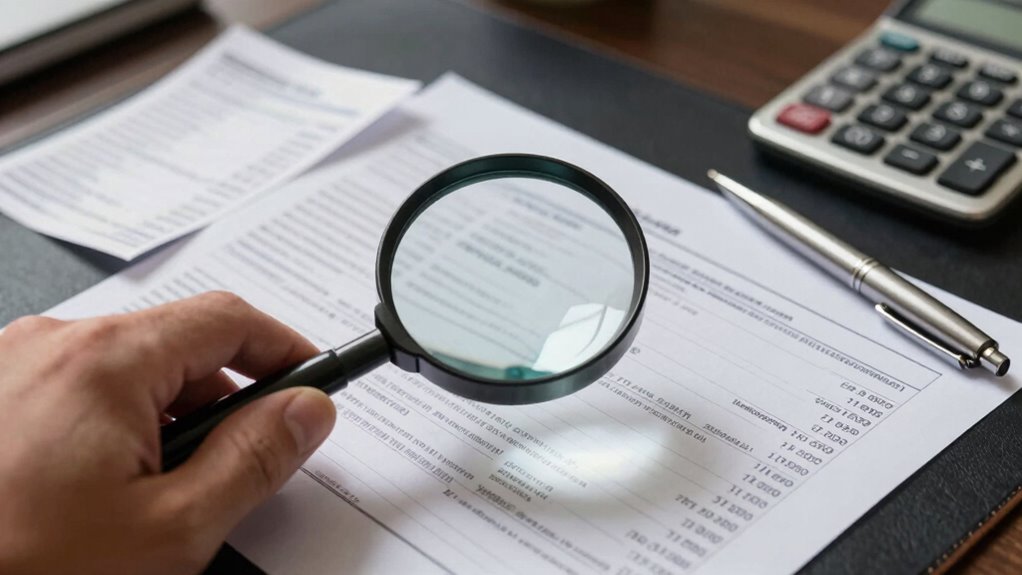
When you spot errors or suspicious charges, it’s important to verify each transaction’s details to guarantee they’re accurate. If you find an unauthorized charge, report it to your bank immediately to protect your account. Taking quick action helps prevent further issues and keeps your finances secure.
Verify Transaction Details
Have you noticed a transaction that looks unfamiliar or suspicious on your bank statement? To verify its details, start by checking the bank statement terminology, like transaction codes, which explain the nature of each charge. Confirm the date, amount, and merchant name match your records. If something seems off, review the original receipts or purchase history. Look for common red flags such as unfamiliar vendors or repeated charges. Use your bank’s online platform to get more details if needed. Remember, understanding transaction codes helps decode unfamiliar entries quickly. Always cross-reference with your own spending habits to spot discrepancies early. Keeping these steps in mind helps you act swiftly and accurately when verifying transaction details, ensuring your account stays secure.
Report Unauthorized Charges
Noticing an unfamiliar or suspicious charge on your bank statement can be alarming, but acting promptly is essential. Review the transaction carefully using bank statement terminology to understand the details. If you identify an error or suspect fraud, contact your bank immediately through digital banking security channels—such as their secure app or website. Many banks offer a quick way to report unauthorized charges online or via customer service. Keep records of the transaction and any correspondence. Your bank will investigate the issue, often issuing a provisional credit if fraud is confirmed. Remember, timely reporting helps prevent further unauthorized activity and protects your finances. Always stay vigilant and familiarize yourself with your bank’s procedures for reporting suspicious charges to safeguard your account.
Frequently Asked Questions
How Often Should I Review My Bank Statement for Optimal Security?
You should review your bank statement at least monthly, whether it’s through digital banking or paper statements. Regular checks help you catch any suspicious activity early and verify your account details are accurate. With digital banking, set reminders to log in frequently, and for paper statements, make a habit of reviewing them as soon as they arrive. Staying vigilant protects your money and maintains your financial security.
What Signs Indicate My Account Has Been Compromised?
If you notice unauthorized transactions or suspicious activity on your bank statement, your account may be compromised. Look for unfamiliar charges, withdrawals you didn’t make, or sudden changes in your account balance. Also, watch for alerts from your bank about suspicious activity. If you spot anything unusual, contact your bank immediately to prevent further damage and to secure your account. Staying vigilant helps catch problems early.
Can I Dispute a Charge I Don’T Recognize on My Statement?
Yes, you can dispute a charge you don’t recognize on your statement. Start by contacting your bank’s dispute process quickly to flag unauthorized charges. Provide details and any supporting evidence. Remember, time is of the essence—delaying can make it harder to resolve. Your bank will investigate, and if they find the charge was unauthorized, they’ll reverse it. Acting swiftly helps you stay one step ahead of potential fraud.
How Do I Protect My Bank Statements From Fraudsters?
To safeguard your bank statements from fraudsters, you should store them securely, like in a locked drawer or encrypted digital folder. Be vigilant about phishing scams, never clicking suspicious links or sharing sensitive info. Regularly monitor your accounts for unauthorized activity, and use strong, unique passwords. Staying aware of phishing tactics and maintaining secure document storage helps ensure your financial info stays safe from fraudsters.
What Tools Can Help Me Analyze My Spending Patterns Effectively?
You can analyze your spending patterns effectively with budgeting apps that categorize your expenses automatically. These apps often include data visualization tools, like charts and graphs, making it easier to spot trends and unusual activity. By regularly reviewing these visual summaries, you’ll gain insights into your financial habits, helping you make smarter decisions, save more, and stay on top of your budget without the need for complex manual analysis.
Conclusion
By reading your bank statement like a detective, you become the guardian of your financial story. Every line is a clue, every number a whisper of your money’s journey. Stay vigilant, spot the shadows of errors or fraud lurking beneath the surface, and keep your records tidy as a well-organized crime scene. With sharp eyes and steady hands, you turn your statement into a shield—protecting your hard-earned treasure from unseen threats.
Fall Picks
fall essentials
As an affiliate, we earn on qualifying purchases.