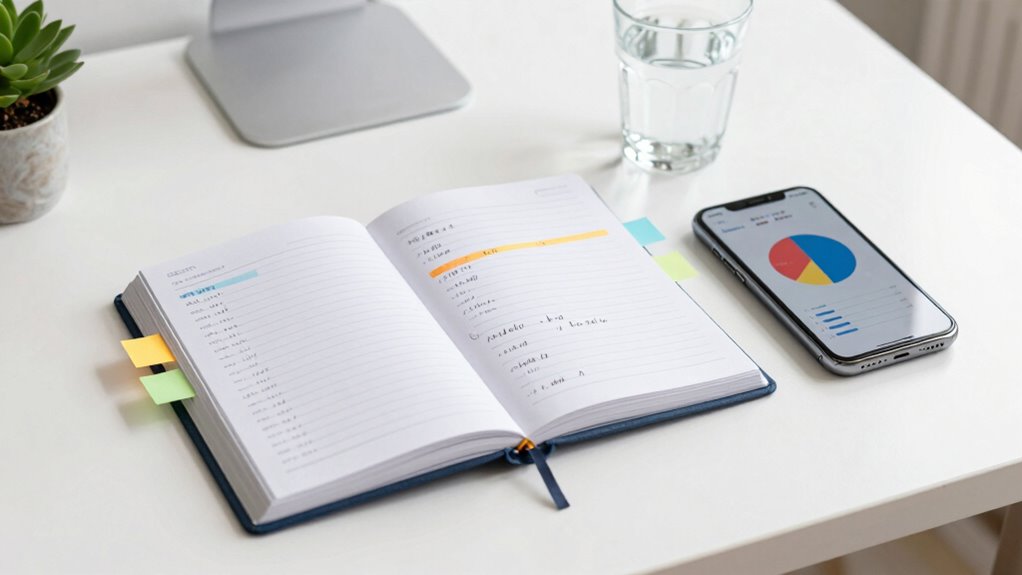

The easiest way to understand where your money actually goes is by tracking your income and expenses using simple tools like apps or spreadsheets. List all sources of income and record every expense, especially recurring costs and impulse buys. This helps identify spending patterns and leaks, so you can prioritize your financial goals and cut unnecessary expenses. Keep monitoring regularly to stay in control of your finances and make smarter decisions—stay with us to discover more helpful tips.
Listen free for 30 days with Audible
Thousands of audiobooks and originals — cancel anytime.
As an affiliate, we earn on qualifying purchases.
Key Takeaways
- Track all income and expenses regularly using apps or spreadsheets for accurate insights.
- Categorize spending to identify major expense areas and recurring costs.
- Create a detailed budget to visualize where money is going each month.
- Review and analyze spending patterns to spot unnecessary or impulsive purchases.
- Adjust expenses and set financial goals based on monitored spending habits.
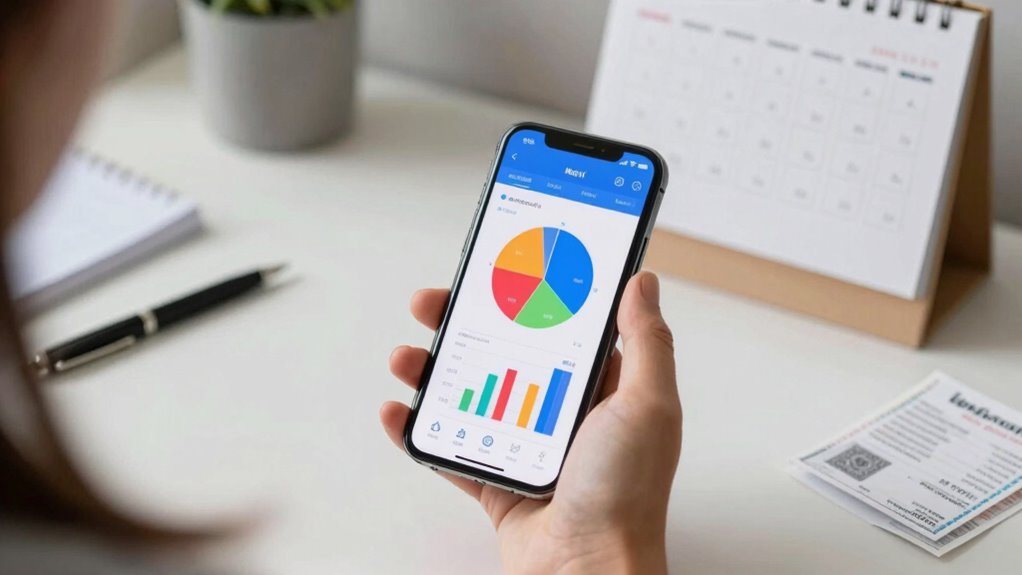
Have you ever wondered exactly where your money disappears each month? It’s a common question, and the answer often surprises people. The key to understanding your spending habits is to get a clear picture of your finances, which starts with tracking your income and expenses. When you do this, you gain insight into your spending patterns, allowing you to identify areas where your money might be leaking. This simple step is essential for effective investment planning and debt management because it helps you make smarter financial decisions.
The easiest way to get a handle on where your money goes is to create a detailed budget. List all your sources of income, then record every expense, no matter how small. Use apps or spreadsheets to make this process easier and more accurate. As you do this, you’ll notice recurring expenses—like subscriptions, dining out, or impulse buys—that can add up over time. Spotting these costs helps you cut unnecessary spending, freeing up cash to put toward your financial goals.
Once you understand your spending habits, you can prioritize your financial goals more effectively. For example, if you see you’re spending too much on dining out, you might decide to allocate that money toward paying off debt faster or building an emergency fund. This is where debt management becomes crucial; by knowing exactly where your money is going, you can develop a strategy to pay down high-interest debts systematically. Similarly, understanding your expenses helps you allocate funds toward investment planning, ensuring you’re setting aside enough for future growth rather than just covering daily needs. Incorporating financial literacy into your routine can further enhance your ability to make informed decisions. Developing a comprehensive understanding of your finances is also vital for long-term financial health.
Prioritize your goals by tracking expenses, paying down high-interest debt, and saving for future growth.
Budgeting also reveals opportunities to optimize your financial health. You might realize that consolidating debt or refinancing loans could lower your interest rates, saving you money in the long run. With a clear picture of your cash flow, you can set realistic savings targets and create a plan to reach them. Whether it’s contributing to retirement accounts, emergency funds, or other investments, knowing your money’s path makes it easier to stay disciplined and consistent. Recognizing spending patterns can also help you make better choices about where to cut costs and improve your financial situation. Additionally, understanding the distribution of your expenses can help you identify which areas might benefit from adjustments or renegotiation. Gaining a full financial picture is essential for effective decision-making and achieving your goals.
In the end, understanding where your money goes isn’t about restriction; it’s about awareness. Once you’re aware of your spending habits, you can take control. You become proactive, not reactive, with your finances. Tracking your income and expenses regularly helps you stay aligned with your financial goals, making investment planning and debt management more manageable and less stressful. With clarity about your financial flow, you’ll find it easier to build the future you want—one informed decision at a time.
As an affiliate, we earn on qualifying purchases.
Frequently Asked Questions
How Often Should I Review My Spending Habits?
You should review your spending patterns at least monthly to stay on top of your financial habits. Regular check-ins help you identify any unnecessary expenses and adjust your budget accordingly. If your financial situation changes or you’re aiming for specific savings goals, consider reviewing more frequently, like weekly. Consistent monitoring keeps you aware of where your money goes, helping you make smarter decisions and improve your overall financial health.
What Tools Are Best for Tracking Daily Expenses?
Think of your cash flow as a garden—tracking daily expenses helps you see where weeds or blooms appear. The best tools are apps like Mint or YNAB, which categorize your spending automatically, revealing patterns in your spending categories. These apps act as your digital compass, guiding you to manage your money wisely. With real-time updates, you gain clarity and control, turning chaos into a well-tended financial landscape.
How Can I Identify Unnecessary Expenses?
You can identify unnecessary expenses by reviewing your expenses regularly and practicing frugal habits. Start with expense categorization to see where your money mostly goes. Look for small, frequent purchases that add up and question if they’re truly needed. Cutting back on non-essential spending helps you prioritize what matters most. Over time, this process reveals unnecessary expenses, making it easier to save and improve your financial health.
What’s the First Step to Creating a Budget?
Start by listing your financial goals to clarify what you want to achieve. Then, track your expenses to understand your spending habits. Categorize these expenses into different groups like rent, groceries, entertainment, and savings. This way, you’ll see where your money goes and can identify areas to cut back. Creating this foundation makes it easier to set realistic budgets and prioritize your expense categories effectively.
How Do I Stay Motivated to Stick to My Budget?
To stay motivated, focus on mindset shifts that make budgeting feel rewarding rather than restrictive. Set clear goals and celebrate small wins along the way. Find accountability partners who can encourage you and hold you accountable. Regularly remind yourself of your financial why, like saving for a trip or debt freedom. This combination keeps your motivation high and your commitment strong, making it easier to stick to your budget long-term.
As an affiliate, we earn on qualifying purchases.
Conclusion
So, now that you know where your money slips away, don’t pretend it’s a mystery. You’ve got the tools to track every dollar—so why keep pretending you’re a financial wizard? Face the truth, and maybe, just maybe, you’ll stop blaming the economy for your empty wallet. Or, keep ignoring it and live in blissful ignorance—either way, your money’s not going to hide itself. Good luck, financial detective!
As an affiliate, we earn on qualifying purchases.
As an affiliate, we earn on qualifying purchases.
Flea & tick season Picks
flea and tick prevention
As an affiliate, we earn on qualifying purchases.