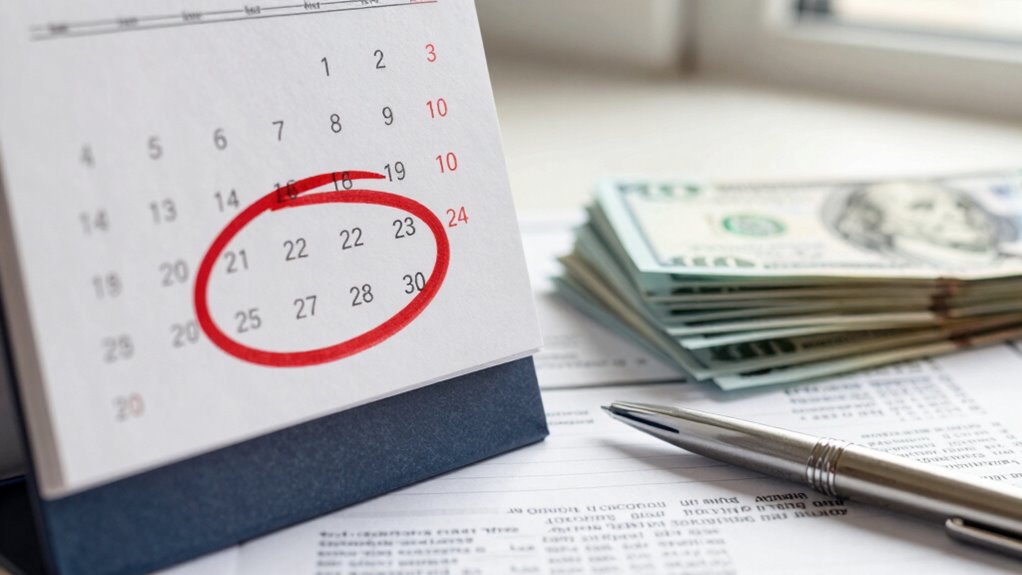

A grace period on bills and payments is a set time after the due date when you can pay without facing late fees or negative impacts on your account. During this period, lenders usually don’t charge extra, giving you a helpful buffer for overlooked deadlines or unexpected issues. The duration varies by provider, so it’s important to understand each policy. Keep in mind, once it expires, penalties may apply. If you want to know how to manage it, keep exploring.
Open a free Amazon Business account
Business pricing, bulk buying and tax-exempt orders.
As an affiliate, we earn on qualifying purchases.
Key Takeaways
- A grace period is a set time after a bill’s due date with no late fees charged.
- It provides extra flexibility for missed payments without immediate penalties.
- The duration varies, typically 15 to 30 days, depending on the provider.
- Once the grace period expires, late fees may apply, and the account could be reported as overdue.
- Knowing your provider’s specific grace period helps avoid surprises and unnecessary charges.

Have you ever wondered what a grace period is and how it can benefit you when paying bills? A grace period is a set amount of time after the payment deadline during which you can pay your bill without incurring a late fee. It’s a helpful buffer that gives you extra flexibility, especially if you miss the initial deadline due to unforeseen circumstances or simple oversight. During this window, the bill provider typically doesn’t charge you extra, which can save you money and reduce stress.
A grace period offers extra time after the deadline to pay without late fees, reducing stress and saving money.
When the payment deadline passes, many companies still allow you a grace period to settle your account without penalty. This period varies depending on the service or provider, but common durations include 15, 20, or even 30 days. If you pay within this window, you usually avoid the late fee, which can be a significant saving. However, it’s important to know that not all bills or services offer a grace period, so you should always check the specific policy of your provider. Some may enforce late fees immediately after the payment deadline, while others have a more lenient approach.
Think of the grace period as a safety net. If your payment due date has come and gone, you still have some time before the account becomes overdue or before additional penalties apply. During this period, your account might be marked as late, but no extra charges are added yet. This helps prevent the late fee from stacking up right away, giving you a chance to catch up without immediate financial consequences. It’s also advantageous to understand the timing of billing policies, as this knowledge can help you better manage your finances and avoid surprises. Understanding the specific duration of grace periods for your bills can help you plan more effectively and avoid unnecessary charges. It’s crucial, however, to understand that the grace period isn’t indefinite. Once it expires, the late fee kicks in, and your account might be reported as overdue to credit bureaus, affecting your credit score. To avoid this, setting reminders before the payment deadline can help you stay on top of your bills. If you’re uncertain about the length of your grace period, contact your bill provider or check your billing statements. Knowing the specifics helps you plan better and avoid unnecessary charges.
As an affiliate, we earn on qualifying purchases.
Frequently Asked Questions
Can I Be Charged Late Fees During the Grace Period?
You generally won’t be charged late fees during the grace period if you pay your bill within that time, but verifying your provider’s late fee policies is crucial. Some companies might still impose late fees if you miss the deadline, even during an approved payment extension or grace period. Always review your bill and contact customer service to confirm your specific late fee policies and avoid unexpected charges.
Does the Grace Period Vary Between Different Utility Companies?
Imagine your electricity company offers a 10-day grace period, but your water provider only gives 5 days. Yes, the grace period varies between utility companies due to different billing policies. As a customer, you have rights to understand these policies, so always check your provider’s terms. Knowing the variation helps you avoid late fees and manage payments effectively, ensuring you’re aware of your rights and deadlines.
What Happens if I Miss the Grace Period Entirely?
If you miss the grace period entirely, your utility might impose late fees, restrict services, or suspend your account. Payment postponements could become harder to arrange, and you’ll need to address billing cycle details to settle the outstanding balance. It’s important to act quickly, as ignoring the missed grace period can lead to additional charges and service disruptions. Contact your provider promptly to discuss your options and avoid further complications.
Are Grace Periods the Same for All Types of Bills?
Grace periods aren’t the same for all bills; they vary based on billing cycles and payment deadlines. Some bills, like credit cards, offer a few days after the due date, while others, like utilities or rent, might have longer or shorter grace periods. Always check your billing cycle details and payment deadlines so you know exactly how long you have to make payments without penalties.
How Is the Grace Period Calculated on My Bill?
Think of your bill’s grace period as a buffer zone. It’s calculated from the payment deadline, which usually marks the end of your billing cycle. If your bill is due on the 15th, the grace period might extend a few extra days beyond that, giving you time to pay without penalty. Always check your bill or contact your provider to know the exact length, so you don’t miss your chance to pay on time.
As an affiliate, we earn on qualifying purchases.
Conclusion
Understanding what a grace period truly means helps you avoid late fees and keep your finances on track. It’s that helpful window where you can settle your bill without penalty—so why not take advantage of it? Being aware of these extra days can save you money and stress. Isn’t it worth knowing exactly how much time you have before those fees kick in? Stay informed, stay ahead, and handle your payments confidently.
payment due date reminder device
As an affiliate, we earn on qualifying purchases.
As an affiliate, we earn on qualifying purchases.
budgeting and bill tracking software
As an affiliate, we earn on qualifying purchases.
As an affiliate, we earn on qualifying purchases.
Flea & tick season Picks
flea and tick prevention
As an affiliate, we earn on qualifying purchases.