
Owning a vehicle involves more than just the purchase price. You’ll need to budget for routine maintenance like oil changes, filter replacements, and fluid top-offs, which keep your car running smoothly and prevent costly repairs later. Consumables such as brake pads, tires, and wipers wear out over time, adding to ongoing expenses. Proper care can boost your car’s resale value and performance. To get a clear picture of all these costs, keep exploring the details.
Key Takeaways
- Regular maintenance, including filter changes and fluid top-offs, prevents costly repairs and extends vehicle lifespan.
- Overlooking small consumables like brake pads and wipers leads to higher replacement costs and safety issues.
- Proper maintenance enhances resale value by keeping the vehicle in optimal condition.
- Ignoring warranty coverage outside the period can result in significant out-of-pocket repair expenses.
- Understanding all ongoing costs helps in accurate budgeting and maximizing overall ownership value.
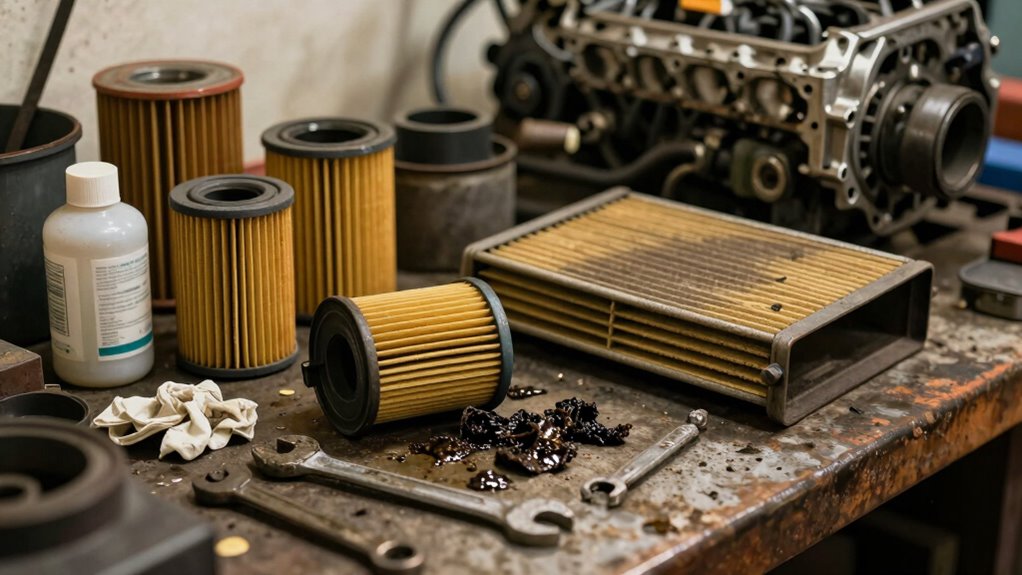
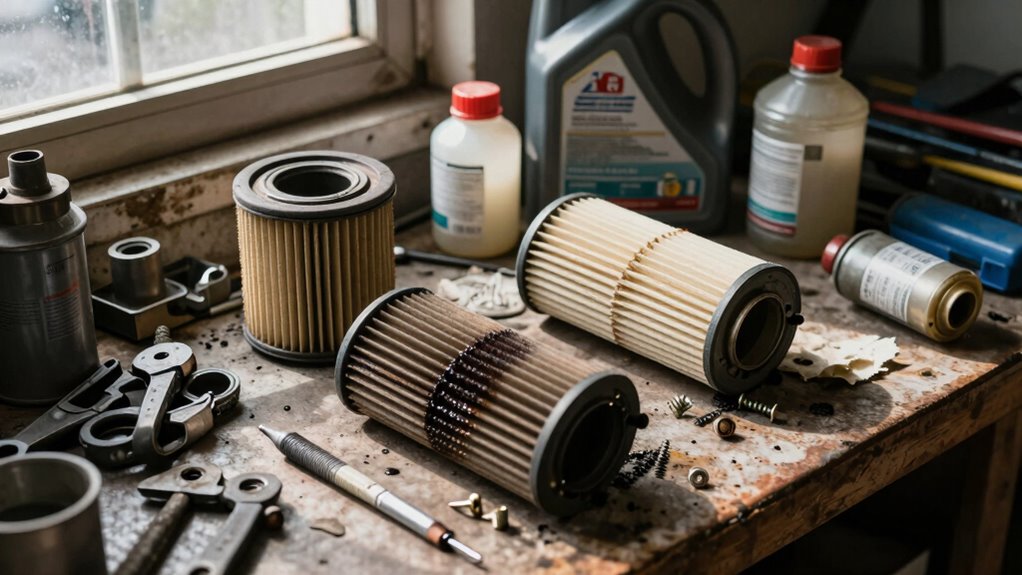
Owning a vehicle isn’t just about the initial purchase price; it’s about the ongoing costs that often catch people off guard. One significant factor is warranty expenses. While a manufacturer’s warranty can cover certain repairs and replacements, it’s not everything. Extended warranties might seem like a good idea at first, but they add to your overall costs and aren’t always worth the extra money. If you don’t keep track of what’s covered and what’s not, you might find yourself paying out of pocket for repairs that could have been included. Additionally, neglecting warranty coverage or choosing not to extend it can lead to substantial expenses if something goes wrong outside the warranty period. It’s essential to weigh the benefits of warranty coverage against its costs, especially considering how it can impact your long-term budget and the vehicle’s resale value. Properly understanding warranty coverage can help you make smarter financial decisions about your vehicle’s ownership. Resale value plays a *key* role in the total cost of ownership. The more you maintain your vehicle, the better its resale value will be when you decide to sell or trade it in. Simple things like regular servicing, timely repairs, and keeping the vehicle’s interior and exterior in good condition can make a significant difference. A well-maintained car fetches a higher price, offsetting some of the expenses you’ve put into upkeep over the years. Neglecting these details, on the other hand, can lead to depreciation and a lower resale value, meaning you’ll get less when it’s time to move on. Proper maintenance isn’t just about avoiding costly repairs; it’s also an investment in your vehicle’s future worth. Beyond warranty expenses and resale value, you should also consider the hidden costs of maintenance, filters, and consumables. Regular oil changes, replacing air and cabin filters, and topping off fluids aren’t optional—they’re *essential* to keep your vehicle running smoothly and efficiently. Over time, neglecting these small but *necessary* tasks can cause larger, more expensive problems. Replacing a clogged air filter, for instance, can improve fuel efficiency and engine performance, saving you money in the long run. Consumables like brake pads, tires, and windshield wipers also wear out and need replacement. Staying on top of these costs prevents unexpected breakdowns and keeps your vehicle running at its best, which ultimately benefits your wallet. So, while these expenses may seem minor at first, they add up and should be part of your ongoing budget considerations for owning a vehicle.

National Geographic Break Open 10 Premium Geodes – Includes Goggles & 2 Display Stands - Great STEM Science Kit, Geology Gift for Kids, Break Your Own Geodes with Crystals
DISCOVER CRYSTAL TREASURE - Break open these rocks to reveal amazing crystals inside! Geology doesn’t get more exciting...
As an affiliate, we earn on qualifying purchases.
Frequently Asked Questions
How Often Should I Replace My Vehicle’s Air Filter?
You should replace your vehicle’s air filter every 12,000 to 15,000 miles, but check your maintenance schedule for specifics. Regular air filter replacement improves engine performance and fuel efficiency. If you drive in dusty or polluted environments, consider changing it more often. Keep an eye out for reduced airflow or decreased fuel economy, which are signs it’s time for a new air filter. Staying on top of this maintenance keeps your car running smoothly.
Are Synthetic Oils More Cost-Effective Long-Term Than Conventional Oils?
They say “a stitch in time saves nine,” and choosing synthetic oil proves true long-term. Synthetic oil benefits include better engine protection, improved fuel efficiency, and longer intervals between changes. While conventional oil drawbacks involve quicker breakdown and more frequent replacements, synthetic oils cost more upfront but often save you money over time. So, investing in synthetic oil can be more cost-effective in the long run, keeping your engine healthier and running smoothly.
What’s the Average Lifespan of Brake Pads Before Replacement?
On average, your brake pads last between 30,000 and 70,000 miles, depending on brake pad materials and vehicle weight. Heavier vehicles and aggressive driving can shorten their lifespan. Organic pads wear out faster, while ceramic or semi-metallic pads tend to last longer. Regular inspections help you catch wear early, saving you money and ensuring safe braking performance over time.
How Do I Know When to Flush My Cooling System?
Many experts believe regular cooling system maintenance prevents costly repairs, so you should flush your cooling system every 2-3 years or as recommended by your vehicle’s manufacturer. Notice signs like overheating, coolant leaks, or discolored coolant—these indicate it’s time for a flush. Following a proper flushing schedule guarantees your engine stays cool and runs efficiently, saving you money and extending your vehicle’s lifespan.
What Are Signs That My Transmission Fluid Needs Changing?
If you notice transmission issues like slipping gears, delayed shifting, or strange noises, it’s time to check your transmission fluid. Look for fluid discoloration—if it’s dark or cloudy, that’s a sign you need a change. Regularly inspecting the fluid level and color helps prevent costly repairs. Don’t ignore these signs; changing your transmission fluid when needed keeps your vehicle running smoothly and extends its lifespan.

Discovery™ Super Reactions Science Kit – 66 Experiments STEM Lab for Kids| Includes Chemistry Tools, Volcano Mold, Slime, Reactions & Explosions|Educational Learning Toy|DIY Activity Set Gift| Ages 8+
✔ 66 ACTION-PACKED SCIENCE EXPERIMENTS – Includes 26 step-by-step guided activities and 40 bonus DIY ideas using household...
As an affiliate, we earn on qualifying purchases.
Conclusion
Understanding the real cost of ownership means considering maintenance, filters, and consumables. It’s about more than just the purchase price; it’s about your ongoing commitment, your regular upkeep, and your proactive choices. It’s about investing in quality, avoiding surprises, and ensuring longevity. By staying informed, planning ahead, and maintaining diligently, you can reduce costs, increase efficiency, and extend your equipment’s life. Remember, owning wisely means managing costs today, tomorrow, and every day after.

Thames & Kosmos Mega Cyborg Hand STEM Experiment Kit | Build Your Own GIANT Hydraulic Amazing Gripping Capabilities Adjustable for Different Sizes Learn Pneumatic Systems
Build your own awesome, wearable mechanical hand that you operate with your own fingers.
As an affiliate, we earn on qualifying purchases.
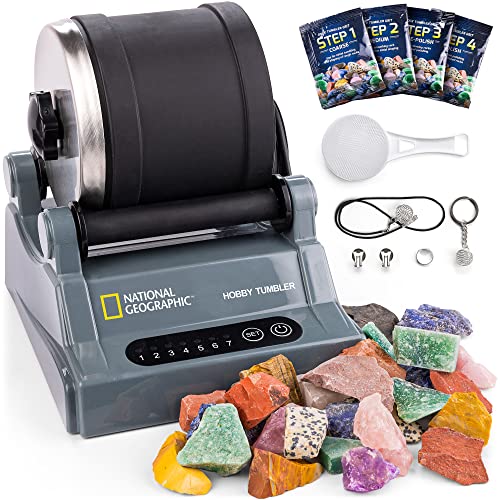
National Geographic Rock Tumbler Kit – Hobby Edition Includes Rough Gemstones, and 4 Polishing Grits, Great STEM Science Kit for Geology Enthusiasts, Rock Polisher for Kids and Adults
CREATE YOUR OWN GEMSTONES - Make any stone sparkle and polish everyday rocks into dazzling gemstones! This rock...
As an affiliate, we earn on qualifying purchases.