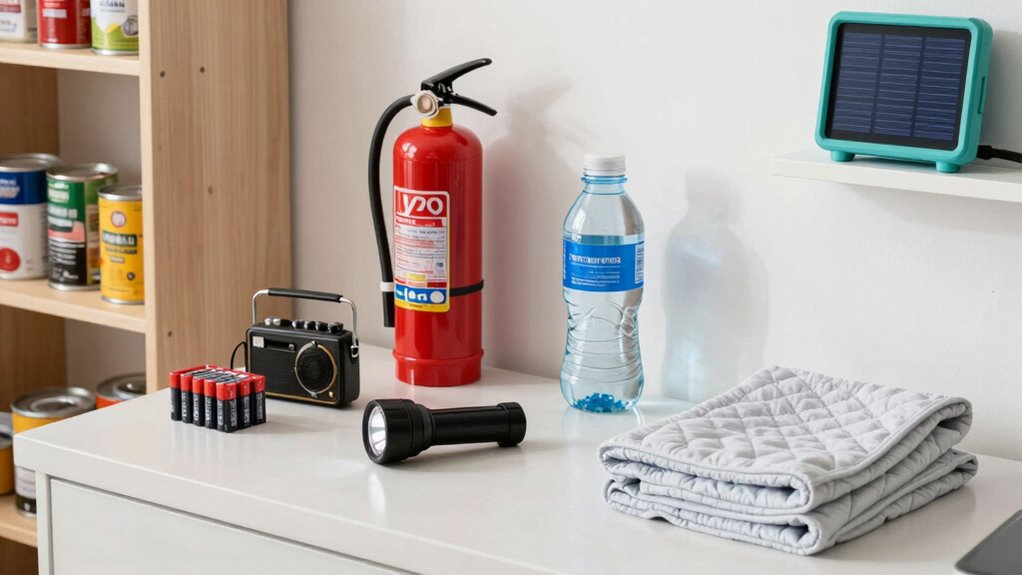
You can prep for outages by focusing on strategic planning, using your current resources wisely, and avoiding unnecessary gear. Keep essential communication devices, like cell phones and radios, charged and stored in accessible spots. Use portable, versatile options like solar chargers and power banks instead of bulky generators. Stay informed with local alerts and community resources. This approach helps you be prepared without clutter. Continue to explore simple tips that can boost your resilience during outages.

Prime made for students and young adults
- Fast, free delivery for dorm and study essentials
- Prime Video and Amazon Music included
- Member-only deals
Key Takeaways
- Prioritize multifunctional communication devices like hand-crank radios and charged cell phones for reliable updates.
- Use small, portable solar chargers and power banks to conserve energy and avoid unnecessary equipment.
- Store essential supplies in accessible, centralized locations and regularly review and update them.
- Subscribe to local alerts to stay informed and reduce the need for excess gear.
- Leverage community resources and support networks to enhance preparedness without over-purchasing.
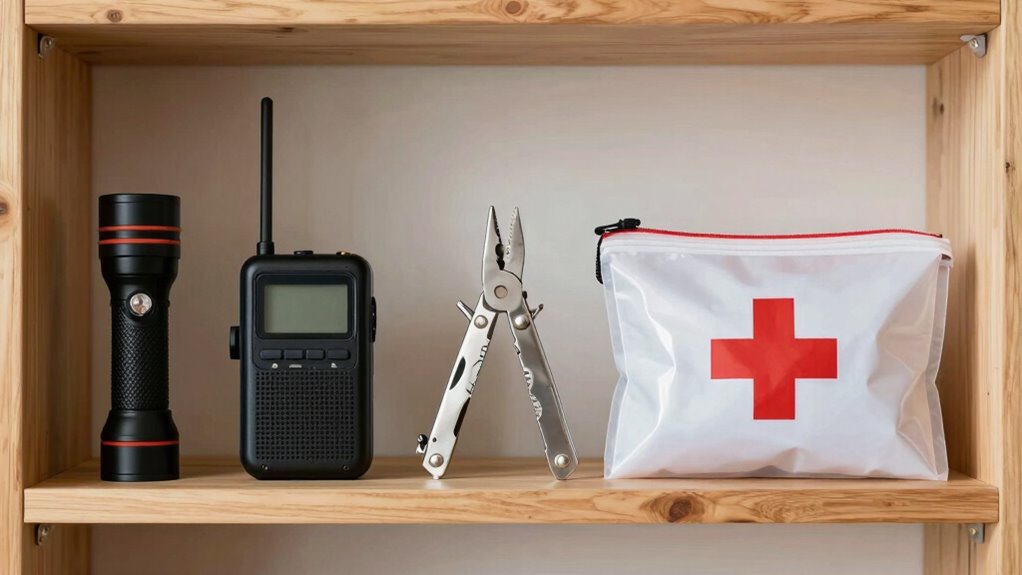
Have you ever wondered how to stay prepared for power outages without cluttering your home with unnecessary gear? The key is to focus on essentials that keep you safe and connected, rather than hoarding equipment that might go unused. Emergency communication is a top priority, so make sure you have reliable ways to stay in touch with loved ones or emergency services. A simple battery-powered radio or a portable charger can keep your cell phone alive when the power’s out, enabling you to receive updates and call for help if needed. Instead of investing in multiple gadgets, opt for a versatile, hand-crank or solar-powered device that can serve multiple functions, saving space and money.
When it comes to alternative power, you don’t need a full-blown generator to maintain basic household functions. Small solar chargers or portable power banks are excellent options that don’t require much storage space. These devices can recharge your phone, flashlight, or small appliances, keeping essential items running without the noise and maintenance of larger equipment. Position your power sources where they’re easy to access during an outage, like near your main living area or a central hallway. This way, you won’t waste time searching for them when the lights go out. Additionally, understanding the importance of emergency preparedness can help you make smarter decisions about what gear to keep on hand. Knowing how to properly store and maintain your emergency supplies ensures they will work effectively when needed. Practicing power management techniques can also help you conserve energy and extend the usability of your devices during outages, especially if you regularly review and update your plan. Incorporating community resources into your preparedness strategy can further enhance your safety during extended outages and ensure you’re aware of local support options.
Preparing for an outage isn’t about buying everything on the shelf; it’s about strategic planning. Keep a small kit that includes a flashlight, extra batteries, and a power bank. Store it in a convenient location so you can grab it quickly. Also, consider subscribing to alerts from local authorities or utility companies, ensuring you’re informed about outages and estimated restoration times ahead of time. This proactive approach reduces the need for excessive gear by keeping you informed and ready to adapt. Furthermore, understanding the local climate can help you tailor your emergency preparations to specific environmental challenges you might face during outages.
portable solar charger for emergency
As an affiliate, we earn on qualifying purchases.
As an affiliate, we earn on qualifying purchases.
Frequently Asked Questions
How Can I Prioritize Essential Items Over Optional Gear?
You should create a priority ranking that highlights essential items like water, non-perishable food, and alternative gear such as a flashlight or battery-powered radio. Focus on what you genuinely need to stay safe and comfortable, leaving optional gear for later. By evaluating your most critical needs first, you prevent overspending and ensure you’re prepared without cluttering your space with unnecessary items.
What Are Cost-Effective Ways to Store Emergency Supplies?
Imagine your emergency supplies like hidden treasures, waiting to be uncovered. You can store them in alternative storage options like under-bed containers, stackable plastic bins, or repurposed furniture to save space. Budget-friendly solutions include using airtight jars or repurposing old backpacks and suitcases. These methods keep your essentials safe, organized, and accessible without overspending, ensuring you’re prepared without breaking the bank during an outage.
How Often Should I Update My Outage Preparedness Plan?
You should review and update your outage preparedness plan at least once a year. During your review, check your battery maintenance to guarantee backup power sources are reliable, and revise your communication strategies to stay connected with loved ones and emergency services. Regular updates help you identify new risks, replace depleted supplies, and refine your response plans, making sure you’re ready for any unexpected outage.
Are There Community Resources for Outage Support?
During power outages, your community becomes a lifeline, like a sturdy anchor in rough seas. You can rely on neighbor assistance, sharing resources and support. Many towns also host community workshops that teach essential skills for outage preparedness. These resources turn strangers into allies, ensuring you’re not steering the dark alone. Tapping into local programs strengthens your resilience, transforming a potential crisis into a communal effort of survival and solidarity.
How Can I Ensure My Supplies Stay Safe Long-Term?
You can guarantee your supplies stay safe long-term by practicing good inventory management and choosing proper storage solutions. Regularly check and rotate your supplies to prevent spoilage or deterioration. Store items in a cool, dry, and dark place, using airtight containers to protect against pests and moisture. Label everything clearly, and keep an organized system so you can quickly access what you need during an outage.
hand crank radio with flashlight
As an affiliate, we earn on qualifying purchases.
As an affiliate, we earn on qualifying purchases.
Conclusion
By staying practical and focused, you’ll weather outages like a sturdy ship in choppy waters—without sinking your wallet. Remember, it’s not about hoarding every gadget, but about smart preparation and knowing what truly matters. Keep your essentials simple, plan ahead, and stay adaptable. When you’re ready to face the storm, you’ll find that resilience flows from your preparedness, not from excess gear. With the right mindset, you’ll navigate any outage with confidence and calm.
As an affiliate, we earn on qualifying purchases.
As an affiliate, we earn on qualifying purchases.
Halloween Picks
halloween
As an affiliate, we earn on qualifying purchases.