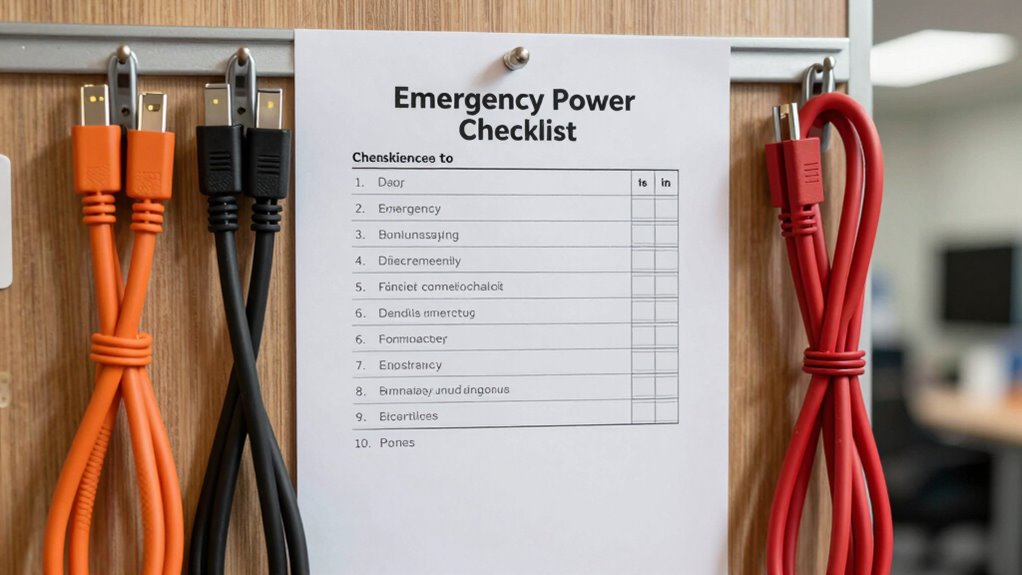

When you experience an outage, prioritize charging essential devices like your cell phone, flashlight, radio, and medical equipment first. This guarantees you stay connected, informed, and safe during emergencies. Starting with these critical items makes certain they’re ready for immediate use if the outage lasts longer than expected. Regularly charging your backup power sources now helps confirm they’ll function when needed most. Keep going for more tips on maintaining your emergency power setup effectively.

Prime made for students and young adults
- Fast, free delivery for dorm and study essentials
- Prime Video and Amazon Music included
- Member-only deals
Key Takeaways
- Prioritize charging essential devices like cell phones, radios, and medical equipment to ensure communication and safety during outages.
- Fully charge your solar generator first to provide a reliable, renewable power source for multiple devices.
- Keep backup batteries and portable power packs charged and ready for quick deployment when needed.
- Regularly test and maintain your emergency power setup to ensure all devices function properly during an outage.
- Review and update your emergency power checklist before storm seasons or potential outages for optimal preparedness.
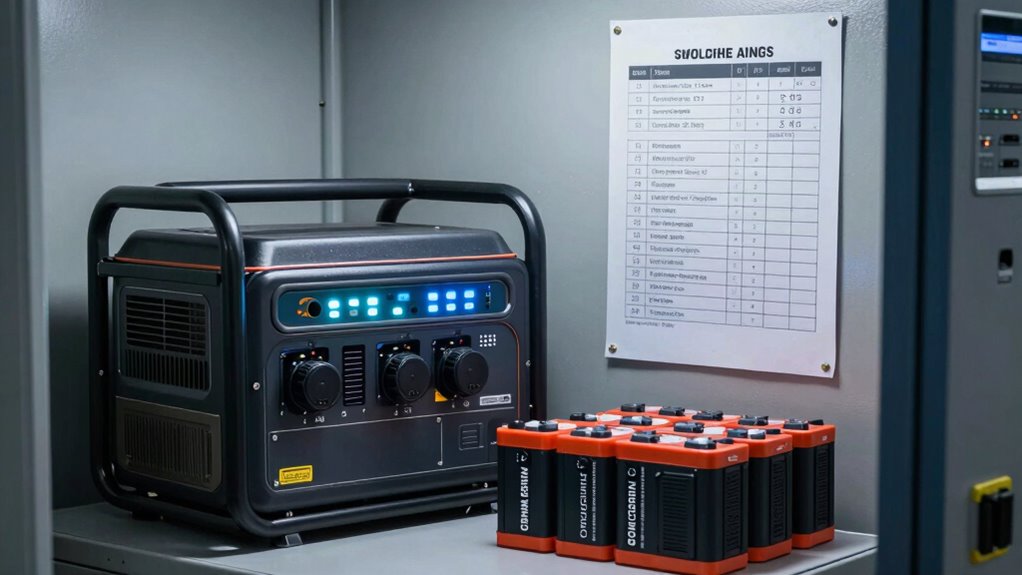
During a power outage, having an emergency power checklist guarantees you’re prepared to keep essential devices running and stay safe. One of the most reliable tools you can have is a solar generator, which harnesses sunlight to provide clean, renewable energy. When preparing your checklist, it’s vital to prioritize charging your solar generator first. This ensures you have a portable power source ready to go, especially if the outage lasts longer than expected. Solar generators are low-maintenance and eco-friendly, making them ideal for ongoing use during emergencies. However, to maximize their effectiveness, you need to pay attention to battery maintenance. Regularly checking and maintaining the battery’s health ensures it retains its capacity and can deliver power when you need it most. Make sure to store your solar generator in a cool, dry place, and follow the manufacturer’s guidelines for charging and discharging cycles. Additionally, understanding the importance of proper filtration systems can help keep your backup power sources clean and functioning efficiently over time.
Prioritize charging your solar generator first for reliable emergency power.
Next, focus on charging your essential devices—cell phones, flashlights, radios, and medical equipment. These items are vital for communication, navigation, and safety. Connecting them to your solar generator first ensures that, even if the grid is down for days, you can stay informed, contact help, and keep track of important updates. Keep spare batteries for devices like flashlights and radios stored in a cool, dry location, so you can switch them out easily if needed. Remember, these devices often drain power quickly, so prioritize charging them early in your emergency plan.
It’s also wise to keep your backup power sources, such as portable battery packs, fully charged and ready. These can serve as supplementary power sources or backups if your solar generator runs low. Don’t forget to include regular battery maintenance for your portable power supplies, checking for corrosion, ensuring proper storage, and replacing batteries when necessary. Proper maintenance extends their lifespan and guarantees they’ll perform reliably when you need them most.
Finally, review your checklist periodically, especially before storm seasons or potential outages. Test your solar generator and backup batteries to ensure they’re functioning properly, and familiarize yourself with their operation. By prioritizing charging your solar generator and maintaining its batteries, you set yourself up for a smoother, safer experience during an outage. This proactive approach guarantees that your essential devices stay powered, your communication lines remain open, and you’re better equipped to handle whatever emergency comes your way.
solar generator for emergency power
As an affiliate, we earn on qualifying purchases.
As an affiliate, we earn on qualifying purchases.
Frequently Asked Questions
Can I Use My Phone Charger During a Power Outage?
Yes, you can use your phone charger during a power outage if you have a backup power source. Solar panels can help recharge your devices, and a generator in good maintenance guarantees reliable power. Keep your generator well-maintained and consider using solar panels for sustainable charging. Always have a fully charged power bank as a backup, so you can stay connected even if your primary power source temporarily fails.
How Long Can My Devices Run on a Fully Charged Backup Power Source?
Your devices can run for varying times on a fully charged backup power source, depending on its power capacity and your device’s power consumption. Smaller devices like phones last longer, often 8-24 hours, while larger ones like laptops may only last 2-8 hours. To maximize device longevity, conserve power by turning off unused devices and lowering brightness. Always check your backup power’s specifications to estimate runtime accurately.
Is It Safe to Charge Multiple Devices Simultaneously?
Sure, go ahead and charge multiple devices at once—what could possibly go wrong? Just watch out for power surges and device overheating; your power strip might start to look like a fireworks display if overloaded. It’s safer to prioritize and connect a few at a time. Remember, your devices aren’t fans of sudden jolts or excessive heat, so play it smart to avoid chaos and potential damage.
Should I Prioritize Charging Medical Devices First?
Yes, you should prioritize charging medical devices first. Medical device safety is vital, especially during power outages, so ensuring they are fully charged can prevent emergencies. Follow charging priority guidelines by connecting essential medical equipment first, then other devices. This approach guarantees your medical devices stay operational, reducing risks. Always keep backup power sources ready and avoid overloading outlets to maintain safety and device functionality in critical moments.
What Indicators Show My Backup Power Source Is Running Low?
Ever wonder how you’ll know your backup power is running low? You should check your battery indicators regularly; they’ll show you the current charge level. Power alerts also notify you when your backup source is nearing depletion. These signs help you act swiftly to conserve energy or find alternative options. Staying vigilant guarantees your essential devices stay powered and your emergency preparedness remains intact.
As an affiliate, we earn on qualifying purchases.
Conclusion
Now that you know what to charge first, you’re like a captain steering your ship through rough waters. Prioritize your essentials to keep everything afloat—your phone, flashlight, and medical devices. With this checklist, you’ll navigate power outages smoothly, preventing chaos from sinking in. Remember, staying prepared is your lighthouse in the storm, guiding you safely back to calm. Keep this guide handy, and you’ll weather any blackout with confidence and clarity.
As an affiliate, we earn on qualifying purchases.
medical equipment backup power supply
As an affiliate, we earn on qualifying purchases.
As an affiliate, we earn on qualifying purchases.
Halloween Picks
halloween
As an affiliate, we earn on qualifying purchases.