
Online challenges turn risky without anyone noticing because algorithms prioritize engaging, sensational content, quickly spreading dangerous trends. Peer pressure and social influence push participants to escalate daring acts, often hiding warning signs like increased secrecy or hesitation. Small hazards, such as mild dares, can gradually become serious risks as participants seek social approval. Recognizing how these signs emerge can help you stay safe—if you want to see how these dangers unfold, keep exploring.
Key Takeaways
- Small initial risks often appear harmless, making it easy to overlook escalation until serious harm occurs.
- Peer influence and social pressure encourage participation, reducing awareness of potential dangers.
- Algorithms promote engaging content, amplifying risky challenges before users recognize their hazards.
- Anonymity online allows participants to hide true intentions, delaying recognition of escalating dangers.
- Lack of clear warning signs makes dangerous behaviors seem normal, preventing early detection of risks.
How Do Online Challenges Spread and Why Do They Go Viral?

Online challenges spread rapidly because social media platforms make sharing easy and instant. When someone posts a challenge, others quickly see it, encouraging them to participate or recreate it. This viral spread fuels trend influence, as people want to be part of what’s popular. The more engaging or daring the challenge, the faster it gains traction, attracting a wider audience. Social media algorithms favor content that gets lots of interaction, further amplifying the challenge’s reach. As viewers share, comment, or tag friends, the challenge becomes a trend that seems unstoppable. This cycle of sharing and participation creates a snowball effect, making even risky or questionable challenges go viral in a matter of hours or days. The use of AI tools can even automate parts of this process, increasing the speed and scale of viral dissemination. Understanding the mechanisms of virality helps explain how these challenges escalate so quickly and widely. Additionally, the visual appeal of challenges—such as eye-catching videos or daring stunts—significantly contributes to their rapid spread. The social dynamics involved in online challenges often amplify the sense of community and competition, motivating more participation. These factors, combined with the ability of algorithms to optimize content for maximum exposure, show how quickly and extensively challenges can become viral sensations. That’s how online challenges transform from simple ideas into widespread phenomena.
What Hidden Dangers Are Lurking in Popular Challenges?
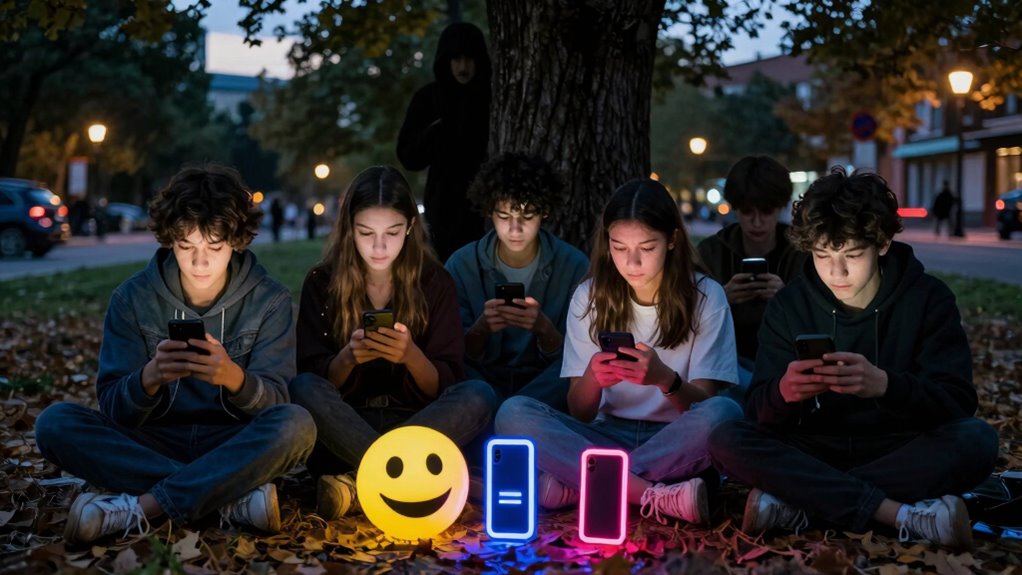
Popular challenges may seem fun, but they often hide serious risks. You might face health dangers, peer pressure to participate, or safety hazards you didn’t see coming. It is crucial to be aware of these hidden dangers before jumping in. Additionally, engaging in unregulated activities can lead to unsolicited bulk email issues that damage your online reputation and trust. Since many challenges occur on social media platforms that lack proper oversight, participants often underestimate the potential for cybersecurity vulnerabilities that can compromise personal information. Furthermore, the integration of smart home technology with connected devices can inadvertently expose devices to security breaches, putting your entire smart home at risk. Regular appliance maintenance plans can help prevent some of these vulnerabilities by ensuring devices operate safely and efficiently. Being informed about modern kitchen technology can also help you recognize and mitigate risks associated with connected appliances and ensure your smart devices remain secure.
Hidden Health Risks
While many challenges seem harmless or even fun, they can hide serious health risks that aren’t immediately obvious. Participating in risky challenges can negatively impact your mental health, leading to anxiety, depression, or feelings of guilt if things go wrong. The constant peer influence pushes you to prove yourself, often encouraging you to ignore warning signs or personal limits. These challenges may cause physical injuries or long-term health issues, but the mental toll is just as damaging. You might not see the immediate consequences, but the stress and regret can linger. It’s essential to recognize that what looks like a simple trend can carry hidden dangers, affecting both your body and mind in ways that aren’t always visible right away. For example, engaging in popular Ice Cream and Diarrhea challenges without understanding your own tolerance can lead to digestive issues or discomfort later. Additionally, participating in extreme water-related challenges without proper precautions can result in drowning or dehydration.
Peer Pressure Influence
Have you ever felt pressured to join a challenge just because your friends are doing it? That’s peer influence at work, fueled by social pressure to fit in. It’s easy to overlook how strong this influence can be, pushing you to act against your better judgment. When peer pressure is strong, it can make you underestimate the potential harm of risky challenges because the desire to belong outweighs safety concerns. You might ignore safety risks to keep up with your peers. You may feel compelled to perform dangerous stunts just to avoid judgment. Social pressure can make you underestimate potential harm. Peer influence often leads to rushing into challenges without full understanding, especially when the social dynamics are powerful. Recognizing peer pressure influence can help you resist unsafe choices and prioritize your well-being. This subtle force can make you overlook the risks, convincing you that everyone else is doing it safely. Being aware of peer influence can empower you to make safer decisions and resist the urge to participate in risky online challenges. Additionally, awareness of social psychology can help you see through these pressures and maintain a safer perspective. Recognizing social pressure helps you stand firm and think twice before joining risky online challenges.
Unseen Safety Hazards
Peer pressure can push you to join challenges without fully considering the risks involved. Many safety misconceptions surround popular online challenges, making them seem harmless or even fun. This distorted perception of risk can lead you to underestimate potential dangers, like injuries or lasting health issues. This is especially true when the activities involve physical exertion, which can be more hazardous than they appear. Because you might not see immediate consequences, your risk perception becomes skewed, and you believe the challenge is safe. Unfortunately, unseen hazards often hide behind these activities—like dehydration, physical harm, or emotional trauma—that aren’t obvious at first glance. Additionally, the lack of visible consequences can make it harder to recognize when a situation is dangerous, especially when Free Floating hazards are involved. Recognizing that hazard perception can be compromised by excitement or peer influence is crucial for staying safe. Staying aware of your surroundings and understanding hidden dangers can significantly reduce the likelihood of injury or health issues. It’s essential to assess each challenge carefully, rather than assume safety based on appearances or peer approval.
How Small Hazards Turn Into Serious Risks Over Time

Small hazards often seem harmless at first, but they can gradually escalate into serious risks if ignored. You might overlook warning signs until it’s too late, thinking everything is under control. Recognizing how risks build over time helps you stay alert and avoid bigger dangers. Being aware of early warning signs can make a crucial difference in preventing potential disasters. Additionally, understanding support breakfast options can promote better well-being, helping you stay vigilant against overlooked hazards. Regularly monitoring device vulnerabilities can further prevent small issues from turning into major security breaches. Incorporating traditional wellness practices can also strengthen resilience and awareness in daily routines.
Gradual Escalation of Risks
Even minor online challenges can gradually escalate into serious risks if left unaddressed. Peer influence plays a big role as you see others participating, making the challenge seem harmless. Online anonymity encourages risky behavior because you feel less accountable. Over time, small dares or comments can lead to more dangerous actions, like sharing personal info or engaging in harmful trends. This slow build-up often happens unnoticed until it’s too late. The risk increases as you become desensitized to the potential consequences. Without realizing it, you might cross boundaries you’d normally avoid. Recognizing this gradual progression is key to preventing minor issues from becoming major hazards. Staying aware and cautious helps keep your online experience safe and responsible.
Overlooked Warning Signs
Often, warning signs of growing online risks go unnoticed because they seem insignificant at first. You might see a friend engaging in risky challenges or sharing extreme opinions, but dismiss it as harmless peer influence. Online anonymity can make it easier for individuals to hide their true intentions, encouraging risky behavior without immediate consequences. These small behaviors can escalate over time, leading to more dangerous activities or exposure to harmful content. Pay attention to subtle shifts like increased secrecy, reluctance to discuss online interactions, or peer pressure influencing choices. Recognizing these overlooked warning signs early helps you prevent small hazards from turning into serious risks. Staying alert to peer influence and the effects of online anonymity is key to protecting yourself and others.
How Social Media Algorithms Make Dangerous Challenges Trend
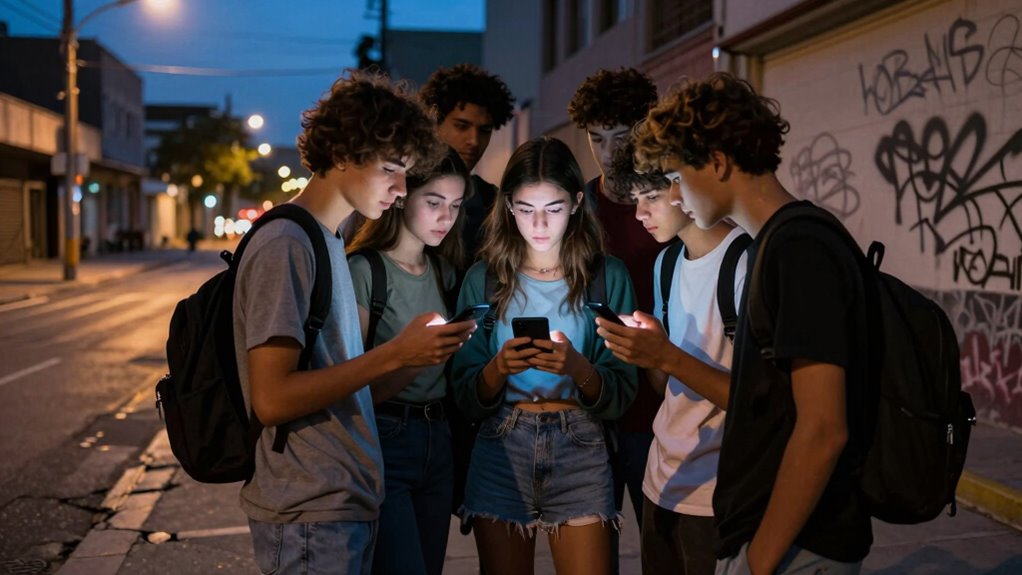
Social media algorithms play a significant role in fueling the spread of dangerous challenges by promoting content that gains rapid engagement. Through algorithm manipulation, platforms prioritize viral content that captures attention quickly. When a challenge starts gaining traction, the algorithm pushes it to more users, increasing visibility exponentially. You might notice:
Social media algorithms rapidly amplify dangerous challenges, making risky trends seem popular and widespread.
- Content with sensational titles or shocking visuals
- Repeated videos encouraging participation
- Influencers sharing risky behaviors for likes
- Rapid, widespread sharing across multiple platforms
This cycle makes risky challenges seem popular and accepted, even if they’re dangerous. The algorithms don’t differentiate between safe and harmful content; they simply reward what engages users. As a result, these challenges spread faster and wider, often before anyone recognizes the risks involved.
How to Recognize Warning Signs a Challenge Is Turning Harmful
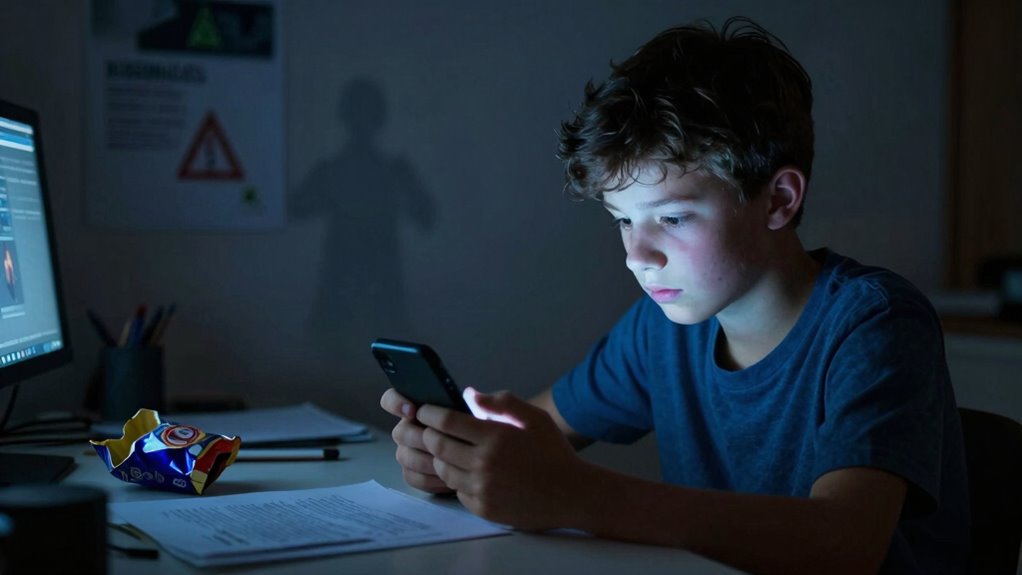
As dangerous challenges gain popularity through viral sharing and algorithm promotion, it’s important to stay alert for warning signs that a challenge may be turning harmful. One key indicator is peer influence; if friends or online groups encourage risky behavior without considering safety, it’s a red flag. Additionally, watch for signs of online manipulation, such as peer pressure disguised as encouragement or subtle coercion to participate. If the challenge starts to involve extreme actions or if participants seem pressured or hesitant, it’s time to reassess. Recognizing these signs early can help you avoid getting caught in a harmful situation. Stay critical of the motivations behind the challenge and question whether peer influence or online manipulation is pushing you toward unsafe behavior.
Why Participants Often Don’t Realize They’re in Danger
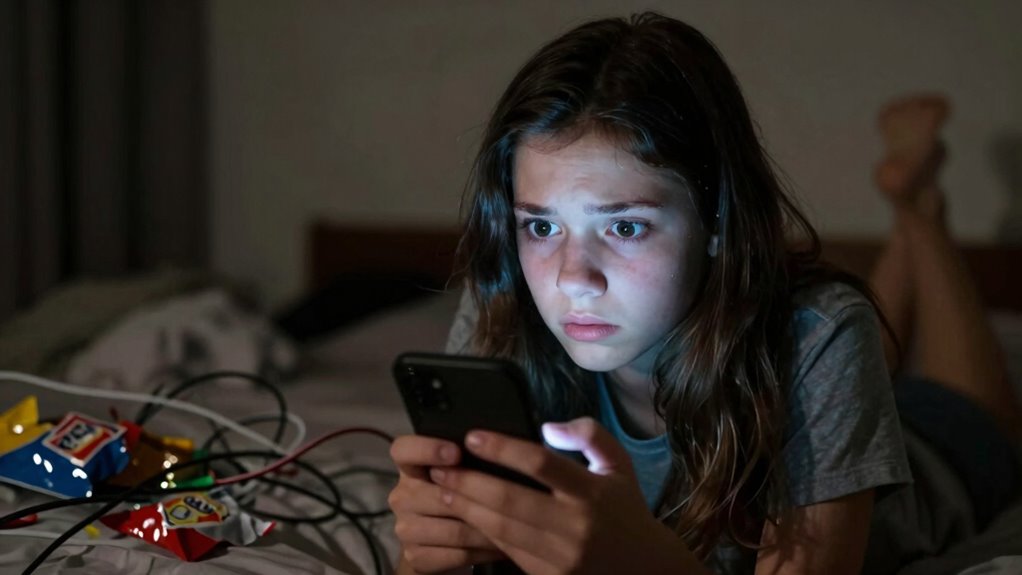
Many participants don’t realize they’re in danger because the challenge’s appeal, peer influence, and online manipulation can cloud their judgment. This creates a perception gap where risks seem distant or manageable. Their risk ignorance grows as they focus on social approval or thrill, ignoring warning signs.
- They see others participating without consequence, normalizing risky behavior
- The excitement masks potential dangers, making threats seem irrelevant
- Peer pressure pushes them to ignore safety signals
- Online manipulation distorts their understanding of real risks
Because of these factors, you might underestimate danger, believing it’s just harmless fun. This perception gap keeps you from recognizing how close you are to harm, making danger seem less immediate or real.
Real Cases of Challenges That Became Risky Without Warning
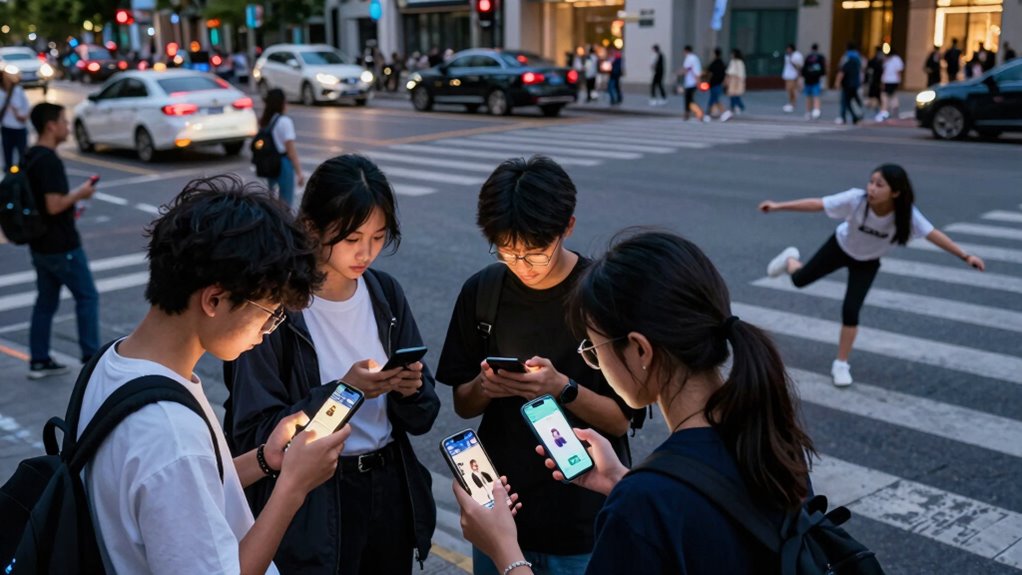
Real-life incidents show how online challenges can suddenly turn dangerous without warning signs. Often, peer influence and online peer pressure push participants to go further than they initially intended. For example, teens may start with simple dares but feel compelled to escalate due to their friends’ reactions or the desire for social approval. In some cases, individuals participate in risky acts, like dangerous stunts or ingesting harmful substances, simply to fit in or avoid being mocked. The pressure from peers online can cloud judgment, making dangerous activities seem normal or even necessary. Without clear warning signs, participants might not realize how risky their actions are until it’s too late. These cases highlight how peer influence can transform seemingly harmless challenges into serious threats.
Simple Strategies to Raise Awareness and Prevent Dangerous Challenges
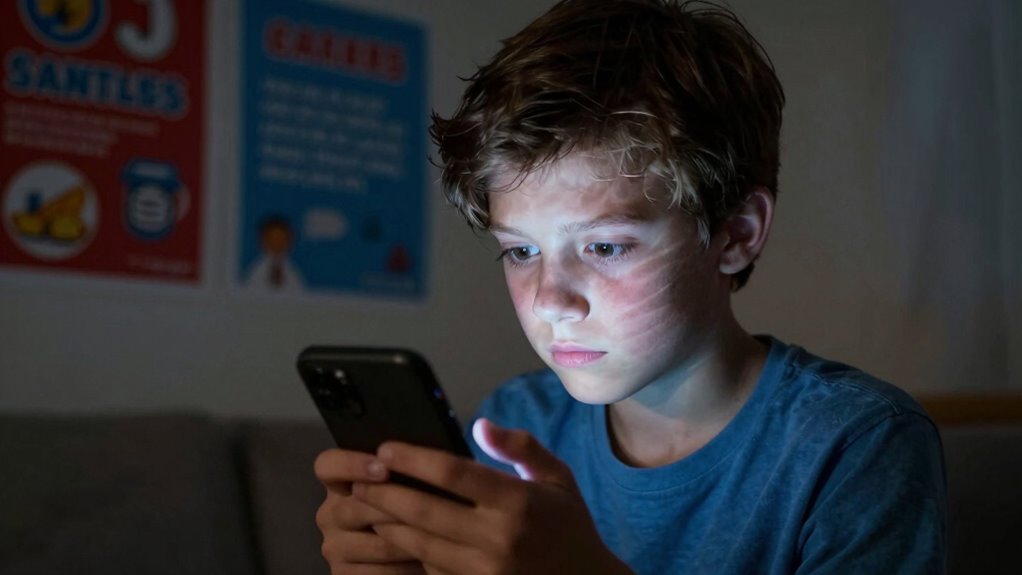
Raising awareness about online challenges begins with education and open communication. You can help prevent risky behaviors by encouraging honest conversations with peers and trusted adults. Recognize the power of peer influence within online communities, where trends spread rapidly and sometimes dangerously. To promote safety, consider these strategies:
- Educate yourself and others about the signs of harmful challenges
- Foster open discussions about peer pressure and risky behaviors
- Share reliable resources within online communities to debunk myths
- Encourage critical thinking before participating in viral trends
What You Can Do to Stay Safe and Protect Others From Hidden Risks

To stay safe and protect others from hidden risks associated with online challenges, you need to stay vigilant and informed. Recognize how peer influence can pressure you into participating in risky challenges, even when they seem harmless. Be aware that online anonymity often emboldens individuals to push boundaries or encourage dangerous behavior without immediate consequences. Always question the motives behind a challenge and consider how it might affect your safety and well-being. Limit sharing personal information and avoid engaging with content that promotes risky activities. Encourage friends and peers to think critically and speak out against harmful trends. By staying conscious of peer influence and the effects of online anonymity, you can better protect yourself and others from hidden dangers.
Frequently Asked Questions
What Psychological Factors Make Users More Susceptible to Risky Challenges?
You’re more susceptible to risky challenges because peer pressure pushes you to fit in and seek approval. Thrill-seeking tendencies also play a role, as you crave excitement and adrenaline. When you see others participating, you’re more likely to follow suit, especially if you want to impress or belong. The combination of social influence and your desire for thrill makes it easier to ignore potential dangers and take risky actions online.
How Do Peer Influences Affect Participation in Dangerous Online Trends?
Peer influence can be a powerful force, almost like a magnet pulling you into dangerous online trends. You might feel intense peer pressure to participate, driven by the desire for social validation and acceptance. When your friends or online communities endorse risky challenges, it’s easy to overlook the dangers. This social validation fuels your urge to join, making you less likely to recognize the potential harm until it’s too late.
Are There Demographic Groups More at Risk of Engaging in Harmful Challenges?
You’re more at risk of engaging in harmful online challenges if you’re in younger age groups, especially teens and young adults, because you’re more impressionable and seek peer approval. Cultural backgrounds also influence your likelihood, as certain communities may face greater pressure or normalization of risky behaviors. Stay aware of these factors, and always think critically before participating in any challenge to protect your well-being.
What Role Do Influencers Play in Promoting or Discouraging Risky Challenges?
Influencers play a significant role in shaping challenge trends through their impact and promotion strategies. When they endorse risky challenges, their large followings often imitate their actions, increasing danger. Conversely, influencers who discourage harmful behaviors can influence their audience to stay safe. Your awareness of influencer impact helps you recognize when promotion strategies are encouraging risky activities, empowering you to make safer choices and even advocate for responsible online behavior.
How Can Parents and Educators Better Monitor Online Challenge Participation?
You can better monitor online challenge participation by fostering digital literacy and maintaining active parental supervision. Encourage open conversations about online risks, teaching kids to recognize dangerous challenges. Use monitoring tools and set boundaries on screen time, making sure you’re aware of their online activities. Stay engaged and involved, so you can quickly identify and address risky behaviors, ensuring they understand responsible digital engagement.
Conclusion
So, next time you jump into a trending challenge, remember how easily fun can turn into danger—sometimes without you even noticing. Ironically, the very tools that connect us can also hide risks behind viral smiles. Stay alert, trust your instincts, and don’t let the hype blind you. After all, what seems harmless today could be tomorrow’s hidden hazard. Protect yourself and others—because in the world of online challenges, safety shouldn’t be optional.