

Relatable content spreads widely because it taps into your subconscious biases and need for social validation. When you see familiar experiences, your brain highlights them using shortcuts like the availability heuristic, making these moments stand out and feel more significant. Sharing such content reinforces your sense of belonging and confirms you’re not alone. If you want to understand the deeper reasons behind this phenomenon, keep exploring how these psychological mechanisms shape what goes viral.
Key Takeaways
- Relatable content activates cognitive biases like the availability heuristic, making experiences more memorable and shareable.
- Social validation through likes and comments reinforces perceptions of shared experiences, encouraging further sharing.
- Psychological mechanisms such as emotional memory and social proof amplify the spread of content.
- Content that resonates activates validation needs, fostering a sense of belonging and collective understanding.
- Recognizing these psychological factors helps create and interpret content that naturally goes viral.

Have you ever found yourself laughing at a meme or story because it feels like it was made just for you? That’s not a coincidence. It’s a reflection of how your mind works—specifically, how cognitive biases and social validation influence what we find relatable. When content hits close to your personal experiences or feelings, your brain recognizes it quickly, triggering a sense of connection. This isn’t random; it’s rooted in cognitive biases that shape your perceptions and judgments.
One key bias at play is the “availability heuristic,” which makes you more likely to notice things that resonate with your own life. When you see a joke about procrastination or a struggle with morning alarms, your brain relates it to your own experiences. Because these moments are vivid and memorable, they stand out, and you’re more inclined to share or react strongly to them. This bias amplifies the feeling that the content was made just for you, reinforcing your sense of belonging or understanding. Additionally, emotional memory plays a role by making certain relatable moments more impactful and easier to recall, further strengthening your connection to the content. Recognizing how cognitive biases influence our perceptions can help us see why certain stories or memes gain such widespread appeal. Moreover, the tendency of the mind to seek confirmation bias further enhances the perception that these relatable moments are universally shared, fueling their virality.
Social validation also plays an essential role. When you see others engaging with the same content—liking, commenting, sharing—it creates a feedback loop. Your brain interprets this as proof that your feelings or experiences are common, normal, or shared by others. This validation boosts your confidence in your own perspective, making the content even more relatable. It’s a form of social proof that convinces you, subconsciously, that your thoughts or struggles are not unique but part of a larger community. As a result, you’re more likely to feel connected and validated, which encourages further engagement. The social proof effect is especially powerful because it taps into our innate desire for social connection and acceptance.
Furthermore, understanding the psychological mechanisms behind relatable content can help you see why it has such viral potential. Relatable content spreads because it taps into these psychological mechanisms. You see others reacting and feel compelled to join in, reinforcing the idea that your experiences are valid and shared. This mutual reinforcement makes content go viral because it creates a sense of collective understanding. When you find something relatable, you want to share it, not just because it’s funny or clever but because it affirms your identity and feelings within a social context. Recognizing these mechanisms can also help content creators craft messages that resonate on a deeper level.
Understanding this psychology gives you insight into why certain posts, memes, or stories resonate so deeply and spread so widely. It’s not just about the content itself but about how it activates your cognitive biases and taps into your need for social validation. By recognizing these patterns, you can better understand your reactions and the viral nature of “relatable” content that seems to connect millions of people across different backgrounds.

Off to Regulate Emotions Funny Goose On Scooter Meme Tote Bag
Funny mental health design featuring a cute duck wearing a backpack and riding a scooter holding coffee with…
As an affiliate, we earn on qualifying purchases.
As an affiliate, we earn on qualifying purchases.
Frequently Asked Questions
How Does Humor Influence the Spread of Relatable Content?
Humor amplifies relatable content by making it more engaging and shareable. When you find something funny, you’re more likely to share it, fueling viral humor. Humor boosts emotional connection, encouraging others to relate and pass it along. This contagious laughter spreads quickly across platforms, increasing the content’s reach. So, humor acts as a catalyst, turning simple relatable moments into viral humor that resonates widely and spreads effortlessly.
Why Do Some People Feel More Connected to Certain Relatable Posts?
You feel more connected to certain relatable posts because they tap into your personal identification and evoke emotional resonance. When a message mirrors your experiences or feelings, it creates a powerful sense of understanding and belonging. This emotional link makes you more likely to engage, share, and feel seen. The deeper the personal connection, the stronger your attachment, turning a simple post into a shared experience that resonates deeply within you.
Can Cultural Differences Affect What Is Considered Relatable?
Cultural differences definitely influence what you find relatable, as cross-cultural humor varies widely. What’s funny or relatable in one culture might not resonate in another, affecting global relatability. You might connect more deeply with content that reflects shared experiences across cultures, but humor and social norms shape perceptions. Recognizing these differences helps you understand why some posts go viral locally but not globally, emphasizing the importance of cultural sensitivity in content creation.
How Does Social Media Algorithms Impact the Popularity of Relatable Content?
Social media algorithms boost the popularity of relatable content by prioritizing posts with high emotional resonance. When your content taps into shared experiences, algorithms recognize the engagement—likes, shares, comments—and amplify its reach. This creates content virality, as more people see and relate to it. Your relatable posts resonate emotionally, encouraging others to share, which fuels the cycle and makes the content spread rapidly across platforms.
What Role Does Nostalgia Play in Making Content More Relatable?
Nostalgia acts like a key opening emotional resonance, making your content more relatable. When you tap into memory triggers from the past, you evoke feelings that resonate deeply within your audience. This emotional connection creates a sense of shared experience, making viewers feel understood and connected. By leveraging nostalgia, you foster a powerful bond that compels people to share your content, spreading it effortlessly across social media.
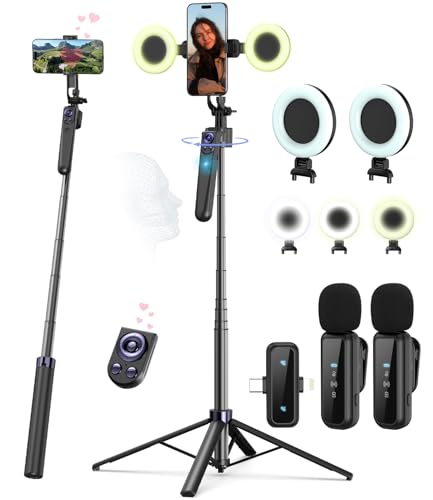
Vlogging Kit for iPhone/Android, 63”Auto Face Tracking Tripod for iPhone with Light, Wireless Microphones, Scrolling Remote Control for TikTok, Content Creator Kit for YouTube Starter
Complete Vlogging Kit: Designed for content creators, this kit includes a face-tracking tripod for iPhone, professional microphone, and…
As an affiliate, we earn on qualifying purchases.
As an affiliate, we earn on qualifying purchases.
Conclusion
As you scroll, remember that “relatable” content is like a mirror reflecting your own quirks and struggles, creating a silent bond that pulls you in. It’s the shared human experience painted in pixels, turning fleeting moments into a collective heartbeat. When you see yourself in it, you’re not alone—you’re part of a vast, interconnected web where understanding and empathy grow quietly, like roots beneath the surface, holding us all together in this digital world.

AI PROMPTS FOR VIRAL CONTENT GROWTH: Unlocking Proven Strategies to Skyrocket Engagement, Reach, and Online Influence
As an affiliate, we earn on qualifying purchases.
As an affiliate, we earn on qualifying purchases.

Unbiased: 50 Cognitive Biases That Shape How You Think, Decide, and See the World
As an affiliate, we earn on qualifying purchases.
As an affiliate, we earn on qualifying purchases.