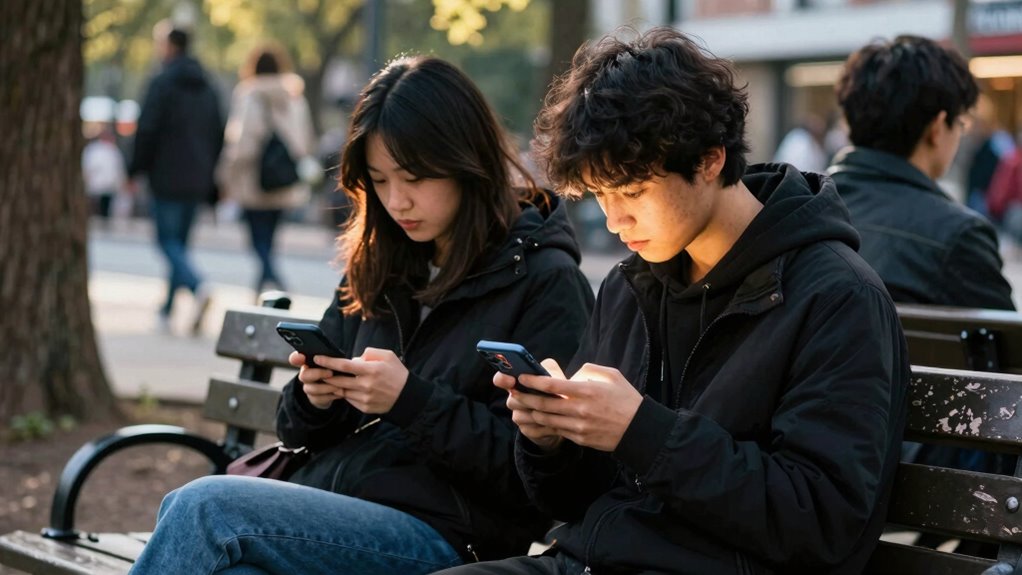

Internet language changes your real-world conversations by influencing your tone, vocabulary, and social interactions. You start using emojis and meme-inspired phrases to express emotions and reactions quickly. Slang and shortened sentences make your speech more casual and spontaneous, reflecting online culture. This blending of digital and face-to-face language often blurs traditional boundaries and helps you adapt to new social norms. Keep exploring to discover how these shifts impact your everyday communication styles.

Prime made for students and young adults
- Fast, free delivery for dorm and study essentials
- Prime Video and Amazon Music included
- Member-only deals
Key Takeaways
- Internet language introduces slang and abbreviations that are increasingly used in everyday speech.
- Emojis and memes add emotional nuance and shared cultural references to face-to-face conversations.
- Online communication promotes a casual, concise, and spontaneous conversational style in real life.
- Digital culture influences how people express themselves, blending online and offline language norms.
- Awareness of these shifts improves understanding and adaptability in both digital and real-world interactions.
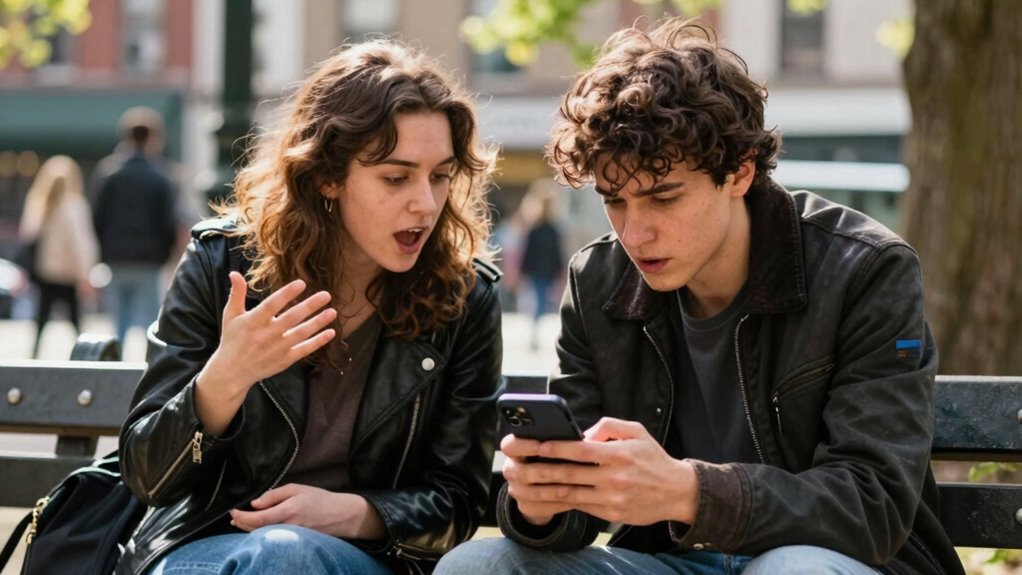
Have you ever wondered how the slang and shorthand from online chats influence the way you speak in real life? It’s a common experience, especially if you spend a lot of time messaging or browsing social media. Online language evolves rapidly, and you might find yourself casually dropping phrases or expressions that originated in digital spaces. One clear example is emoji slang. You know those little icons — smiley faces, thumbs-ups, or even quirky symbols — that you use to add emotion or nuance to your messages? Over time, they’ve seeped into everyday conversations, helping you express feelings without saying a word. A simple 😀 can replace a verbal smile, and a 👍 can substitute for agreement. This isn’t just about convenience; it’s about shaping how you communicate your mood instantly, often replacing more traditional ways of expressing emotion.
Meme influence also plays a significant role in how your speech evolves. Memes, with their humor and shared cultural references, infiltrate daily conversations and even casual chats. When you quote a meme or use its language, you’re tapping into a collective understanding, which can make you feel more connected to others who get the reference. These meme-inspired phrases often carry a tone or humor that’s become part of your vernacular, influencing how you describe situations or express reactions. For example, a phrase like “That’s a whole mood” or “No cap” might originate online but quickly become part of your spoken language. It’s natural for these expressions to spread from tweets or TikTok clips into your real-world conversations, blurring the lines between digital and offline interactions.
This influence isn’t limited to vocabulary; it also impacts your tone and style of communication. The casual, punchy style typical of internet language encourages brevity and immediacy. You might find yourself using shorter sentences or slang that feels more natural than formal speech. Over time, this can make your everyday conversations feel more relaxed and spontaneous, mirroring the quick-paced, meme-driven culture of online spaces. The lines between digital and face-to-face language continue to blur, and you might not even notice how much your online interactions shape the way you speak in person. Recognizing this influence helps you understand how modern communication constantly adapts and evolves, influenced heavily by the vibrant, ever-changing world of internet language. Additionally, understanding the role of digital culture in shaping communication styles can help you navigate and adapt to these changes more consciously. This ongoing evolution of online language highlights how interconnected our digital and real-world interactions have become, influencing social dynamics in subtle yet profound ways.
Furthermore, being aware of these language shifts allows you to better interpret and respond to communication styles, both online and offline.
As an affiliate, we earn on qualifying purchases.
Frequently Asked Questions
How Quickly Do Internet Slang Trends Spread Globally?
You notice how quickly internet slang trends spread globally, often within hours or days. Viral memes and emoji evolution play a huge role, as they rapidly gain popularity across platforms like TikTok and Twitter. When a meme or new emoji catches on, it’s shared and adapted worldwide, making slang trends feel instant. This fast-paced exchange shapes real-world conversations, blending online culture with everyday talk almost immediately.
Do Younger Generations Adopt Internet Language More Than Older Ones?
You notice that younger generations adopt internet language more quickly than older ones. Their age-related language adaptation makes them more receptive to new slang and digital expressions, reflecting their comfort with technology. They often prefer generational slang, which helps reinforce their identity and peer connection. Older people tend to be more cautious, sticking to traditional language, but over time, some internet slang gradually influences their speech and communication styles.
Can Internet Language Influence Formal Communication Skills?
Yes, internet language can influence your formal communication skills. You might worry it dulls your ability to maintain a formal tone and hampers communication clarity. However, if you’re mindful, you can balance casual online expressions with professional language. Using internet slang sparingly helps you adapt to different contexts, ensuring your communication remains clear and polished when it truly matters, without losing your authentic voice.
Are There Cultural Differences in Internet Language Usage?
Yes, there are cultural differences in internet language usage. You might notice that cultural communication styles influence how people adapt language online. For example, some cultures prefer formal or respectful expressions, while others favor casual slang and emojis. These adaptations reflect local norms and language preferences, highlighting how internet language evolves differently across cultures. This variation enriches global communication, but also requires you to stay aware of cultural nuances.
How Do Internet Language Changes Affect Language Learning?
Research suggests internet language fosters language innovation, which can both challenge and enhance your language learning. As digital literacy grows, you might struggle with formal language rules but benefit from understanding slang and abbreviations. These changes help you stay current and adaptable, but they could also create confusion in traditional settings. Embracing internet language’s evolution allows you to adapt, but balancing it with formal language skills remains essential for thorough learning.
As an affiliate, we earn on qualifying purchases.
Conclusion
Just like a river shapes the land it flows through, internet language continuously molds real-world conversations. You might notice yourself dropping emojis or abbreviations in person, making interactions feel more casual and immediate. As digital slang seeps into everyday talk, it’s clear that online language isn’t just a trend—it’s a wave transforming how you connect with others. Embrace these changes, because just like a river, language always finds new paths to flow.
casual speech language learning book
As an affiliate, we earn on qualifying purchases.
As an affiliate, we earn on qualifying purchases.
digital communication style guide
As an affiliate, we earn on qualifying purchases.
As an affiliate, we earn on qualifying purchases.
Evergreen bestsellers Picks
bestsellers
As an affiliate, we earn on qualifying purchases.