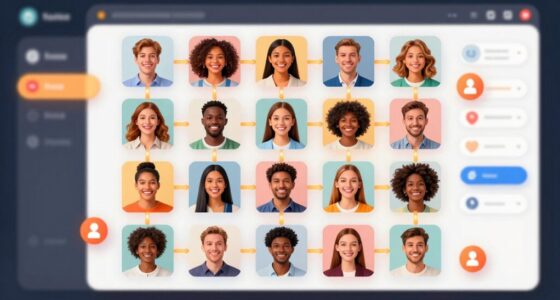

Parasocial relationships are one-sided bonds with media figures, like influencers or celebrities, that feel surprisingly real. You might feel a sense of closeness, trust, and emotional connection through content, social media, or live streams, even though there’s no direct interaction. These bonds often fulfill social needs and create the illusion of intimacy. If you’re curious about how these connections develop, how they impact your mental health, or tips to keep boundaries, keep exploring.
Key Takeaways
- Parasocial relationships are one-sided bonds where individuals feel connected to media figures despite no direct interaction.
- Authentic content and vulnerability foster perceived intimacy, making online relationships feel real and personal.
- Consistent online presence and real-time responses deepen emotional engagement and perceived closeness.
- These bonds can provide comfort and companionship but may lead to emotional dependency if over-invested.
- Recognizing signs of unhealthy attachment helps manage boundaries and maintain healthier online social interactions.
What Are Parasocial Relationships and How Do They Form?

Parasocial relationships are one-sided connections that you form with media figures, such as celebrities, influencers, or characters. These bonds often stem from your celebrity admiration, where you feel a sense of closeness or familiarity with someone you’ve never met. These relationships may fulfill certain social needs, providing comfort and companionship in a way that mimics real interactions. Fandom communities amplify this feeling, as they bring like-minded fans together, sharing experiences and expressing support. Over time, watching a celebrity’s posts, interviews, or performances helps you develop a sense of intimacy, even though the relationship remains unreciprocated. You might feel as if you truly know the person, creating emotional investment. These relationships satisfy social needs and provide entertainment, making media figures feel like friends or trusted confidants. It’s a way to connect deeply without direct interaction. Additionally, the visual connection created through media content can intensify feelings of closeness and familiarity, further strengthening the parasocial bond. Recognizing the social-science behind these bonds can help supporters and industry professionals better understand their emotional significance and impact. Understanding these dynamics can also explain why some people develop attachment styles towards media personalities, similar to real-life relationships. Moreover, the emotional investment involved can influence viewers’ perceptions and behaviors toward the media figures they follow.
Why Do We Develop Strong Connections With Online Personalities?
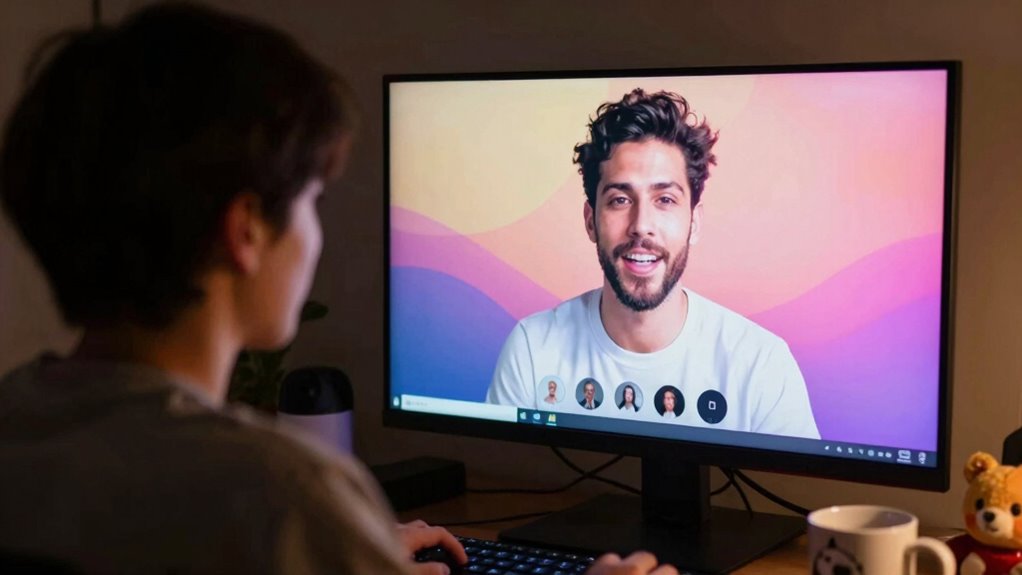
You might find yourself feeling more emotionally engaged with online personalities because their content feels personal and relatable. Perceived intimacy grows as they share details about their lives, making the connection feel real. Their accessibility and constant availability also make it easy to stay connected and build stronger bonds. In some cases, this emotional connection can resemble trust in financial markets, influencing how deeply we invest ourselves in online relationships. Additionally, the validity of psychological assessments can shed light on why certain personalities resonate more strongly with specific content creators, further deepening the sense of connection and shared purpose. Recognizing the credibility of online sources can also impact our perception of these relationships, affecting how genuine they feel. Understanding media literacy helps us assess the authenticity of online content and the intentions behind it.
Emotional Engagement Levels
People often form strong emotional bonds with online personalities because these relationships fulfill a basic human desire for connection and understanding. The emotional intensity of these interactions can be surprisingly high, drawing you into a deeper sense of attachment. As you follow their content consistently, you begin to feel more engaged, experiencing feelings that mirror real-life relationships. This attachment depth makes you care about their experiences, struggles, and successes. The emotional engagement level amplifies as you interpret their messages and videos, creating a sense of intimacy despite the digital distance. Recognizing emotional engagement strategies can help explain why these bonds feel so authentic despite their digital nature. Additionally, understanding the importance of digital relationship dynamics can shed light on how these bonds develop over time. Cultivating awareness of emotional engagement can lead to healthier interactions and a clearer understanding of your feelings. Moreover, the quality of content they produce can significantly influence the strength of these emotional connections, making engagement more profound. For instance, consistent personalized messaging can foster a sense of familiarity that deepens emotional bonds.
Perceived Intimacy Development
One reason we develop strong connections with online personalities is that their content often feels personal and authentic, creating a sense of closeness despite the physical distance. This perceived intimacy grows through shared experiences, genuine storytelling, and consistent interactions. When you observe emotional vulnerability from the personality, it fosters mutual trust, making you feel more connected. This authenticity encourages you to open up emotionally and see them as a confidant. The development of perceived intimacy relies on:
- Authentic self-presentation
- Consistent communication
- Sharing personal stories
- Demonstrating vulnerability
Additionally, the feeling of happiness isn’t a destination in these interactions can enhance your emotional investment, making the online connection feel remarkably real. Recognizing the importance of personalized in-home care in promoting emotional well-being can also deepen this sense of connection, as it underscores the value of genuine care and attention in fostering trust and comfort. Moreover, the perceived authenticity of online personalities plays a crucial role in strengthening these bonds, as it aligns with the principles of genuine engagement that foster trust and emotional closeness. Furthermore, the use of trust-building techniques in content creation can significantly amplify feelings of intimacy, as it reinforces the perception of honesty and reliability. Understanding how auditory cues such as tone of voice or sound effects influence emotional responses can also enhance the sense of connection in digital interactions.
Accessibility and Availability
Have you ever noticed how online personalities are always just a click away? This constant accessibility creates opportunities for virtual companionship and deepens digital intimacy. You can connect anytime, no matter where you are, making the relationship feel more immediate and personal. This availability fosters a sense of closeness that traditional relationships might lack. Here’s a quick comparison:
| Aspect | Traditional Relationships | Online Personalities |
|---|---|---|
| Accessibility | Limited by time and location | 24/7, instant access |
| Interaction Speed | Scheduled or infrequent | Real-time, immediate responses |
| Emotional Bonds | Develop gradually | Rapid, often intense |
| Digital Intimacy | Less prevalent | Central to the connection |
| Virtual Companionship | Less common | Easily available |
This constant presence makes you feel connected, fostering stronger parasocial bonds.
The Psychology Behind Parasocial Bonds

What makes us form such deep connections with media personalities despite knowing they’re just strangers on a screen? It’s driven by the need for social connection and emotional fulfillment. Parasocial attachment develops as you project feelings onto these figures, filling social gaps. Over time, this can lead to emotional dependency, where their presence becomes essential to your well-being. You may seek comfort in their content during tough times, feeling an intimacy that resembles real-life bonds. This psychological process taps into your innate desire for belonging and understanding. Factors like consistent interaction, relatability, and perceived sincerity strengthen these bonds. Additionally, understanding the Greatest Happiness Principle can help reveal how these online bonds influence our perception of reality and social needs. Recognizing the role of AI-generated content in shaping these relationships can also provide insight into their growing influence.
How Do Streaming Platforms and Social Media Fuel These Bonds?

Streaming platforms and social media platforms create an environment where viewers can interact with media personalities more directly and frequently than ever before. This constant access fosters virtual intimacy, making you feel closer to your favorite creators. Through live chats, comments, and direct messaging, you experience real-time engagement that strengthens social bonding. When a streamer responds to your comment or shares personal stories, it enhances the sense of connection, blurring the line between viewer and personality. These interactions give you the impression of a personal relationship, even though it’s mediated through screens. As a result, platforms facilitate emotional investment by making interactions feel genuine and immediate, deepening the parasocial bonds that make your online relationships feel more real and impactful. Additionally, digital engagement strategies employed by creators amplify these feelings of closeness, encouraging ongoing emotional investment. The design of content delivery on these platforms is often intentional to maximize viewer engagement and foster a sense of community.
How Can You Tell If You’re Developing a Parasocial Attachment?

You might notice yourself feeling emotionally connected to a media figure, even though you don’t know them personally. If you start prioritizing their updates or seeking their attention excessively, it’s a sign of growing attachment. Be mindful if your interest crosses into personal overreach or starts affecting your everyday life.
Recognizing Emotional Investment
As emotional investment deepens, it becomes increasingly noticeable when you start caring more about a media personality’s life than is typical for casual viewers. You may find yourself keenly following their updates, feeling personally affected by their successes or setbacks, or thinking about them frequently. This heightened attachment intensity signals you’re developing a parasocial connection. To recognize this, look for signs like:
- Spending significant time consuming their content
- Feeling genuine happiness or sadness based on their experiences
- Thinking about them as if they’re a real friend
- Prioritizing their life events over your own needs
These behaviors reflect an emotional investment that surpasses casual fandom, indicating you’re forming a deeper parasocial attachment.
Noticing Personal Overreach
When your emotional involvement with a media personality starts to feel intrusive or crosses personal boundaries, it’s a sign you might be developing a parasocial attachment. You may notice yourself overly fixated, wanting constant updates, or feeling upset when they don’t respond. This emotional overreach blurs the line between healthy admiration and boundary violation. To recognize this shift, ask yourself:
| Behavior to Watch For | Boundary Concerns | Feelings Involved |
|---|---|---|
| Obsessive social media checks | Overstepping personal space | Anxiety or jealousy |
| Expecting personal interactions | Ignoring privacy | Overwhelm or guilt |
| Feeling entitled to responses | Disregarding limits | Frustration or disappointment |
Stay aware of these signals to maintain healthy boundaries and prevent emotional overreach.
Are Parasocial Relationships Healthy or Harmful for Your Mental Health?

Parasocial relationships can offer comfort and a sense of connection, especially for those who feel isolated or lonely. However, they can also have drawbacks for your mental health. Relying too heavily on these bonds might lead to social media addiction and emotional dependency, making it harder to form real-life connections. You might find yourself seeking constant reassurance or validation from online figures, which can distort your self-image.
Be mindful of signs like:
- Excessive time spent online
- Neglecting personal relationships
- Feeling anxious without online interaction
- Difficulty distinguishing between online and real-life feelings
While parasocial relationships can provide temporary relief, over-reliance may harm your emotional well-being and hinder genuine social development. Balance is key to maintaining healthy mental health.
How to Maintain Healthy Boundaries With Influencers

Maintaining healthy boundaries with influencers is essential to guarantee your online interactions remain positive and do not negatively impact your well-being. Setting clear digital boundaries helps you control how much time and emotional energy you invest. Boundary setting involves defining what is acceptable in your interactions, such as avoiding overly personal questions or excessive messaging. Remember, influencers are public figures, not personal friends, so keep your expectations realistic. Use tools like muting or unfollowing if certain content feels overwhelming. Respect your limits and recognize when your involvement becomes unhealthy. By establishing these boundaries, you protect your mental health and ensure your parasocial relationship remains a positive, enriching experience rather than a source of stress.
Signs That Your Parasocial Relationship Might Be Unhealthy

Recognizing the signs that your parasocial relationship may be unhealthy is essential for protecting your mental well-being. If you find yourself overly fixated on a celebrity or influencer, it could indicate issues with balance and boundaries. Watch for these warning signs:
- Relying heavily on celebrity gossip to feel connected or validated
- Prioritizing online interactions over real-life relationships
- Feeling intense jealousy or possessiveness over their activities
- Maintaining unwavering fan loyalty despite conflicting behaviors or messages
These behaviors can blur the line between admiration and obsession, potentially damaging your self-esteem. An unhealthy parasocial relationship can lead to emotional dependency, isolating you from meaningful, real-world connections. Be mindful of these signs to keep your mental health in check.
What Researchers Say About Parasocial Relationships and Future Trends

Researchers are increasingly exploring how parasocial relationships influence our social and emotional lives, especially as digital media becomes more embedded in everyday experiences. They note that these relationships can mitigate digital loneliness but also intensify celebrity obsession. Future trends suggest a rise in personalized content, deepening emotional bonds. Researchers predict that virtual interactions will become more immersive, blurring lines between online and offline connections. This evolution may lead to healthier social engagement or exacerbate feelings of isolation. Consider the following:
| Aspect | Future Implication |
|---|---|
| Digital loneliness | Increased reliance on parasocial bonds to feel connected |
| Celebrity obsession | Deeper emotional investment in online personas |
| Personalized content | Enhanced emotional intimacy or detachment |
Understanding these trends helps you navigate online relationships more consciously.
Frequently Asked Questions
Can Parasocial Relationships Lead to Real-Life Friendships?
Parasocial relationships can lead to real-life friendships if you develop mutual trust and emotional investment. As you connect more deeply with someone online, you might find common interests and shared experiences that encourage meeting in person. Over time, these bonds can evolve beyond passive watching or listening, transforming into genuine friendships. Just remember to stay cautious and guarantee trust is mutual before taking steps to meet offline.
How Do Parasocial Bonds Influence Our Self-Esteem?
Parasocial bonds can boost your self-esteem by providing social validation and making you feel connected to someone who understands you. When you relate to a favorite online personality, it can give you a sense of belonging and acceptance, especially if you lack that in real life. These bonds may reinforce positive feelings about yourself, but remember they shouldn’t replace genuine social interactions that build true self-esteem.
Are Certain Personality Types More Prone to Parasocial Attachments?
Yes, certain personality traits and attachment styles make you more prone to parasocial attachments. If you’re more introverted, anxious, or have insecure attachment styles, you might find it easier to form strong bonds with online personalities. These traits can make you seek connection and reassurance through parasocial relationships, providing comfort and familiarity. Recognizing these tendencies helps you understand why some relationships feel more intense or appealing to you.
What Are the Warning Signs of an Obsessive Parasocial Relationship?
Oh, you’re practically best friends with a stranger online? Watch out for warning signs like boundary crossing and emotional dependency. If you find yourself obsessively checking their posts, feeling anxious without their updates, or confusing online admiration with real connection, you’re heading into dangerous territory. Remember, obsessive parasocial relationships blur boundaries and foster unhealthy emotional dependency, making it hard to distinguish between genuine relationships and digital illusions.
How Do Cultural Differences Impact Parasocial Relationship Development?
Cultural differences shape how you develop parasocial relationships, as cross-cultural perceptions influence your expectations and emotional connections. In some cultures, close celebrity-fan bonds are encouraged, while others emphasize emotional boundaries. Globalization effects also play a role, exposing you to diverse media and personalities, which can either deepen or complicate your parasocial ties. Being aware of these cultural influences helps you understand your own behaviors and emotional investments better.
Conclusion
Remember, parasocial relationships are like shadows—bright and enthralling, but not meant to replace real-life connections. When you get too close, they can cast darkness over your well-being. Keep your boundaries firm, and don’t let these digital echoes drown out the genuine voices around you. By staying grounded, you can enjoy the warmth of online bonds without losing sight of the real world’s vibrant, irreplaceable light.