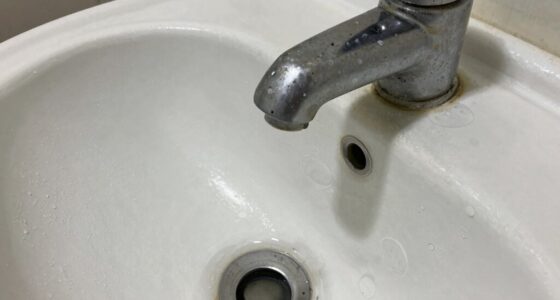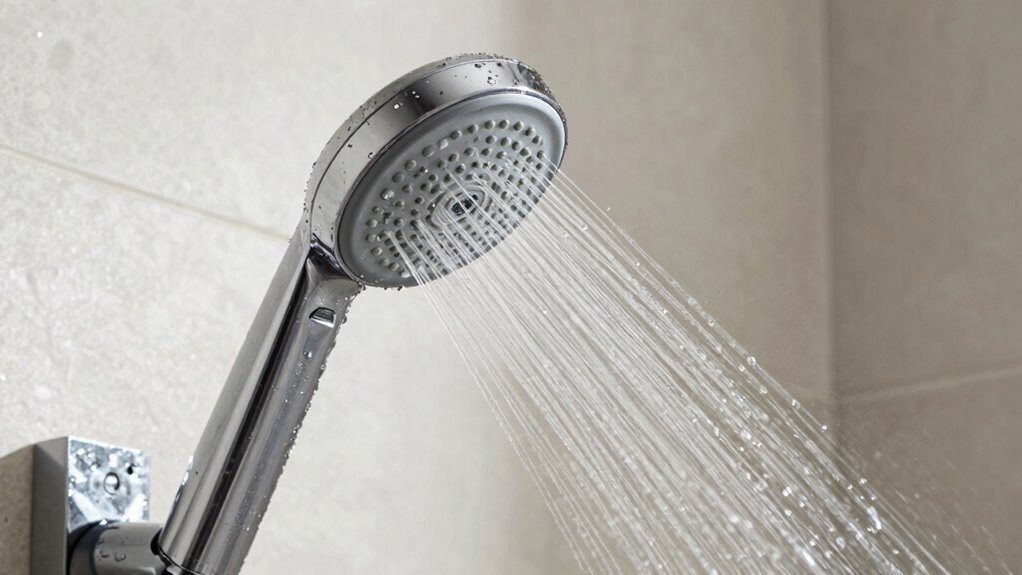

If your shower suddenly feels weak, it could be due to pipe corrosion, blockages, or problems with your pressure regulator that limit water flow. Over time, mineral buildup or rust can narrow pipes, reducing pressure. Clogged aerators or showerheads also restrict flow. Sometimes, the pressure regulator may be stuck or malfunctioning, lowering overall pressure. To fix this, inspect fixtures, consider replacing corroded pipes, or check your regulator—understanding these causes helps you restore strong water flow.
Key Takeaways
- Pipe corrosion over time can narrow internal passages, reducing water flow to showers.
- Faulty or stuck pressure regulators may restrict water pressure unexpectedly.
- Clogged showerheads or aerators block water streams, causing a weak shower feel.
- External issues like municipal supply problems can lower overall household water pressure.
- Regular maintenance, such as cleaning fixtures and inspecting regulators, helps prevent pressure drops.
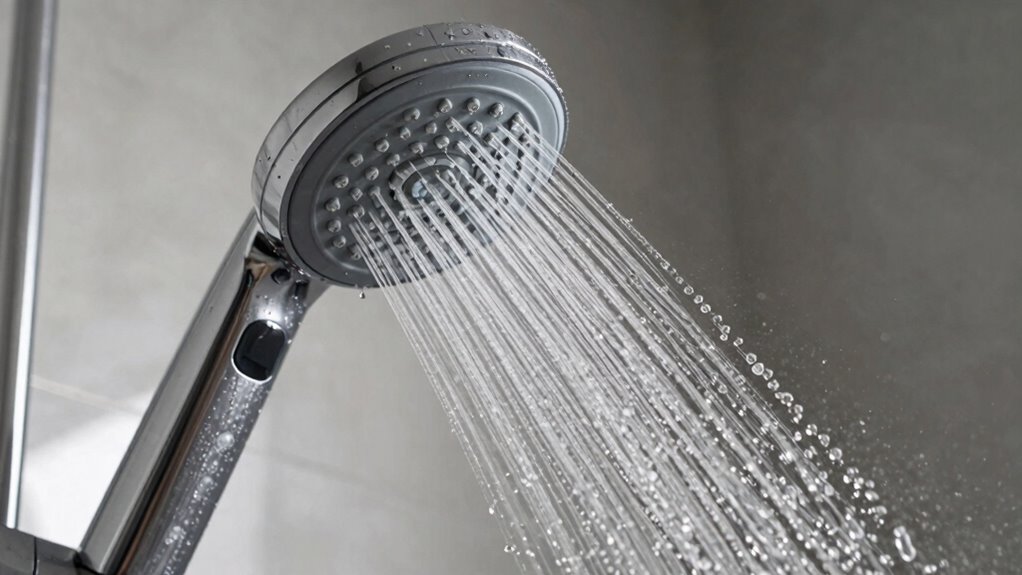
Have you ever noticed your shower taking longer to rinse soap or your faucets delivering weak streams? If so, you might be dealing with a drop in your home’s water pressure. Several factors can cause this, but one common culprit is pipe corrosion. Over time, pipes—especially those made of metal—can corrode from mineral buildup, rust, or general wear and tear. As corrosion worsens, it narrows the internal passageways, restricting water flow and leading to decreased pressure at your fixtures. This reduction makes showers less effective and leaves you frustrated with weak streams.
In many cases, pipe corrosion isn’t immediately obvious, but its effects become noticeable when water pressure drops suddenly or gradually over months. If you haven’t had your plumbing inspected recently, corrosion might have silently compromised your pipes, especially if your home has older plumbing systems. Replacing corroded pipes can restore water flow and improve pressure, but it’s a significant investment that requires professional assessment.
Another common reason for weak water pressure is issues with pressure regulators. These devices sit at the main water supply line and are designed to keep water pressure within safe limits for your plumbing system. If a pressure regulator malfunctions or becomes damaged, it can restrict water flow, causing weak streams from your faucets and showerheads. Sometimes, pressure regulators can get stuck in a closed or partially closed position, especially after water line repairs or if debris blocks their mechanisms. Adjusting or replacing a faulty pressure regulator often restores normal flow, but it’s *essential* to have a professional evaluate whether this is the root cause of your pressure problems.
Sometimes, low water pressure isn’t solely due to pipe corrosion or pressure regulator issues. External factors like municipal water supply problems or a clogged aerator on your faucet can also contribute. Sediment buildup can restrict water flow at the fixture itself, giving the impression of low pressure. Checking and cleaning aerators or showerheads regularly can help prevent these minor blockages from impacting your water flow. Additionally, water quality issues such as mineral deposits can accelerate pipe corrosion and further reduce flow over time.
In essence, if your shower feels weak and your water takes longer to rinse soap, start by inspecting your pressure regulator and considering the age and condition of your pipes. Addressing pipe corrosion might involve professional pipe replacement, while fixing a faulty pressure regulator usually requires adjusting or installing a new one. Regular maintenance, including inspecting fixtures and regulators, can prevent sudden drops in water pressure and keep your home’s water flow consistent. Recognizing these issues early can save you time and money, ensuring your showers are always powerful and satisfying.

Voolan Shower Flow Restrictor Set – Fixed Showerhead Replace Parts -1.8 and 2.5GPM Flow Reducer Limiter + 2 Filter Gaskets + 5 Soft Silicone Nozzles For Shower Head Replacement
Must Check your Holes Diameter size before Order Purchased. This part is suitable for fixed shower head threaded…
As an affiliate, we earn on qualifying purchases.
As an affiliate, we earn on qualifying purchases.
Frequently Asked Questions
How Can I Tell if My Water Pressure Is Too Low?
You can tell if your water pressure is too low by checking your water flow. If your shower or faucet produces a weak stream, it’s a sign. Inspect your pressure regulator, which controls flow; if it’s faulty or set too low, pressure drops. You might notice inconsistent flow or long wait times for hot water. Testing with a water pressure gauge can give a precise reading, confirming if your pressure is below ideal levels.
Does Water Pressure Affect My Water Heater?
Yes, water pressure can affect your water heater’s efficiency. Low pressure means less hot water flow, making your heater work harder and potentially increasing energy costs. Additionally, if your water pressure is too high, it can cause pipe corrosion, leading to leaks and damage. Maintaining proper water pressure ensures your water heater operates effectively, extends its lifespan, and prevents costly repairs caused by corrosion or overworking the system.
Can Water Pressure Issues Cause Plumbing Leaks?
Yes, water pressure issues can cause plumbing leaks. When water pressure is too high, it puts extra stress on your pipes, fittings, and joints, increasing the risk of leaks or even bursts. Conversely, low water pressure might lead to pipes working harder to deliver water, which can cause wear and eventual leaks. Regularly checking and maintaining proper water pressure helps prevent plumbing leaks and keeps your system functioning smoothly.
How Often Should I Check My Home’s Water Pressure?
Ever wonder how often you should check your home’s water pressure? You should perform a pressure gauge check at least once a year, especially if you notice weak showers or inconsistent flow. Conduct a simple flow test to see if your pressure remains steady. Regular checks help catch issues early, preventing plumbing problems and ensuring your home’s water system stays reliable and efficient.
Are There Eco-Friendly Solutions to Improve Water Pressure?
Yes, there are eco-friendly solutions to boost your water pressure. You can install water-saving devices like low-flow showerheads and aerators, which improve flow without wasting water. These devices increase water pressure slightly while conserving resources, making your shower feel stronger and more satisfying. Plus, they help reduce your water bill and environmental impact. It’s a simple, effective way to enhance your shower experience while staying eco-conscious.

Camco Brass Marine/RV Water Pressure Regulator – Protects RV Kitchen Small Appliances, Plumbing & Hoses – Reduces RV Water Pressure to Safe & Consistent 40-50 PSI – Drinking Water Safe (40055)
Protects RV/Marine Plumbing: Keep your RV/marine plumbing safe with this brass Camco water pressure regulator. Safeguard against high-pressure…
As an affiliate, we earn on qualifying purchases.
As an affiliate, we earn on qualifying purchases.
Conclusion
Understanding your home water pressure is like tuning a guitar; when it’s just right, everything feels smooth, but when it’s off, your showers suffer. If your water feels weak suddenly, check for common issues like leaks or clogged aerators. Taking these simple steps can restore your water flow and make every shower feel invigorating again. Don’t let low pressure dampen your day—think of it as a minor hiccup that you can easily fix, just like adjusting a knob.

Aquastrong Whole House Water Pressure Booster Pump 80 PSI, 115V Automatic Variable Speed, Constant Pressure, Integrated Design, Self-Priming, for Home, Apartment, Shower, Garden, Shallow Well,Smart 45
Adjustable Pressure & Speed: Smart 45 is a fully integrated and intelligent water pump designed for domestic boosting….
As an affiliate, we earn on qualifying purchases.
As an affiliate, we earn on qualifying purchases.

AMIZUHE Fiberglass Repair Kit Automotive Exhaust Pipe Repair Wrap 4" X 15ft (1 Roll)
Quick Repair: Fiberglass repair tape is a high-strength, one-time use fiberglass wrap that is impregnated with a special…
As an affiliate, we earn on qualifying purchases.
As an affiliate, we earn on qualifying purchases.