
To keep your espresso machine in top shape, descale it based on your water hardness—typically every 1 to 3 months. Hard water calls for more frequent descaling, around every 4 to 6 weeks, while softer water allows for longer intervals. Always follow your manufacturer’s instructions and avoid household vinegar or harsh chemicals that can damage parts. Staying proactive helps prevent costly repairs and ensures great-tasting coffee—learn more to maintain your machine running smoothly.

Prime made for students and young adults
- Fast, free delivery for dorm and study essentials
- Prime Video and Amazon Music included
- Member-only deals
Key Takeaways
- Descale your espresso machine every 1 to 3 months, depending on water hardness and usage frequency.
- Use manufacturer-recommended descaling solutions and follow their specific instructions.
- Avoid using household vinegar or harsh chemicals, which can damage internal components.
- Test water hardness regularly to determine appropriate descaling intervals and prevent mineral buildup.
- Rinse thoroughly after descaling to remove any residue and maintain optimal machine performance.
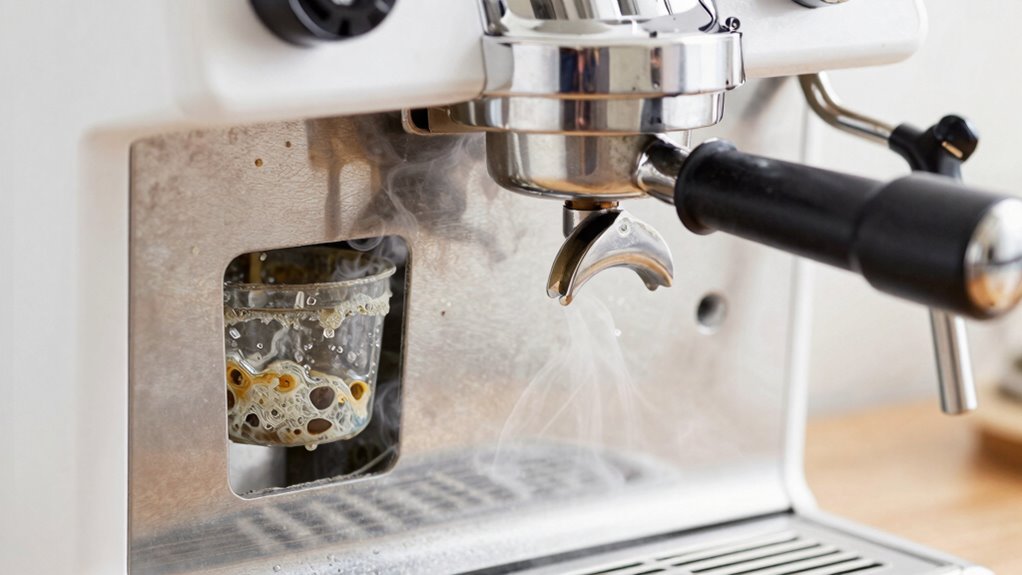
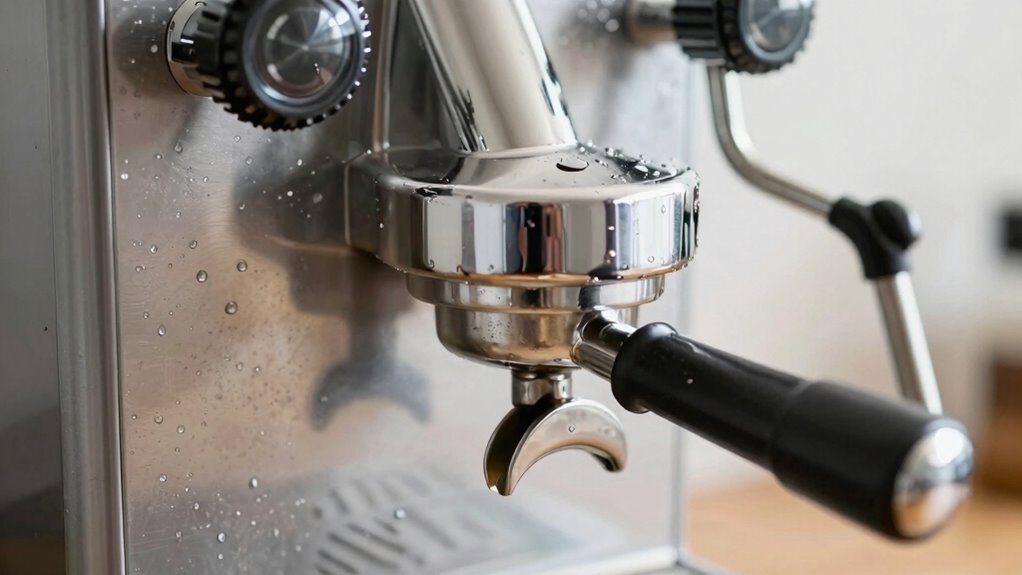
Descaling your espresso machine is essential to keep it functioning at its best and guarantee your coffee tastes fresh. Over time, mineral buildup from water hardness can clog internal components, affecting both flavor and performance. Understanding when to descale depends largely on your water hardness and how often you use the machine. If your water is hard, meaning it contains high levels of minerals like calcium and magnesium, you’ll need to be more vigilant with your descaling frequency. Conversely, if you use soft water, your machine may go longer between descaling sessions. Generally, it’s recommended to descale every 1 to 3 months, but this varies based on your local water quality and usage. Regularly checking the mineral buildup can help you determine when it’s time to descale, preventing costly repairs and ensuring your coffee remains rich and flavorful.
Regular descaling keeps your espresso machine optimal and your coffee rich.
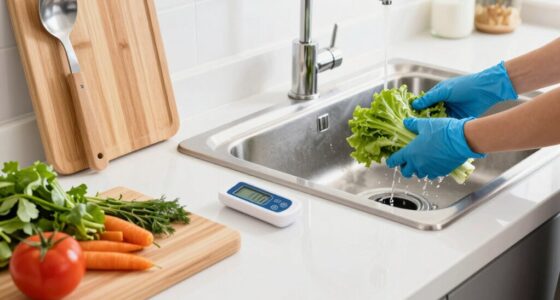
You should start by evaluating your water hardness. Hard water leads to faster mineral accumulation inside your espresso machine, which can cause clogs, reduced efficiency, and even damage if left untreated. Many regions have water reports available, or you can use test strips to measure mineral levels yourself. Once you know your water’s hardness, you can set a descaling schedule tailored to your situation. For example, if you have very hard water, descaling every 4 to 6 weeks might be necessary. If your water is softer, every three to four months could suffice. Ignoring these guidelines might result in mineral deposits that are difficult to remove later, so staying proactive is key. Additionally, employing preventative measures like using filtered or softened water can significantly reduce mineral buildup over time.
When it’s time to descale, always follow the manufacturer’s instructions and use recommended descaling solutions. Avoid using household vinegar or harsh chemicals, as they may damage internal parts. Instead, opt for a proper descaling product designed for espresso machines, which dissolves mineral buildup effectively without harming your equipment. During the process, ensure you run the descaling solution through all water pathways, including the steam wand and brew head. Rinse thoroughly afterward with clean water to eliminate any residue that could affect taste or damage your machine over time. Regular descaling not only prolongs your machine’s lifespan but also maintains optimal brewing temperature and pressure, leading to better coffee.
espresso machine descaling solution
As an affiliate, we earn on qualifying purchases.
As an affiliate, we earn on qualifying purchases.
Frequently Asked Questions
Can Descaling Damage My Espresso Machine’s Internal Components?
Descaling your espresso machine won’t damage its internal components if you follow proper procedures. Using the right descaling solution and avoiding harsh chemicals helps prevent internal corrosion and component degradation. Over-descaling or using improper solutions can cause damage over time. Always read your machine’s manual, stick to recommended descaling intervals, and rinse thoroughly afterward to protect your machine’s internal parts and keep it functioning smoothly.
How Often Should I Replace Descaling Solutions?
You should replace your descaling solution every 1-3 months to keep your coffee machine happy. Think of it as giving your machine a spa day—after all, cleaning frequency impacts solution longevity, so don’t be that person who saves a penny by reusing old stuff. Regularly swapping out the solution prevents buildup and keeps your espresso tasting divine, saving you from costly repairs and bitter brews.
Is Homemade Descaling Solution as Effective as Commercial Products?
Homemade descaling solutions can be effective if you follow proper recipes and safety precautions, but they might not always match the consistency of commercial products. When doing DIY cleaning, verify you use safe ingredients like vinegar or citric acid and avoid harsh chemicals. Always wear gloves and work in a well-ventilated area. While homemade options work for routine maintenance, commercial descalers are often more reliable for thorough cleaning.
Can I Descale My Espresso Machine Without Professional Help?
You can absolutely descale your espresso machine yourself with DIY maintenance, as long as you follow proper steps and use the right descaling solution. Just make certain you carefully read the manufacturer’s instructions and avoid shortcuts that might damage your machine. If you’re unsure or uncomfortable, professional services can handle it safely and thoroughly. Regular descaling keeps your espresso machine in top shape, whether you do it yourself or seek expert help.
Are There Specific Descaling Procedures for Different Machine Brands?
Yes, there are specific descaling procedures for different machine brands. You should always follow the manufacturer guidelines for your espresso machine, as brand-specific maintenance guarantees ideal performance and longevity. Check your user manual or visit the brand’s website for detailed instructions. Using the recommended descaling products and steps tailored to your brand helps prevent damage and keeps your machine running smoothly.
water hardness test strips for espresso machines
As an affiliate, we earn on qualifying purchases.
As an affiliate, we earn on qualifying purchases.
Conclusion
Just like a knight keeps their sword sharp for battles ahead, so must you regularly descale your espresso machine to guarantee every shot is perfect. Ignoring this duty risks corrosion and flavor loss, turning your morning ritual into a quest for mediocrity. Stay vigilant, and your machine will serve up barista-quality brews for years to come. Remember, a well-maintained machine is the secret weapon in your coffee arsenal—because greatness starts with proper care.
As an affiliate, we earn on qualifying purchases.
descaling tablets for coffee machines
As an affiliate, we earn on qualifying purchases.
As an affiliate, we earn on qualifying purchases.
Fall Picks
fall essentials
As an affiliate, we earn on qualifying purchases.