Induction cooktops often make buzzing sounds from electromagnetic fields and vibrations, which are usually normal during operation. Clicking noises can happen when safety features activate or when adjusting settings. However, if you notice persistent, loud sounds, sparks, or burning smells, it could indicate a problem that needs attention. Ensuring your cookware is compatible and in good condition helps keep noises at bay. Keep exploring to learn how to spot issues early and maintain safe, quiet use.

Prime made for students and young adults
- Fast, free delivery for dorm and study essentials
- Prime Video and Amazon Music included
- Member-only deals
Key Takeaways
- Normal buzzing and clicking are consistent, related to electromagnetic activity and safety features; abnormal sounds are louder or persistent.
- Proper, flat-bottomed, compatible cookware reduces noise; mismatched or damaged pots can cause increased buzzing or clicking.
- Regular cleaning and inspection prevent issues; debris or food spills can amplify normal sounds or cause irregular noises.
- Unusual or loud buzzing, clicking, sparks, or burning smells indicate potential malfunctions requiring professional inspection.
- If sounds worsen over time or are accompanied by error messages, seek qualified repair to avoid safety hazards.
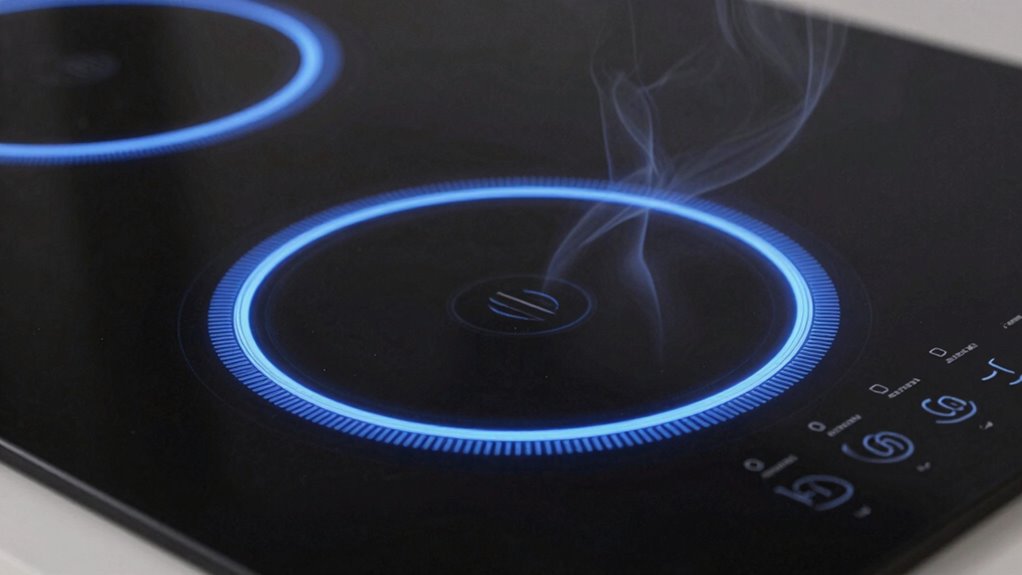
If your induction cooktop starts buzzing or clicking, it can be both distracting and concerning. These sounds are common, but understanding what’s normal versus what signals a problem is key to maintaining safety and performance. First, it’s important to recognize that some noise is expected during regular operation. Buzzing sounds often result from the electromagnetic fields generating heat in your cookware. When the cooktop energizes the cookware, vibrations within the induction coil or metal can produce a consistent buzzing noise. Similarly, clicking sounds may occur when the cooktop’s internal safety features activate, such as when adjusting power levels or switching functions. These sounds are usually part of the normal operation and are not a cause for alarm.
However, persistent or unusually loud buzzing and clicking might indicate a malfunction. In such cases, safety precautions become critical. Always unplug the cooktop before inspecting or cleaning it to avoid electrical hazards. If you notice sparks, burning smells, or the unit not functioning properly alongside the noise, turn it off immediately and seek professional repair. Regular maintenance tips can help prevent issues and keep your cooktop running smoothly. Keep the surface clean and free of debris, as grime or food spills can interfere with the internal components, causing abnormal sounds. Use a soft cloth and gentle cleaners—avoid abrasive materials that could damage the surface. Check for loose or damaged cookware, as mismatched or warped pots and pans can produce irregular noises and strain the appliance. Using compatible, flat-bottomed cookware ensures efficient heat transfer and reduces unnecessary vibrations. Proper cookware compatibility can significantly decrease the likelihood of abnormal buzzing or clicking sounds.
Pay attention to the cookware’s compatibility with your induction cooktop, as incompatible materials may cause clicking or buzzing due to poor contact with the magnetic field. Also, avoid placing heavy or unevenly balanced pots on the surface, which can generate additional noise or stress on the unit. If you notice the buzzing or clicking becoming louder over time, or if it’s accompanied by error messages or temperature malfunctions, contact a qualified technician for inspection. Ignoring abnormal sounds can sometimes lead to more serious damage or safety hazards. Remember, routine maintenance and mindful use are your best defenses—keeping your induction cooktop in good condition not only prolongs its lifespan but also ensures safe, quiet operation.
As an affiliate, we earn on qualifying purchases.
Frequently Asked Questions
Can Induction Cooktops Cause Long-Term Appliance Damage?
Induction cooktops typically won’t cause long-term appliance damage if you perform regular induction maintenance. Proper cleaning and avoiding metal debris help guarantee appliance longevity. However, neglecting maintenance or using incompatible cookware can strain the system, potentially leading to damage over time. You should follow the manufacturer’s guidelines, keep the surface clean, and use suitable pots and pans to protect your induction cooktop and maximize its lifespan.
Are Buzzing Sounds Always Indicative of a Malfunction?
Buzzing sounds aren’t always a sign of trouble; think of them as the heartbeat of your induction cooktop, a natural part of induction maintenance. These sounds, like a gentle hum or clicking, are often linked to sound frequency adjustments or cookware recognition. However, if the noise becomes loud or unusual, it could signal an issue. Trust your instincts and check the user manual to keep your appliance humming smoothly.
How Can I Reduce Clicking Noises During Operation?
To reduce clicking noises during operation, focus on noise reduction techniques like ensuring your cookware is compatible with induction. Use fully flat, smooth-bottomed pots and pans to minimize vibrations that cause clicking. Additionally, keep your cookware clean and properly seated on the surface. If clicking persists, check for loose or damaged components, and consider adjusting the power level to lessen vibrations, resulting in quieter operation.
Do Different Cookware Types Affect Noise Levels?
Different cookware types can affect noise levels during induction cooking, but it’s not always a dealbreaker. If you choose compatible cookware with good conductivity, you’ll notice less buzzing and clicking. To further reduce noise, use noise mitigation techniques like adjusting cookware placement or switching to flatter, thicker-bottomed pots and pans. Ensuring proper cookware compatibility is key to quieter, more comfortable induction cooking experiences.
Is It Safe to Ignore Persistent Buzzing or Clicking?
You shouldn’t ignore persistent buzzing or clicking, as these noises can indicate issues with your appliance’s noise frequency or internal components. Ignoring them might reduce your appliance’s lifespan or cause it to malfunction later. If the sounds continue regularly, it’s best to have a professional inspect your induction cooktop. Addressing these noises early helps guarantee safety, peak performance, and prolongs your appliance’s life.
induction cooktop clicking sound repair kit
As an affiliate, we earn on qualifying purchases.
As an affiliate, we earn on qualifying purchases.
Conclusion
Understanding induction buzzing and clicking is like tuning a delicate instrument—you need to know what’s in tune and what’s out. If the sounds are faint, consistent, and disappear when you turn off the stove, they’re usually normal. But if they grow louder, irregular, or accompanied by other issues, don’t ignore them. Think of your cooktop as a trusted friend; pay attention to the signals it gives, so you can keep your kitchen harmony intact.
compatible flat-bottomed cookware for induction
As an affiliate, we earn on qualifying purchases.
As an affiliate, we earn on qualifying purchases.
induction cooktop safety inspection tools
As an affiliate, we earn on qualifying purchases.
As an affiliate, we earn on qualifying purchases.
Fall Picks
fall essentials
As an affiliate, we earn on qualifying purchases.