
Indoor air quality refers to the cleanliness and safety of the air inside your home or workplace. It includes pollutants like dust, mold, pet dander, chemicals, and allergens, all of which can harm your health over time. Poor ventilation and household products can worsen the problem. To breathe easier and stay healthier, you need to understand these pollutants and how to reduce them. Keep going to discover simple ways to improve the air you breathe every day.
Key Takeaways
- Indoor air quality (IAQ) includes pollutants like dust, mold, chemicals, and allergens that affect health and comfort indoors.
- Common indoor pollutants include VOCs, pet dander, mold spores, and dust, which can cause respiratory and allergy issues.
- Poor ventilation and chemical emissions from products can increase indoor toxin levels, impacting long-term health.
- Using air purifiers with HEPA filters and improving ventilation helps reduce airborne pollutants effectively.
- Regular monitoring, cleaning, and reducing pollutant sources are essential for maintaining healthy indoor air.
What Is Indoor Air Quality and Why Is It Important?
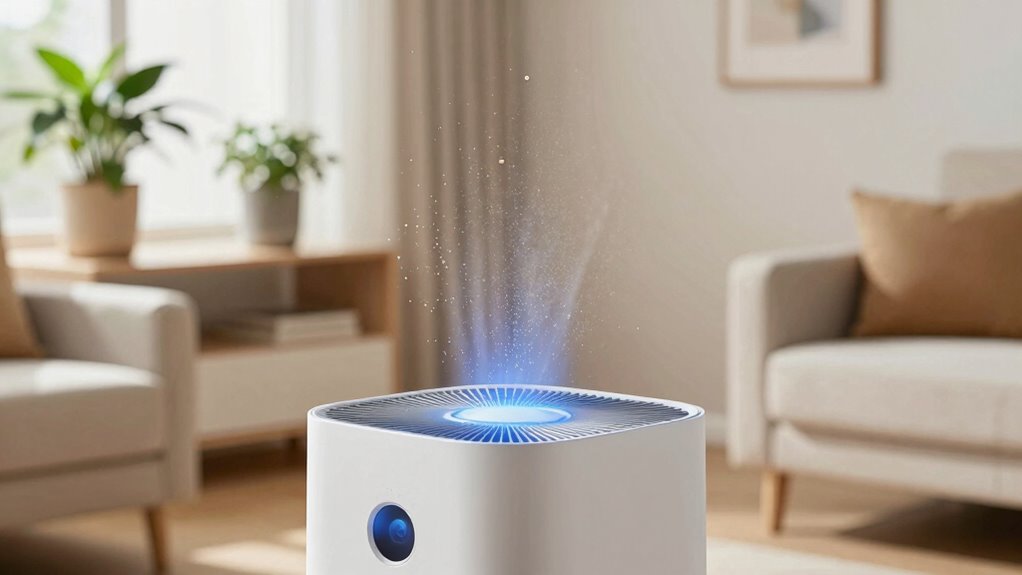
Indoor air quality refers to the condition of the air inside your home or workplace and how it affects your health and comfort. Good air quality is vital because it directly impacts your well-being, energy levels, and overall health importance. Poor air quality can lead to respiratory issues, allergies, and other health problems, especially if you’re exposed for long periods. You mightn’t always see or smell pollutants, but they can still harm you. Ensuring proper ventilation, reducing indoor pollutants, and maintaining a clean environment help improve air quality. When your indoor air quality is high, you breathe easier, feel more comfortable, and reduce the risk of health complications. It’s essential to be aware of and actively manage your indoor environment for better health. Additionally, using effective air purifiers can significantly reduce pollutants and improve overall air quality. Proper maintenance and timely filter replacements are crucial for the air purifier’s effectiveness, ensuring clean air circulation. Being mindful of indoor pollutant sources and how they affect air quality is key to creating a healthier environment inside your home. Recognizing the importance of technology in improving air quality can help you make smarter choices for a safer indoor space. Incorporating ventilation systems can further enhance air exchange and reduce the accumulation of indoor contaminants.
What Are Common Indoor Pollutants and How Do They Affect Your Health?
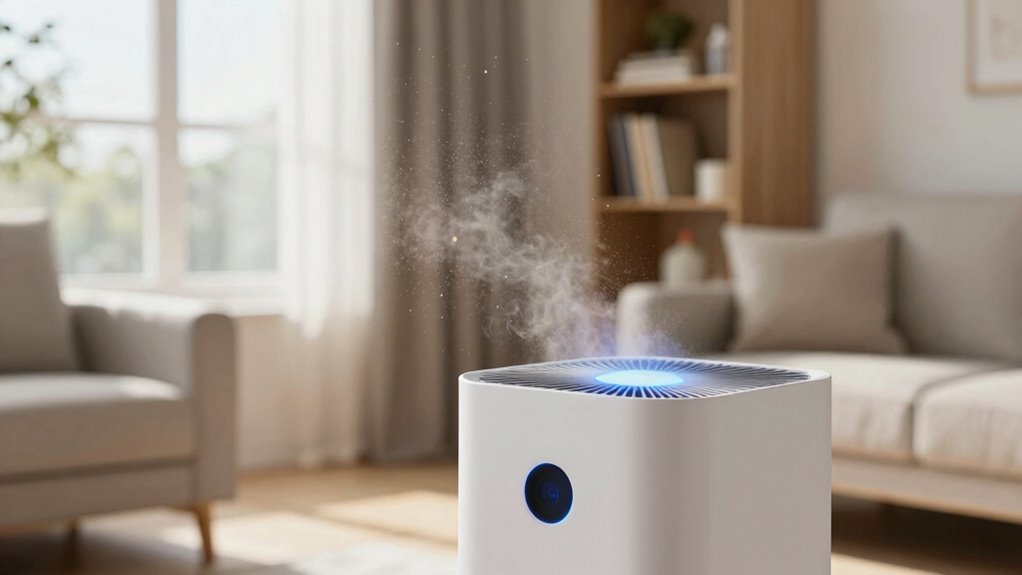
You’re constantly exposed to common indoor pollutants like dust, mold, and chemicals that can harm your health over time. These toxins may cause respiratory issues, allergies, or other serious health problems if not managed. Learning how to identify and reduce these hazards helps protect your well-being every day. Utilizing study techniques and exam preparation strategies can also improve your understanding of environmental health topics and empower you to make informed decisions about indoor air quality. Being aware of filtration systems and their proper maintenance is essential for effectively reducing airborne contaminants in your home. Additionally, understanding ventilation considerations can significantly improve indoor air flow and help mitigate pollutant buildup. Recognizing air exchange rates can further optimize ventilation efforts and reduce indoor pollutant concentrations effectively. Proper air quality testing methods can help identify specific pollutants and tailor remediation strategies to ensure a healthier indoor environment.
Common Indoor Pollutants
Many common pollutants found inside your home can pose serious health risks, even in small amounts. Volatile Organic Compound (VOC) emissions from paints, cleaning products, and furniture are frequent culprits. These emissions can cause headaches, dizziness, and irritation of your eyes and throat.
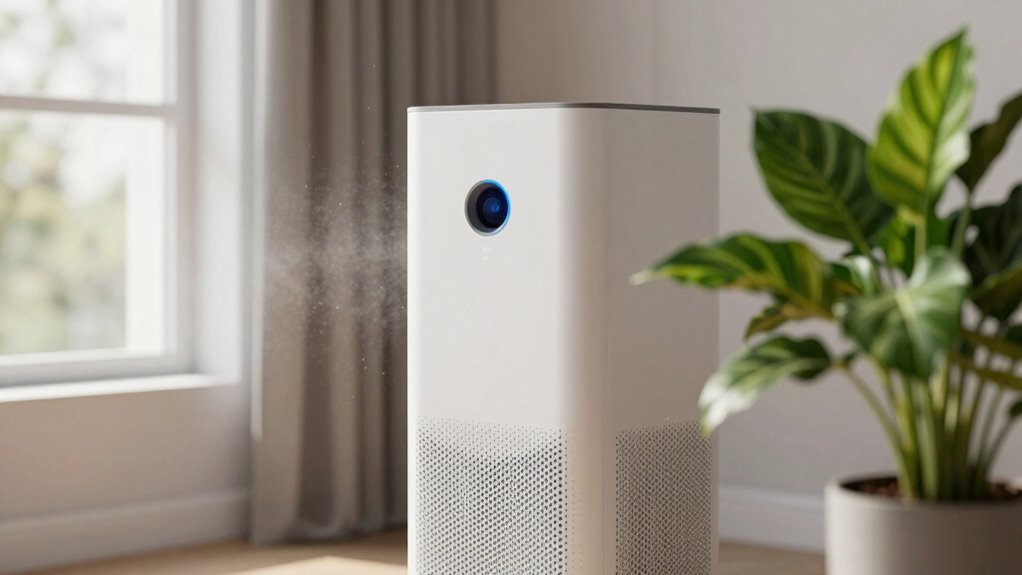
Dust mites, pet dander, and mold spores are also prevalent indoor pollutants that can worsen allergies and asthma. An air purifier equipped with HEPA filters can help reduce airborne particles, making the air safer to breathe.
Additionally, minimizing sources of VOC emissions by choosing low-VOC products and ensuring proper ventilation can considerably improve your indoor air quality. Recognizing these pollutants is the first step toward creating a healthier living environment and reducing your exposure to harmful indoor contaminants.
Health Impact of Toxins
Since various pollutants can linger unnoticed in your home, understanding their health effects is essential. Airborne toxins and chemical exposure can cause immediate and long-term health issues, especially with prolonged inhalation. You might experience symptoms like headaches, respiratory irritation, or fatigue. Exposure to these toxins can also impair cognitive function and mood over time. In some cases, exposure can increase your risk of asthma, allergies, or even more severe conditions. – Breathing in airborne toxins can lead to chronic respiratory problems and weaken your immune system. – Chemical exposure from cleaning products or building materials may cause skin irritation or nervous system effects. – Long-term inhalation of indoor pollutants has been linked to increased risks of cardiovascular disease and cancers. Additionally, indoor air quality can be affected by factors like humidity and ventilation, which influence the concentration of these toxins. Improving ventilation strategies can help reduce pollutant buildup indoors. Electric bikes and their components, such as batteries and motors, may also emit electromagnetic fields, which could contribute to indoor environmental concerns. Proper ventilation and air filtration systems can significantly reduce the concentration of indoor air pollutants, improving overall health. Awareness helps you take steps to protect yourself from these unseen threats.
Reducing Indoor Hazards
Indoor pollutants are often hidden sources of health risks, making it important to identify and reduce them. To do this, use air purifiers with HEPA filters to remove airborne particles like dust, pollen, and pet dander. Regularly cleaning and maintaining these devices ensures they work effectively.
Natural ventilation also plays a key role by bringing in fresh air and reducing indoor pollutant levels. Opening windows and using exhaust fans help dilute indoor contaminants and improve air quality.
Avoiding smoking indoors and reducing the use of hazardous chemicals, such as strong cleaning agents, further minimizes risks. By combining the use of air purifiers with natural ventilation, you create a safer indoor environment, notably lowering your exposure to common pollutants and promoting better health.
How Can You Check Your Indoor Air Quality: DIY Tips and When to Call Experts?
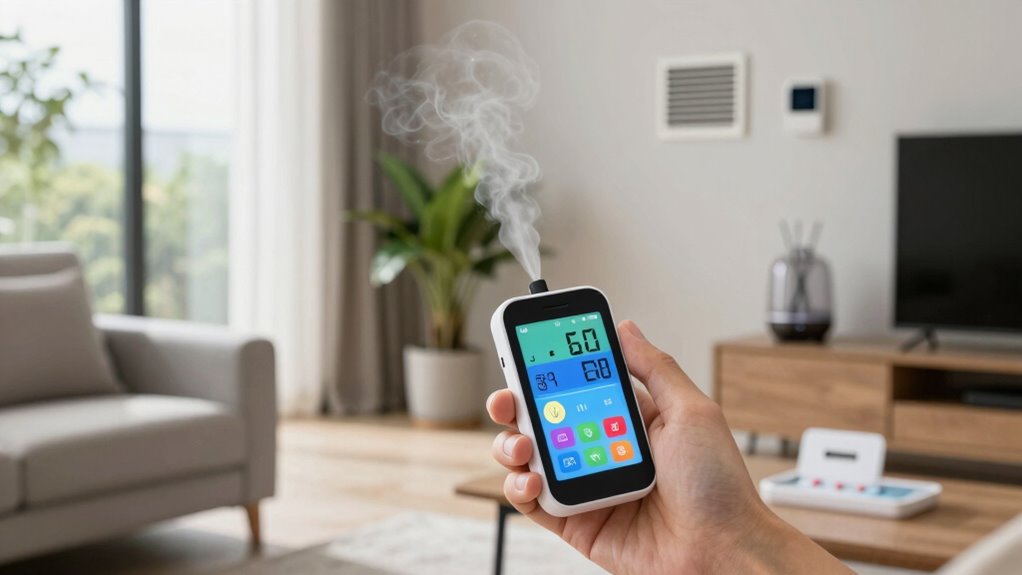
Checking your indoor air quality doesn’t have to be complicated, and there are simple DIY methods you can try first. Using air quality sensors is a quick way to get immediate data on pollutants like VOCs, particulate matter, and humidity levels.
You can also perform basic DIY testing by observing signs such as persistent odors, mold growth, or dust buildup. Keep an eye on your home’s ventilation and check for sources of pollution, like cleaning products or smoke.
If your DIY tests indicate poor air quality or if you notice ongoing symptoms like headaches or allergies, it’s time to call in experts. Professional indoor air quality assessments can provide detailed analysis and identify hidden issues that DIY methods might miss.
Simple Ways to Improve Your Indoor Air Quality at Home
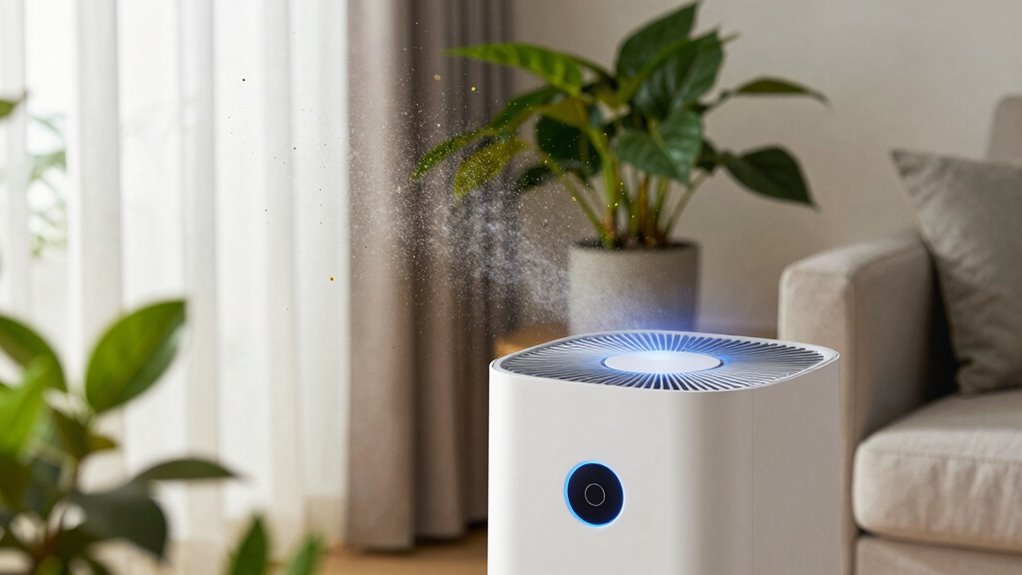
Improving your indoor air quality can be straightforward with some simple steps. Using air purifiers helps remove pollutants, allergens, and dust from the air, making your environment healthier. Keep them running in common areas and bedrooms for maximum benefit. Incorporating home fitness routines that promote better air circulation can also contribute to a healthier indoor environment. Additionally, adding indoor plants can naturally filter toxins and boost air freshness. Plants like snake plants, pothos, and peace lilies are easy to care for and effective at improving air quality. Regularly dust and vacuum to reduce dust mites and pet dander. Avoid smoking indoors and limit the use of strong chemicals or aerosols. Ensuring a tidy, well-maintained space supports cleaner air. Using natural air filtration systems can further enhance indoor air quality by reducing reliance on chemical purifiers. Incorporating proper ventilation techniques can also help circulate fresh air and remove indoor pollutants more effectively. Understanding the importance of air quality monitoring can help you tailor your efforts for the best results. Additionally, being aware of HVAC system maintenance can significantly impact your home’s air quality by ensuring proper filtration and airflow. These small changes can considerably enhance the air you breathe daily, creating a safer, more comfortable home environment.
Why Ventilation and Air Filters Make a Difference
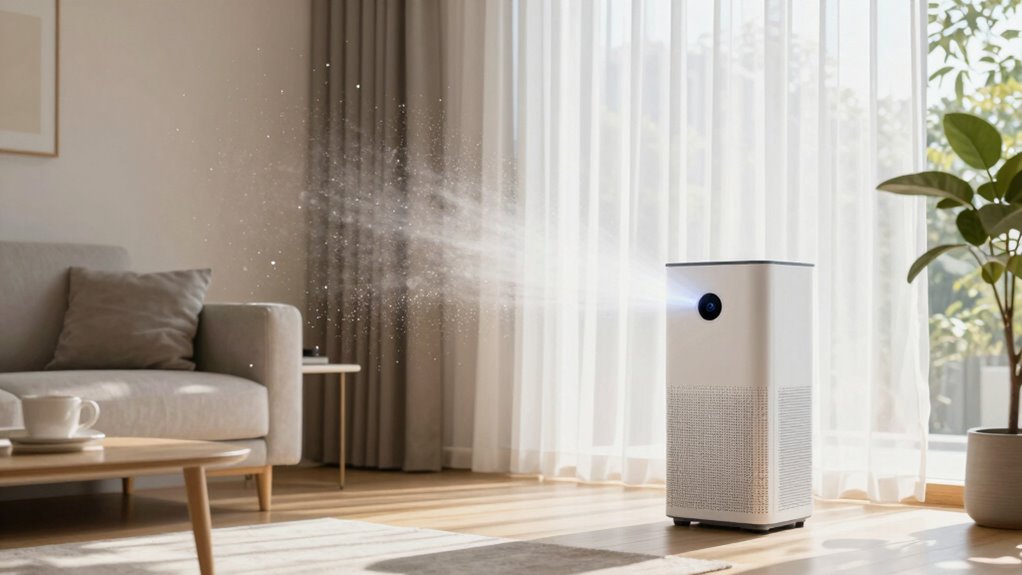
Good ventilation and air filters help keep your indoor air fresh and clean. They improve airflow, remove pollutants, and support better breathing. A clean and well-maintained air filtration system can significantly reduce allergens and airborne irritants, contributing to a healthier living environment. Additionally, integrating smart‑home systems can optimize the operation of your ventilation and filtration devices for maximum efficiency. Regular maintenance and choosing the right air quality devices are essential for maintaining optimal indoor air conditions. Implementing proper filter replacement schedules ensures that your system continues to operate effectively over time. Incorporating advanced sensor technology can further enhance your system’s responsiveness to changing air quality levels.
Improved Air Circulation
Effective ventilation and air filters play a crucial role in maintaining healthy indoor air quality because they help remove pollutants, allergens, and airborne pathogens.
By improving airflow, you guarantee fresh air circulates throughout your space, reducing stagnant areas. Proper circulation systems optimize airflow, preventing buildup of indoor pollutants and promoting consistent air exchange.
When your circulatory setup is efficient, you breathe easier and feel more comfortable.
- Use fans and exhaust vents to boost airflow and create a balanced circulation.
- Guarantee your circulation systems are well-maintained and unobstructed.
- Incorporate air purifiers with HEPA filters to trap airborne particles effectively.
Reduced Indoor Pollutants
Ventilation systems and air filters directly reduce indoor pollutants by capturing and removing harmful particles from the air. Using air purifiers helps trap indoor allergens like dust, pet dander, and pollen, preventing them from circulating and triggering allergies. Proper ventilation also replaces stale, polluted air with fresh outdoor air, diluting indoor contaminants. When you invest in high-quality air filters, you improve air quality by filtering out microscopic particles that you mightn’t see but can affect your health. Regularly maintaining your ventilation system and using effective air purifiers creates a cleaner indoor environment. Incorporating air filtration technology further enhances your home’s air quality by targeting a broader range of pollutants. Additionally, selecting the right ventilation system can optimize airflow and improve overall indoor air quality. To maximize benefits, consider proper filter replacement schedules, which are essential for maintaining filtration efficiency. Consistent maintenance of your ventilation setup ensures sustained air quality benefits over time. Clean indoor air supports overall wellness and can prevent allergy symptoms from worsening.
Enhanced Respiratory Health
When your indoor air is free of harmful pollutants, your respiratory system functions more efficiently, reducing the risk of symptoms like coughing, wheezing, and shortness of breath. Proper ventilation and air filters play a vital role in achieving this.
An air purifier benefits you by trapping airborne particles, allergens, and pollutants that can trigger asthma or allergies. Effective indoor allergen control means fewer irritants like pet dander, dust mites, and mold spores circulating in your space.
With cleaner air, you breathe easier and experience fewer respiratory issues. Additionally, well-maintained air filters help prevent respiratory infections and improve overall lung health.
Incorporating these strategies creates a healthier indoor environment, supporting your respiratory health every day.
How Pets, Mold, and Household Products Impact Indoor Air
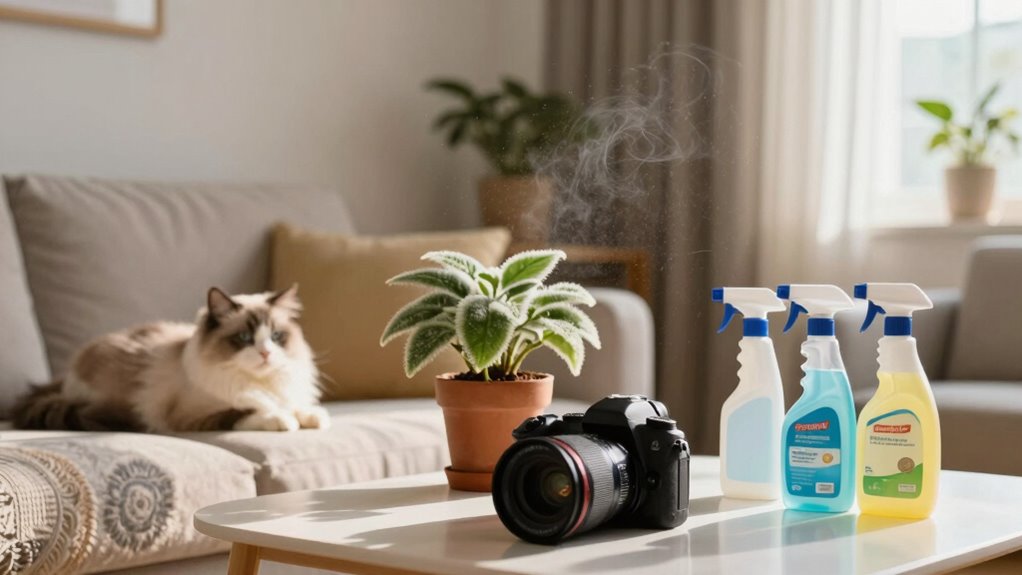
Pets, mold, and household products can considerably affect the quality of indoor air you breathe. Pet dander, tiny skin flakes from animals, often triggers allergies or asthma symptoms when inhaled.
Mold spores, released by mold growth in damp areas, can worsen respiratory issues and cause allergic reactions. Household products like cleaning agents, air fresheners, and paints emit volatile organic compounds (VOCs) that contaminate the air, leading to headaches or dizziness.
Poor ventilation amplifies these effects, trapping pollutants indoors. Regular cleaning, controlling humidity, and choosing low-VOC products help reduce these airborne contaminants.
Keeping pets well-groomed, fixing leaks, and maintaining a clean environment also lower the presence of pet dander and mold spores, improving your indoor air quality and overall health.
When Should You Get Professional Indoor Air Quality Testing?
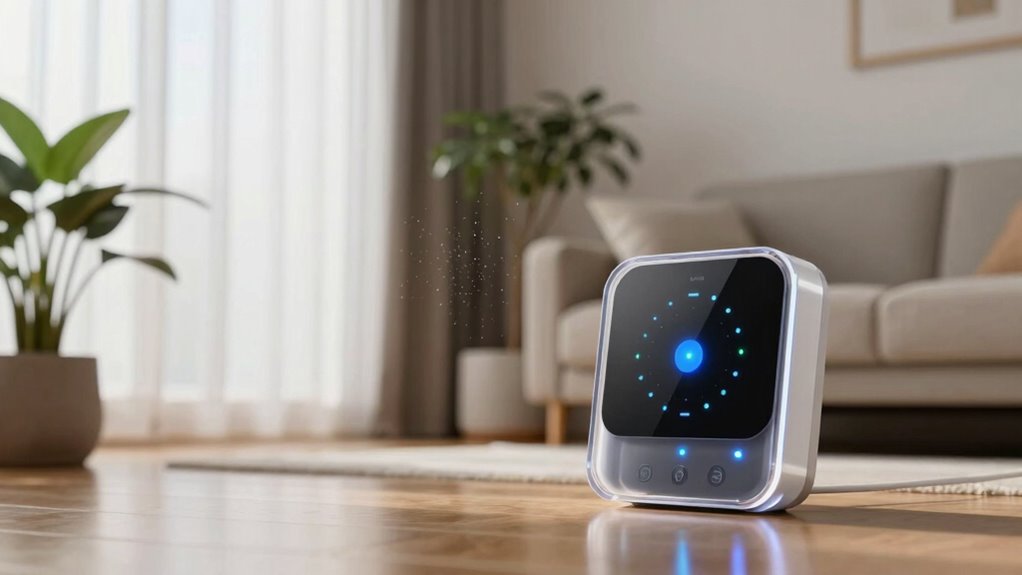
Knowing when to schedule professional indoor air quality testing can make a significant difference in maintaining a healthy home. If you notice persistent odors, allergy symptoms, or unexplained respiratory issues, it’s time to think about testing.
Elevated levels of indoor pollutants might violate air quality standards, even if you can’t see or smell them. Professional testing methods assess for airborne contaminants like VOCs, mold spores, and radon, providing accurate data.
High indoor pollutant levels can breach safety standards, even without visible or olfactory signs.
You should also get tested after renovations or if you’ve recently moved into a new residence. Regular testing helps identify hidden hazards before they cause health problems.
- Unexplained allergic reactions or respiratory issues
- Recent home renovations or water damage
- Concerns about air quality standards being exceeded
Frequently Asked Questions
How Do Indoor Plants Affect Air Quality?
Indoor plants improve air quality by offering plant benefits like natural air filtration, which helps reduce pollutants and toxins in your home.
As you care for them, they absorb carbon dioxide and release oxygen, creating a fresher environment.
Plus, their presence can boost your mood.
Can Cooking Habits Significantly Impact Indoor Air Pollution?
Think of your kitchen as a battleground where cooking ventilation fights off dangerous kitchen pollutants. Your habits do impact indoor air pollution—burning garlic or frying bacon releases particles and gases that linger.
Proper ventilation, like turning on a range hood or opening windows, helps clear these pollutants quickly. Without it, you’re breathing in higher levels of harmful fumes, which can affect your health over time.
Good habits make a big difference.
Are There Specific Air Purifiers Better for Allergy Sufferers?
Yes, certain air purifiers are better for allergy sufferers. Look for models with HEPA filters, which trap allergens like pollen, pet dander, and dust mites effectively.
Additionally, UV sterilizers can help reduce bacteria and mold spores, improving overall air quality.
Combining HEPA filtration with UV sterilization creates a powerful solution to alleviate allergy symptoms and breathe easier at home.
How Does Humidity Influence Indoor Air Quality Levels?
You might think humidity levels don’t impact indoor air quality, but they really do. Proper indoor moisture controls mold, dust mites, and allergens, making the air healthier to breathe.
When humidity is too high, it fosters mold growth; if it’s too low, it dries out your respiratory system. Maintaining balanced humidity levels creates a comfortable environment, reducing airborne pollutants and improving overall air quality.
What Are Signs of Long-Term Exposure to Indoor Pollutants?
You might notice persistent indoor mold or chemical odors, which are signs of long-term exposure to indoor pollutants. These issues can cause respiratory problems, allergies, or headaches over time.
If you experience frequent coughing, sneezing, or throat irritation, it’s a sign to check for hidden indoor mold or chemical odors. Addressing these sources promptly helps improve your indoor air quality and protects your health.
Conclusion
Breathing clean air inside your home shouldn’t be a luxury—yet, it often is. While you can take simple steps to improve your indoor air quality, ignoring potential pollutants can silently harm your health. Think of your home’s air as both a sanctuary and a risk; neglecting it turns comfort into danger. Prioritize regular checks and proper ventilation—because your health is worth every breath you take.