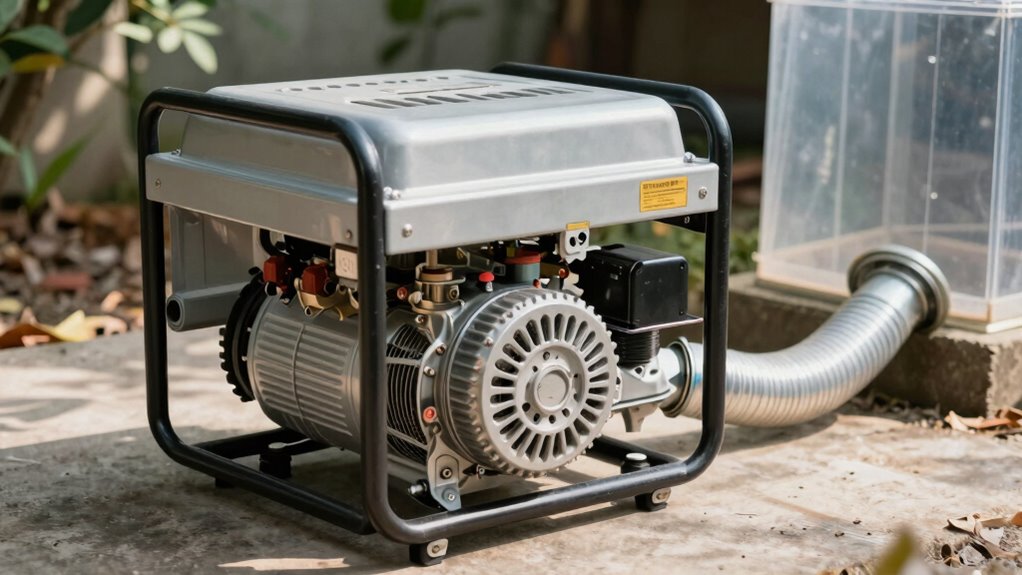

When using a generator, always operate it outdoors, far from open windows, vents, or doors to prevent carbon monoxide buildup inside your home. Make certain the exhaust is directed away from occupied areas and maintain good ventilation to keep CO levels safe. Never run a generator inside garages or enclosed spaces, and regularly check for leaks and proper placement following manufacturer instructions. Knowing these safety steps helps protect your loved ones—continue to learn more essential tips and precautions.
Key Takeaways
- Operate generators outdoors, far from windows and vents, to prevent dangerous carbon monoxide buildup inside your home.
- Ensure generator exhaust is directed away from occupied areas and entry points for proper ventilation.
- Never run a generator inside garages, basements, or enclosed spaces to avoid CO poisoning.
- Regularly check ventilation pathways and maintain proper clearance around the generator during use.
- Use approved fuel containers stored in well-ventilated areas, and never refuel while the generator is running or hot.
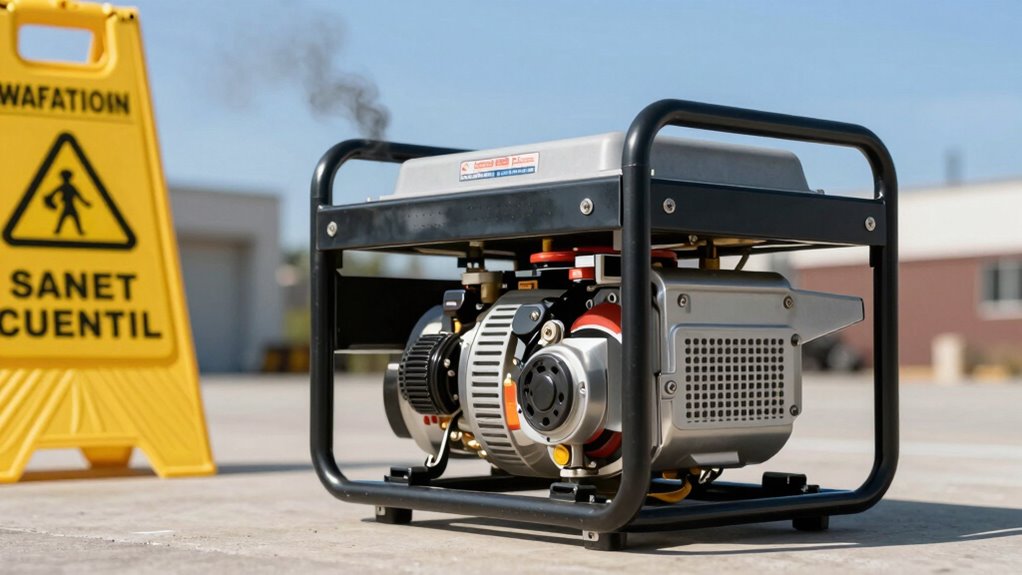
A generator can be a reliable backup during power outages, but it also poses serious safety risks if not used properly. One of the most critical hazards is carbon monoxide poisoning, which can happen quickly if you don’t guarantee proper ventilation. To protect yourself and your loved ones, it’s essential to understand how ventilation works and to keep your generator outside and far away from open windows, vents, or doors. Never operate a generator inside your garage, basement, or any enclosed space, even if it’s partially open. Carbon monoxide is a colorless, odorless gas that can build up indoors, leading to dangerous levels that can cause unconsciousness or death. Always check that your exhaust is directed away from your home and other occupied areas. Proper fuel storage is also a key component of generator safety and emergency preparedness. You need to store fuel in approved containers, kept in a cool, well-ventilated area away from your home or any ignition sources. Never keep large quantities of gasoline or other flammable fuels inside your house, and always follow local regulations for storage. During an emergency, having an adequate fuel supply ensures your generator can run when you need it most, but improper storage creates a fire risk. Make sure to label fuel containers clearly and inspect them regularly for leaks or deterioration. Never refuel your generator while it’s running or still hot, as spilled fuel near hot surfaces could ignite. Ensuring proper ventilation practices is vital for safe generator operation and can prevent dangerous carbon monoxide buildup inside your home. Your emergency preparedness plan should include clear steps for handling fuel safely and ensuring proper ventilation. Before using your generator, read the manufacturer’s instructions carefully, paying close attention to safety recommendations. Keep a fire extinguisher nearby, and ensure everyone in your household knows how to operate the generator safely. Regular maintenance, like checking for fuel leaks and testing the carbon monoxide detector, forms an essential part of your safety routine. Remember, a generator is a powerful tool designed to keep you safe during outages, but it demands respect and vigilance. Proper fuel storage, combined with disciplined ventilation practices, prevents many accidents. By planning ahead and following safety protocols, you can confidently rely on your generator when it’s needed most, knowing you’ve minimized risks and enhanced your emergency preparedness.
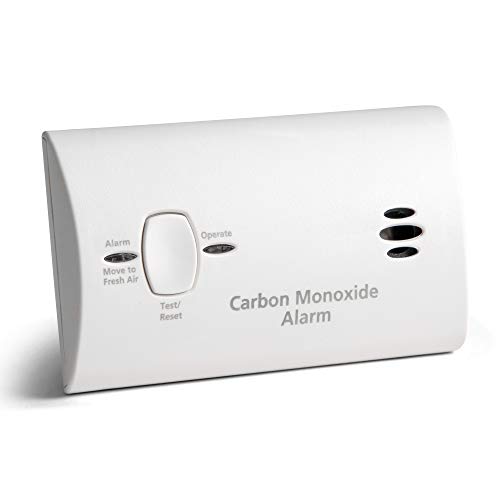
Kidde Carbon Monoxide Detector, AA Battery Powered, Portable for Travel or Home, 85 dB Alarm, LED Status Indicators, 3rd Edition
- Sensor Technology: Electrochemical CO detection
- Installation: No wiring, easy setup
- Power Source: Operates on 2-AA batteries
As an affiliate, we earn on qualifying purchases.
As an affiliate, we earn on qualifying purchases.
Frequently Asked Questions
Can Generator Fumes Cause Long-Term Health Issues?
Yes, exposure to generator fumes can cause long-term health issues if you don’t practice proper generator maintenance and safe fuel handling. Inhaling carbon monoxide or other fumes over time can lead to chronic respiratory problems, neurological damage, or cardiovascular issues. To minimize risks, always verify your generator is well-maintained, operate it outdoors or in well-ventilated areas, and handle fuel carefully to prevent leaks and accidental exposure.
What’s the Safest Distance to Place a Generator From My Home?
Ironically, the safest distance to place your generator is at least 20 feet away from your home, following placement guidelines and safety zones. You might think closer is convenient, but carbon monoxide can sneak into your house unnoticed. Keep your generator well outside, on a flat, dry surface, and always remember: better safe than sorry when it comes to fumes. Your health is worth the extra few steps.
How Can I Detect Carbon Monoxide Leaks Early?
You can detect carbon monoxide leaks early by installing a CO detector in key areas like your home’s sleeping and living spaces. Place detectors at nose level for accurate readings, and make certain they’re away from vents and windows. Regularly test your detectors and replace batteries. Use leak detection methods such as listening for unusual appliance noises or checking for signs of exhaust. Early detection keeps you and your family safe from CO poisoning.
Are There Portable Generators With Built-In CO Detectors?
Yes, some portable generators come with built-in CO detectors and safety features. Imagine a device that not only powers your tools but also actively monitors for danger, alerting you instantly. These models offer peace of mind with integrated portable detectors that automatically shut down if CO levels rise. While not all generators have this feature, choosing one with built-in safety features enhances your protection, making your work safer and more reliable.
What Emergency Steps Should I Take if CO Poisoning Occurs?
If you suspect CO poisoning, immediately call emergency services and move to fresh air. Rescue procedures are vital—get the affected person outdoors and guarantee they’re breathing. Use first aid tips like CPR if necessary, but prioritize ventilation by opening windows and doors. Don’t re-enter the area until it’s declared safe. Acting quickly with these steps can save lives and prevent serious health issues.
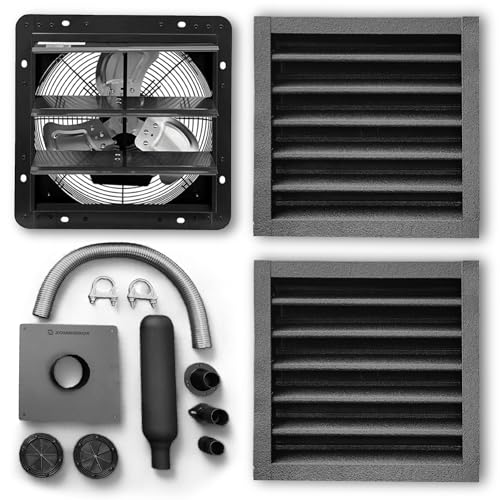
DIY Generator Shed Ventilation & Exhaust Kit with Cooling System. Includes High-Flow Shutter Fan, Flexible Exhaust Extension, Weatherproof Louvered Vents, and Cable Grommets for Outdoor Enclosures
- Complete Climate Control System: All-in-one solution for overheating and CO buildup
- High-Velocity Shutter Exhaust Fan: Rapidly expels hot air and fumes
- Automatic Gravity Shutters: Open when fan runs, close to block elements
As an affiliate, we earn on qualifying purchases.
As an affiliate, we earn on qualifying purchases.
Conclusion
Remember, proper precautions prevent peril. Keep generators outside, away from windows, and guarantee proper ventilation. Regularly check for carbon monoxide hazards to stay safe and secure. Stay vigilant, ventilate vigorously, and avoid unnecessary risks. By being mindful and meticulous, you’ll master generator safety, minimizing mishaps and maximizing peace of mind. Protect yourself and your loved ones by practicing prudent precautions—because safety starts with smart, simple steps.

Garvee Slim 15 Gallon Gas Can, Fuel Tank Container with LE Fluid Transfer Manual 10 FT Siphon Pump, Portable Diesel Gas Storage Caddy Wheels for ATV, Weeder, Boat, Tractor, Snow Blower,Generator
- Heavy-Duty Construction: Made from industrial-grade HDPE for durability
- Corrosion and UV Resistant: Designed for harsh outdoor conditions
- Reinforced Tank Walls: Provides structural stability in extreme temperatures
As an affiliate, we earn on qualifying purchases.
As an affiliate, we earn on qualifying purchases.

Natupal Generator Interlock Kit Compatible with Square D QO or Homeline 150 or 200 amp panels. 1 3/8 inches Spacing between main and generator breaker, Professional and Interlock Kit (SD200A)
- Compatible Panel Models: Square D QO and Homeline 150/200 amp
- Spacing Requirement: 1 3/8 inches between breakers
- Safety and Convenience: Ensures safe generator connection during outages
As an affiliate, we earn on qualifying purchases.
As an affiliate, we earn on qualifying purchases.