
Before installing a heated bidet seat, verify your water pressure is between 20-80 PSI using a gauge; low or high pressure can cause issues. Make certain your electrical outlet matches the bidet’s power needs, is properly grounded, and not overloaded—avoid extension cords. Check there’s enough space around your toilet for installation and confirm the water supply valve is accessible and functioning well. For detailed steps, continue exploring the key points to guarantee a safe, smooth setup.
Key Takeaways
- Verify water pressure is between 20-80 PSI and install a regulator if needed.
- Ensure a properly grounded 120V electrical outlet is available and not overloaded.
- Confirm sufficient space around the toilet for seat installation and easy access to water shut-off valve.
- Check that the water supply line can support bidet flow requirements and is leak-free after connection.
- Read the manufacturer’s instructions thoroughly and confirm compatibility with your toilet model.

Installing a heated bidet seat can greatly enhance your bathroom experience, but it’s important to follow the proper steps to ensure a smooth setup. Before you start, you need to check a few essential factors, especially water pressure and electrical requirements. These elements are vital for your bidet to function correctly and safely. Your bidet’s water pressure needs to be within a specific range, typically between 20 and 80 PSI. If your home’s water pressure is too low, the bidet may not provide adequate water flow for effective cleaning. Conversely, if the pressure is too high, it could damage the unit or cause leaks. To verify this, you can use a simple water pressure gauge attached to your outdoor spigot or kitchen sink. If your pressure falls outside the recommended range, you might need a pressure regulator or an alternative water supply setup before proceeding with installation.
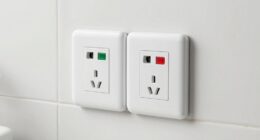
Next, you should evaluate the electrical requirements of your new heated bidet seat. Most models require a standard 120V outlet, but some advanced features, like heated seats or adjustable water temperature, might demand more power. Check the manufacturer’s specifications to guarantee your bathroom has an outlet that matches these needs. It’s also wise to confirm that the outlet is grounded properly and isn’t overloaded. If your bathroom doesn’t have a dedicated circuit, consider installing one to prevent electrical issues. Remember, safety is key—never use an extension cord or plug the bidet into an outlet that’s shared with high-powered appliances. If you’re unsure about your electrical setup, consulting an electrician can help you avoid potential hazards.
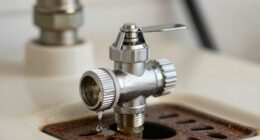
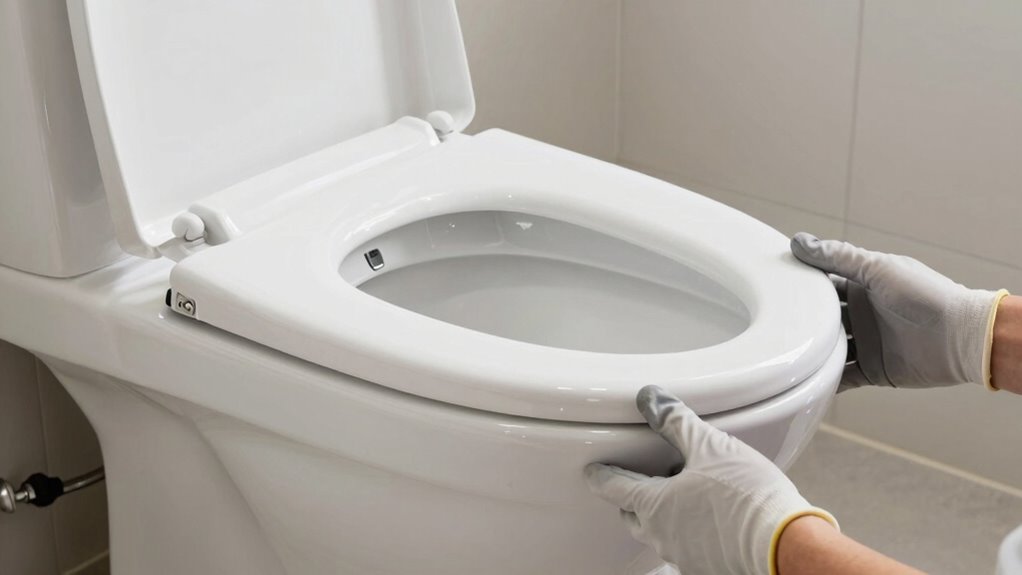
Beyond water pressure and electrical requirements, you should also assess the space around your toilet. Make sure there’s enough room for the bidet seat to fit comfortably and that access to the water supply valve is convenient. Some bidets connect directly to the toilet’s existing water supply line, so locate the shut-off valve and ensure it’s in good working order. It’s also a good idea to read the installation instructions thoroughly and verify that your toilet is compatible with the bidet seat model you’ve chosen.
Frequently Asked Questions
Can I Install a Heated Bidet Seat on Any Toilet Model?
You can’t install a heated bidet seat on any toilet model without checking electrical requirements and toilet compatibility first. Some seats need a power outlet nearby, and not all toilets fit the mounting hardware. Measure your toilet’s shape and size, and verify your electrical outlet matches the bidet’s power needs. Confirming these details helps prevent surprises and guarantees a smooth, safe installation.
Do I Need a Professional for Electrical Wiring?
Did you know that improper electrical wiring causes over 50% of home electrical fires? For your heated bidet seat, you don’t need a professional for electrical expertise if you’re comfortable with basic DIY safety and have experience working with electrical components. However, if you’re unsure or uncomfortable, it’s safer to hire an electrician. Prioritize safety to avoid risks and make sure your bidet works perfectly.
Will Installing a Bidet Seat Affect My Toilet’s Stability?
Installing a bidet seat generally won’t affect your toilet’s stability if you pay attention to mounting considerations. Make sure the seat fits securely and aligns properly with your toilet bowl. Tighten all mounting bolts firmly but carefully to avoid wobbling or cracking. If your toilet wobbles or isn’t stable, address those issues first, as a secure, stable base guarantees your bidet seat stays in place and functions properly.
How Long Does a Typical Bidet Seat Installation Take?
Installing a bidet seat typically takes about 30 to 60 minutes, depending on your experience and the toilet type. Your installation time includes preparation steps like turning off the water supply, removing the old seat, and connecting the bidet’s water and power sources. To guarantee a smooth process, gather all necessary tools beforehand and carefully follow the manufacturer’s instructions. This way, you can complete the installation efficiently and confidently.
Are There Compatibility Issues With Existing Bathroom Fixtures?
You might face compatibility issues with your existing bathroom fixtures, especially regarding plumbing compatibility. Check if your toilet’s shape and mounting align with the bidet seat’s design, and be prepared for fixture adjustments if needed. Ensuring your plumbing setup can support the bidet’s water connection is essential. Measure carefully beforehand to avoid surprises, and consider consulting a professional if you’re unsure about making the necessary plumbing adjustments.
Conclusion
Now that you’ve checked everything off your list, you’re ready to begin this installation journey. Think of it as opening the door to a new domain of comfort—where heated waters soothe and refresh with every use. With patience and attention, you’ll soon enjoy a seamless upgrade that feels like a gentle hug every time you sit down. So, explore confidently, knowing you’re about to transform your bathroom into a haven of relaxation.