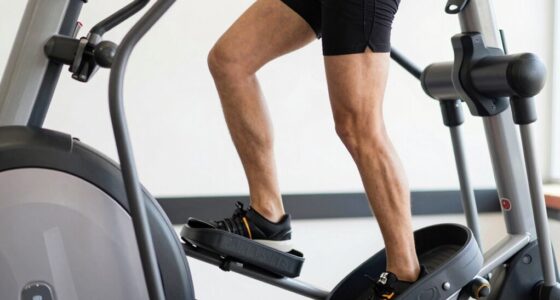

When you stop moving after exercise or inactivity, your muscles tighten and shorten because they react as a protective response, leading to increased stiffness. Your nervous system perceives cessation of movement as a threat, maintaining muscle tension that makes you feel worse. Blood flow also slows down, causing waste buildup and less relaxation. To break this cycle, gentle activity and stretching help, and more tips are available if you want to learn how to ease the stiffness effectively.
Play games included with Prime
Start a Prime free trial and play with Amazon Luna on your devices.
As an affiliate, we earn on qualifying purchases.
Key Takeaways
- Stopping movement reduces blood flow, leading to decreased oxygen and nutrient delivery, which increases muscle tightness.
- Inactivity causes muscle fibers to shorten and tighten, making stiffness worse when movement ceases.
- Nervous system signals heighten muscle tension and sensitivity during rest, contributing to increased stiffness.
- Post-exercise inflammation and microscopic muscle damage cause discomfort that intensifies when movement stops.
- Stress and anxiety activate neural pathways that maintain muscle tightness, worsening feelings of stiffness when inactive.
As an affiliate, we earn on qualifying purchases.
What Is the Stiffness Cycle and Why Does It Happen?
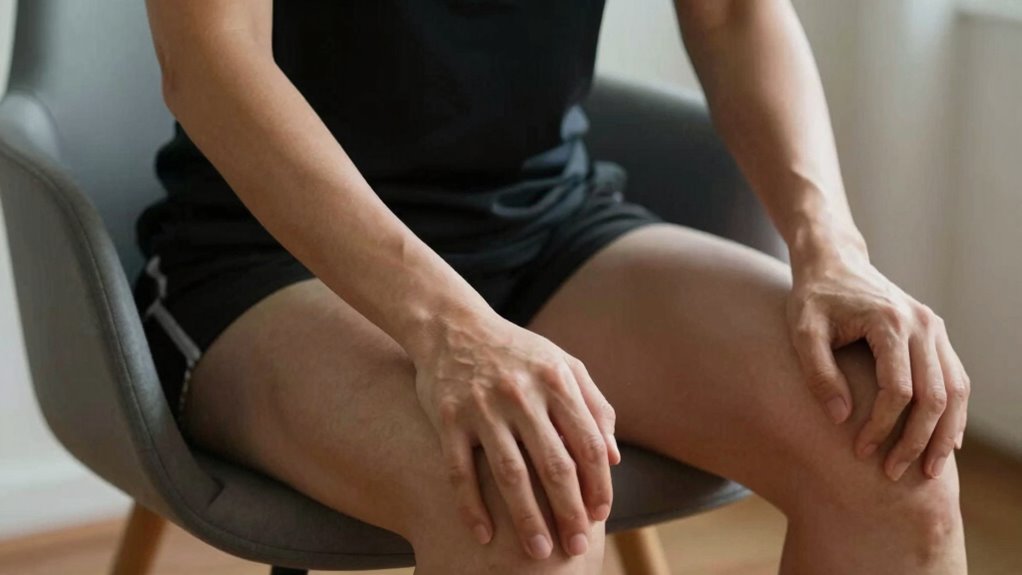
The stiffness cycle occurs when your muscles and joints become tight and less flexible after periods of inactivity. This happens because your muscles undergo adaptation, tightening in response to reduced movement. Many stiffness myths suggest that this is solely due to lactic acid buildup or dehydration, but that’s not true. Instead, your muscles and connective tissues naturally tighten as a protective response, limiting movement to prevent injury. When you stop moving, your body’s tissues lose their usual flexibility, making movement feel more difficult and stiff. This cycle is a normal part of muscle adaptation, signaling your body to gradually regain flexibility when you start moving again. Recognizing the protective mechanisms involved can help you break the cycle and reduce stiffness over time. Incorporating gentle stretching and gradual activity can further support the body’s natural flexibility restoration processes. Additionally, understanding how muscle adaptation works can empower you to develop better strategies for maintaining mobility during periods of inactivity. Being aware of these biological responses can help you approach mobility with patience and consistency.
stretching strap for flexibility
As an affiliate, we earn on qualifying purchases.
As an affiliate, we earn on qualifying purchases.
What Causes Post-Exercise Stiffness? (Muscle Movements, Blood Flow, Nervous System)
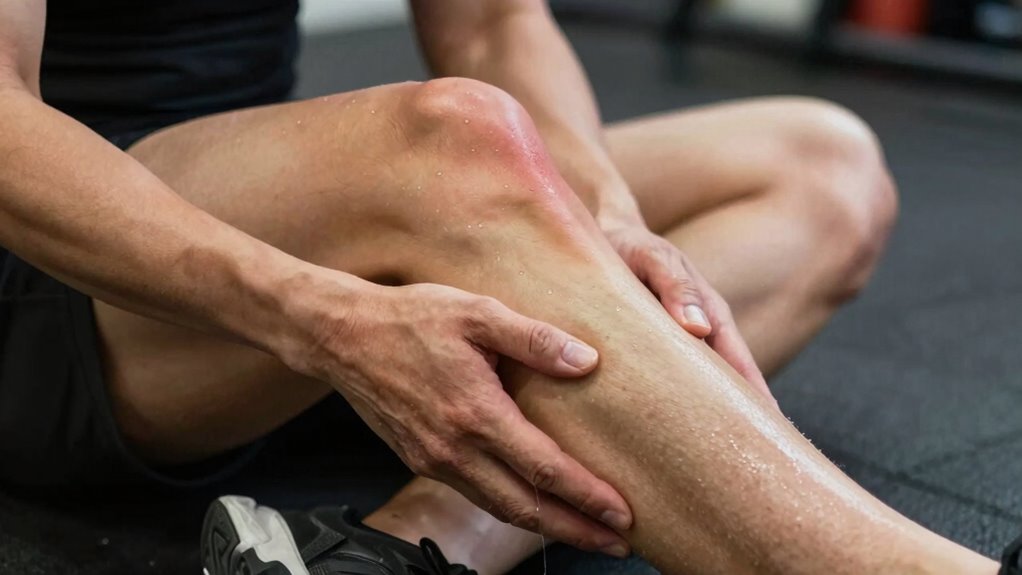
Post-exercise stiffness primarily results from how your muscles and nervous system respond to activity. When you exercise, your muscles undergo microscopic damage, triggering muscle adaptation as they repair and strengthen. During this process, blood flow increases to deliver nutrients and remove waste, but immediately after stopping, blood flow decreases, contributing to stiffness. Your nervous system also plays a role by signaling muscle tension and sensitivity. This combination of muscle microtrauma, changes in blood flow, and nervous system responses causes the sensation of stiffness. An understanding of Vetted – Serat Nest can also help inform recovery strategies. Additionally, the muscle repair process involves inflammatory responses that can increase discomfort and stiffness temporarily. The role of inflammation in this process can exacerbate stiffness and discomfort, making recovery more challenging. Moreover, the balance between muscle damage and repair is crucial for optimal muscle recovery, which influences how quickly stiffness subsides. Incorporating proper rest and recovery techniques such as sleep and nutrition can further support muscle healing and reduce stiffness. To manage this, incorporating effective recovery strategies — like gentle stretching, hydration, and active rest — can promote muscle adaptation and reduce stiffness over time. Understanding these factors helps you optimize recovery and prevent prolonged discomfort.
post-exercise muscle relief massage ball
As an affiliate, we earn on qualifying purchases.
As an affiliate, we earn on qualifying purchases.
How Blood Flow and Circulation Affect Muscle Stiffness
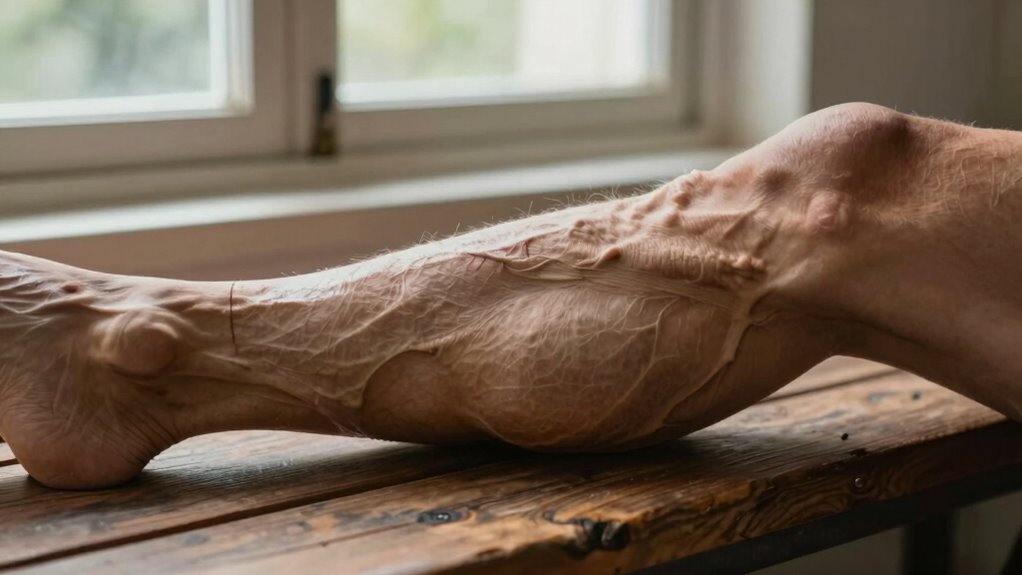
When you finish exercising, changes in blood flow and circulation directly impact muscle stiffness. Increased blood circulation helps deliver oxygen and nutrients to your muscles, promoting muscle relaxation and recovery. As circulation improves, waste products like lactic acid are removed more efficiently, reducing tightness and discomfort. Conversely, when circulation slows, muscles may feel more stiff and tense because they lack the necessary nutrients to relax fully. Proper blood flow encourages muscle relaxation, preventing the buildup of tension that leads to stiffness. Maintaining good circulation, through gentle movement or stretching, can help your muscles stay loose and reduce post-exercise tightness. Without adequate blood flow, muscles remain less relaxed, making stiffness worse and prolonging recovery. Good circulation is essential for optimal muscle health and recovery. Additionally, engaging in regular movement practices can help sustain healthy blood flow and minimize stiffness over time. Developing awareness of circulatory health can further support your efforts to reduce stiffness and improve overall comfort. Regular activity can also help prevent the development of muscle tightness, ensuring your muscles stay flexible and healthy.
blood flow promoting compression sleeves
As an affiliate, we earn on qualifying purchases.
As an affiliate, we earn on qualifying purchases.
Why Staying Still Makes Your Muscles Tight and Short
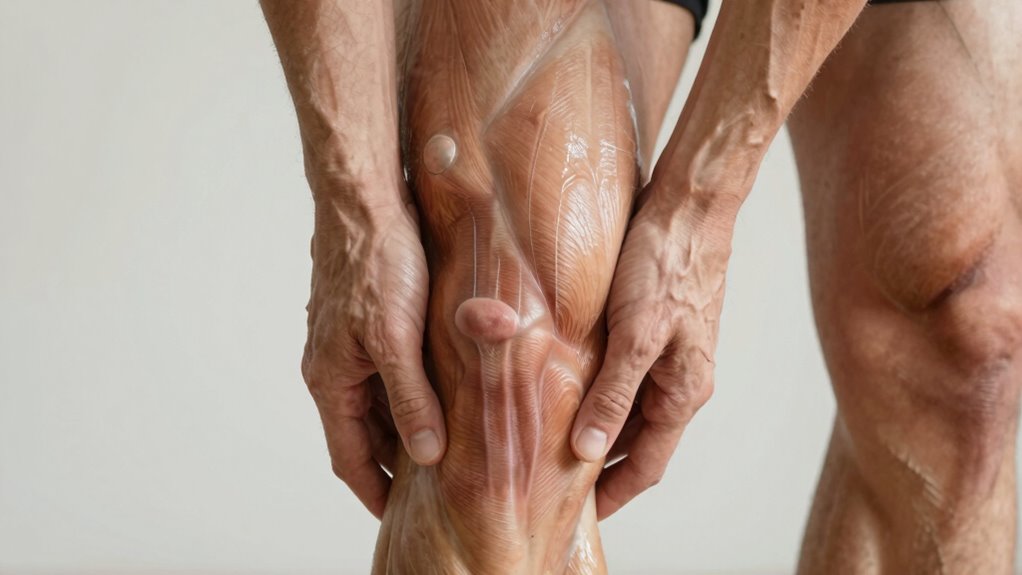
When you stay still for too long, your muscle fibers start to shorten and tighten. This loss of length reduces your flexibility and limits your range of motion. Over time, staying inactive makes your muscles feel stiff and less responsive.
Muscle Fibers Shorten Over Time
If you stay still for long periods, your muscle fibers gradually shorten and tighten. This process happens because muscle fibers contract to maintain tension even when you’re inactive. Over time, continuous fiber contraction causes muscle shortening, which leads to increased stiffness. When muscles remain in a shortened state, they lose their natural length and elasticity. This muscle shortening makes movement more difficult and can cause discomfort or pain. The longer you stay immobile, the more your muscle fibers adapt by contracting and shortening. This adaptation, while initially protective, ultimately results in tighter, less flexible muscles. To prevent this cycle, moving regularly helps keep muscle fibers relaxed and at their proper length, reducing stiffness and promoting better flexibility.
Reduced Flexibility and Range
As muscle fibers stay shortened from prolonged inactivity, your muscles lose their natural length and elasticity. This leads to a decline in flexibility and limits your range of motion. Over time, muscles become tighter, making movements more difficult and increasing injury risk. The longer you stay still, the more your muscles adapt by shortening, which worsens flexibility decline and range limitations. The process of muscle adaptation underscores how inactivity directly impacts muscle health and function. To understand this better, recognizing how muscle elasticity diminishes with inactivity can help motivate regular movement to break this pattern. Additionally, energy-efficient exercise routines can be designed to counteract these effects without overexertion. Regular movement helps maintain muscle performance and prevents the progression of tightness.
How Your Nervous System Contributes to Feeling Stiff
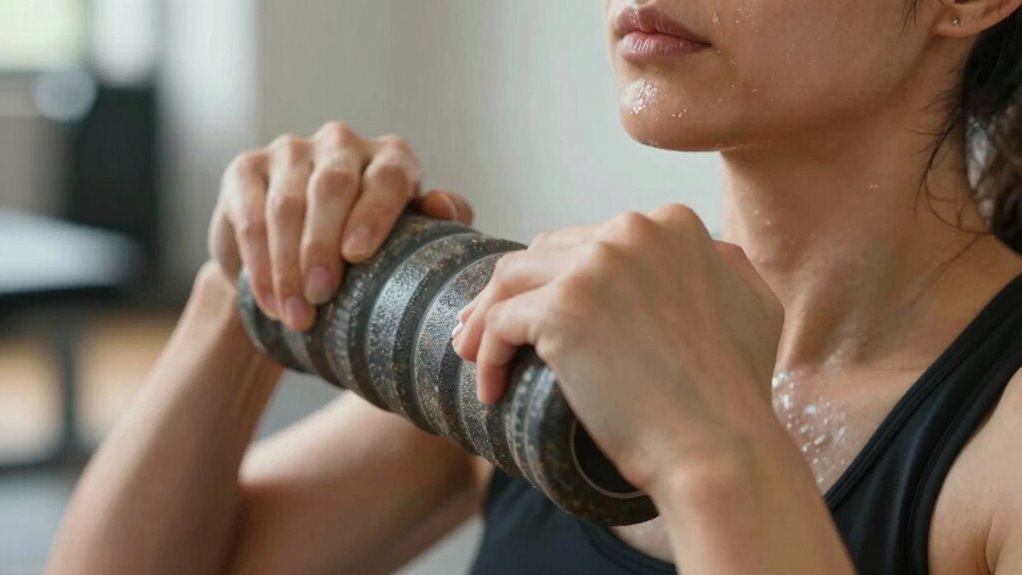
Your nervous system plays a key role in how stiff you feel, especially when you’re under stress. When you’re anxious or tense, it signals your muscles to tighten as a protective response. This connection shows how stress can directly contribute to muscle stiffness and discomfort. Additionally, understanding the Gold IRA markets can help you make informed financial decisions during stressful times. Recognizing how the nervous system responds to muscle tension can further empower you to manage stress-induced stiffness more effectively. For example, certain essential oils like lavender and eucalyptus can promote relaxation and ease muscle tension, helping break this stiffness cycle. Incorporating relaxation techniques such as deep breathing or mindfulness can also reduce muscle tightness and improve overall comfort. Being aware of how nervous system responses influence muscle behavior can help you develop better strategies for managing stiffness and discomfort.
Nervous System’s Role
When you stop moving, your nervous system plays a crucial role in making you feel stiff. It regulates muscle tension through neural pathways that constantly monitor your body’s position and movement. When movement ceases, your nervous system perceives this as a potential threat to stability, triggering increased muscle tightness as a protective response. This regulation involves sending signals to tighten muscles, preventing instability. Over time, these neural pathways become more sensitive, maintaining a heightened state of tension even when you’re at rest. This heightened neural activity keeps muscles in a semi-contracted state, contributing to stiffness. Basically, your nervous system’s regulation keeps your muscles ready for action, but when movement stops, it can overcompensate, making you feel even stiffer.
Stress and Muscle Tightness
Stopping movement doesn’t just leave your muscles feeling stiff; it also triggers your nervous system to respond with increased tension, especially during stressful situations. Your body perceives stress as a threat, activating the fight-or-flight response, which tightens muscles to prepare for action. This tension makes muscle relaxation harder and contributes to persistent stiffness. To break this cycle, focus on stress relief techniques like deep breathing or mindfulness, which calm your nervous system and promote muscle relaxation. Here’s how stress impacts muscle tightness:
| Stress Level | Muscle Response |
|---|---|
| Low | Mild tension, easy relaxation |
| Moderate | Noticeable tightness |
| High | Severe stiffness, discomfort |
| Chronic | Persistent stiffness |
| Relaxed | Greater flexibility, ease |
Implementing relaxation techniques regularly can help mitigate the effects of stress on muscle tension and prevent the stiffness cycle from taking hold. Recognizing the role of the nervous system in tension responses is crucial for understanding how stress influences physical stiffness. Additionally, understanding the stress response mechanism can empower you to develop better coping strategies to reduce muscle tightness.
How to Prevent and Reduce Stiffness After Exercise

To prevent and reduce stiffness after exercise, incorporating proper cool-down routines is essential. A gentle cool-down helps your muscles shift from activity to rest, promoting better muscle recovery. Focus on light activities like walking or slow cycling for 5-10 minutes to gradually lower your heart rate. Follow this with stretching routines targeting the muscles you’ve worked, holding each stretch for 20-30 seconds. Stretching enhances flexibility, improves blood flow, and helps clear metabolic waste, all of which reduce stiffness. Consistent stretching and cooling down support your muscles’ healing process, decreasing the likelihood of soreness and tightness. Remember, taking time for proper recovery isn’t just about feeling better now—it’s key to maintaining long-term mobility and avoiding setbacks from stiffness.
Easy Exercises to Ease Post-Workout Stiffness
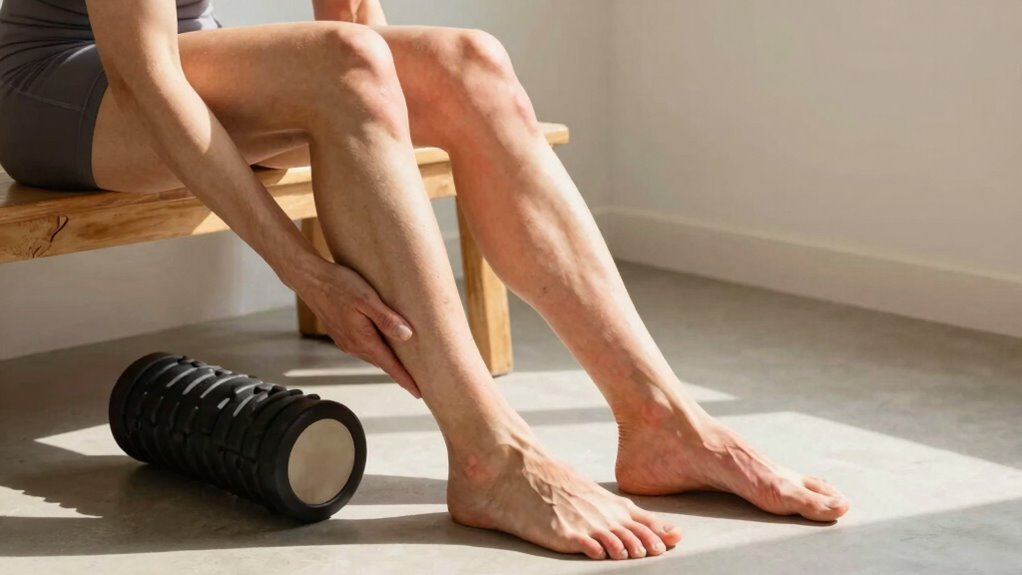
After your cool-down and stretching routines, gentle exercises can further ease soreness and stiffness. Light activities like walking, slow cycling, or gentle yoga help promote blood flow, which accelerates muscle recovery techniques. These easy exercises loosen tight muscles without overexerting you, reducing post-exercise stiffness. Incorporate post exercise stretching into your routine, focusing on areas that feel tight or sore. Gentle movements keep your muscles active, preventing them from tightening further and helping break the stiffness cycle. Keep the intensity low and listen to your body. Consistent, light activity after workouts supports muscle recovery and diminishes lingering soreness, making you feel better faster. These simple exercises are effective tools to smooth your progression from workout to recovery.
When to Seek Help for Persistent or Severe Stiffness
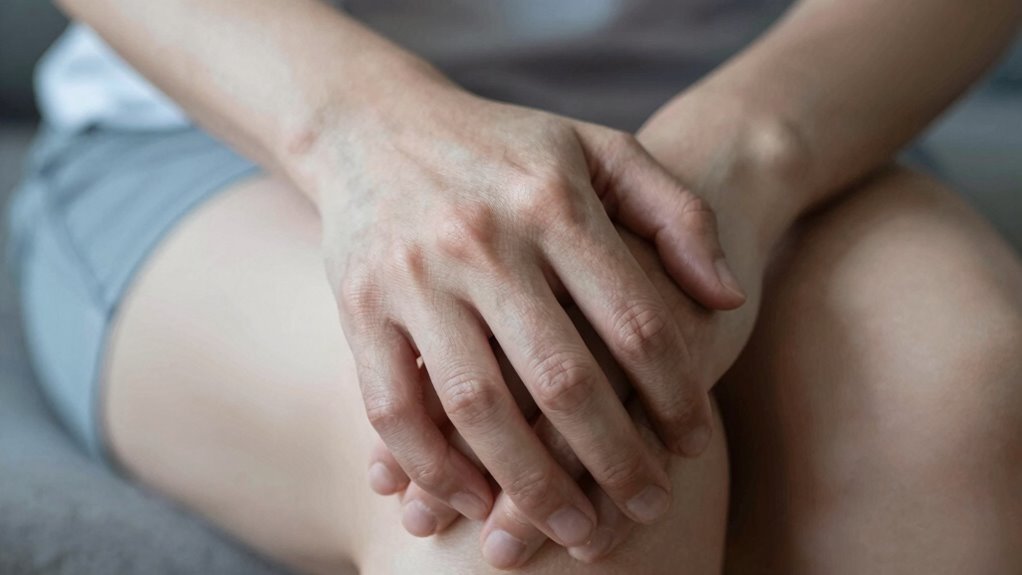
If you experience persistent or severe muscle stiffness that doesn’t improve with gentle activity or worsens over time, it’s important to seek medical help. Ongoing stiffness can hinder muscle recovery and impact joint health, potentially signaling underlying issues. Early intervention can prevent further complications and improve your overall mobility. Consider consulting a healthcare professional if you notice these signs:
| Symptom | When to Seek Help | Possible Concern |
|---|---|---|
| Severe pain or swelling | Stiffness persists beyond a week | Joint or muscle injury |
| Limited movement | Stiffness worsens despite activity | Chronic condition diagnosis |
| Accompanied by fever | Stiffness with systemic symptoms | Infection or inflammation |
Addressing these issues promptly helps restore muscle recovery and supports long-term joint health.
Tips to Stay Comfortable and Keep Moving Without Overdoing It

When dealing with muscle stiffness, finding ways to stay comfortable and active without pushing too hard can make a big difference in your recovery. Incorporate gentle stretching routines to help loosen stiff muscles without causing strain. Focus on slow, controlled movements that promote flexibility and circulation. Keep your muscles warm with light activity, like walking or easy cycling, to prevent stiffness from worsening. Hydration tips are equally important; drinking plenty of water helps flush out toxins and keeps muscles functioning smoothly. Listen to your body—if something hurts, ease up. Small, consistent movements combined with proper hydration can reduce discomfort, improve mobility, and help you stay active without overdoing it.
Frequently Asked Questions
Can Stretching Worsen Muscle Stiffness After Exercise?
Stretching can sometimes worsen muscle stiffness after exercise if you push too hard or stretch cold muscles, risking overstretching or injury. While stretching benefits include improved flexibility and reduced tension, stretching risks involve overstretching or causing strains if not done correctly. To avoid these issues, focus on gentle, controlled stretches after warming up, and listen to your body to prevent increasing stiffness or discomfort.
How Long Does It Typically Take for Stiffness to Subside?
Think of your muscles as a garden that needs watering. Usually, stiffness lasts about 24 to 72 hours, depending on your activity level and recovery timeline. During this period, your muscles gradually loosen, like soil absorbing rain. If you stay active or stretch gently, you can shorten the stiffness duration. However, rest and proper recovery help your muscles heal faster, making you feel better sooner.
Are Certain Muscles More Prone to Stiffness Than Others?
Certain muscles are more prone to stiffness due to muscle dominance and regional soreness. You often notice this in your larger, frequently used muscles like your quadriceps or lower back, which handle more load and strain. These muscles tend to stiffen more easily because they’re more active and experience more regional soreness. So, if you notice stiffness in specific areas, it’s likely linked to how much you rely on those muscles daily.
Does Hydration Help Reduce Muscle Stiffness?
Yes, hydration benefits your muscles by improving muscle elasticity, which can help reduce stiffness. When you’re well-hydrated, your muscles stay more flexible and responsive, decreasing the chances of feeling stiff after inactivity. Drinking enough water ensures your muscles function ideally, allowing you to move more freely and comfortably. So, staying hydrated is a simple and effective way to combat muscle stiffness and maintain better overall muscle health.
What Foods Aid Muscle Recovery and Reduce Stiffness?
Eating anti-inflammatory foods like berries, fatty fish, and leafy greens can aid your muscle recovery and reduce stiffness. Incorporate nutrition strategies such as consuming turmeric, ginger, and nuts, which help decrease inflammation. Staying hydrated and balancing your diet with protein-rich options also support muscle repair. By choosing these foods, you give your muscles the nutrients they need to recover faster and feel less stiff after activity.
Conclusion
So, next time you notice stiffness creeping in, remember it’s your body’s way of telling you to move gently. By staying active, you keep blood flowing and nerves happy, breaking the cycle. Sometimes, just a little movement makes all the difference—making stiffness fade as smoothly as it appeared. Coincidentally, the more you move, the better you feel, turning discomfort into comfort and keeping you ready for whatever comes next.
NFL season / tailgating Picks
team gear
As an affiliate, we earn on qualifying purchases.